
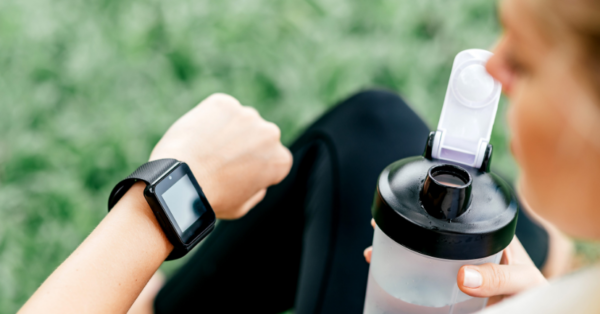
The well-being is no longer considered merely as a workout session or a single moment of relaxation. In the most advanced wellness spaces, conscious movement, biometric data monitoring and active recovery begin to form part of the same circuit.
The idea is to integrate disciplines like yoga, hot yoga, breathwork and functional training with tools that allow us to know how the body responds and with technologies aimed at supporting recovery.
The goal, explains the sports medicine physician Alejandra Hintze (MN: 114193), is to have information that allows making better decisions regarding training, rest and other daily habits.
Measuring what was once only intuitive
For a long time, the feeling of relaxation or fatigue after a yoga class remained in the realm of subjectivity. Today, the personal monitoring devices allow transforming part of those percepts into data.
Real-time heart rate, heart rate variability (HRV), sleep quality, daily stress levels and available energy index are some of the metrics that can be recorded. They also allow estimating readiness for effort and recovery times, in addition to offering meditation guides accessible from the wrist.
For Hintze, this possibility also helps to revisit some established ideas about certain disciplines. “Depending on the type of yoga practiced, it can actually be a very intense practice, despite the belief that it would be the opposite”, she explains.
And she adds: “People practicing yoga often don’t realize how intense a class can be when practiced at 100%.”
Tracking the data also makes it possible to observe how heart rates decrease toward the end of a class and to record the body’s response, information that can help plan rest periods more precisely.
Recovery: when technology also comes into play
If measurement helps reveal the body’s response, recovery tools aim to accompany the physical rest after activity.
Among the current proposals are phototherapy devices and vibrating massage devices for quick facial and scalp treatments, as well as wireless pneumatic compression systems. The latter work by applying sequentially ascending pressure from the feet, aimed at stimulating venous and lymphatic return.
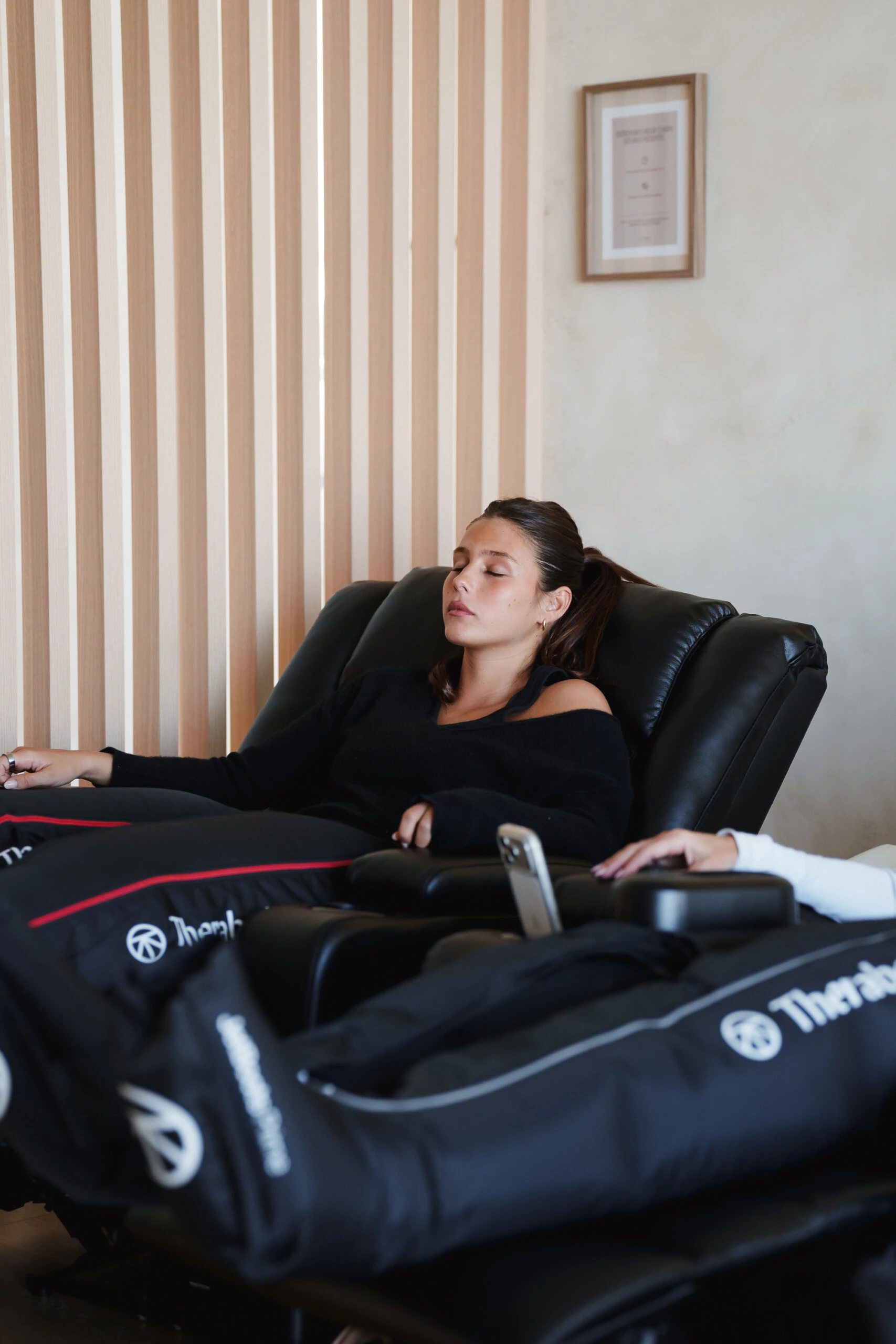
The combination of these tools is also part of this new perspective on well-being. “Phototherapy will cause heat to produce vasodilation, and combined with compression, which promotes venous return, it creates a combination that yields a great sense of well-being: vasodilation and drainage of everything the exercise generated in the muscles,” notes Hintze.
According to the specialist, this pursuit of recovery is not limited to the athletic field. It can also relate to the tensions accumulated by a sedentary lifestyle and the demands of daily life.
Train, measure and recover: the circuit of well-being
For Hintze, the key is not to use each tool in isolation, but to integrate movement, measurement and recovery as part of a continuous process.
“The logic of training, measuring the response, recovering, measuring the response — I would say that is the complete circuit: train, measure, recover, measure, train, measure — so you always have data to base plans on for training, sleep and nutrition,” she explains.
This traceability allows observing the evolution of the body’s responses over time and having information to accompany decisions related to training and recovery.
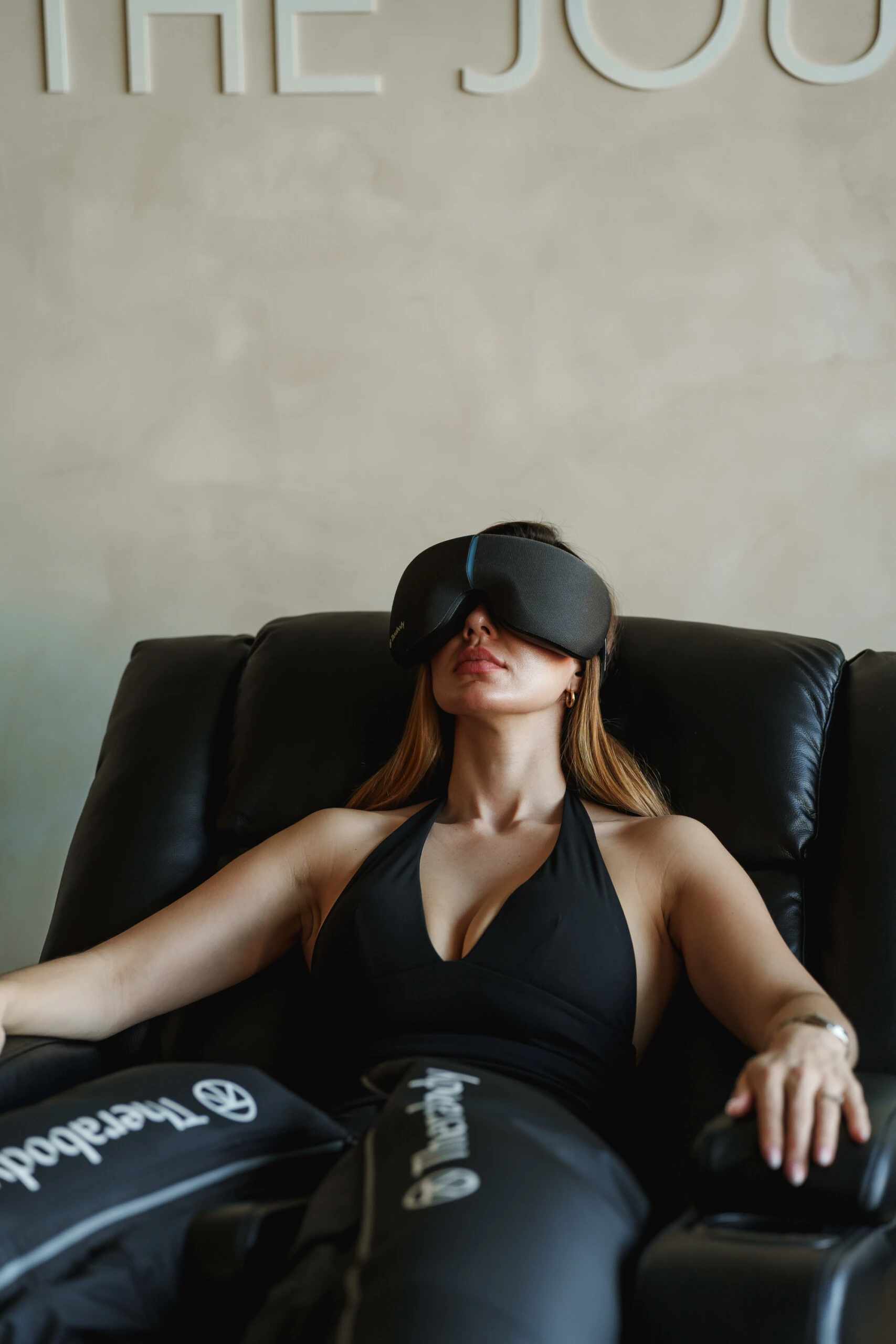
In that sense, technology becomes a daily tool to record what used to remain only a personal perception.
Longevity: thinking of well-being in the long term
This way of understanding well-being is linked to a broader idea of longevity. For the specialist, it is not just about adding years, but about how those years are lived.
“Longevity does not simply mean living more years, but that those years can be lived with a better quality of life, with more autonomy and greater functional capacity,” Hintze states.
And she adds: “Today we can measure that evolution over time, and that’s the great thing about having technology with us every day.”
Thus, the focus stops being solely on a particular exercise class, a recovery session, or a moment of rest. The proposal is to understand them as parts of the same circuit, in which measuring the body’s response allows you to train again, recover and make new decisions based on the available information.