
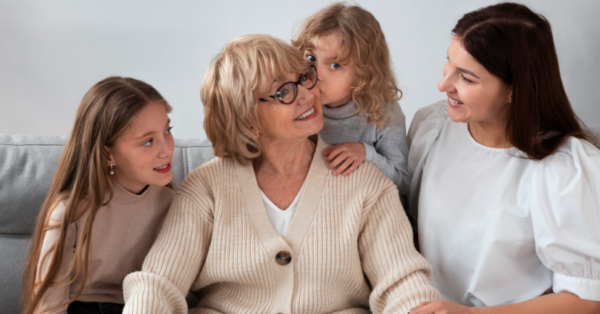
The Mother’s Day arrives in a context of deep changes in how motherhood and family are conceived. In Argentina, births have fallen by almost 50% in ten years: from 777,012 in 2014 to 413,135 in 2024. Added to this is a fertility rate of 1.3 children per woman, the lowest in history, and a trend toward postponing motherhood to increasingly older ages.
But behind the numbers lies a transformation that goes beyond demographics. Having children no longer appears necessarily as an obligatory step in life, but as a decision shaped by desire, economic possibilities, and the concrete conditions of each person.
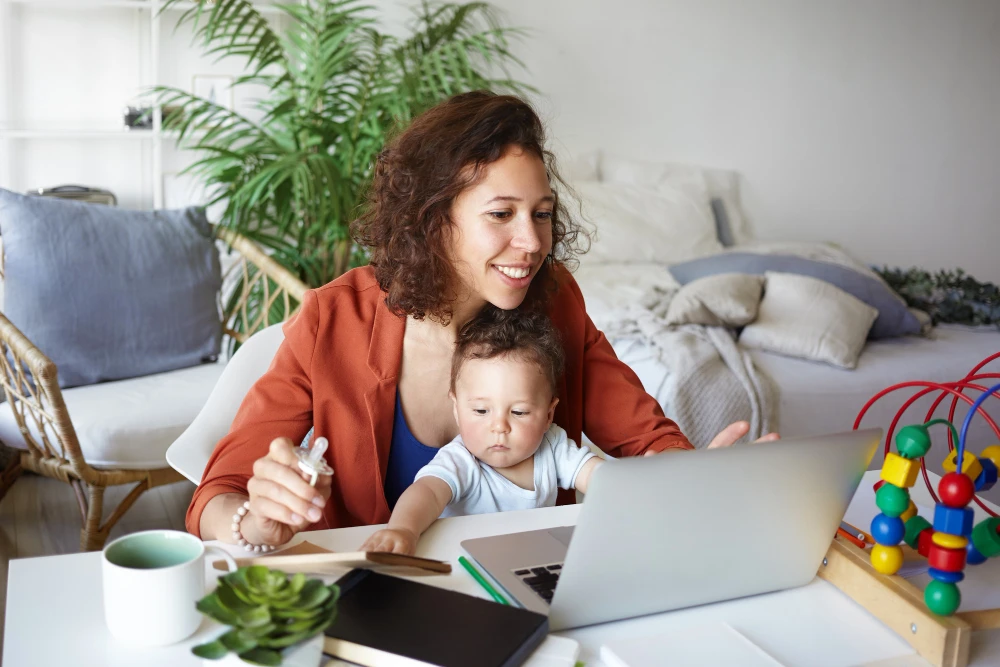
According to Trendsity research, 78% of people in Argentina of childbearing age believe that not everyone intends to become a father or mother, while 67% state that having children has ceased to be a mandate.
“Family is not something you ‘have’ but something you plan when several things are ideally resolved, or at least some of them: work, housing, economic stability, real desire versus mandate,” explains Mariela Mociulsky, CEO of Trendsity.
Thus, motherhood stops answering to a single script. The possibility of choosing how, when, and under what circumstances to form a family takes center stage, while the conversation about what it means to mother and what role care plays in relationships broadens.
Between autonomy and nostalgia for a more traditional family
As discourses on autonomy grow, the postponement of motherhood and the possibility of not having children, on social media also gain visibility figures associated with more traditional family models, such as the so-called tradwives.
At first glance, these two pursuits may seem contradictory. However, for Mociulsky, both can express a shared concern: how to build a life in which parenting, relationships, and personal development can coexist.
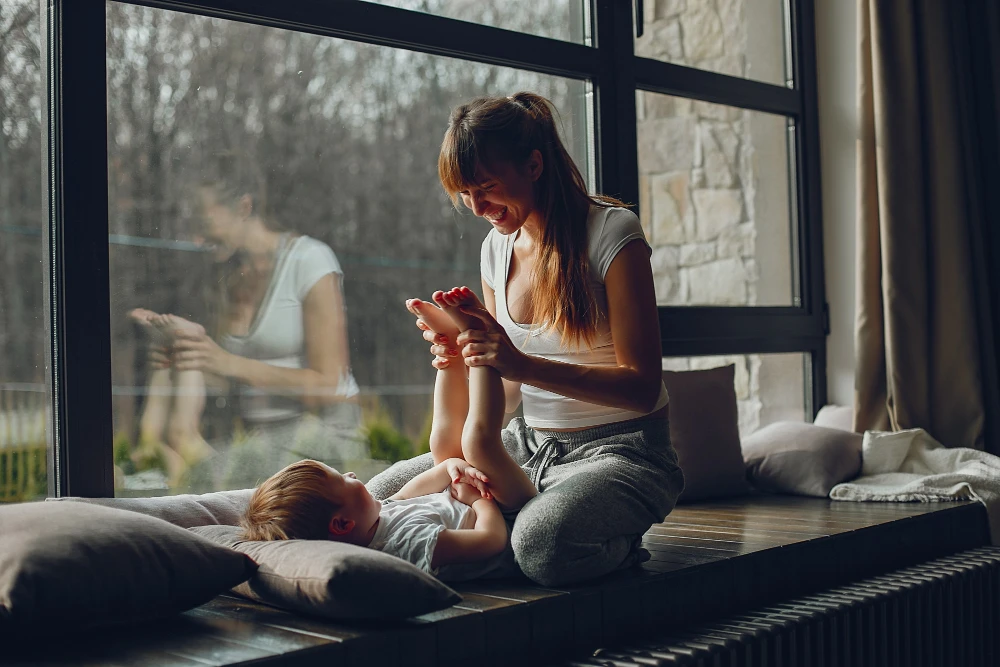
“Nostalgia is not for the real past but for what it promised in terms of support and security. It’s not that they miss doing the household tasks, but a present family context, not being alone in childrearing, or not living the decision with so much uncertainty,” explains.
En este escenario, muchas mujeres buscan combinar autonomía, trabajo y vida familiar sin resignar tiempo para criar ni asumir individualmente todas las tareas de cuidado.
The apparent contradiction can also coexist within a single person. A woman may prioritize her career, postpone motherhood, or decide not to have children, while at the same time feeling drawn to a more traditional representation of the family.
“No es contradicción, es la misma búsqueda: que maternar no sea una renuncia a la autonomía, y que la autonomía no sea sinónimo de soledad,” sostiene Mociulsky.
The Parenting Tribes: why sharing experiences is becoming increasingly important
As the ways of mothering diversify, the value of having spaces for support also grows. Sharing experiences, exchanging advice, and finding others who go through similar situations becomes a way to navigate the challenges of parenting.
Trendsity identifies this phenomenon through the concept of “parenting tribes”: communities built both in everyday spaces and on social networks, where people share information, experiences, and different ways of resolving the situations that motherhood poses.
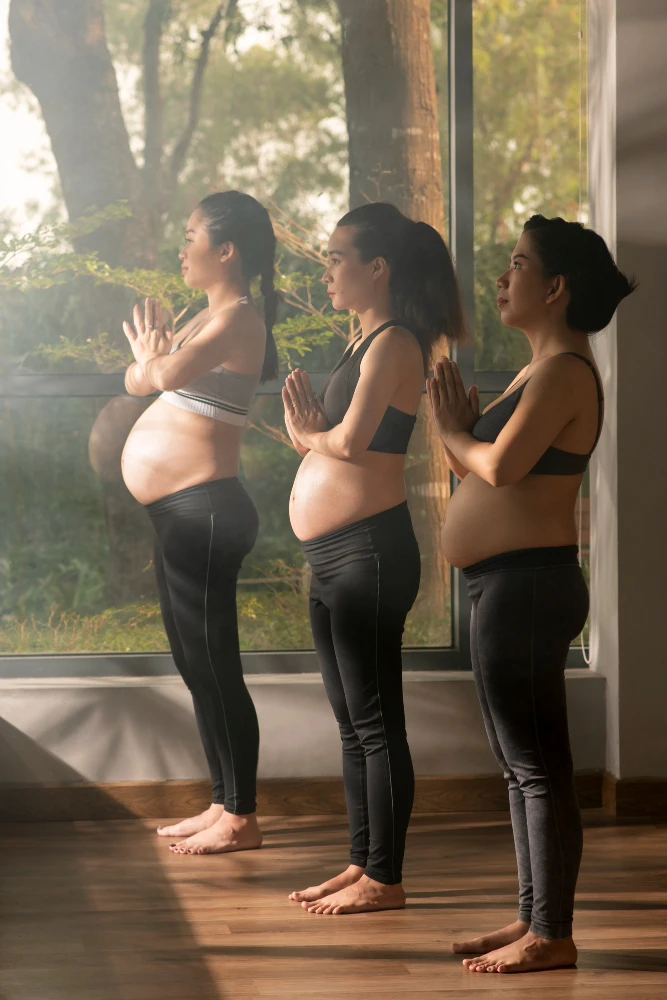
Estas redes también muestran que criar no tiene por qué ser una experiencia aislada. Frente a la diversidad de realidades familiares, los espacios de intercambio permiten encontrar otras miradas y construir formas de acompañamiento.
El fenómeno abre, además, una oportunidad para las marcas: en lugar de considerar a las madres como un grupo homogéneo, pueden reconocer las comunidades que se forman alrededor de sus intereses y necesidades.
From the bond with children to new forms of care
Los cambios en la composición de las familias también se reflejan en la manera de construir vínculos afectivos y organizar los cuidados.
En la Ciudad de Buenos Aires hay casi el doble de mascotas que niños menores de 14 años. El dato da cuenta de nuevas formas de convivencia y de organización afectiva, aunque no significa que los animales estén reemplazando a los hijos.
La transformación responde a una reorganización del cuidado, atravesada también por los tiempos, los costos y las condiciones de vida actuales.
Desde esta perspectiva, la maternidad vinculada con el cuidado adquiere un sentido más amplio y la categoría de “madre” se vuelve más porosa. El vínculo puede construirse a través de un hijo, un sobrino, una familia ensamblada, una mascota o una red de personas que se acompañan y comparten las tareas de cuidado.
La idea de maternar, entonces, ya no queda limitada a una única experiencia ni a un solo modelo de familia. También invita a pensar en los vínculos que se construyen a través de la presencia, el compromiso y el acompañamiento cotidiano.
“El Día de la Madre no desaparece, sino que se resignifica”, afirma Mociulsky. Y sintetiza: “El Día de la Madre ya no celebra solo a la que parió, celebra a la que cuida”.
En una sociedad donde tener hijos dejó de ser un mandato y conviven distintas maneras de formar una familia, el Día de la Madre también puede leerse como una oportunidad para revisar ideas que durante mucho tiempo parecieron inamovibles. Porque hoy no existe una única forma de ser madre, de construir una familia ni de cuidar a los demás.