
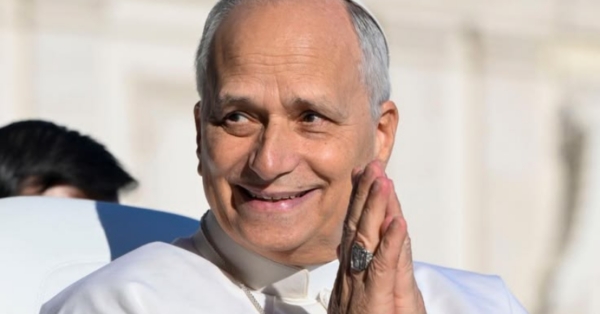
Hours ago the news broke that Pope Leo XIV underwent surgery for a pulmonary nodule. The operation occurred a few days after he himself announced the need for the procedure through his official channels, amid anticipation for his upcoming visit to Argentina, scheduled to take place between November 8 and 11.
However, the recent medical bulletin generated uncertainty and curiosity regarding the definitive diagnosis received by the Pontiff.
During the official report it was detailed that the Pope remained in the operating room for about three hours, during which the surgical intervention lasted roughly 90 minutes. The procedure concluded successfully and without complications, achieving the removal of the lower lobe of the right lung using a video-assisted technique. The medical procedure was accompanied by histological confirmation of the disease.
“The histological examination performed during surgery confirmed the diagnosis of a pulmonary adenocarcinoma, as had been suspected from the preoperative studies,” the statement detailed in one of its central passages.
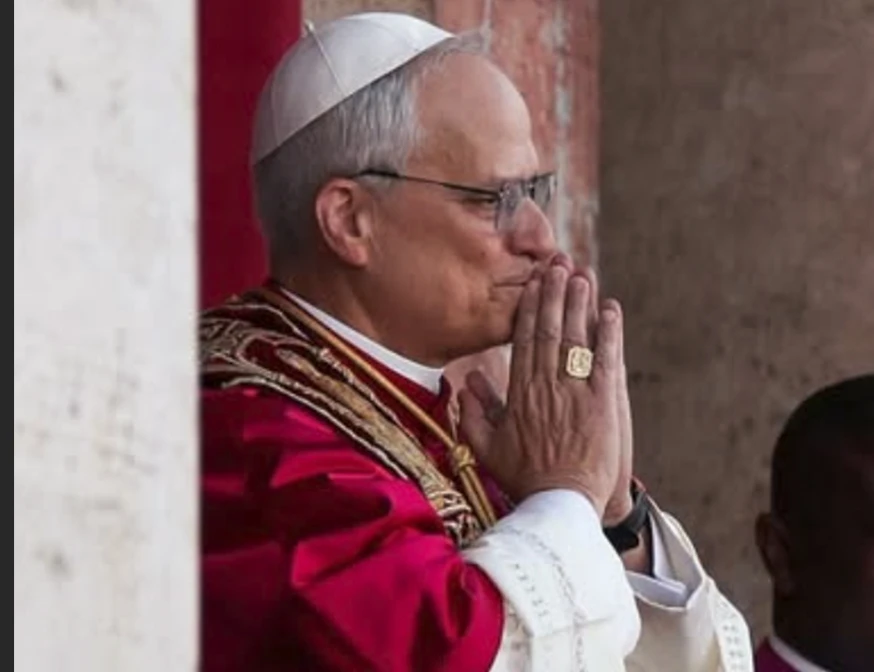
What is pulmonary adenocarcinoma and what are its symptoms
According to the cancer research and treatment organization City of Hope, adenocarcinoma is the term used to describe cancer that originates in glandular or secretory cells. These cells are found in the lining of various internal organs and actively participate in the production and secretion of bodily fluids.
It is the most frequent subtype within the group of non-small cell lung cancer (NSCLC), representing almost 40% of all cases in this category according to the American Society of Clinical Oncology.
Among the main causes linked to the development of this condition is smoking, with estimates that around the 80% of deaths from this disease are directly related to that consumption, although it can also be diagnosed in people who have never smoked.
In terms of its clinical manifestations, affected individuals usually present symptoms such as persistent cough, progressive shortness of breath, constant chest pain or discomfort, extreme fatigue, changes in the voice such as hoarseness, difficulty swallowing foods or liquids, coughing up mucus with blood, as well as loss of appetite and an involuntary and unexplained weight loss.
How the Holy Father’s Recovery Is Progressing
The surgical intervention, according to specialists, was completely successful. However, the Pope will have to comply with a strict postoperative rest period of at least seven days within the health center.
It was also disclosed that all audiences and official commitments of the Pontiff scheduled in his agenda have been suspended until next Tuesday, October 20, in order to ensure a favorable evolution and a prompt recovery.