
Each year, thousands of women seek medical advice for symptoms they attribute to stress, fatigue, or digestive problems, when in fact they may be facing a cardiovascular disease. Lack of information remains one of the main obstacles to obtaining a timely diagnosis.
Although it is often associated with men, cardiovascular diseases also affect women and have their own characteristics. Heart attacks, strokes, and heart failure are part of a group of conditions that are often overlooked because their symptoms can differ from the classic ones.
To change this reality, twenty years ago the Heart and Women Area of the Argentine Society of Cardiology was created, a pioneering initiative with a dual mission: on one hand, to raise public awareness about the importance of safeguarding women’s cardiovascular health and, on the other, to train health professionals through congresses, symposia and scientific activities dedicated to the peculiarities of cardiovascular disease in women.
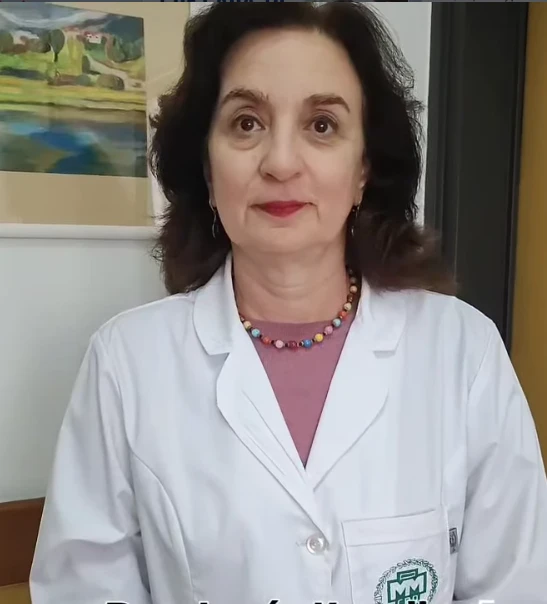
In an interview with Para Ti, Dr. Lucía Kazelian, director of the Heart and Women Area of the Argentine Society of Cardiology, founding member of the area (M.N. 78.379), explains why there are still so many myths surrounding these diseases and what each woman can do to take care of her heart.
“Many Women Still Believe Cancer Is Their Major Health Problem”
– Many women believe that cancer is their main health risk. Why do cardiovascular diseases continue to be the leading cause of female death and is there still so little awareness about this issue?
– In 2005, the Heart and Women Area of the Argentine Society of Cardiology and the Argentine Cardiology Foundation were created with a dual mission: to work with health professionals and also with the community to spread the message that cardiovascular diseases are the leading cause of death for both men and women.
As one of the first actions, in 2006 we conducted a survey of 600 women. The vast majority answered that cancer was the main health problem and the leading cause of female death. Fifteen years later we repeated the survey and the results were very similar: women still believe that cancer represents the greatest risk to their health.
However, both in Argentina and around the world, the leading cause of death in women is cardiovascular disease. Within this group are myocardial infarction, heart failure and stroke.
That is why it is essential to continue spreading this information and raising awareness about the importance of medical checks and prevention.”
Heart attack symptoms in women can be different
– What are the symptoms of a heart attack in women that tend to go unnoticed or be mistaken for other discomforts?
– The symptoms of a heart attack in women can differ from those typically described in men. While some experience crushing chest pain that may radiate to the jaw, shoulders, or left arm, this classic picture is less common in women.
More often, women present with less specific symptoms, such as nausea, vomiting, diarrhea, general malaise, back pain, shortness of breath, or even fainting. In some cases, especially in women with diabetes, a heart attack can be completely asymptomatic.
Therefore, when a woman presents to the emergency department with general discomfort or chest pain, it is crucial to rule out a cardiac issue. It is always preferable to perform an electrocardiogram rather than overlook an acute myocardial infarction.

Signals You Should Never Ignore
Among the symptoms that warrant immediate consultation are:
- Chest pain or pressure.
- Shortness of breath.
- Back, neck, jaw, or shoulder pain.
- Nausea or vomiting.
- Cold sweat.
- Fainting.
- Extreme fatigue or general malaise without an apparent cause.
Pregnancy and menopause also speak to heart health
– What cardiovascular checks should women undergo according to age or life stages, such as pregnancy or menopause?
– Women’s cardiovascular health should be evaluated taking into account the different life stages, because each presents specific risks.
During reproductive age, estrogens exert a protective effect on the cardiovascular system. Thanks to this hormonal protection, women usually have a more favorable lipid profile and a lower incidence of coronary disease compared to men of the same age.
However, pregnancy is a key stage for assessing future cardiovascular risk. Some complications, such as gestational hypertension, preeclampsia, eclampsia, or gestational diabetes, not only require monitoring during pregnancy but also constitute a long-term risk marker for cardiovascular health.
Women who experienced any of these complications are more likely to develop hypertension or coronary disease over the years. Therefore, when evaluating cardiovascular risk, it is essential to know obstetric history and how the pregnancies unfolded.
Menopause represents another important moment. With the decline of estrogen, part of that natural protection is lost and the chances of developing cardiovascular disease start to rise. Generally, five to ten years after menopause begins, the occurrence of coronary problems tends to increase due to changes in lipid profile, a higher risk of hypertension, and the aging process itself.
It is also important to consider gynecological history. For example, premature menopause, before age 40 or 45, is associated with a higher risk of coronary disease.
Habits that help the heart the most
– Which daily habits have the greatest impact in preventing cardiovascular diseases and taking care of the heart in the long term?
– Prevention starts with medical checkups. Just as women adopted the habit of annual gynecological visits, they should also include a cardiology checkup at least once a year, especially after age 40.
One of the pillars is knowing your own risk factors, what we call ‘knowing your numbers.’ This means knowing your blood pressure, blood glucose, cholesterol, and body weight. All of these factors can be modified, and therefore it is possible to act in time to reduce cardiovascular risk.
Additionally, there are habits with a huge impact on heart health: regular physical activity, avoiding a sedentary lifestyle, not smoking, maintaining a healthy diet, and sleeping well.
In the cardiology consultation, the physician will assess each case individually and decide whether additional studies are needed. In general terms, the checkup includes a clinical examination, a comprehensive blood test, an electrocardiogram, and the evaluation of weight, height, and lifestyle habits, such as diet, smoking, and the level of physical activity.
Eight Keys to Protect the Heart
✔ Control blood pressure.
✔ Know cholesterol and glucose levels.
✔ Maintain a healthy weight.
✔ Engage in regular physical activity.
✔ Avoid a sedentary lifestyle.
✔ Do not smoke.
✔ Get good sleep.
✔ Follow a balanced diet and have periodic medical checkups.
The Challenge of Establishing October 9 as a National Date
– Several provinces already recognize October 9 as an awareness date. What is needed to achieve a national law and why is that step so important?
– Having a national law is very important because it provides institutional backing to promote awareness about the prevention of cardiovascular diseases in women and to encourage the necessary medical checks.
For several years we began working with lawmakers so that October 9, the date on which the Heart and Women Area was created, would be recognized as the Day of Awareness of Cardiovascular Disease in Women.
At the same time, we promoted this project in the country’s various provinces, where we have local leaders. The first to pass the law was La Pampa and, from there, a multiplier effect occurred. Currently, 17 provinces have already designated October 9 as the Provincial Day of Awareness of Cardiovascular Disease in Women.
These laws enable the development of prevention campaigns and community-wide activities, as well as scientific sessions for health professionals. They also promote symbolic actions, such as lighting public buildings in red, a color that identifies the awareness campaign for women’s cardiovascular health.
Now the goal is to persuade the remaining provinces to adopt it and advance the passage of a national law that solidifies this date as a public policy of prevention and education.
A Day to Put Women’s Cardiovascular Health on the Agenda
October 9 commemorates the creation of the Heart and Women Area of the Argentine Society of Cardiology, a space that since 2005 has worked to make visible an issue that long remained in the background. The project to turn that date into the National Day of Awareness of Cardiovascular Disease in Women seeks to generate, each year, campaigns of prevention, education, and early detection across the country. Today, 17 provinces already have their own legislation, and the challenge is to move toward a national law that unifies those efforts.
Caring for the Heart Is Also an Act of Prevention
Cardiovascular health should not be a concern only when symptoms appear. Knowing risk factors, incorporating periodic checkups, and adopting healthy habits are decisions that can make a difference throughout life. As Dr. Kazelian emphasizes, the first step remains the same: inform yourself, listen to your body, and give the heart the place it deserves within comprehensive health care.
IG @areacorazonymujersac