
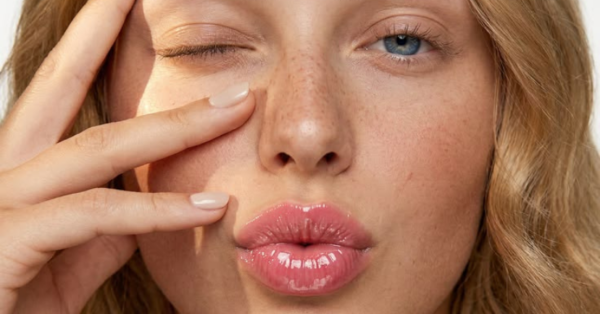
The icy morning wind hits the face and, within hours, the mouth begins to feel tight, rough, or with small cracks. During the winter season, the skin of the lips is one of the areas of the body that suffers the most from the cold temperatures and the constant exposure to heated indoor environments.
Unlike the rest of the face, the skin of the lips is extremely thin and lacks sebaceous and sweat glands, which means it cannot produce its own natural oils to protect itself. For this reason, incorporating a specific care routine is essential to prevent dehydration and keep the surface smooth year-round.
The structure of the lips: why they suffer more from the cold
To understand how to protect the mouth, it is necessary to understand its anatomy. The stratum corneum of the lips is thin and has a lower capacity to retain water compared with the skin on the cheeks or the forehead.
When the outside temperature drops and the ambient humidity decreases, the evaporation of water from the skin surface speeds up. If you add the dry indoor air from heated interiors, the result is a constant loss of moisture that leads to peeling, tightness, and cracking.
Deep nourishment and the key role of nighttime treatment
Lip hydration must be addressed both from within and with topical care. Drinking enough water throughout the day is the first indispensable step to keep the tissues flexible and healthy.
As for products, the night is the key moment for intensive repair. While we sleep, the skin enters a natural regeneration process. Applying a generous layer of balm, plant-based butter or an occlusive treatment before bed creates a protective barrier that prevents water loss during the night, allowing you to wake up with nourished and soft skin.
Gentle cellular renewal: how to exfoliate without harming
When the lips show flakes or irregular texture, the temptation to peel them off is strong, but this only creates micro-lesions and slows healing. The key is to perform a very delicate exfoliation to remove dead cells without compromising the skin barrier.
Ideally, this procedure should be done once a week or every two weeks, using exfoliating formulas designed for the area or by gently massaging with the fingertips and a nourishing balm. Exfoliating should never be performed on skin that has open wounds or deep cracks.
Therapeutic makeup and tinted balms: a dual function
Modern cosmetics offer solutions that combine beauty and treatment in a single step. In the market there are lipsticks formulated with hydrating actives such as hyaluronic acid, vegetable oils, and butters that provide color at the same time as nourishing the skin.
Likewise, tinted balms have become an indispensable ally for daily use. These products perform a dual function: they provide a fresh and natural tone to the lips while forming a physical shield that protects against wind and prevents the skin’s own moisture from evaporating.
Daily habits to avoid and the importance of sunscreen
There are two very common winter habits that deteriorate lip health. The first is moistened the lips with saliva when they feel dry. While it provides momentary relief, the digestive enzymes present in saliva irritate the skin and, as the moisture evaporates, they leave the lips even more dehydrated than before.
The second factor to consider is sun exposure. UV rays remain present on cold, cloudy days, and without abundant melanin, the lips are exposed to photoaging and sun damage. Using daily sunscreen lip balms is the final step to ensuring complete protection.