
Istanbul and Cappadocia have earned their place among the great tourist icons of Turkey. But it would be a mistake to think the journey ends there. In the south of the country, Antalya is the gateway to the Turkish Riviera: a region that blends some of the Mediterranean’s most striking landscapes with a historic heritage that spans centuries, and inland it hides one of the world’s most distinctive agricultural traditions.
Antalya, the Heart of the Turkish Riviera
Antalya sits along the Mediterranean coast, and it surprises with the diversity of landscapes that coexist in one region: crystal-clear bays, mountains that meet the sea, coastal towns, and a city where history is woven into daily life.
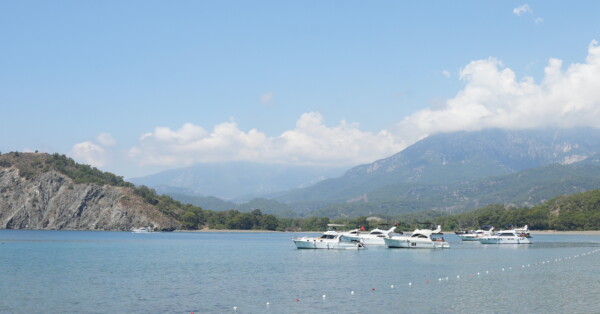
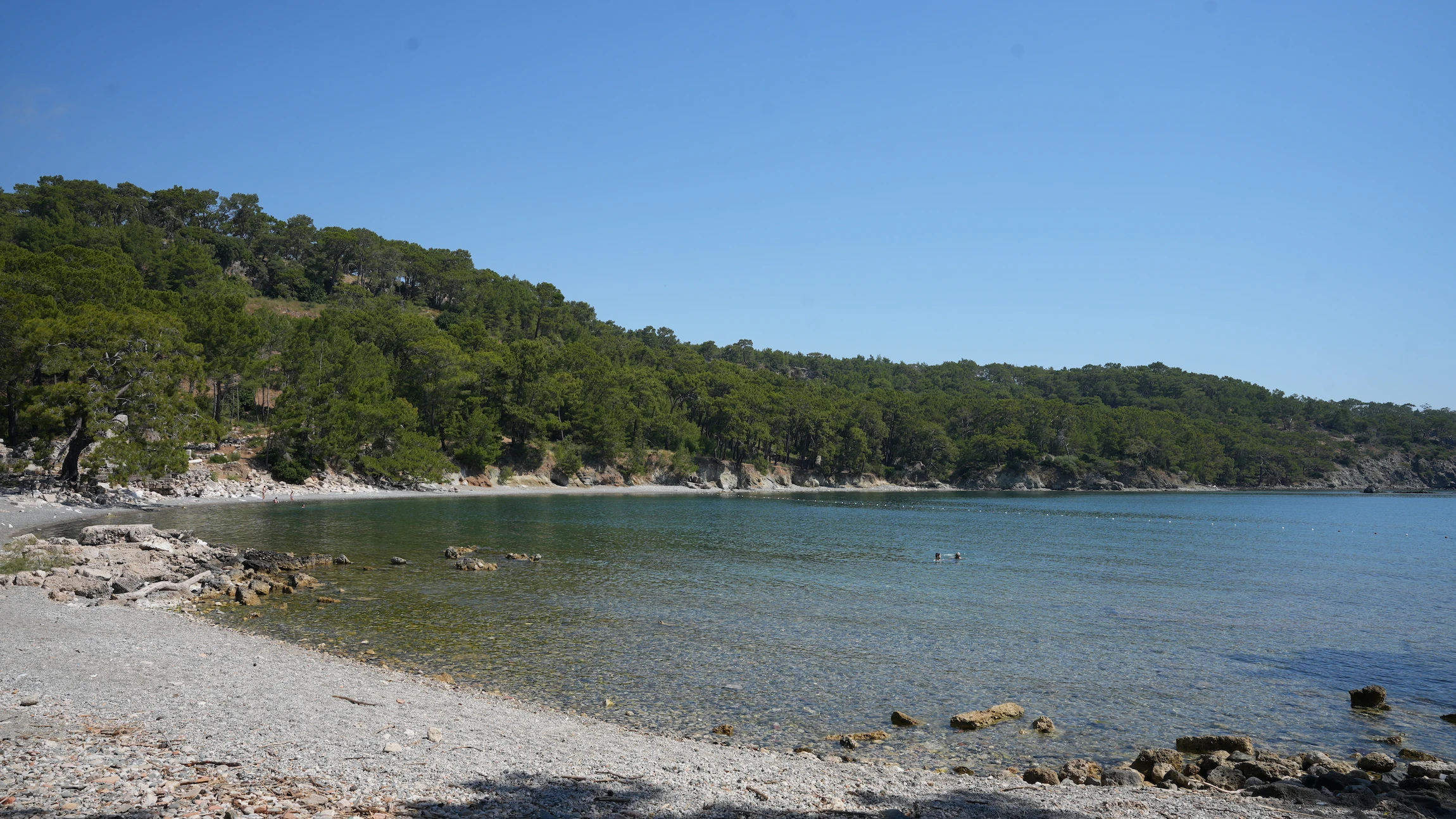
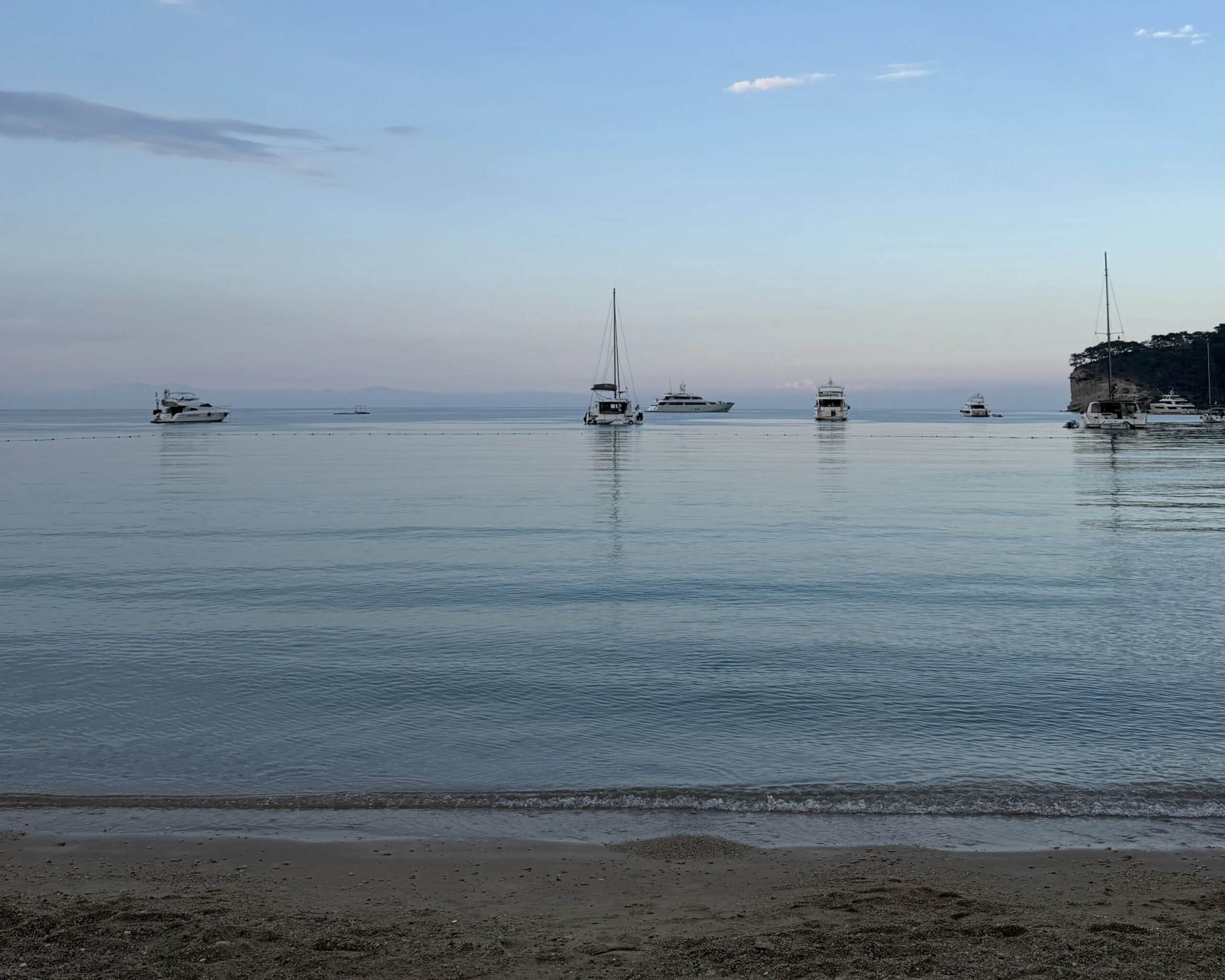
From Kemer, one of the standout points of the Turkish Riviera, the Mediterranean reveals its most dramatic side: turquoise waters, beaches embraced by nature, and a mountain backdrop that gives the region its unique identity. Moonlight Bay is one of those places where time seems to stop, a bay with calm waters surrounded by greenery that invites you to slow down and savor the surroundings.
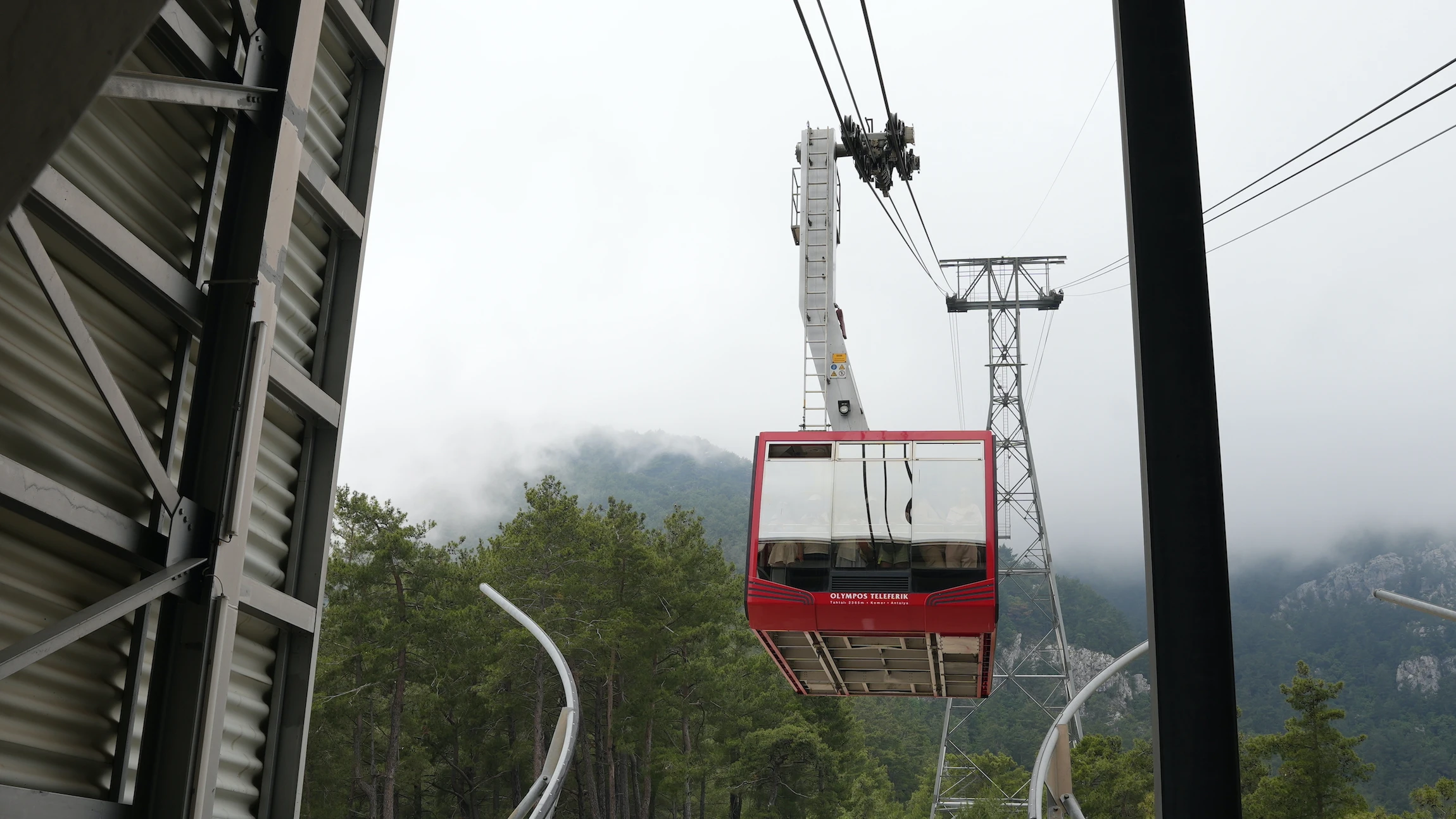
To discover another perspective of this setting, the Olympos Teleferik offers a different way to take it in: an ascent up to 2,300 meters on Mount Tahtali, from where the Mediterranean, the mountains and the coast stretch to the horizon in a postcard that helps you grasp the scale of the landscape.
But Antalya is also experienced by walking its streets. In the old town of Kaleiçi, ancient Ottoman buildings, stone lanes, cafés and small handicraft shops invite you to wander the city at a relaxed pace. It is the ideal place to discover charming corners, find typical souvenirs, and enjoy the city’s slower rhythm.
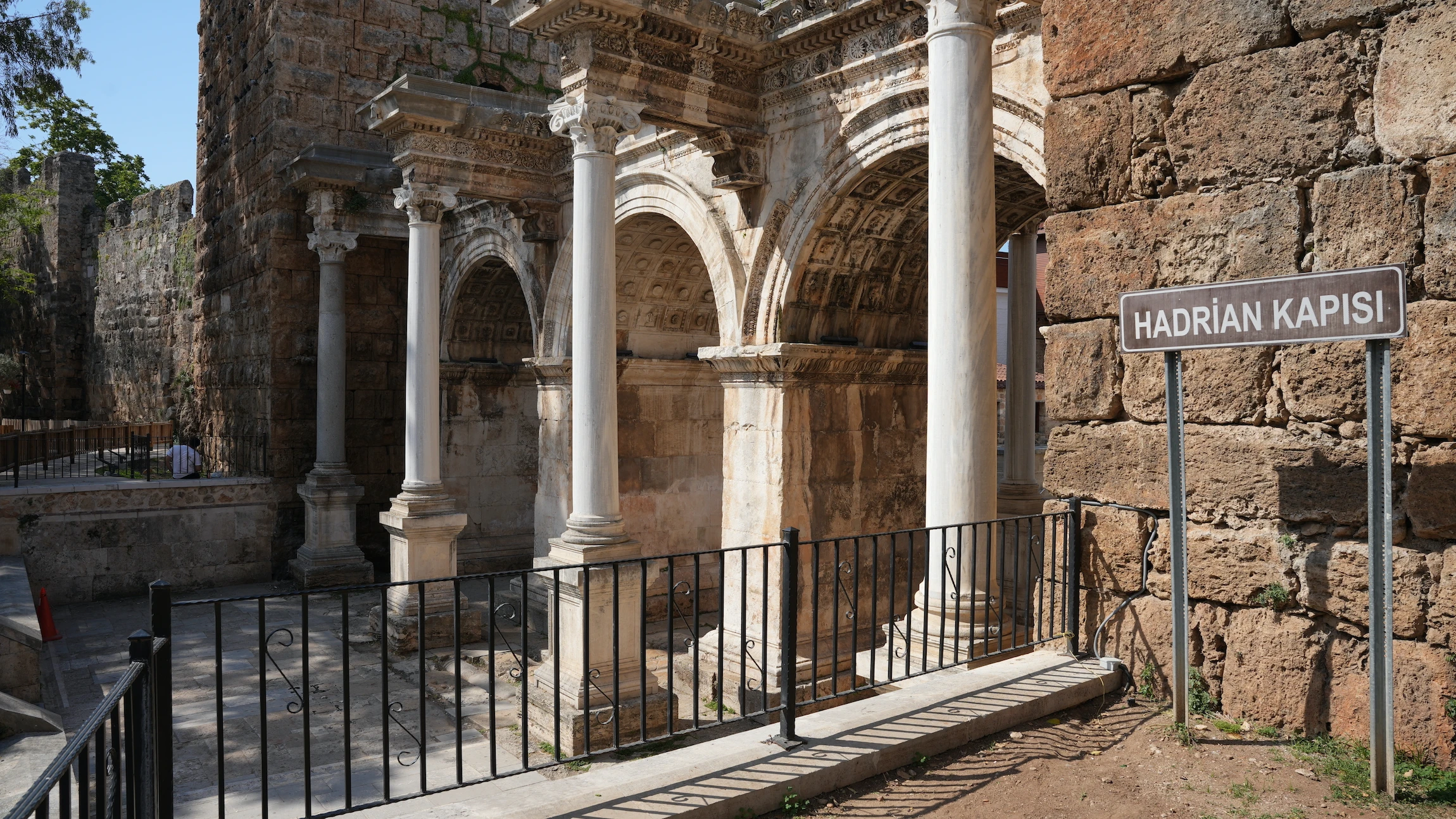
In the historic district you’ll also find Hadrian’s Gate, built in 130 CE to commemorate the visit of the Roman emperor. With its imposing triple arch of white marble, flanked by Roman and Byzantine towers, it became one of Antalya‘s most iconic postcards.
A Destination Where History Remains Alive
In Antalya, history isn’t confined to museums: it appears among the trees, by the sea, and amid ancient cities that still bear the imprint of the civilizations that passed through this region.
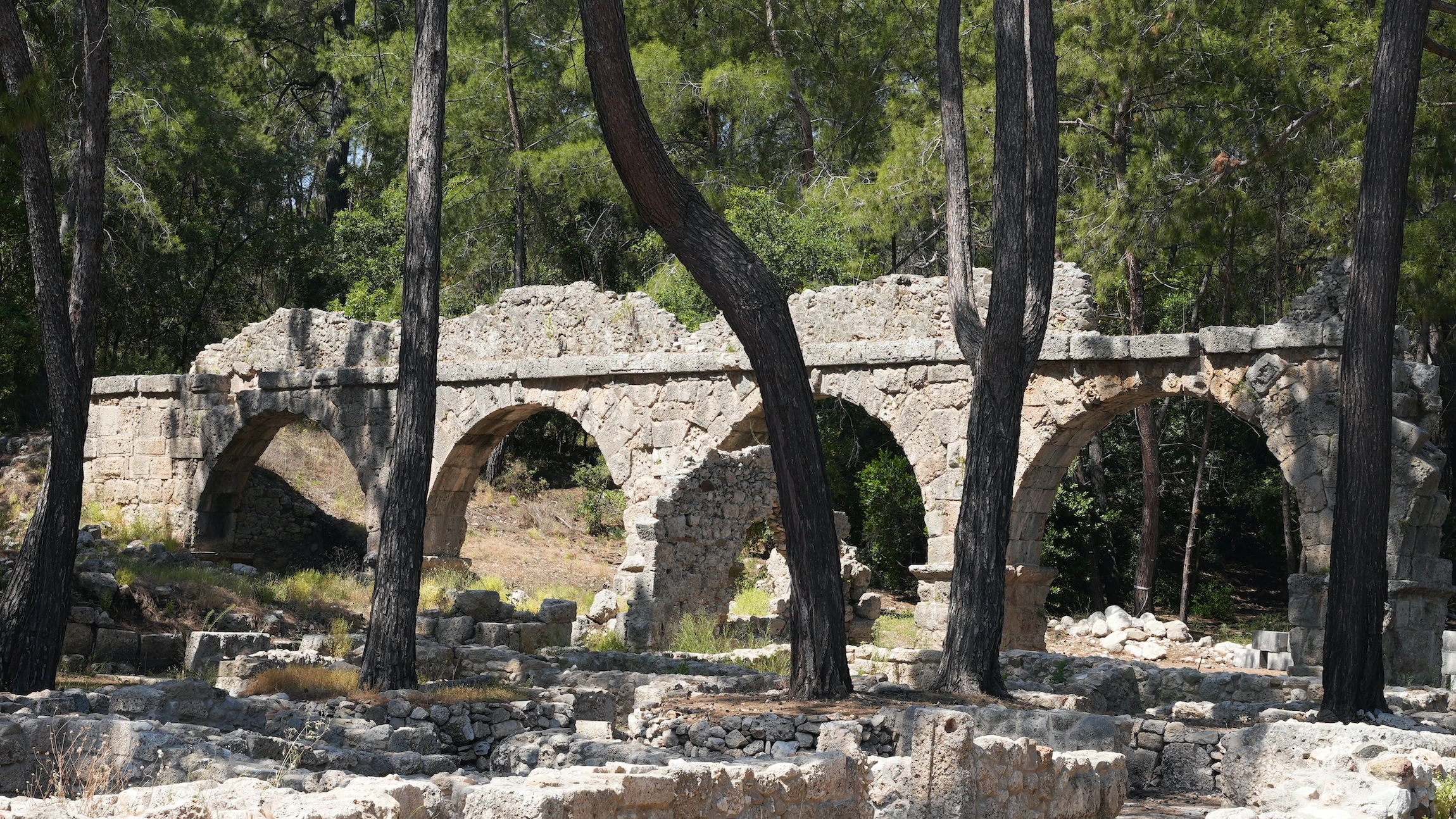
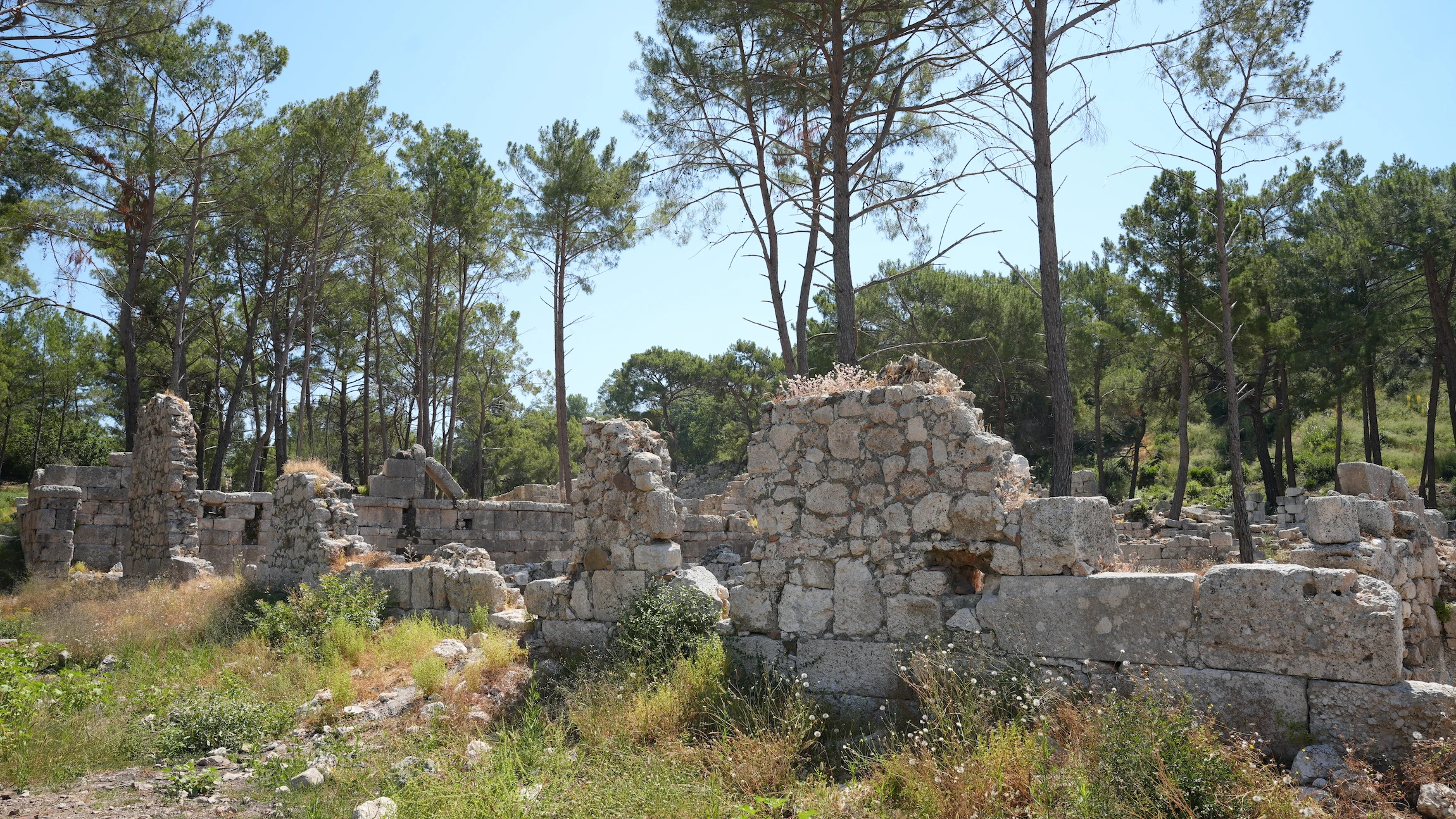
In Phaselis, an ancient port city founded around the 7th century BCE, columns, stone roads, and archaeological remains share the stage with nature and the Mediterranean as a backdrop. More than just visiting an archaeological site, walking its trails is to journey through a place where history still forms part of the landscape.
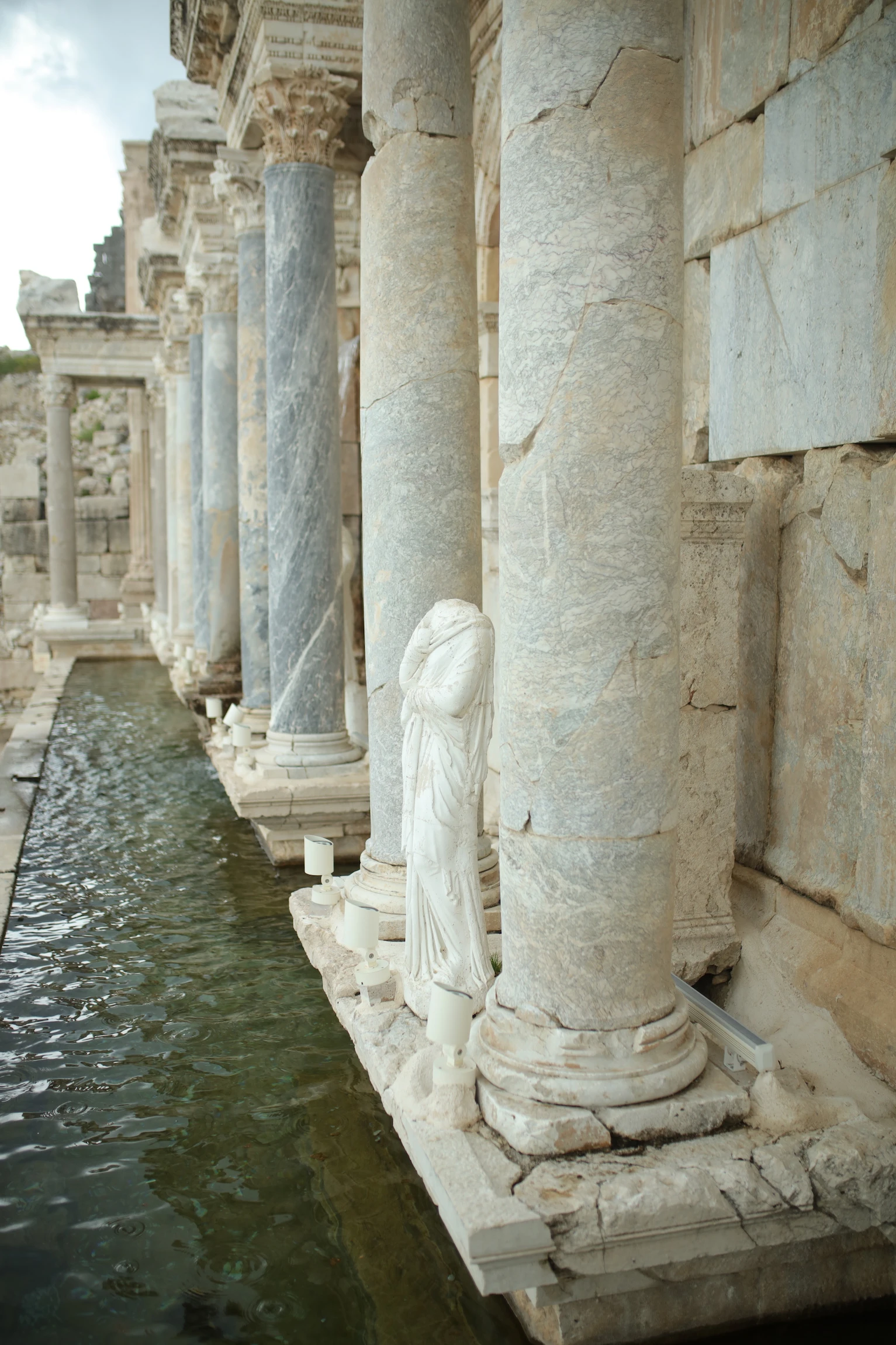
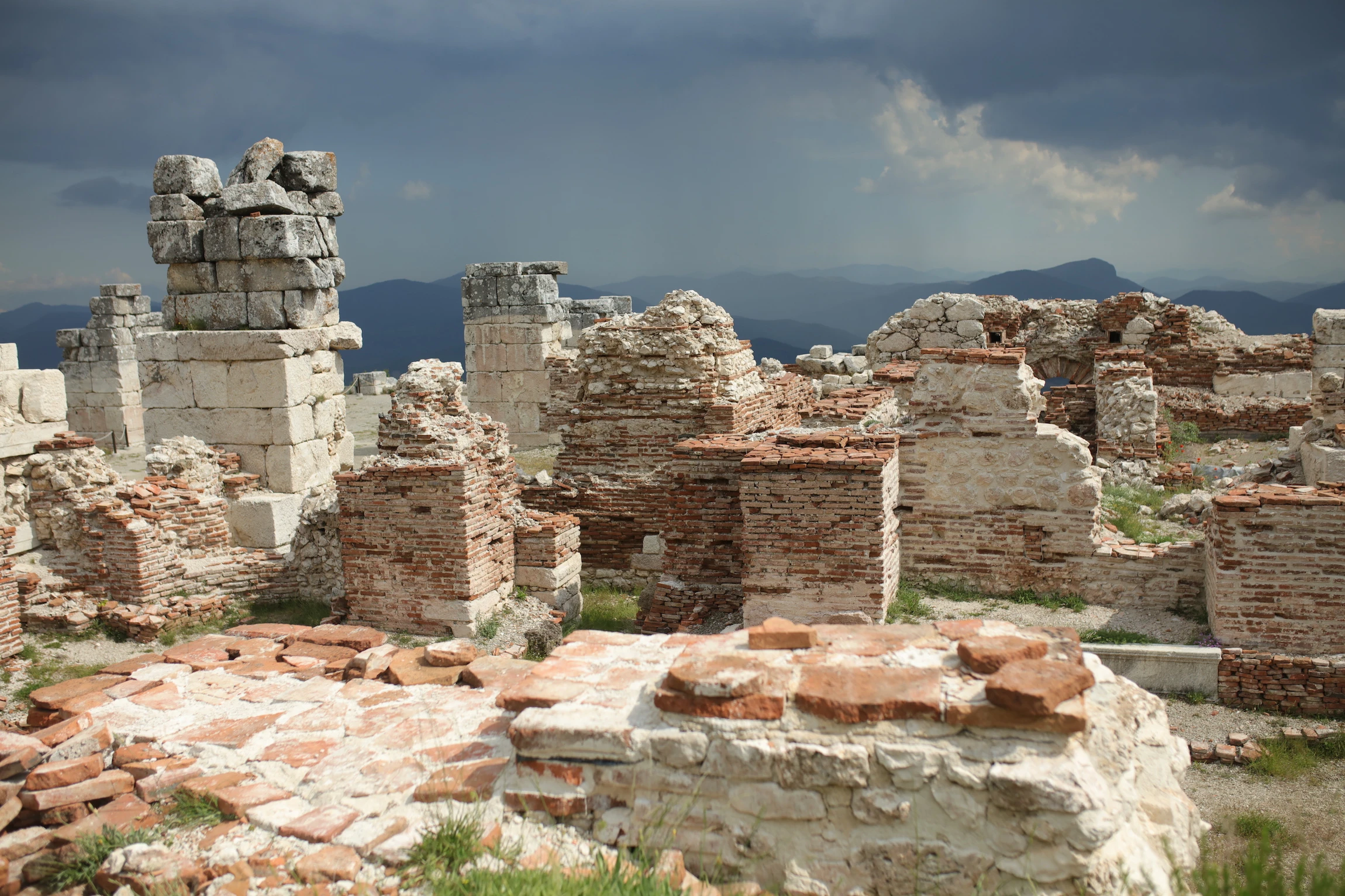
At over 1,500 meters above sea level, Sagalassos surprises with the preservation of its structures and with the sense of traveling back in time. This ancient city, once one of the key centers of Pisidia during the Roman era, preserves remains of temples, theaters, Roman baths and an imposing monumental fountain that still allows visitors to imagine the daily life of those who inhabited this place centuries ago.
Traveling Well Is Also Part of the Experience
After more than twenty hours of flights and layovers, arriving rested to enjoy the itinerary becomes a fundamental part of the experience. The Turkish Airlines Business Class offering lets you arrive with a different energy to take advantage of a schedule that, from day one, combines transfers, excursions and full days outdoors.
The journey begins before boarding, with lounge access at Estambul Airport: Turkish and international cuisine, rest areas and showers that make a long layover much more tolerable.

Once on the plane, comfort remains the main focus. The seats invite genuine rest during the flight, while the crew’s attention accompanies every moment of the journey with a dedication designed to enjoy the trip as much as the destination.
One of the major differentiators of Turkish Airlines is its onboard chef, charged with taking the culinary offering to the next level. A multi-course dinner, served with the timing and presentation of a restaurant, but ten thousand meters above the ground, reinforces the sense that the experience begins long before arriving at the destination.

In an itinerary where, in a few days, you go from the Mediterranean to the mountains, from ancient cities to natural landscapes, and from long outdoor days to new road journeys, each leg has its own charm. In that context, time on board also becomes part of the experience.

Isparta and Its Rose Fields
The journey continues and moves away from the coast. About three hours from Antalya, Isparta produces about 60% of the world’s rose oil. Every spring, for just a few weeks between May and June, the rose fields come to life from the early hours of the day: regional workers hand-harvest the Rosa damascena, chosen for its higher concentration of essential oils. An artisanal process that has remained nearly intact for decades.
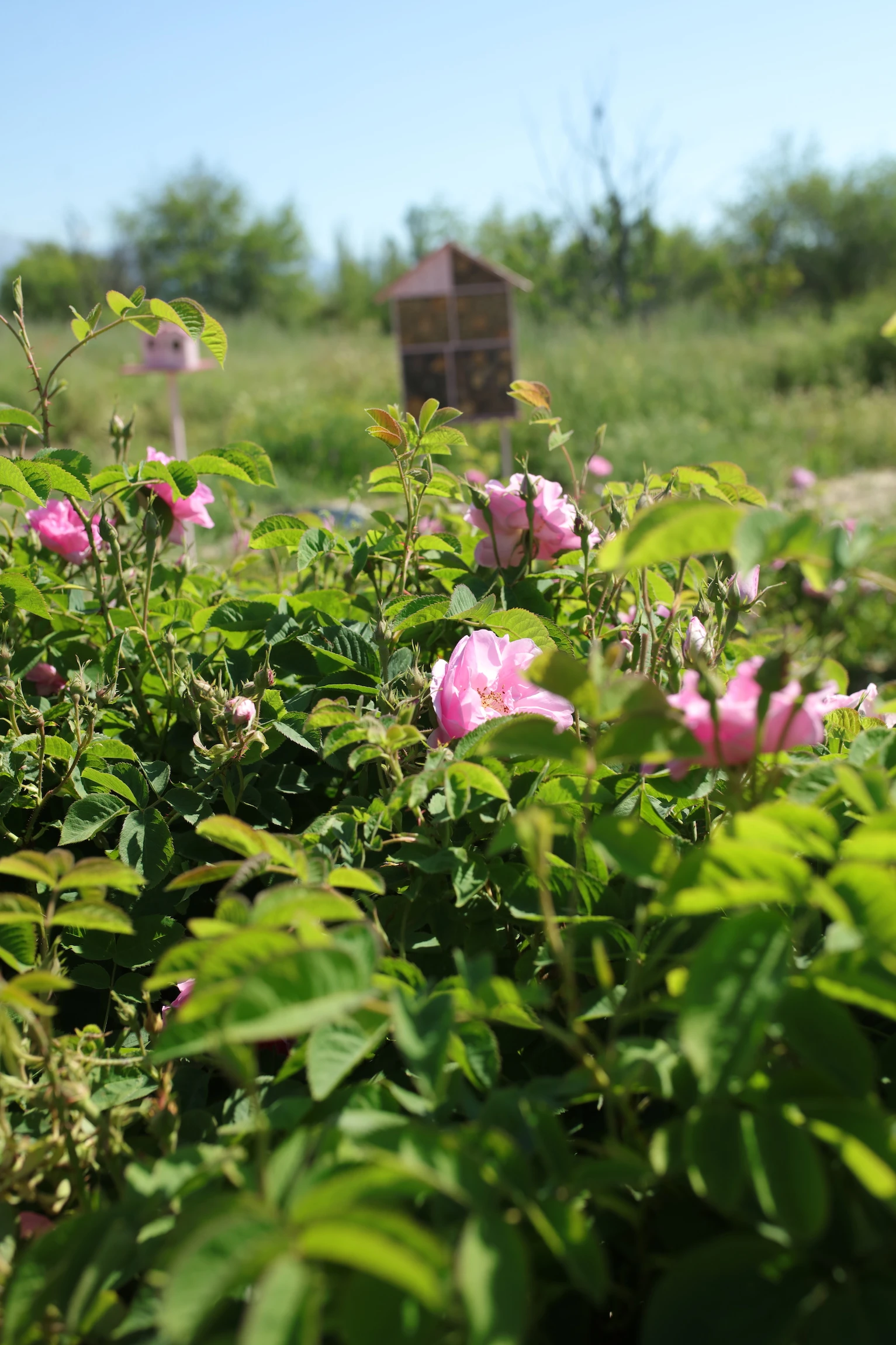
After harvest, the flowers enter almost immediately into the distillation process at regional facilities: timing is key, because the faster the oil is extracted, the higher its quality. Behind each drop there are countless petals and a labor that blends technique, precision, and cultural heritage.
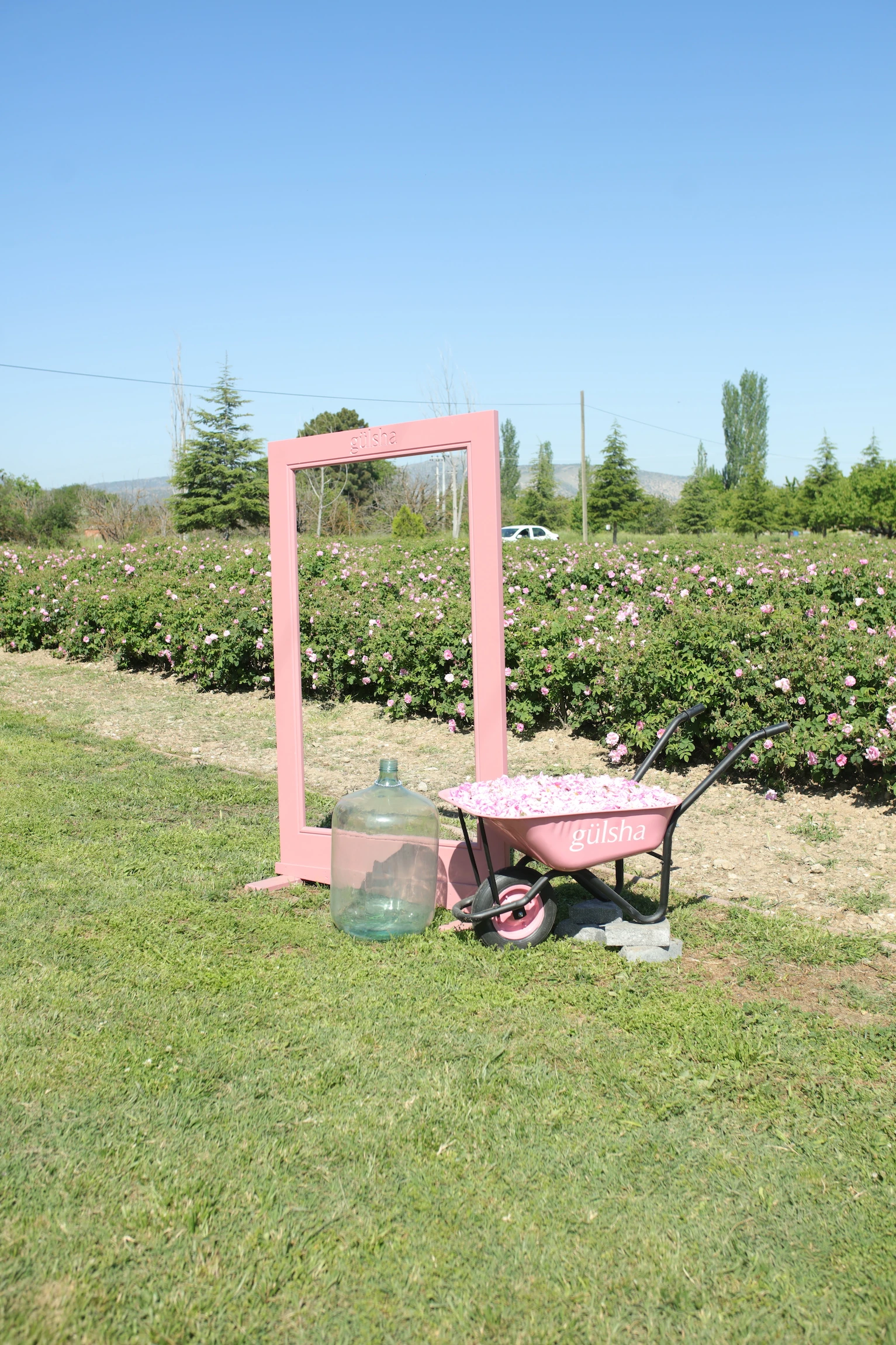
From the blue of the Mediterranean to the cities that keep the imprint of ancient civilizations, passing through fields where the damask rose blooms every spring, the south of Turkey invites you to discover a journey where each landscape tells its own story.