
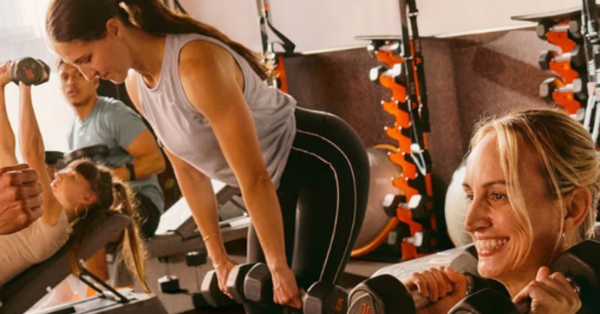
For a long time, the usual recommendation to combat sedentary behavior was simple: “Move, it doesn’t matter how, but do something”. Although any active stimulus is superior to inactivity, longevity medicine and a holistic view of health require us to take a step further. Today we know that to age with vitality, energy and fullness it is not enough to simply meet a repetitive quota of minutes on a treadmill or a stationary bike; the diversity of what we do plays a decisive role.
A revealing cohort study published in the prestigious The BMJ, conducted by the Harvard School of Public Health and tracking over 110,000 adults for three decades, provided robust scientific evidence: for the same amount of time and total exercise intensity, those who practiced a “varied menu” of physical activities showed up to a 19% additional reduction in mortality risk from all causes compared to those who confined themselves to a single discipline.
This finding is especially valuable for women who today juggle multiple responsibilities, cope with daily stress, and often feel guilty about not maintaining rigid routines. The good news is clear: the secret isn’t in chasing a single sport, but in the richness of stimuli with which we challenge the body.
The 5 pillars of movement variety
Why does the body respond so well to diversity? From a medical perspective, the human body is a dynamic system that benefits from adaptability:
- Muscle preservation and bone health: After around 40 years of age, the progressive loss of muscle mass and bone density becomes a central challenge. Combining strength or controlled-impact exercises with aerobic work protects the skeletal structure and supports metabolism.
- Joint protection: obsessively repeating the same movement pattern always overburdens the same cartilage and tendons. Variation allows certain tissues to rest and repair while others strengthen.
- Metabolic and cardiovascular efficiency: changes in pace and intensity optimize breathing capacity and improve insulin sensitivity, a fundamental pillar in preventing metabolic disorders.
- Neurocognitive stimulation and balance: the brain trains alongside the body. Learning new disciplines, coordinating different rhythms, or challenging posture stimulates neuroplasticity and preserves mental agility and balance.
- Adherence without monotony: repetitive routines often lead to dropping out. A flexible and varied plan makes exercise a sustainable and enjoyable habit over time.
An integrative approach: slowing premature aging
However, no training plan —however complete it may be— can compensate by itself for the consequences of an imbalanced lifestyle. In clinical practice we observe with concern a growing phenomenon: people who are chronologically young but whose bodies show signs of accelerated or premature aging.
This premature deterioration is not due to the simple passage of time, but to the quietly inflammatory environment in which we live. For physical activity to yield its true longevity benefits, it must be backed by conscious habits:
- Real nutrition vs. ultra-processed foods: it is essential to drastically reduce the consumption of ultra-processed foods, packed with sugars, additives and refined fats that trigger systemic inflammation at the cellular level. Real energy comes from real food: varied vegetables, high-quality proteins, essential nutrients and proper hydration.
- Rest as regenerative medicine: true cellular repair does not occur while we exercise, but while we sleep. Deep and restorative sleep is the body’s most potent antioxidant, indispensable for hormonal regulation and the restoration of the nervous system.
- Management of overload and stress: the pace of modern life keeps the body in a constant state of alert. Excess cortisol degrades muscle mass, disrupts metabolism and accelerates cellular wear. Taking breaks, reconnecting with nature and fostering spaces of tranquility are as important as the exercise routine.
Redefining our health means abandoning rigid prescriptions and demanding mandates. Longevity is not a fortuitous event, but the result of how we feed, move, and care for our bodies day by day. Varying movement, eating with awareness and respecting moments of rest is the most honest way to ensure a future with autonomy, energy and fullness.