
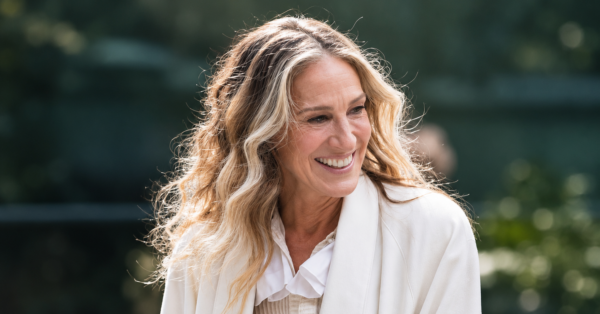
Letting grey hairs show doesn’t necessarily mean waiting months for all traces of dye to disappear. It also doesn’t require jumping from a uniform color to a completely grey mane overnight. Between these two extremes appears the grey blending, a technique that blends white strands with the rest of the hair through highlights, lowlights, and toning.
The difference from traditional coloring is that it doesn’t aim to erase the greys. It takes them as a starting point to build a color with different shades, less root contrast, and a more harmonious regrowth.
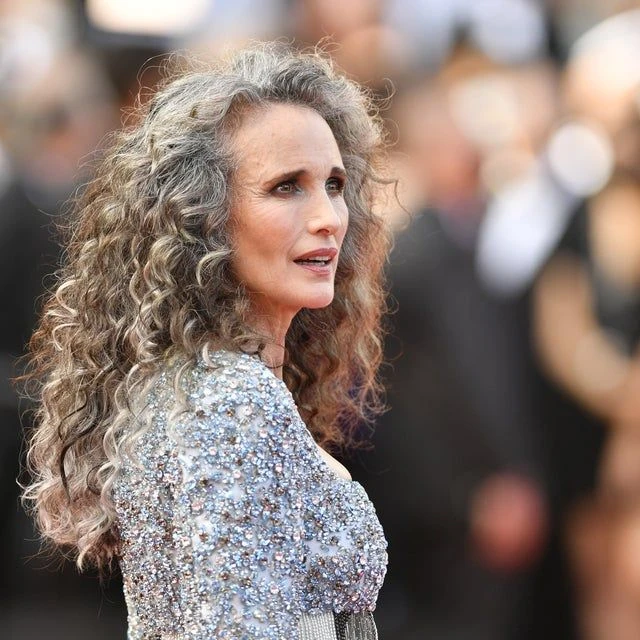
However, the result is not determined solely by the technique. The natural hair color completely alters the approach: while blondes can blend the greys with very subtle highlights, brunettes require a more gradual transition to avoid the mane looking overly lightened or artificial.
What is grey blending
The term can be translated as “grey blending.” To achieve it, the colorist combines natural greys with light highlights, ash reflections, lowlights, and toners.
The aim is to soften the line that separates the grey regrowth from the dyed or pigmented hair. In this way, salon visits can be spaced out and the roots no longer look like a block of contrasting color.
There is no single formula. The design must take into account:
- The natural hair color.
- The percentage of greys.
- The areas where greys are concentrated.
- The presence of previous dyes.
- The condition and porosity of the fiber.
- The desired result: cool, warm, silver, or more natural.
Grey blending for blondes: babylights and pearly highlights
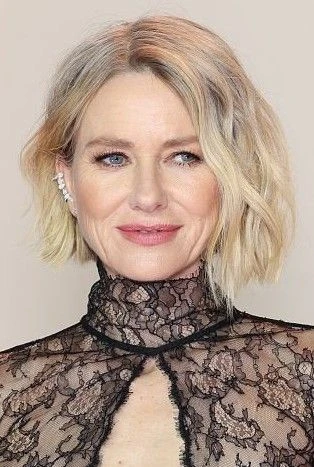
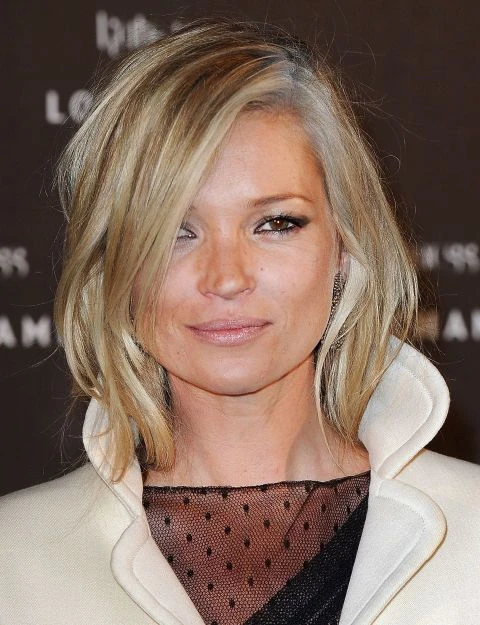
Blonde bases are usually the easiest to integrate because there is less contrast between the natural color and the greys.
In these cases, you can create very fine babylights in beige, pearl, champagne, or ash tones. The highlights blend with the white hairs and create a soft transition, without the need to lighten the entire mane.
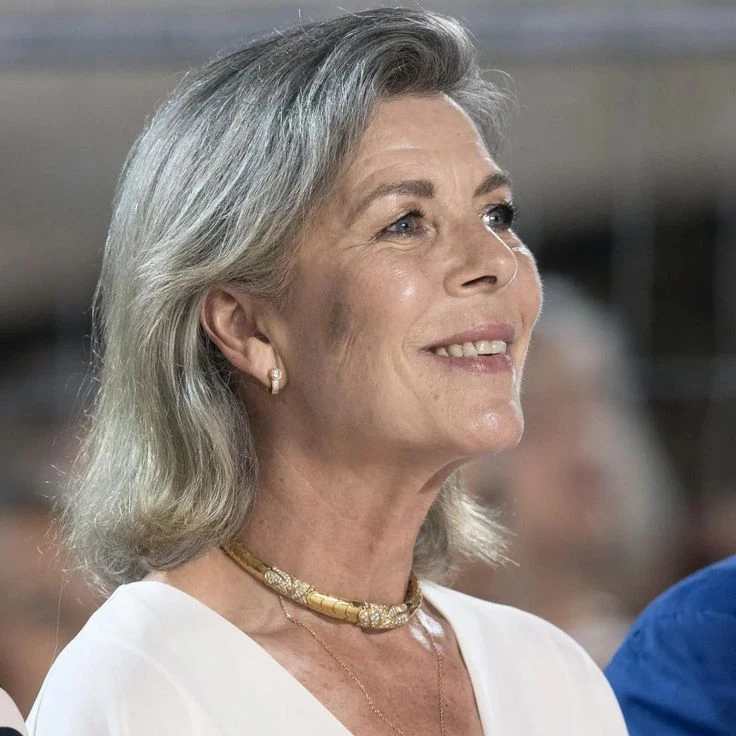
When the blonde looks too flat, the colorist can also incorporate some lowlights. These slightly darker strands add depth and prevent the hair from losing dimension.
The techniques that work best
- Fine babylights from the roots.
- Herringbone highlights.
- Pearly or cool beige highlights.
- Soft lowlights to add depth.
- Toning to balance yellowish areas.
Blondes should pay special attention to toners. The purple shampoo can help neutralize yellow reflections, but using it excessively could dry the hair or leave lilac patches on the more porous areas.
Grey blending for brown hair: a mix of lights and shadows
On brown hair, grey blending requires a more strategic approach. If all the highlights are lightened too much, there is a risk of turning the mane into an artificial blond that doesn’t integrate with the base color.
The most flattering option is typically to combine fine ash or beige highlights with lowlights that are close to the natural shade. This way, the greys are distributed visually within the color without losing the depth inherent to brown.
Highlights can also be concentrated in areas where more white hairs appear, such as the temples, around the face, or along the part.
The techniques that work best
- Ashy babylights.
- Herringbone highlights.
- Inverted balayage.
- Lowlights in hazelnut or cool brown tones.
- Localized lighting around the face.
To look natural, not all greys should turn into light strands. The most modern effect arises from the coexistence of the grey, the base tone, and some intermediate reflections.
Grey blending for morenas: a gradual transition
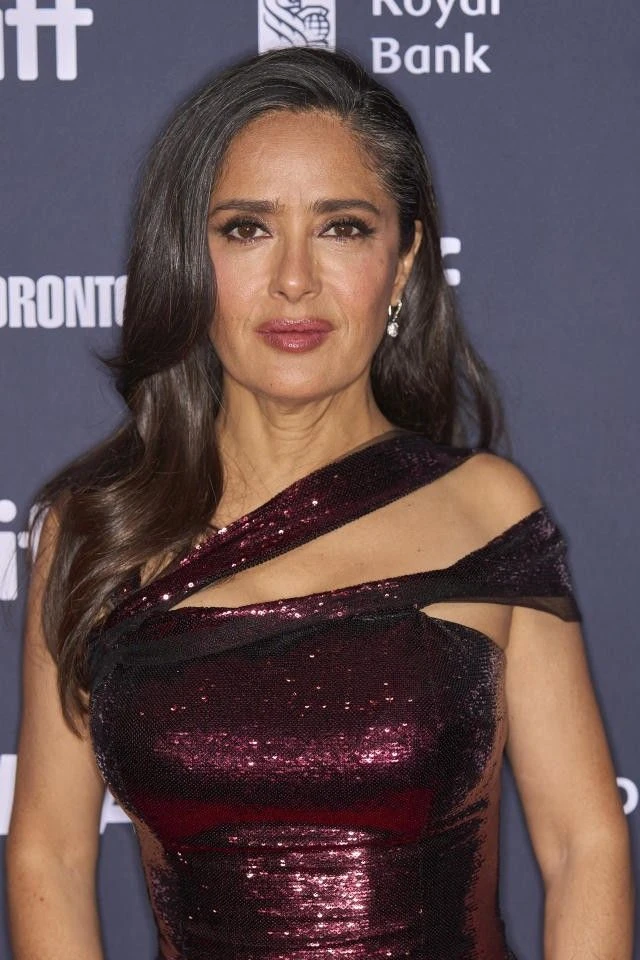
In very dark hair, greys create a more noticeable contrast. Therefore, attempting to take the whole mane to grey in a single session may require intensive bleaching and risk compromising the fiber’s quality.
The best strategy is usually to build the transition gradually. The colorist can start with very fine highlights in smoke, graphite, or cool brown tones, placed especially in the areas with the highest concentration of greys.
Another option is to keep the dark base and work a salt-and-pepper effect, letting the white hairs act as natural light points.
The techniques that work best
- Fine highlights in smoke or graphite tones.
- Localized highlights at the temples and contour.
- Lowlights to connect the greys with the base.
- Progressive grey blending across several sessions.
- Salt-and-pepper effect.
In brown bases, the goal doesn’t always have to be a silvery gray. Often, the most elegant result is to soften the contrast without eliminating the depth of the dark hair.
What happens if the hair is dyed
Color history is as important as the natural shade. Hair that has been darkened with dye for years does not respond the same as a virgin base, even if they visually seem similar.
To reach grey blending, it may be necessary first to remove artificial pigments or lighten certain sections. The process should be gradual to avoid weakening the fiber.
In some cases, it is advisable to start with very subtle highlights, wait for growth, and adjust the color across several sessions. The transition can take months, especially when there is a large difference between the dye and the grey root.
The amount of greys also defines the technique
The baseline color guides the procedure, but it is not the only important factor. The percentage and distribution of greys can modify the choice.
- With few greys: you can add pinpoint reflections to accompany them without changing the entire color.
- With greys concentrated at the temples: it is advisable to work the facial contour and avoid global coloration.
- With greys distributed irregularly: herringbone highlights help create a more organic blend.
- With a majority of grey hair: you can incorporate lowlights to recover depth and dimension.
Grey blending warm or cool: not everything has to be silver
One of the most common mistakes is thinking that all greys must be toned in cold gray. The right hue also depends on skin tone, eye color, and the natural color of the hair.
Blonde bases can look enhanced by beige, champagne or pearl reflections. Browns can incorporate hazelnut, taupe, or soft ash tones. For brunettes, smoky, graphite, and cool brown tones work well.
The best grey blending isn’t necessarily the most grey: it’s the one where the greys seem to be part of the color design.
How to maintain grey blending at home
Although it allows spacing out root touch-ups, this technique does not completely eliminate maintenance. To keep the color luminous, it is advisable to:
- Use a gentle shampoo.
- Alternate your regular shampoo with a purple one when yellow reflections appear.
- Apply conditioner with every wash.
- Do a weekly hydrating mask.
- Use heat protection.
- Protect the hair from sun exposure.
- Perform gloss treatments or toning when the color loses its freshness.
Grey blending does not propose hiding the passage of time or imposing the obligation to let your grey hairs show. It offers a middle ground: the possibility of integrating them in a personalized, gradual, and much easier to maintain way.