
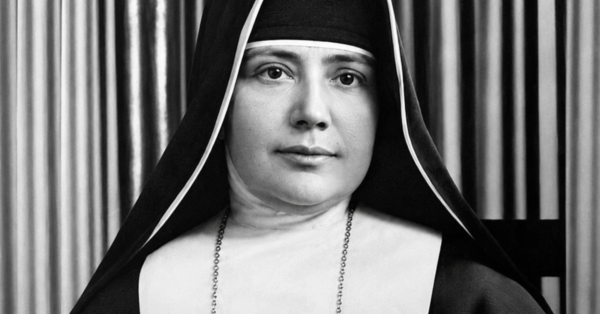
During the meeting between Pope Leo XIV and the Argentine youth, held this Tuesday, November 10, at the Monument to the Spaniards in Buenos Aires, one of the participants mentioned Saint Nazaria Ignacia. Her name once again brought to the forefront the story of a Spanish nun who left a deep mark in the Buenos Aires neighborhood of Villa Pueyrredón, dedicated her life to the most in need, and was canonized by Pope Francis in 2018. Who was this woman and what are the two miracles that led her to become a saint?
Her name is Nazaria Ignacia March Mesa, a religious sister born in Spain who traveled across Latin America, founded a congregation, defended the dignity of working women, and found in Argentina one of the final homes of her life.
Known as Mother Nazaria, she is a figure especially beloved by those who continue her religious and social mission.
On October 14, 2018, Pope Francis canonized her in a ceremony held at the Vatican. Her recognition came after a long process in which the Catholic Church examined two cures considered miraculous and attributed to her intercession.
But behind those miracles lies a much broader story: of a woman who understood that faith should also be expressed through concrete actions.
Who is Saint Nazaria Ignacia and How Her Story Began
Nazaria Ignacia March Mesa was born on January 10, 1889, in Madrid, Spain, into a large family. From a very young age she displayed a profound religious vocation. Her life, however, was marked by changes and the financial difficulties of her family. In 1906, her family emigrated to Mexico, where Nazaria found the path that would define her future.
Two years later she joined the Congregation of the Little Sisters of the Desamparados, a community devoted especially to caring for elderly people who lacked resources and companionship. In 1912 she was sent to Oruro, Bolivia, where she stayed for about twelve years.
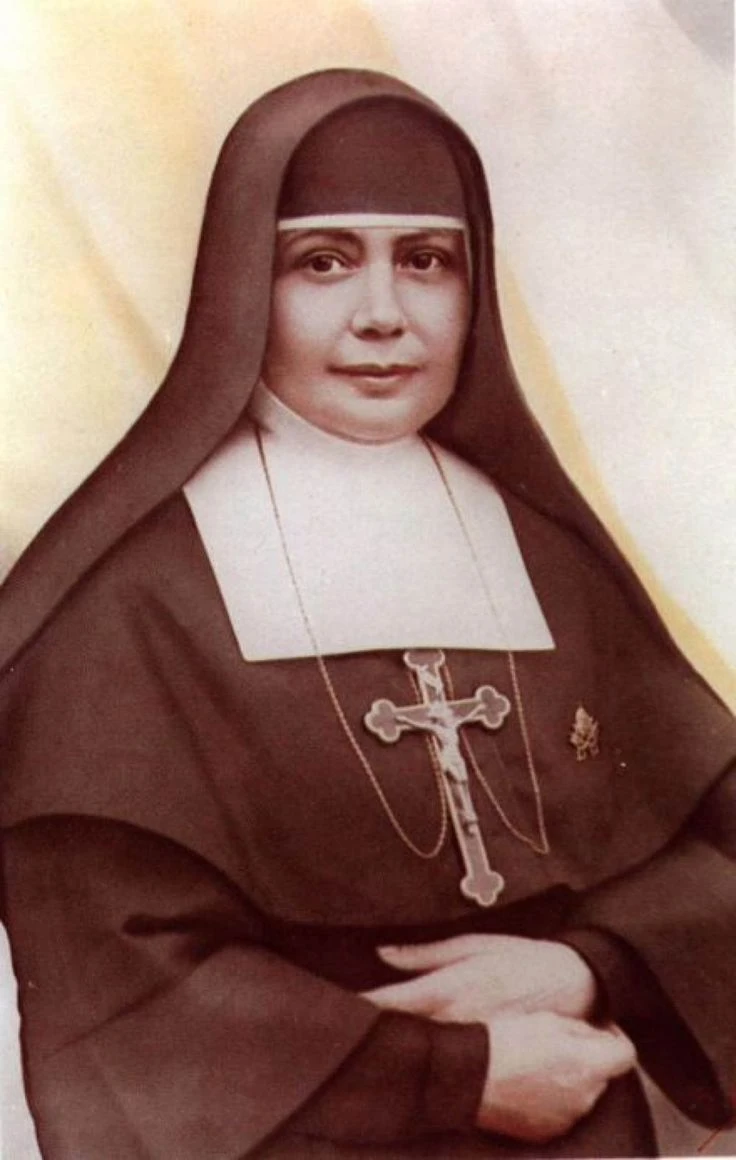
There she worked alongside abandoned elderly people and intimately encountered the poverty of the most vulnerable communities. That experience transformed her view of religious mission.
Nazaria began to understand that it was not enough merely to assist those who suffered: it was also necessary to provide education, work skills, and opportunities to improve their living conditions.
The Religious Sister Who Founded a Congregation to Help the Neediest
In 1920, during a period of spiritual exercises, Nazaria felt compelled to undertake a new mission. Her desire was to create a religious community that could bring the Christian message to the most vulnerable, while also addressing their daily needs.
In June 1925 she left the congregation to which she belonged and began to build her own project. Thus emerged the community that would later be named the Cruzeadas de la Iglesia Missionaries. Her work expanded to assisting the poor, educating children and adults, accompanying the sick and prisoners, and promoting opportunities for women.
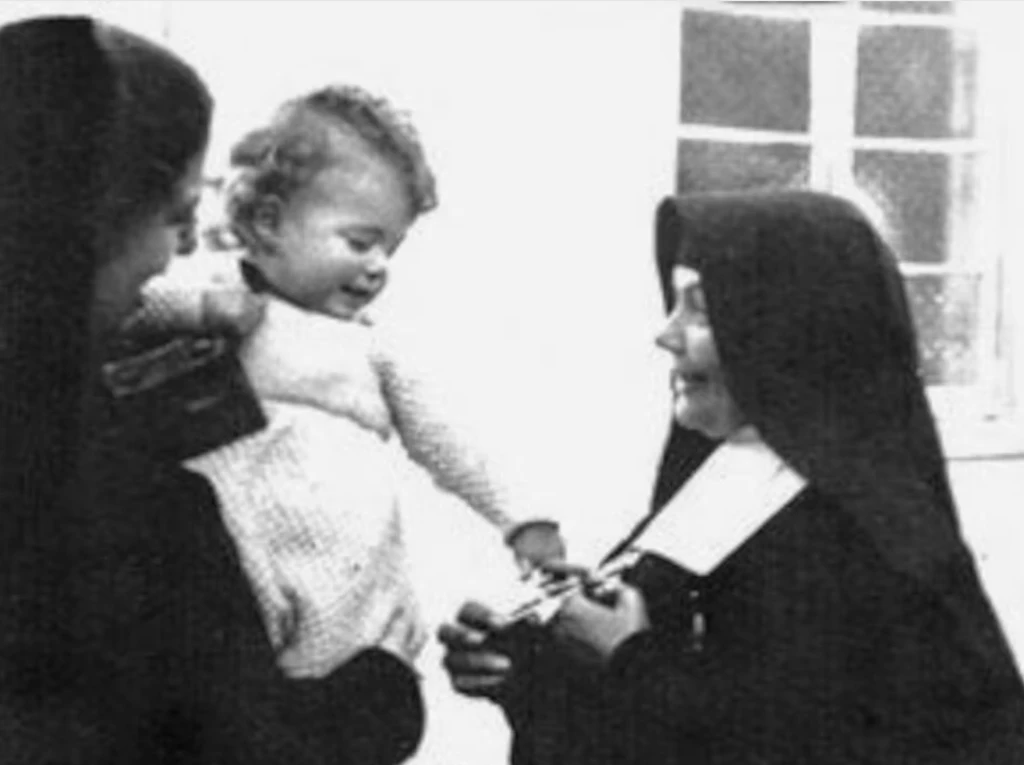
The congregation expanded to Bolivia, Argentina, Uruguay, and Spain, and over time reached other countries. Nazaria thus became a reference for a way of living faith that combined spirituality with social commitment.
A Woman Ahead of Her Time: Her Fight for the Rights of Working Women
One of the most remarkable aspects of Nazaria Ignacia’s story is her commitment to working women. In Bolivia she encouraged the organization of women from popular sectors so that they could defend their rights and improve their working conditions. In the 1930s she promoted the creation of a female labor union, considered a pioneer in the country.
Her aim went beyond offering financial aid. She sought to give women tools to build a more dignified life, access to job opportunities, and active participation in society.
In a time when possibilities for female independence were far more limited, that initiative represented a transformative decision. For Nazaria, work, education, and human dignity were part of a single mission.
Saint Nazaria Ignacia and Her Special Bond with Villa Pueyrredón
Nazaria Ignacia’s story also has a pivotal chapter in Buenos Aires. In 1930 she promoted the opening of a house of her congregation in Villa Pueyrredón, the first outside Bolivia. Over time, that space became a meeting place, a place of assistance and accompaniment for the neighborhood’s residents.
Nazaria also lived there and continued to develop her religious mission. According to historical testimonies from people connected to the community, it was common for her to visit the sick, speak with families, and offer help to those going through difficulties.
Her closeness to the neighbors left a deep mark. For many people, she was not only a religious sister but someone willing to listen, accompany, and provide comfort. Therefore, with the years she began to be remembered as a very special figure for Villa Pueyrredón.
Her legacy remains linked to the neighborhood’s religious and community life, especially through the Missionaries Cruzadas de la Iglesia and the House of Prayer that preserves her memory.
The Two Miracles Attributed to Saint Nazaria Ignacia
The Catholic Church recognizes two extraordinary cures attributed to Nazaria Ignacia’s intercession. These cases were fundamental in her path to beatification and, subsequently, to canonization.
The First Miracle: the Recovery of a Villa Pueyrredón Neighbor
The first case is directly linked to Buenos Aires. In 1964, Agustina Ortiz de Jiménez, a neighbor of Villa Pueyrredón, faced grave health complications after giving birth. Her condition was delicate and she remained hospitalized at Hospital Pirovano.
Given the seriousness of the situation, nuns from the congregation founded by Nazaria came to accompany her and brought a relic associated with Mother Nazaria. According to the testimonies gathered during the religious process, the woman experienced a sudden recovery that was attributed to Nazaria Ignacia’s intercession. The Church recognized that healing as miraculous, a crucial step toward her beatification.
The Second Miracle: a Sister Regained Speech After a Stroke
The second case occurred in Bolivia, in October 2010. María Victoria Azuara, a Spanish nun belonging to the Missionaries Cruzadas de la Iglesia, suffered a stroke that severely affected her ability to speak and move. She was 82 years old and her prognosis was very delicate.
Her fellow sisters began to pray asking for Nazaria Ignacia’s intercession, who at that time had already been beatified. According to the community’s testimony, twelve days after the incident María Victoria began to recover her speech and other functions that had been impaired.
Her progress was regarded as extraordinary and the case was subjected to an ecclesiastical investigation. In January 2018, Pope Francis authorized the recognition of this miracle, which made it possible to advance toward the canonization of Nazaria Ignacia.
When Was Saint Nazaria Ignacia Canonized by Pope Francis
Nazaria Ignacia’s path to sainthood spanned several decades. She was beatified on September 27, 1992, by Pope John Paul II. Years later, after the recognition of the second miracle attributed to her intercession, the steps necessary for her canonization were completed.
Finally, on October 14, 2018, Pope Francis proclaimed her a saint during a ceremony held in St. Peter’s Square in the Vatican. That day, other important figures in Church history were canonized, including Óscar Romero and Paul VI.
For communities connected to Nazaria, especially in Bolivia and Argentina, it was a deeply emotional event. Her recognition celebrated not only her religious life but also decades of work alongside the poor, women, and those who most needed companionship.
Where Her Remains Rest and How Saint Nazaria Ignacia Is Remembered
Nazaria Ignacia died on July 6, 1943 in Buenos Aires, at the age of 54. Her remains stayed for a time in Argentina, until 1972 when they were moved to Oruro, Bolivia, where a fundamental part of her mission had taken shape. Her liturgical memory is celebrated each July 6, the date of her death.
In Buenos Aires, Villa Pueyrredón maintains a particularly special link to her history. At 5848 Constituyentes Avenue sits the House of Prayer and the space dedicated to preserving her memory.
She is also linked to the history of the Cristo Rey parish, located at Zamudio 5551. For those who wish to know her legacy, these spaces represent a way to approach a story that unites Buenos Aires with Bolivia and with the Church around the world.
The Legacy of a Saint Who Understood Faith as a Way to Help
Saint Nazaria Ignacia’s story goes far beyond the two miracles recognized by the Church. Her life was marked by decisions far from the norms of her era: she crossed continents, founded a congregation, promoted the organization of workers, and dedicated much of her life to accompanying those living in poverty.
In her later years she found in Buenos Aires a place from which to continue that mission.
And although she died more than eight decades ago, her name remains alive among those who continue her work.
Saint Nazaria Ignacia is remembered as a woman who turned her faith into action, who believed in the dignity of the most vulnerable, and who left an indelible mark in Villa Pueyrredón.
A story that demonstrates how a personal vocation can be transformed into a legacy capable of spanning generations.