
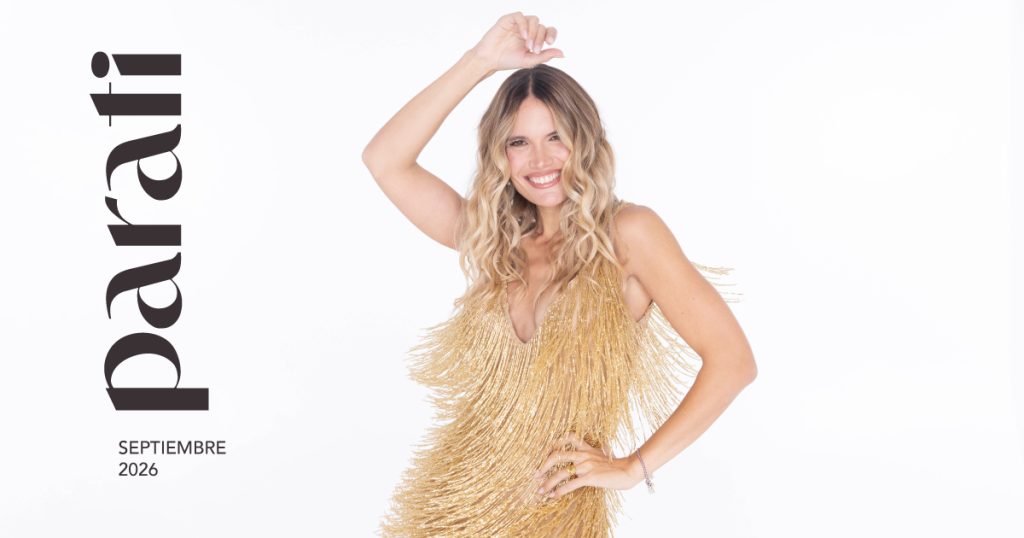
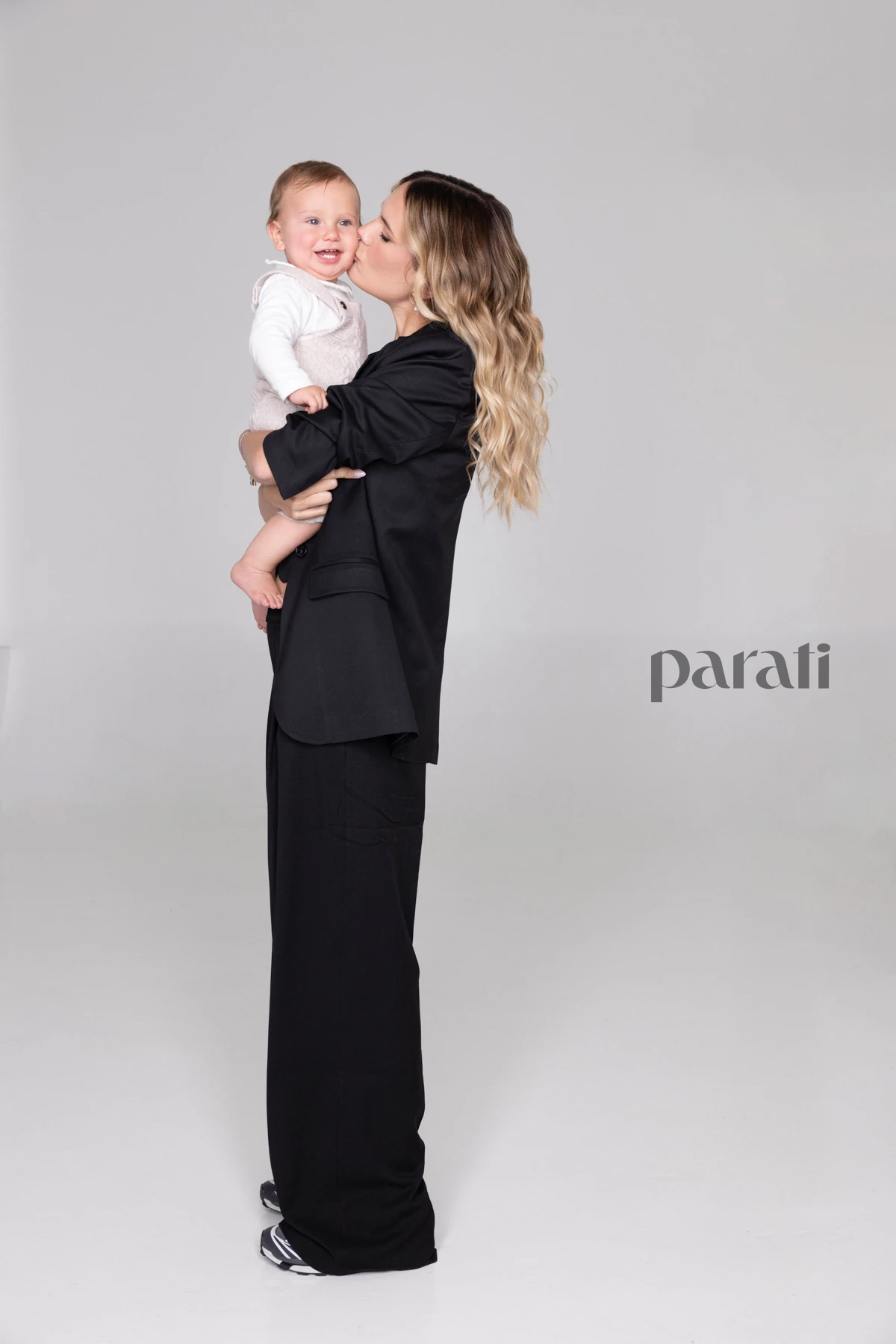
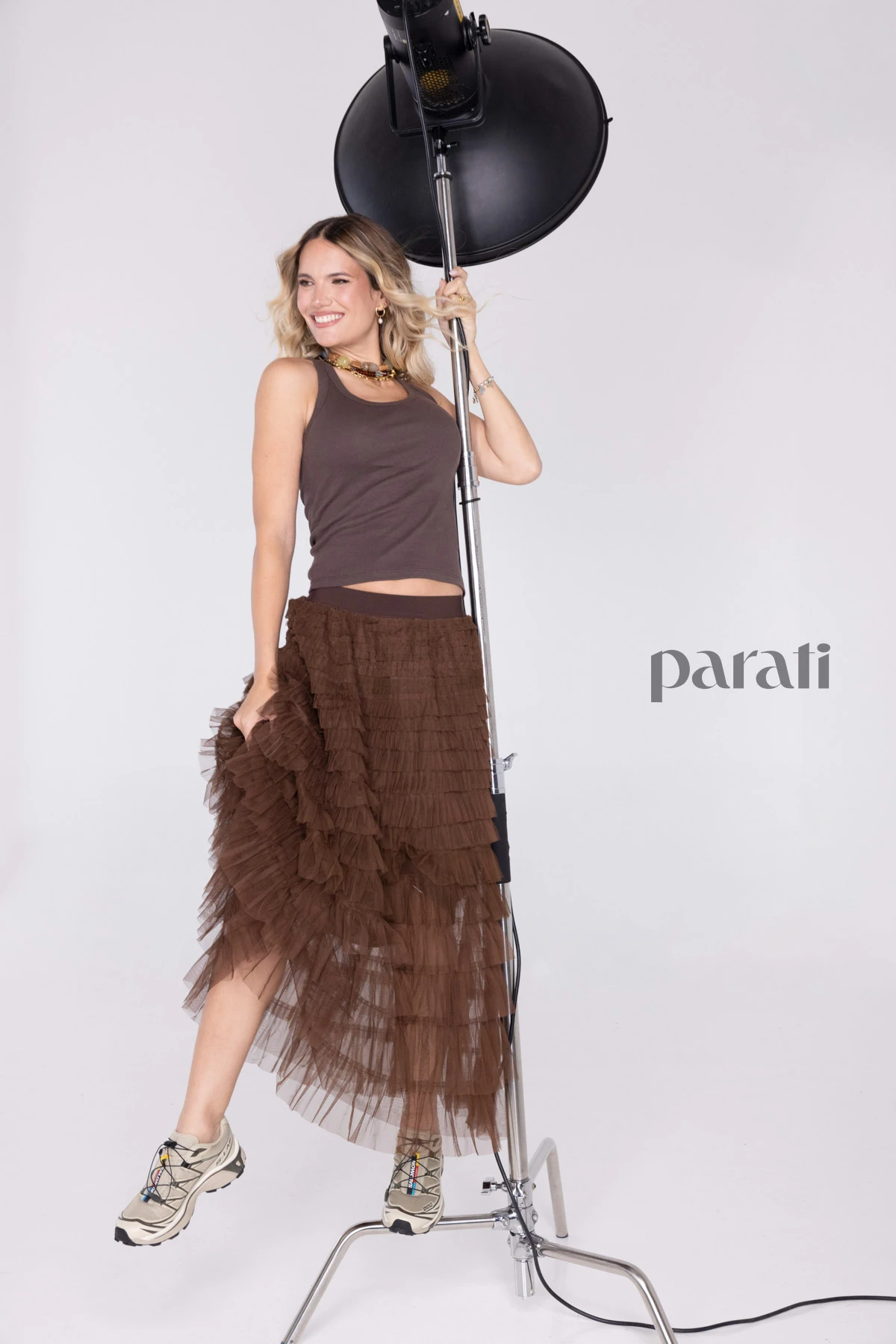
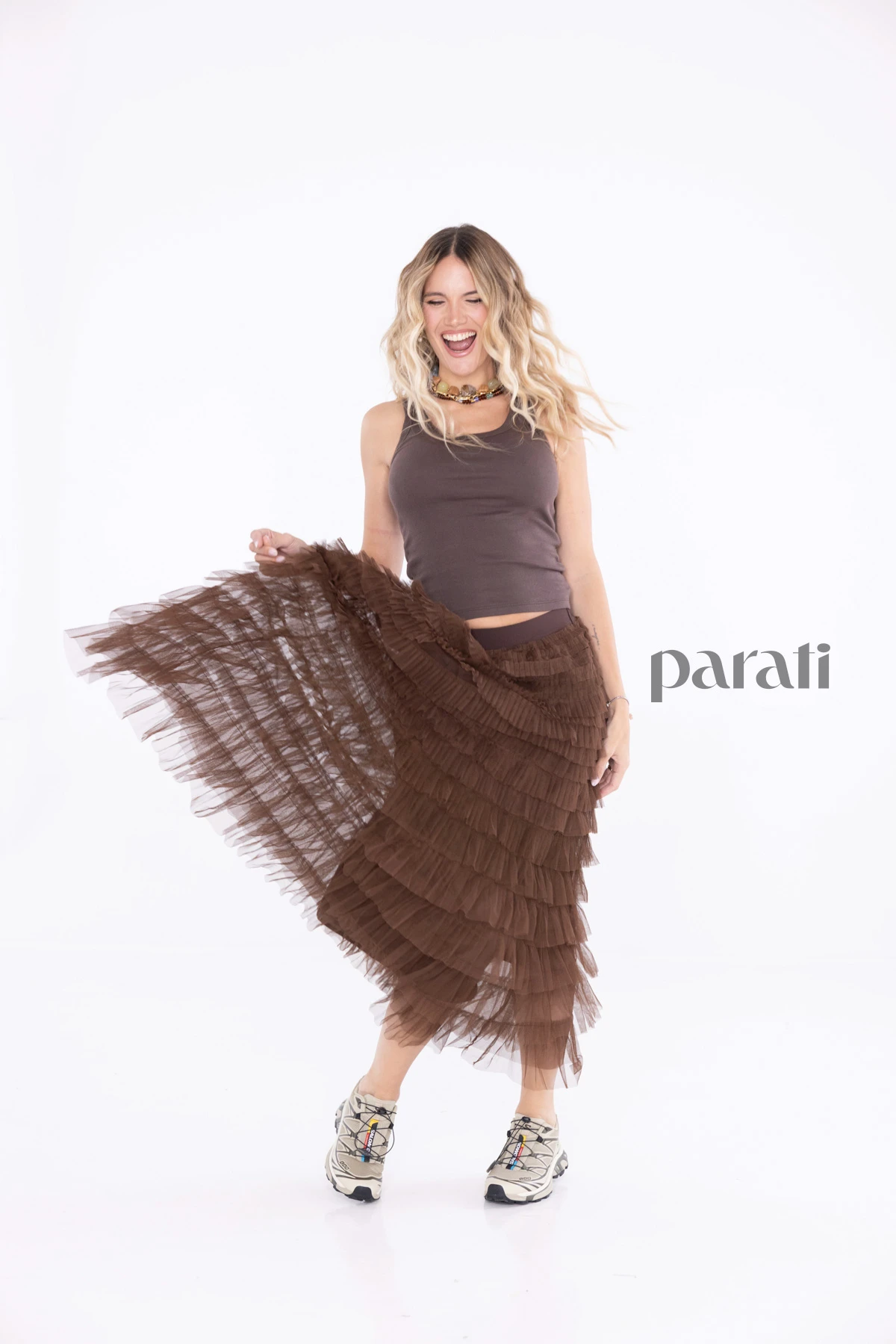
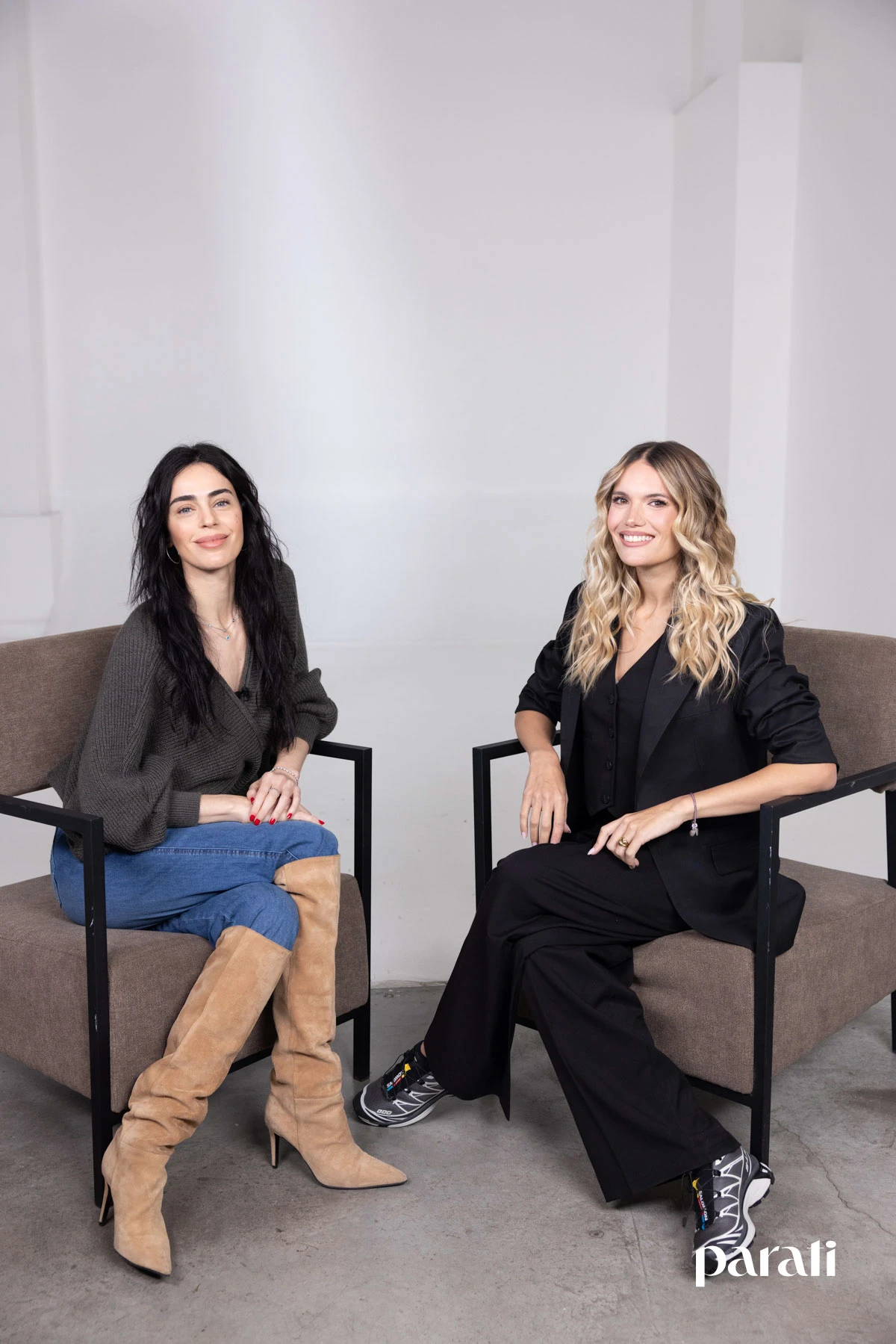
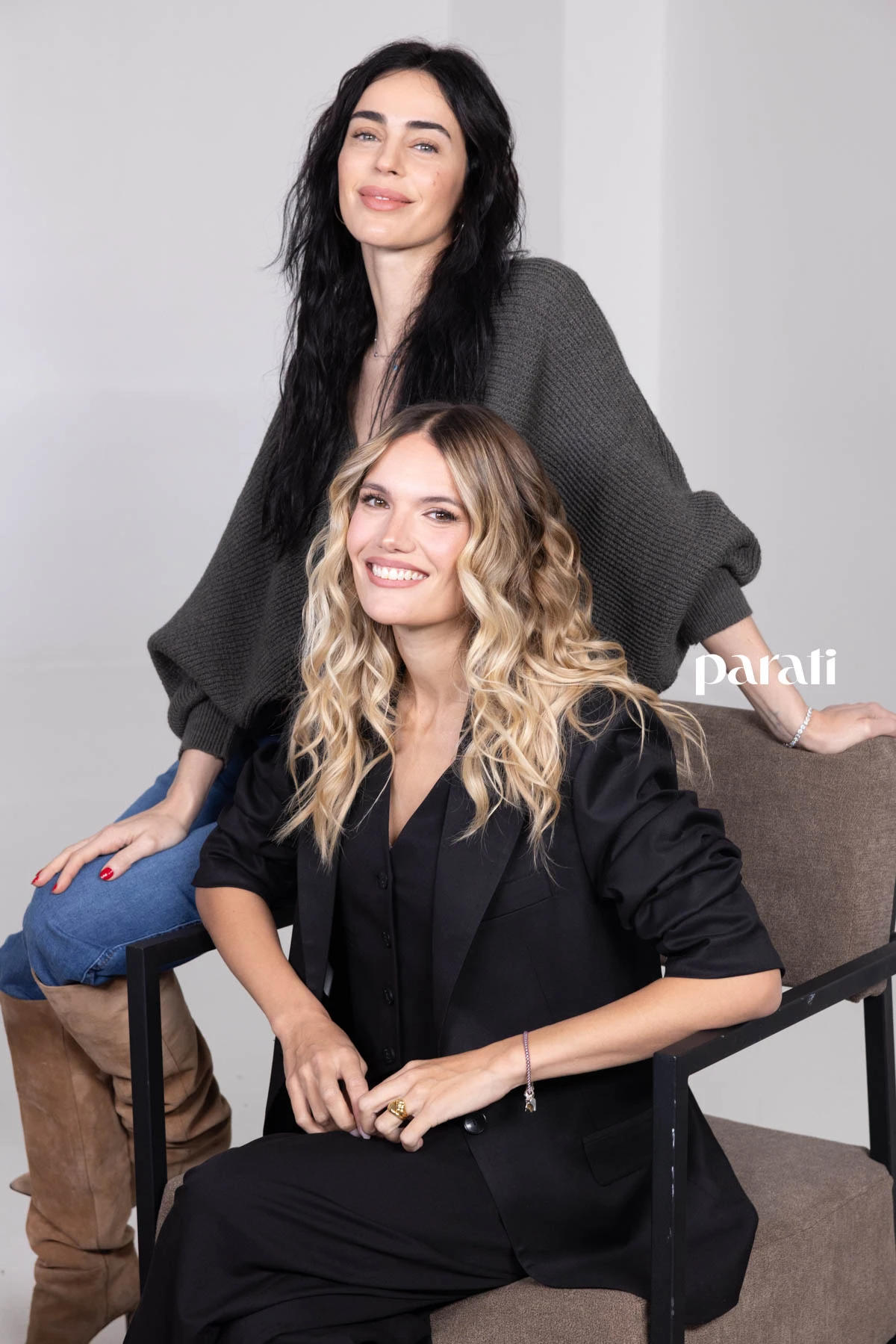
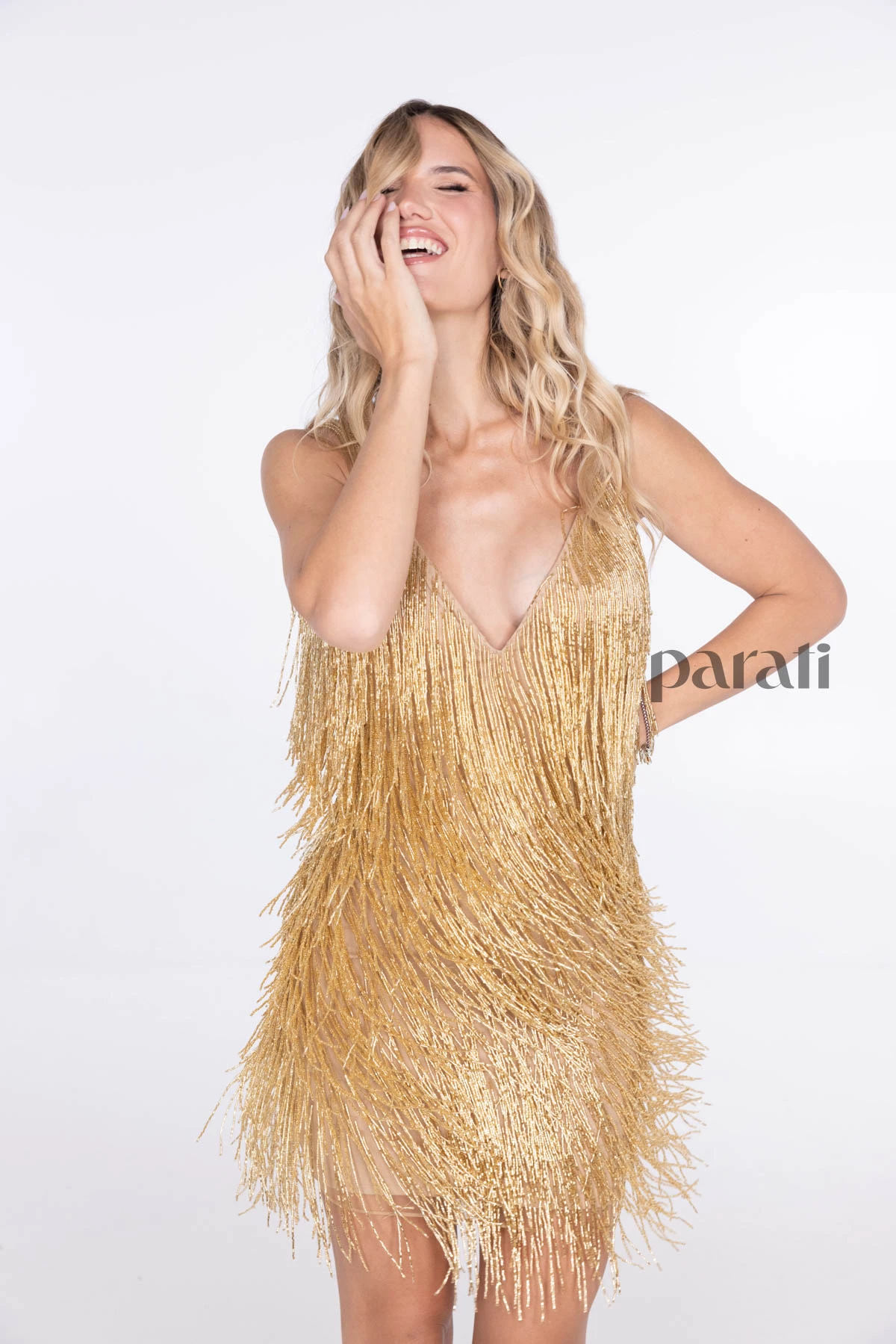
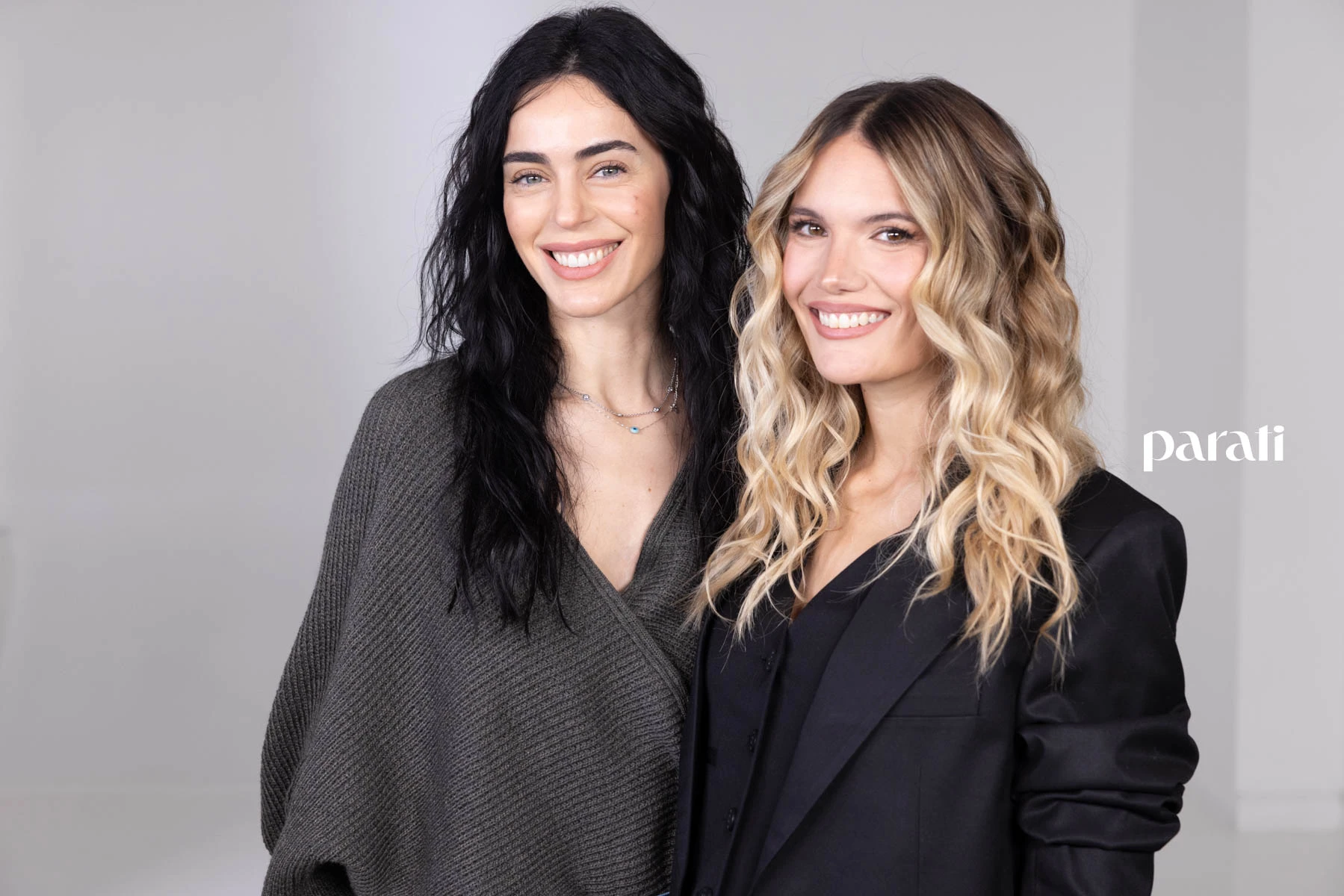
Eva Bargiela returns to the publishing house that is part of her history. Nearly 20 years ago, when she was still a teenager, she started her first productions for Para Teens and Para Ti Tejidos. Today she comes back to Para Ti as the centerpiece of a conversation woven through her present family life: alongside Gianluca Simeone and his son Faustino, who is already 9 months old and has visited the publishing house for the second time.
“I started working at 14 and my first productions were Para Teens, Para Ti Tejidos. My first production was when they were over there on Azopardo Street, a long time ago, when my mom would take me and accompany me to the shoots,” recalls.
And she explains why she maintains such a special bond with the publishing house: “I always have a special affection. Whenever they call me from Para Ti to do something, it’s very hard for me to say no. Even if I don’t have time, whatever it is, I always try to do it because it’s like a small piece of my heart.”
This time, moreover, the visit has a special guest: Faustino. “It’s Faustino’s second time at the publishing house. We came for Valentine’s Day, we did something here like a bit of a couple’s game and he came with us. He is 9 months old and has already been to the publishing house twice.”
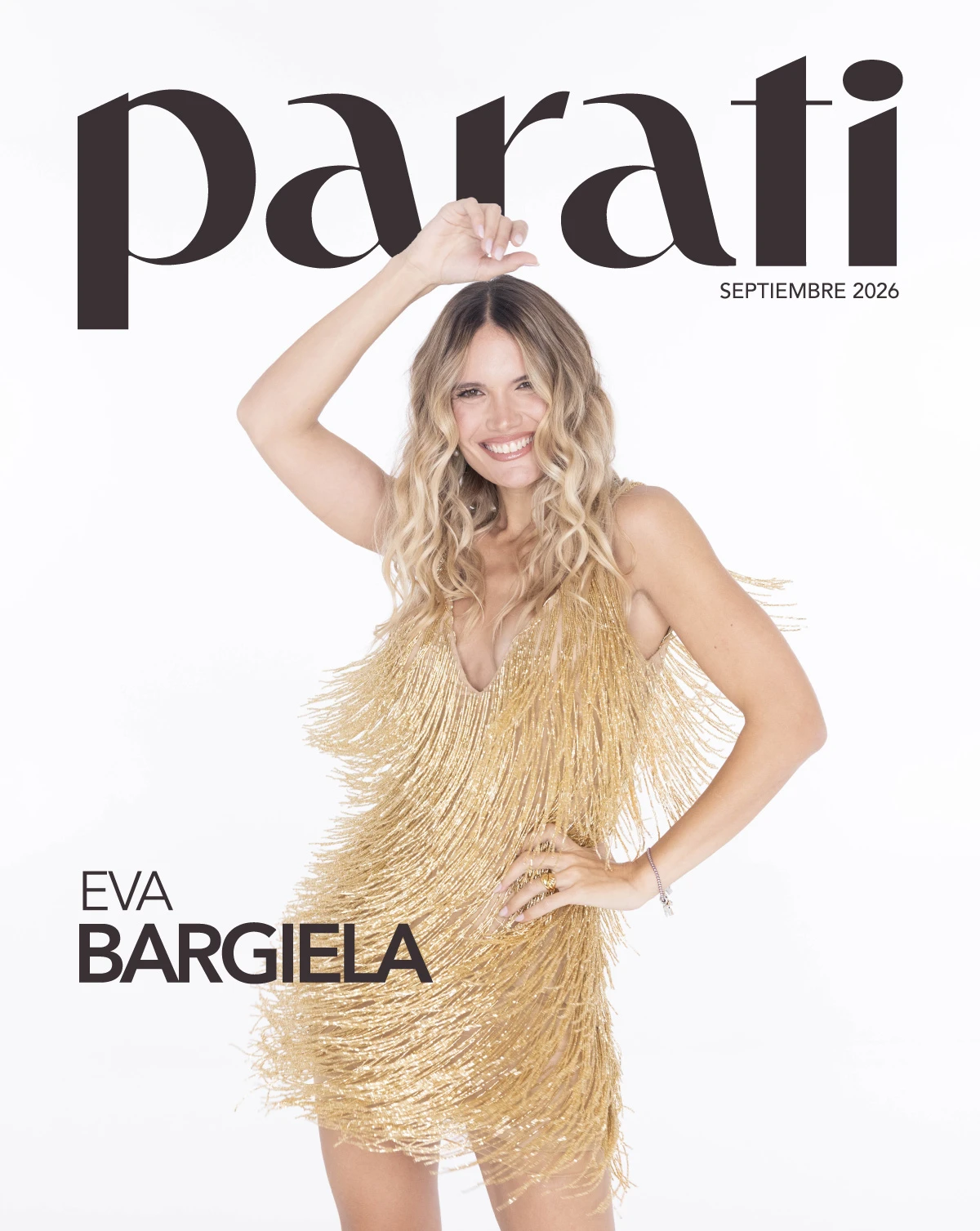
“A version of you that you don’t know is born with motherhood”
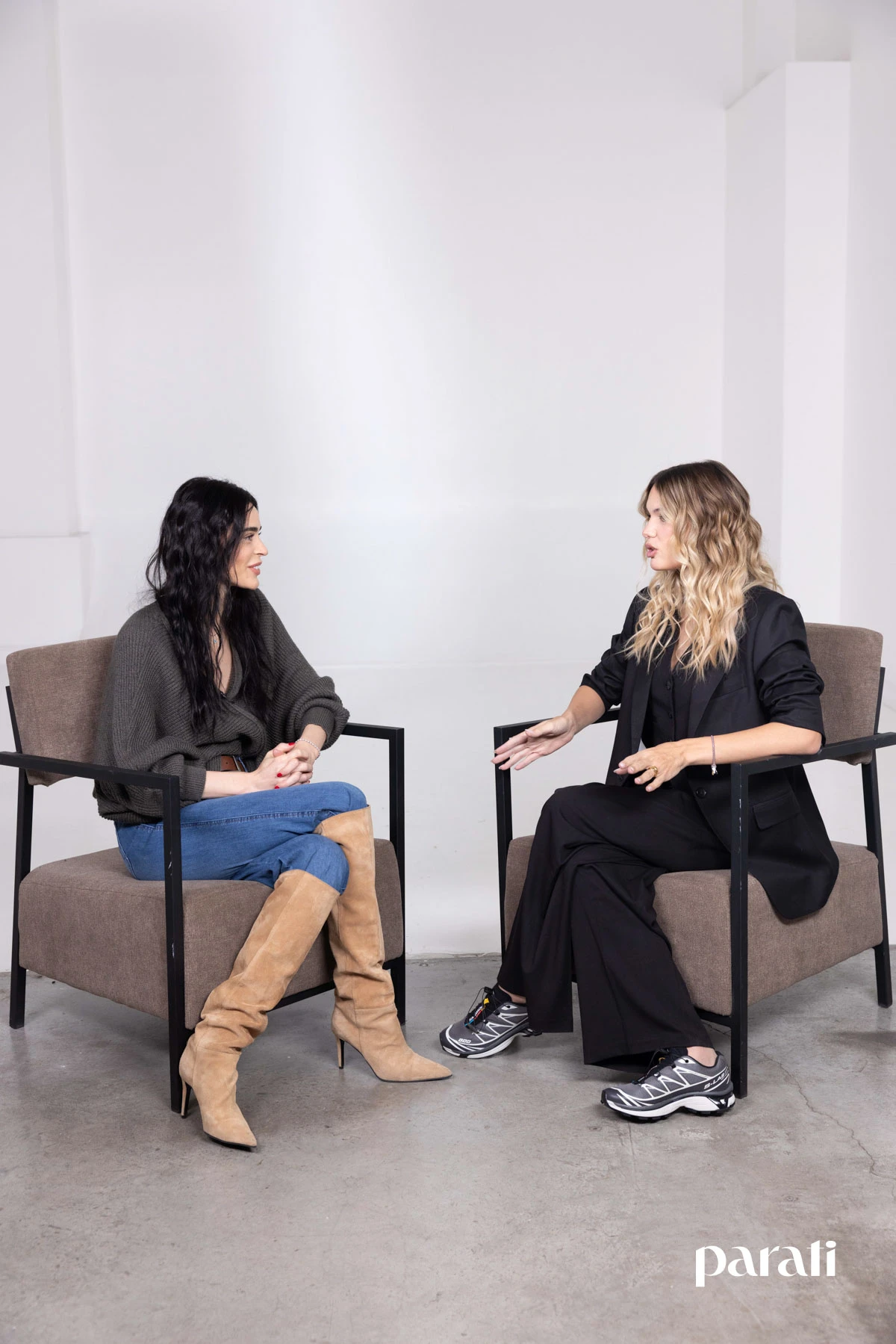
Motherhood emerges as the first major axis of the conversation. When Priscila asks what awakened in her with Faustino’s arrival, Eva summarizes with a line that runs through much of the talk: “It’s as if I was born again, directly, because a version of you you don’t know is born with motherhood.”
“There’s so much you can imagine, right? To say: ‘Well, I’m going to be like this, this, that.’ But when the baby is born, it’s as if you are born too. It’s like a new life, you kind of forget the previous life and, I don’t know, things come out that you probably never even thought about,” she explains.
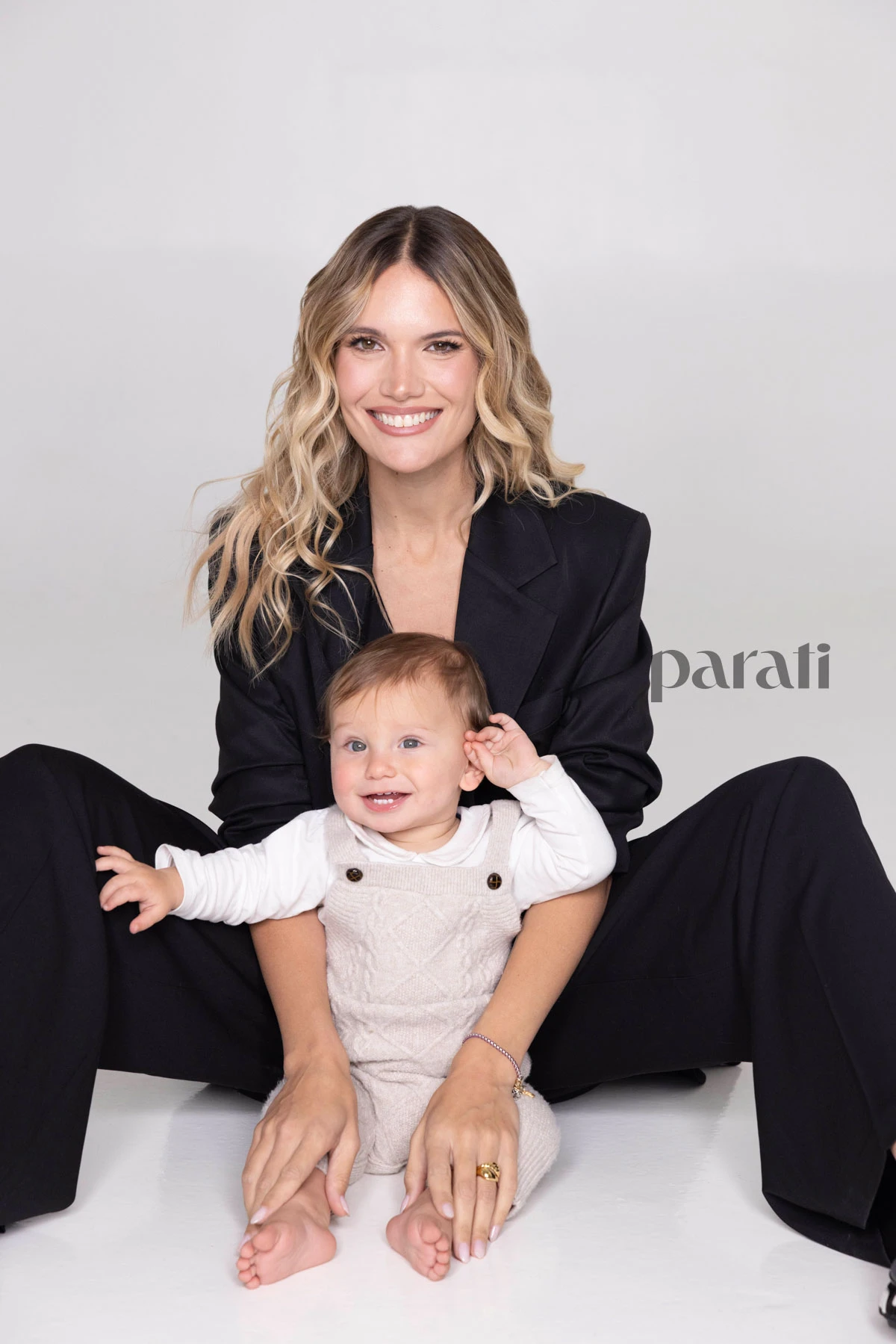
She even admits that her own idea of how she would be as a mother turned out to be very different from reality. “I thought I’d be much more teacherly and like I’d do what I want with him. I mean, he does a mini cry and I rush to calm him and try to understand. He doesn’t speak yet, obviously, so trying to understand what he wants and yes, I’m a totally doting and manipulated mother.
But behind that image of a cool, relaxed mom seen from the outside, there’s an emotion she didn’t expect to encounter with such intensity: fear.
The new fears of being a mom
“The fear. It’s like everything gets unlocked, and everything makes you scared,” Eva admits when Priscila asks which emotions newly appeared with motherhood.
She lists some of those everyday fears: “Everything, like him getting hurt, when I feed him, that something could be wrong and he could be poisoned, if I leave him two minutes, I don’t know, in his playpen while I go to the bathroom, that someone could come and steal him. It’s like everything, absolutely everything, scares me.”
She even shares that this concern extended to her driving: “I ride with him in the car and I go 20 mph because I’m afraid of getting into an accident. It’s like everything scares me, not to be there, or end up neglecting him.”
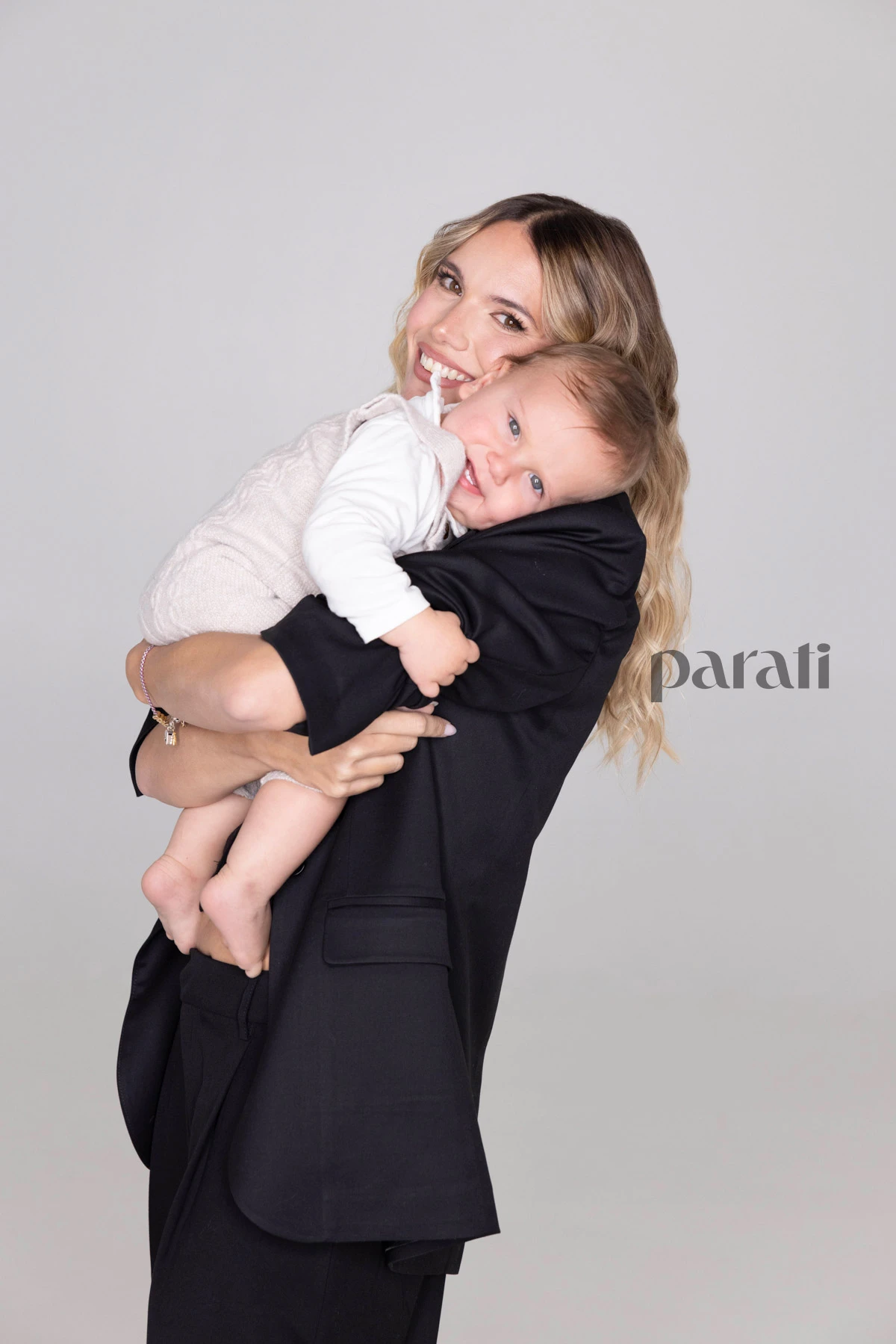
Priscila notes that, despite all of this, she still comes across as a calm mother. Eva responds with humor: “Not everything is as it seems; don’t believe everything you see.”
And she explains that motherhood activated a radar she didn’t have before: “You start seeing dangers you didn’t notice before. Now Faustino is crawling and trying to stand. So, perhaps I didn’t even notice before, and now I see outlets, corners, and all sorts of things—the radar you didn’t have before starts to buzz.”
Faustino began crawling during a family trip to the World Cup, after Eva tried to limit his movements due to hygiene concerns about hotel floors and the risk of him getting hurt.
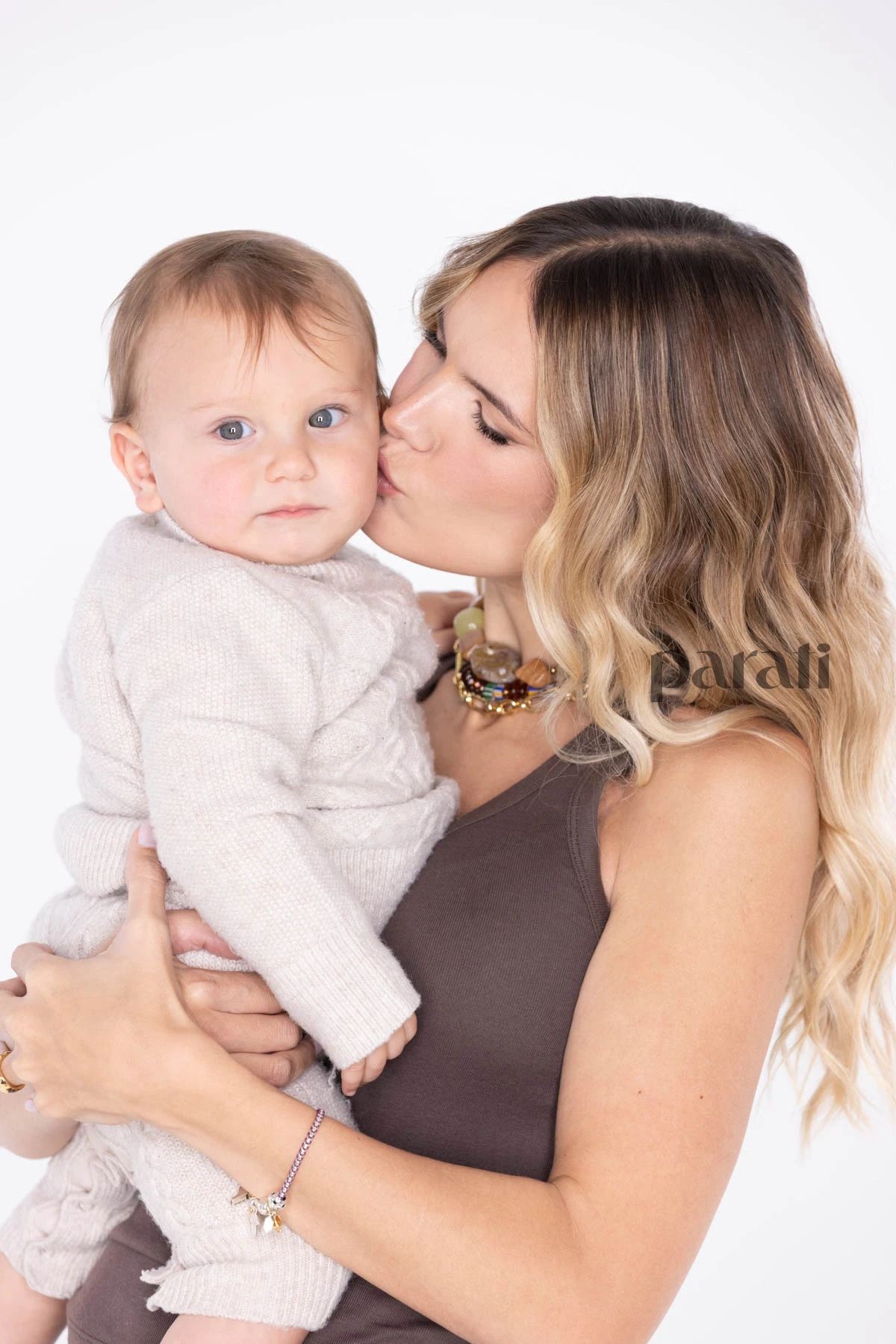
“We had just gone to the World Cup, and during the trip I wouldn’t let him stay on the floor,” she says. “First of all, in the United States most hotels have carpeted floors with questionable hygiene. I don’t know how well those carpets are vacuumed or cleaned. Besides, of course, you come in from outside, step on the carpets with your shoes in the hotel, and step on the carpets, it’s natural.”
Until one day Faustino rolled off the bed. “I left him alone on the bed and he was next to me, but of course, he wanted to move so much… It’s a second. And I’m telling you that it wasn’t even a lapse, because I was right beside him, it’s not like I left to go to the bathroom. He rolled off.”
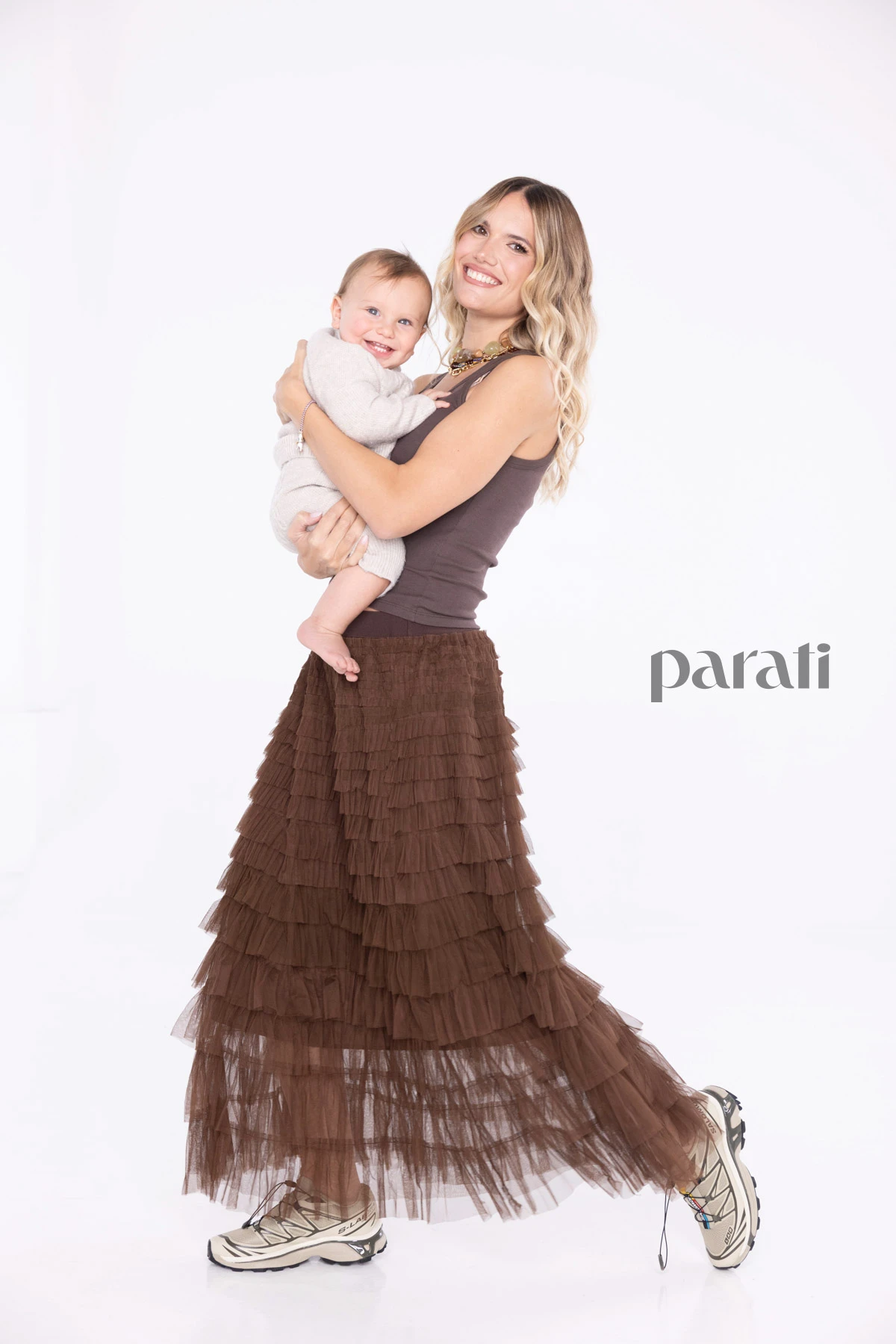
From then on, Eva began letting him move more freely on the floor. “And he started crawling, and the next day he began to crawl, grab onto things and stand up. And now he’s in that stage of standing and trying to walk by pushing things, or taking a few steps, or walking with a hand. So nothing, I have little peace left, because I think when he starts walking, no one will be able to stop him.”
A baby surrounded by football
The conversation then turns to Faustino’s bond with football, something that naturally stems from the family he was born into.
“He has jerseys of every size. I mean, there are some that are too small but still fit him, and he has stock in case he grows. Balls, sizes of all kinds,” Eva explains.
And she explains that she likes that her son grows up close to sports: “He happened to be born into a family with a father who loves football, loves sports, which I also love, because I believe sports is something that should be in everyone’s life and even more in teenagers’ lives, given all the things happening today.”
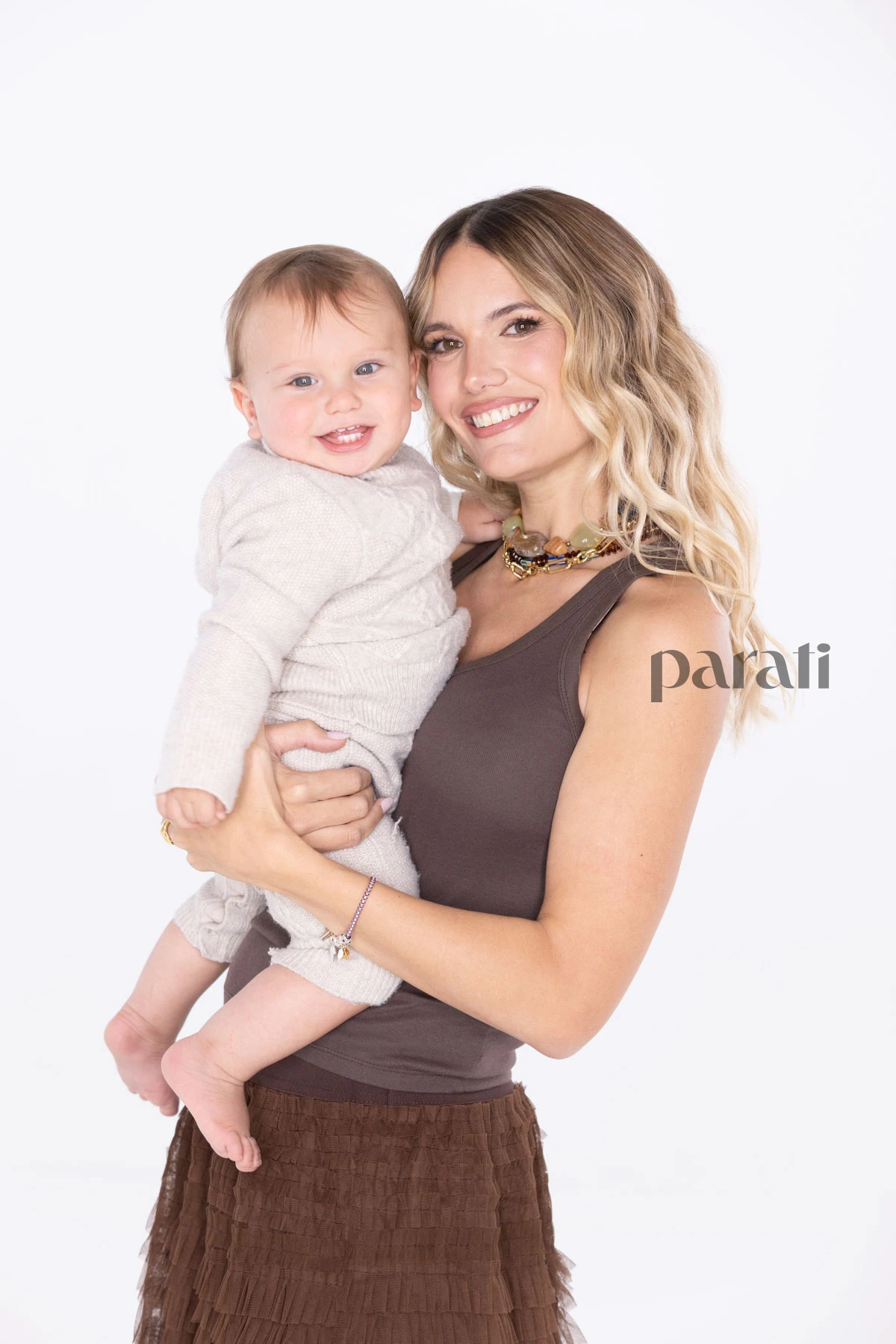
In that sense, she also mentions technology and the importance of instilling movement from a young age: “I think it’s key to instill sports from an early age.”
“I would much rather him playing outdoors with a ball than being in front of a screen, so I’m grateful that he has a father like that because I’m not such a sports person, not really into football,” she says.
She describes herself as a fan, though not overly football-mad: “Of watching it, I’m a fan; I like the national team, I’m a River Plate fan, but I wouldn’t go out and buy a ball.”
What Gianluca Simeone is like as a dad
When it comes to speaking about Gianluca as a father, Eva clarifies that it wasn’t something that surprised her much because, before Faustino arrived, she had already observed how he related to children.
“I don’t know if it’s something I discovered. When we decided to have a baby and have Faustino, I knew who I was choosing as a father,” she asserts.
And she describes him this way: “He’s a very loving, very sensitive, very funny guy.”
There’s something about Gianluca that, according to Eva, has always been contagious: “He has the ability to see life with the eyes of a child.”
“He sees everything with a lot of innocence and in a very healthy way, and he likes, I don’t know, Disney and all those things,” she says. She also recalls watching him interact with his younger sisters and with other children.
“As if I’d seen him walking somewhere and there was a kid with a ball and he’d say: ‘Hit it this way, do it like that.’ We live in a closed neighborhood now and he’s friends with all the kids in the neighborhood,” she recounts.

That’s why, for Eva, Faustino’s arrival confirmed something she already suspected: “More than being surprised, it confirmed to me that I knew I’d be a great dad and that he would enjoy playing and that the whole world of fantasy and all that with kids would go super well.”
Cohabitation and the division of chores
Eva and Gianluca also found a dynamic of their own to organize daily life. “We’ve got a good division,” she says.
Differences in their work routines influence things: “I work a lot, so I’m sometimes less at home than he is. He works, but his job allows him to be at home more.”
Gianluca works in the world of representing football players, a field that involves many phone calls and meetings, but also allows him to manage his time differently.

“So, he is incredibly supportive in that sense. He takes care of many things for Faustino,” Eva highlights.
Household chores also fell into place naturally: “For example, I love cooking, but I hate washing dishes. So I cook, he washes; we distribute tasks. I wake up and make Faustino’s breakfast and our breakfast, and he makes the bed, so we balance it out.
When Priscila asks if there was a list of tasks or concrete orders, Eva replies: “No, it happened naturally; there were more requests from him toward me than mine toward him.”
The reason lies in a difference in personality: “He is very organized and I am not.”
Eva explains that she is used to living alone and, because of her work, she often tests many looks before stepping out to an event. “Maybe I have an event and try 100 outfits before going, and the dressing room ends up looking like someone wore it or like a burglary happened.”
Gianluca, on the other hand, tends to ask her to organize. “Then he’s like: ‘You can’t leave this like that.’ So I’m learning to be a bit more organized with him.”
But Eva also makes her own public confession, with a laugh: “Anyway, he’s an orderly liar. Let me say it here, it’s a public confession.”
According to her, the problem is that Gianluca wants nothing to be left in view, though that doesn’t necessarily mean everything is put away. “For example, there’s something he doesn’t like that’s up there because it visually annoys him; he opens the nearest drawer. And it doesn’t matter if it’s a shoe, he puts it away, so later you search for something and you don’t find it where it should be.”
Eva’s conclusion is clear: “He’s orderly, that is, you come home and the house seems tidy, but then you have to guess where things are.”
And that need for order also seems to be present in his family: “Yes, they’re organized. I don’t know what intimacy feels like inside, but you go to the house and it’s always tidy. Everything immaculate.”
The Simeone family, from a distance
The conversation then returns to Gianluca’s family and how it is to share life when the different members live in different countries.
About Diego Simeone as a grandfather, Eva prefers to discuss the family dynamic in general: “I find it hard to personalize, but they are all very affectionate in the family.”
She explains that they don’t get to see each other often because they live in different countries: “We see each other rarely, that’s the truth, because we live in different countries, so when we do manage to coincide it’s very intense.”
The World Cup was one of those occasions when they could spend more time together: “When we go to visit, it’s a few intense days where you’re there. It’s not like visiting your in-laws on weekends; it’s more 24/7, because you have to make the most of the time.”
For Eva, those visits also have a clear benefit: she can rest while the family enjoys Faustino.
“I take the chance to rest, because they grab him, take care of him, pamper him, the girls too,” she says.
And she adds, laughing: “I take that moment to rest, you know? I have a tea in peace, without someone hanging on me.”
Regarding Carolina Baldini, whom she affectionately calls “Caro,” she also highlights the closeness despite the distance. “Also, Caro is the best. It’s a bit of the same for us. Although she makes her base in Argentina, she travels a lot.”
Eva describes that shared life across countries with a distinctive image: “She has her children in different countries, so she has to tour a bit like a traveler, you know? Like an international artist, she goes a bit to each side.”
When they are together in Argentina, they seize the chance to go out and share; when they are far away, video calls help keep the contact alive.
And there is a new peculiarity: the arrival of grandchildren. “She already has two grandchildren. One in Italy and another in Argentina.”
“Four years ago I could never imagine this present”
Priscila then suggests looking back and asks what Eva sees when comparing her current life to four years ago. “Everything,” Eva replies.
“Four years ago I could never imagine this present. It was a present I longed for, but I saw it as very distant.”
She even recalls that at one point she had resigned to the idea that certain things would never happen to her.
“I had resigned at some point in my life like: ‘Well, I’m not one of those girls who has your luck and finds a good man to accompany them. I wasn’t meant to have this in this life, I don’t know.’ I had somewhat resigned to that.”
She used to see stories about others and feel that that wasn’t her experience: “I’d see friends or colleagues or people you’d say: ‘Oh, I met this really good guy, we moved in together and now we’re waiting for a baby.’ I’d say: ‘Well, I don’t know, I wasn’t born with that luck.’”
Until life surprised her: “But I swear I thought it like that and said: ‘Well, it’s not for me, that’s it. I guess I’ll get something else out of life.’ And then it surprised me, and yes, it happened.”
The limits she learned to set
From there, the talk moves into more personal territory: what she learned after previous experiences and what limits she could build over time.
Eva makes an important clarification: “I don’t know if it’s a limit with others, but it’s certainly a limit with myself.”
And she explains what this means: “It’s like, well, I don’t want this, I don’t accept this, I don’t deserve that.”
For her, many times people permit situations that don’t do them any good due to issues tied to self-esteem or self-worth.
“Perhaps because of low self-esteem or believing that, I don’t know, or a lack of self-love, one allows others to do things that aren’t good or to do things that don’t make you happy.”

Her learning was to start recognizing what she wants and what she is not willing to accept: “As long as the terms of a relationship are clear and you know what you expect or are willing to accept, that’s fine, but if there are things that don’t do me any good, I learned not to accept them.”
And she takes it even further: “To not choose them, and perhaps not expect the other to change and accept that I have to leave. Because you can waste many years waiting for the other to change.”
In that moment she recalls an experience she had during therapy with someone named Mariana, whom she describes as someone who felt she had changed her life.
“I would tell all my dramas and she would say: ‘But it’s your fault, but it’s your fault.’ Or it’s your responsibility.”
At first Eva’s reaction was anger: “I left that day very angry, because how can all this be happening to me and she tells me it’s my responsibility?”.
But later she understood the meaning of that phrase: “Of course, later it clicked that it was my responsibility because I allowed certain things.”
And she summarizes the learning: “Staying where it doesn’t do you good.”
“I don’t identify with that past life”
Priscila then asks a direct question about a topic that still makes its rounds in the media: how Eva feels when she’s asked about situations related to Facundo Moyano, her ex-partner.
The answer is firm, though not in anger: “No, it bores me a lot, but because I don’t identify with it.”
Eva explains that she views that moment of her life as something distant: “I feel that it’s like a past life. So I don’t identify with my version of that moment or with anything from that moment.”
It could even happen that a news item linked to that period no longer affects her: “Sometimes they come and ask something and it’s like I didn’t even notice it, or I did but it seems so far away that it doesn’t affect me.”
She adds that the feeling is almost like watching someone else’s life: “It’s really as if I see things and say, as if it were a news article about someone I don’t know.”
And she returns to a theme that had already appeared at the start of the talk: “I’m not that person anymore; I was born again.”
For Eva, that change isn’t exclusive to her. “I think it happens to all of us a little. If you look at your life from ten years ago, you don’t identify with the person you were.”
“You grew, you changed. It doesn’t mean you regret it, but you’re no longer in that place,” she explains.
“What I’m doing today, does it bring me closer to where I want to be?”
That transformational process also altered her way of making decisions.
“There’s one thing I’ve learned a lot: if I want to be in a certain place, whether it’s in my personal life or work life or whatever, it sounds very logical to say, but you have to do things that bring you closer to that. Do not wait for them to happen,” she states.
And she poses a question that became a personal rule: “Is what I’m doing today bringing me closer to where I want to be? In any area of life?”
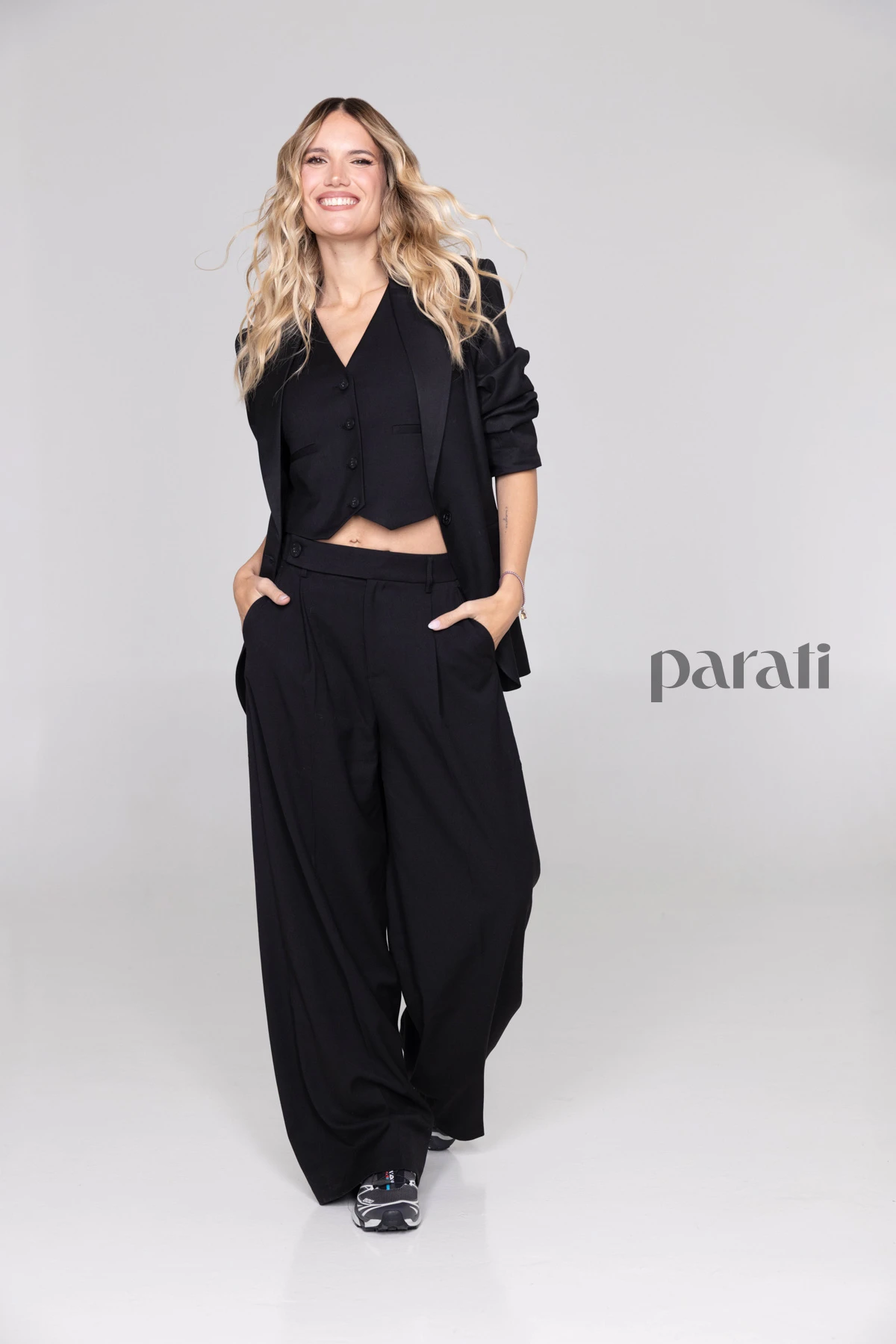
Eva applies this to simple decisions, such as spending versus saving: “I want to buy a pair of sneakers and I have to save the money, do I buy a coffee or save? So what I’m doing brings me closer to where I want to be, and it applies to all areas of life.”
“That’s like my guiding mindset,” she summarizes.
Dreams she still wants to fulfill
With Faustino, Eva also feels that her projects and desires have changed.
“Lots,” she replies when Priscila asks how many dreams she still wants to fulfill. “And now, with Faustino, my dreams have reconfigured as well.”
Among them is a family dream: “I’d love to have more children, not immediately, but I’d love that.”
She also dreams of getting married. And far from imagining a minimalist celebration, she has a clear idea of how it would be: “I’d love to get married, I mean, I dream of getting married in white, with the veil, everything.”

When Priscila asks if Gianluca would also like that, Eva responds: “I don’t mind.”
Afterwards she clarifies that it’s something they’ve discussed and that the two would like to do it: “It’s something we’ve talked about, it’s something we’d both like to do, but I would adore a traditional wedding, all of it—the waltz, the whole thing, nothing modern, about a wedding.”
However, organizing it requires time and money. “There are many things and also it’s expensive to have a wedding, you have to organize it well.”
When confronted with the idea that families could pay for the celebration as in the past, Eva laughs: “Do you mean my dad and his dad paying for it? My dad would faint if I asked him to pay for a wedding.”
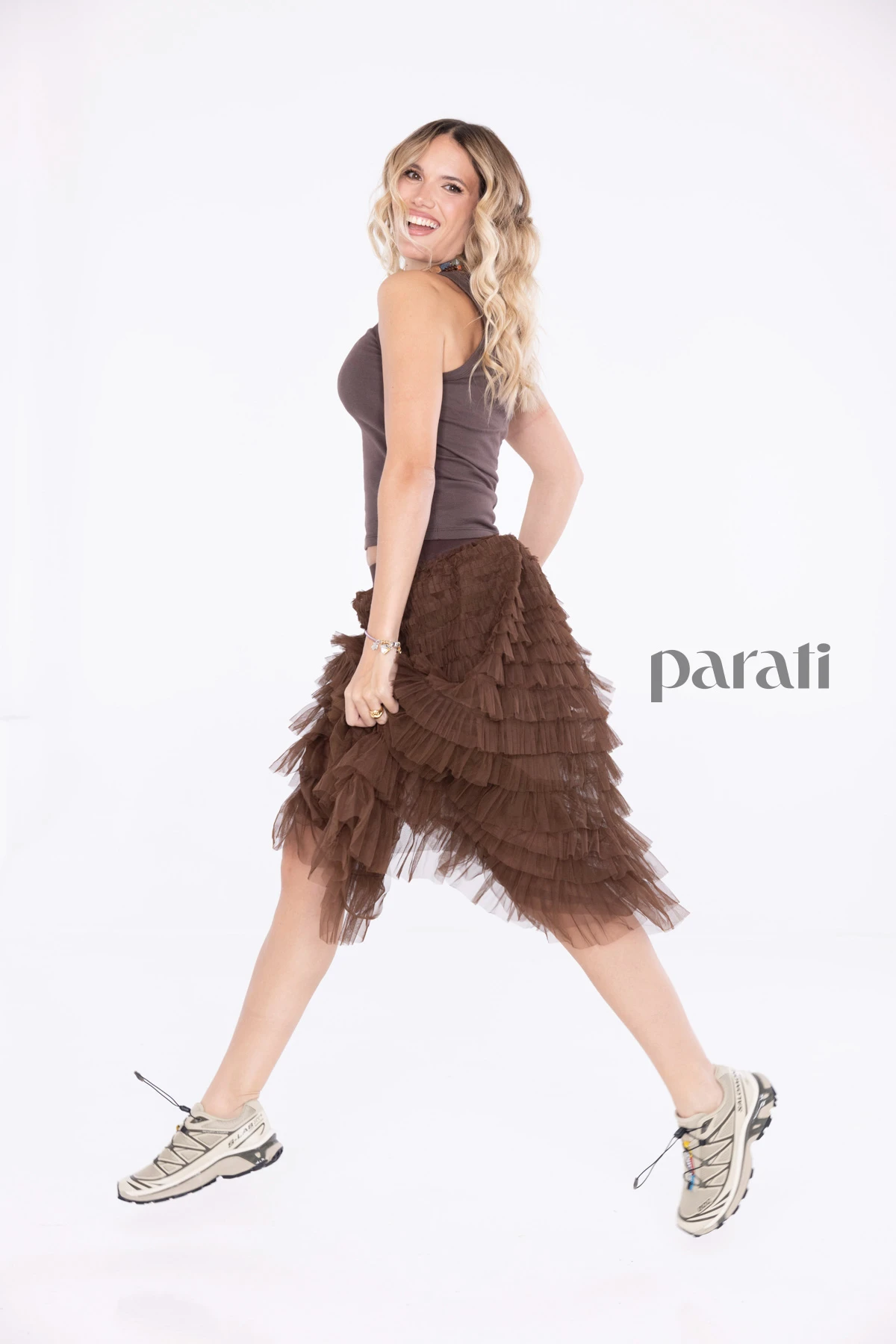
She also dreams of reclaiming family vacations she enjoyed as a girl, but now with her own family.
“I really enjoyed family vacations, with my family we used to go to the beach for 15 days, and I dream of being able to do that family vacation thing again, but now with my husband and my son.”
And in her professional life, she has new goals: “I’d love, I don’t know, to host a program or conduct interviews.”
“I have many, many goals, many things I want to do,” she asserts.
The conversation ends with laughter and a final nod to the anticipated wedding. Priscila says she hopes for Gianluca’s proposal, and Eva quickly replies: “Zero pressure, zero pressure.”
Watch the full interview by Priscila Crivocapich with Eva Bargiela here:
Credits:
Videos: @mcretellaph, @ph.candela, @grupoarte
Makeup & Hairstyling: @shelsianestudio
Styling: @muna_oficial
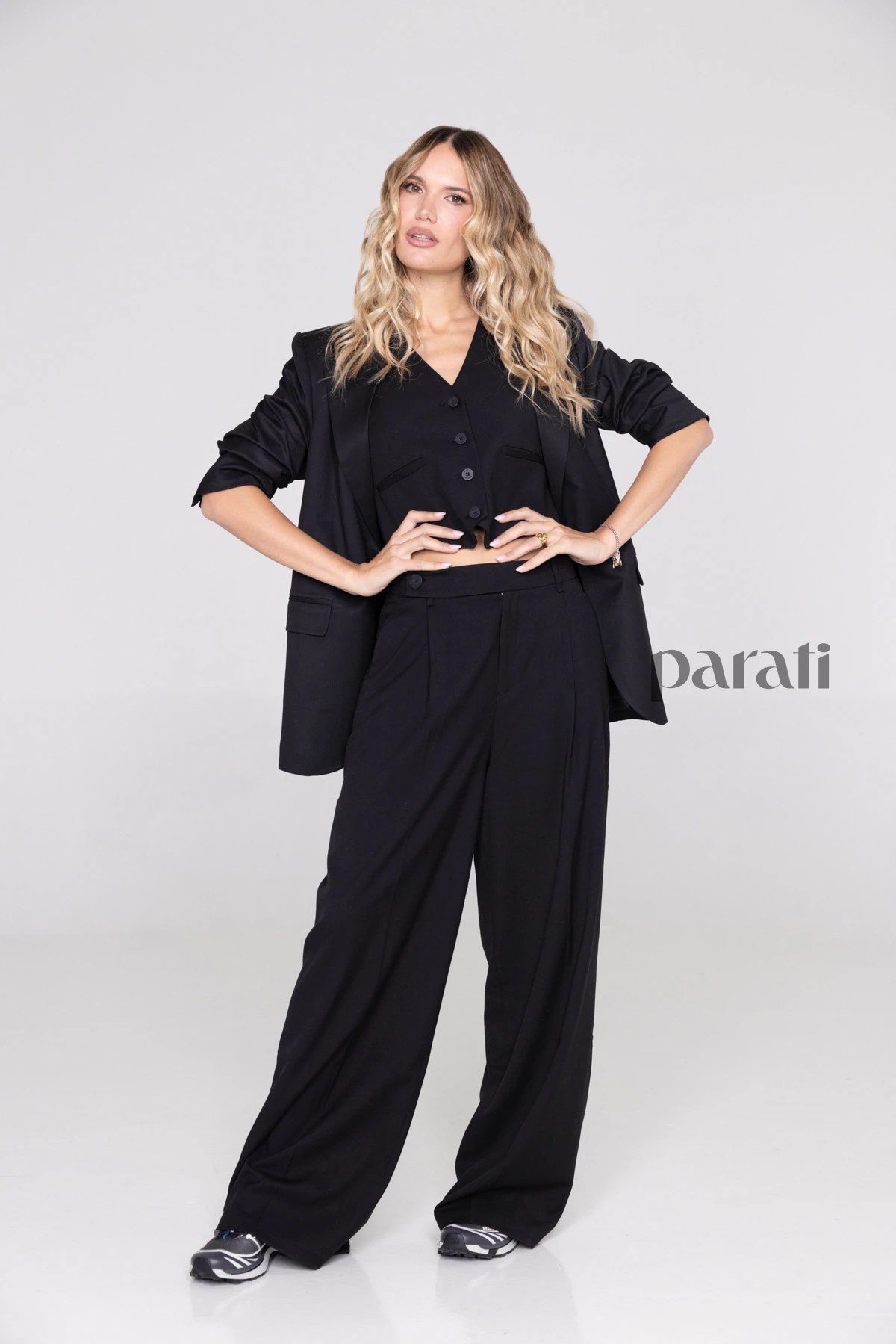
Looks: @mono.fuk, @melocotonstyle, @muna_oficial, @salomon.argentina