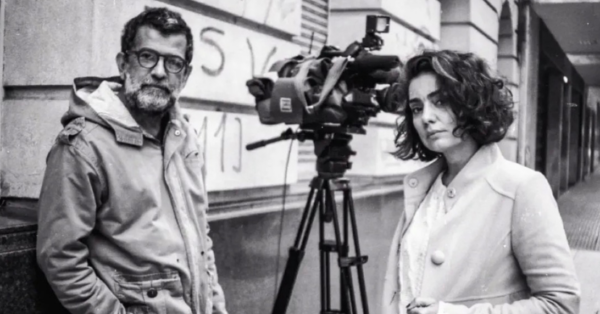
For years, Valeria Sampedro stood on the side of the news’ vertigo, of live television and of that demand to tell what’s happening almost in real time. For her debut documentary she chose to do something different: to pause, to look, and to listen for a long time.
Together with the cameraman, photographer and filmmaker Daniel Raichijk, she set out to probe a phase of life that tends to discomfort and that is often softened with words. The result is Essay on Old Age, a film that addresses the passage of time, deterioration, loneliness, fears, the future and death from the voices of those who are going through that experience.
The documentary was produced in a completely self-managed manner. Between the two of them they took on the different tasks of production, script, sound, image, editing and post-production. “Because it was the most poetic approach for a audiovisual project that has a journalistic side, but in a format that allows working at different paces,” explains Sampedro.
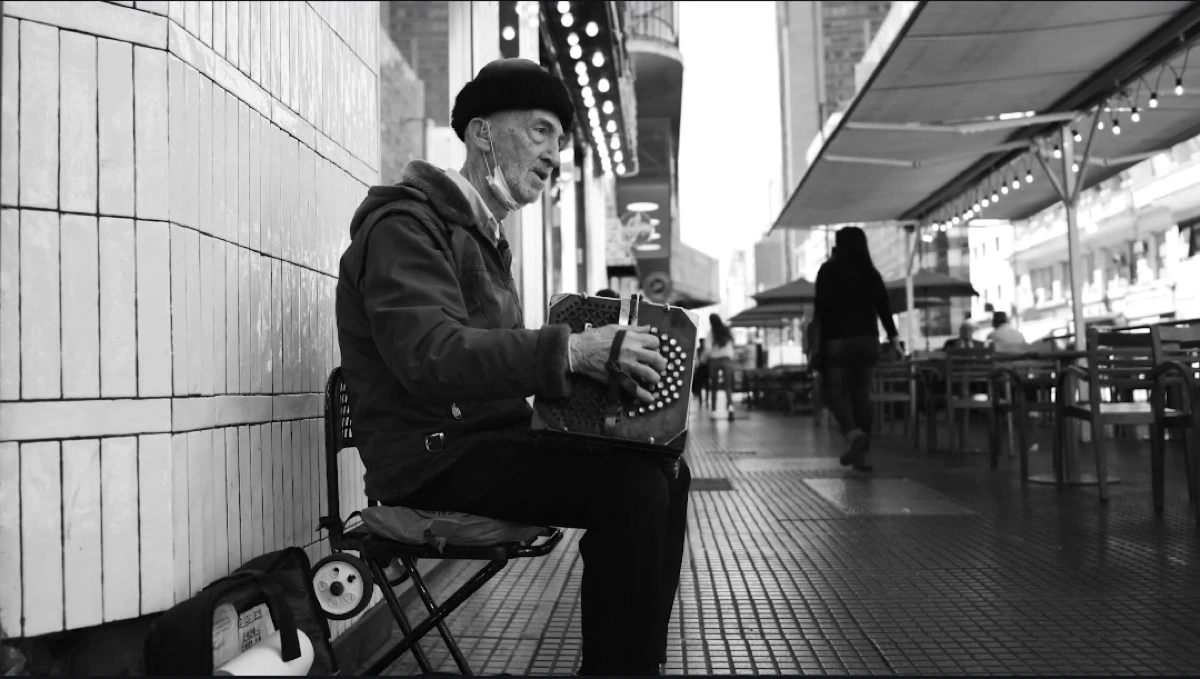
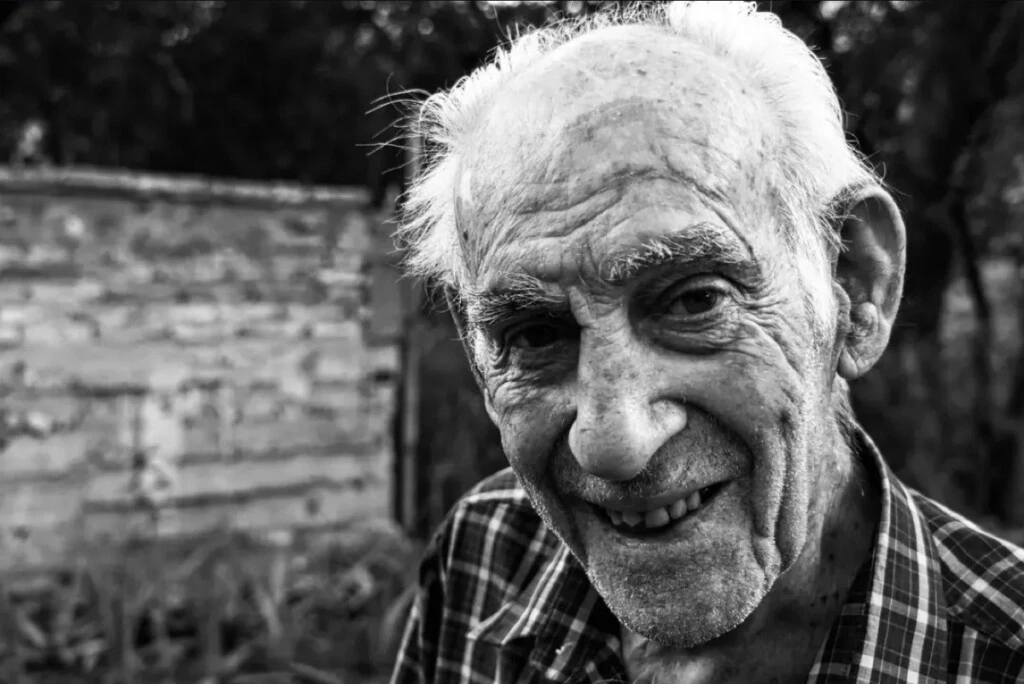
The film aims to step away from explanation and approach the experience. People aged eighty and above speak directly to the camera, in black and white, about what often remains outside the scope of everyday conversations. For Valeria, even the decision to use the word “old” was part of the project’s meaning: “Being old isn’t the problem, the problem is assuming that being so is something bad.”
Why they chose to talk about old age
–Why a documentary?
-Because it was the most poetic approach for a film project that carries a journalistic angle, yet in a format that enables exploring other tempos, experimenting with narratives, and pursuing an artistic intention about a reality that is, in this case, quite stark. In the end, it’s about telling stories, just at a pace completely different from what television or social networks impose today.
–How did you choose the topic? What motivated you?
-I think old age is uncomfortable; generally it’s looked at sideways, in the best cases condescendingly, but nobody wants to stay there for long.
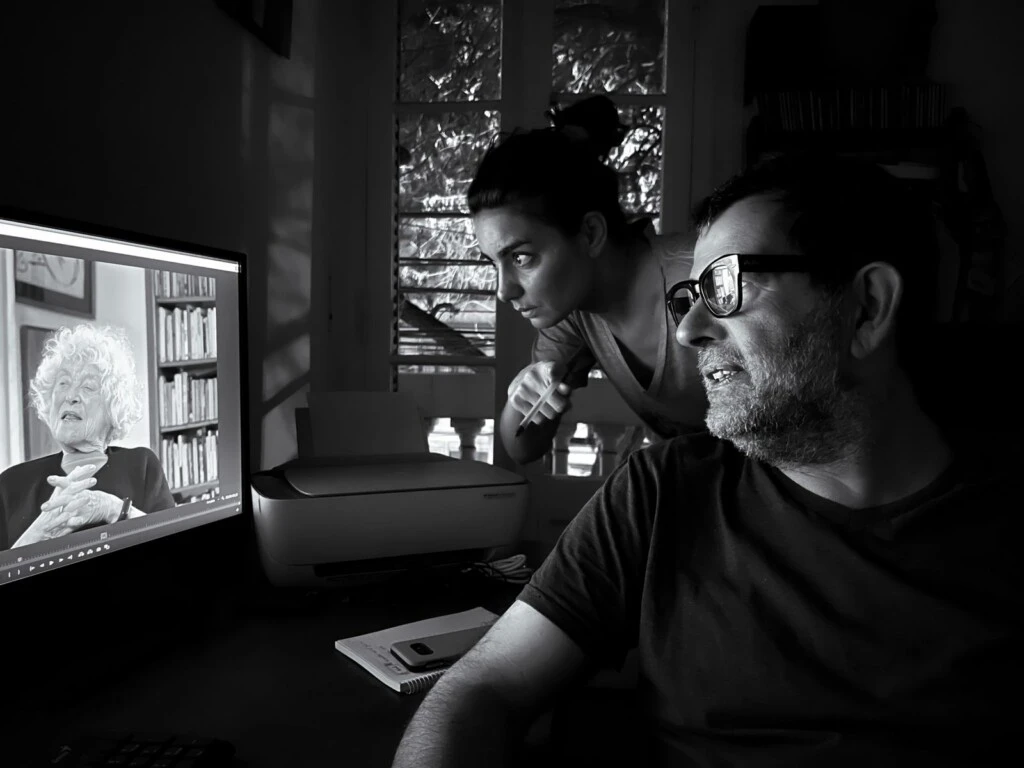
When the idea of tackling a documentary with Daniel (Raichijk, co-director of the film) emerged, we both agreed to explore this theme. It quickly began to take shape as an aesthetic and content that foregrounded old age, without intermediaries; direct-to-camera, raw, black and white.
We wanted to give a voice to the elderly, not to those who study aging, not to those who accompany, but to people who are living it in the flesh.
And mind you, calling them “old” was a political stance, without euphemisms, because being old isn’t the problem, the problem is assuming that being so is something bad.
Watching old age without dodging its uncomfortable zones
–How was the selection of interviewees?
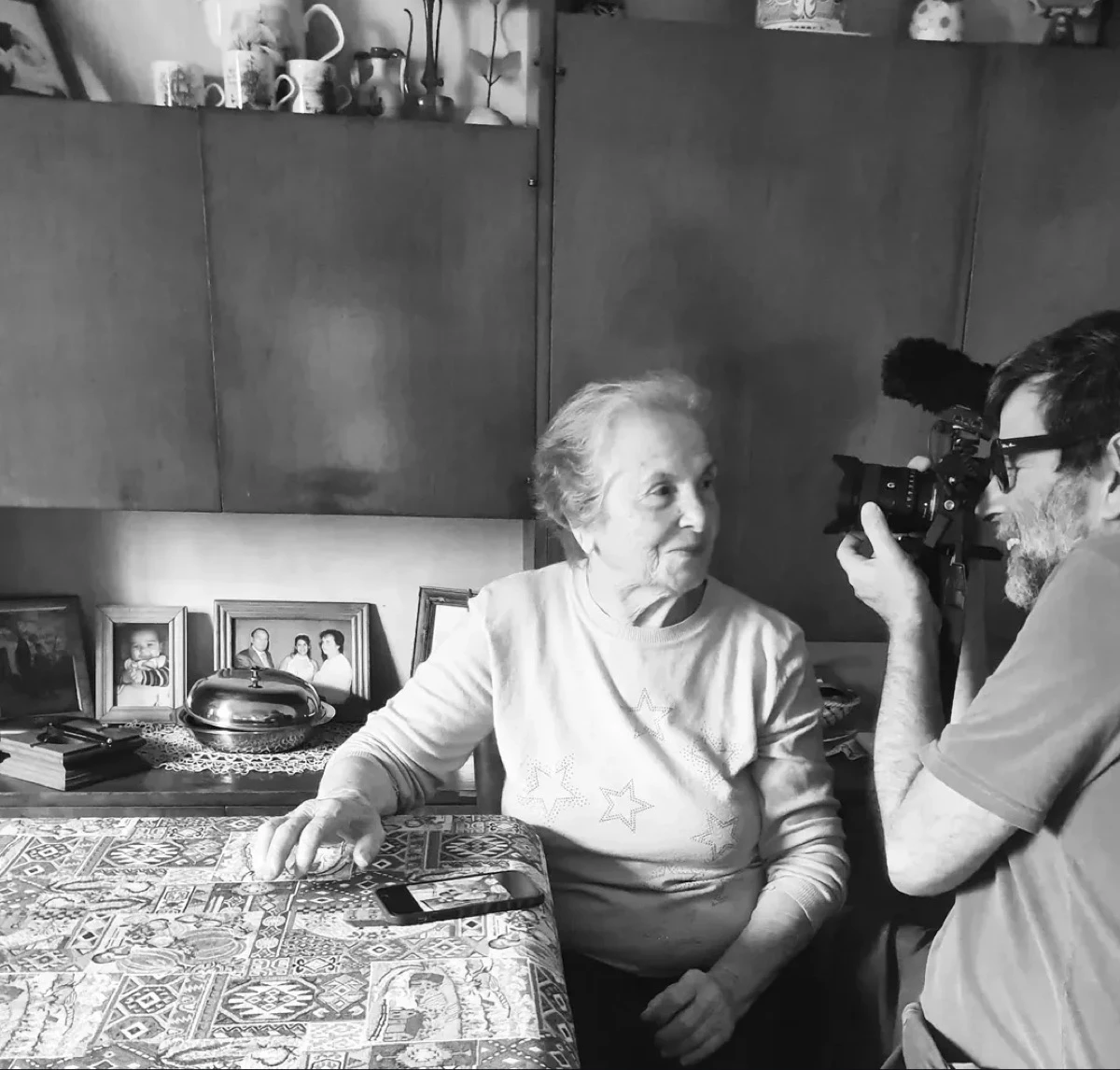
-A great challenge. First, we sought men and women eighty years old or older. We also wanted to achieve some representativeness, because not all seniors are restless and autonomous; there are those who need assistance, many face health issues, and the idea wasn’t to dodge that reality but to tell it as well; there are those who live this stage with nostalgia or sadness, and those who feel they’ve had enough of many things.
We didn’t want their log of anecdotes; we proposed they shed their masks, look at themselves in an inner mirror and put into words, as far as their abilities allow, how the final stage of life is lived.
–What happened to them during the making?
-Everything. It was wonderful. We would arrive at the interviews with our questionnaire and the gear, and nothing more. We’d ask the rest of the participants to leave, and we’d stay there alone, in their most intimate space, talking for long stretches.
Seeing each of them connect with their past, fall silent while thinking, rummage through memories, talk about feelings, confess their needs. We left each interview moved; we saw them moved as well.
A film made by two
–Which parts were you involved in? How did you two manage everything?
-It was an enormous effort, because all the work, from start to finish, was done by just two people. And in a very artisanal way. We had no funding at all.
Now that we see it finished, we feel enormous pride. I focused on conducting the interviews, shaping the structure and the final script. Daniel built the aesthetic, defined the framing, the narrative line of the nature, shot incredible footage and edited the material, in a cut that took us hours and hours of video calls.
That’s why we gave our modest production company the name DOS GATOS, auteur cinema. We want to highlight and thank the contribution of Alberto “carpo” Cortes, responsible for the film’s music.
“Invisibility is directly proportional to the passage of time”
–What is your view of old age in times when this life stage is often rendered invisible and there is a whole spectrum of ways to push it away?
–Invisibility is directly proportional to the passage of time. And it starts long before anyone decides to call you grandfather. I turned 50, and the common compliment is that “you don’t look it,” that “I’m fine for my age.”
I hold a rather critical view of the mistreatment that the elderly suffer in general. I think several issues blend together: the value placed on those who produce, youth as a virtue in itself, the widespread lack of patience, the contempt for anything that doesn’t deliver instant dopamine rewards.
The old person isn’t Instagrammable, unless you throw in a lot of filters; they speak slowly, move slowly, and lack a retention hook.
Where you’ll be able to watch Essay on Old Age
–In what circuit will the documentary be shown?
-We’re premiering in October at the Centro Cultural de la Cooperación, where it will be screened every Wednesday at 8 PM during the entire month. We’ll also travel to present it in Córdoba, Tucumán, and a few other cities. Some venues invited us to organize cine-debate gatherings.
–Who is the intended audience?
-Although the documentary was rated for All Audiences, I think it appeals not only to the elderly; they won’t necessarily discover anything new, except perhaps feeling acknowledged in some way.
I feel the film speaks to earlier generations, starting from those in their forties or fifties, who perhaps don’t yet think of old age as something near, much less imminent.
But if it makes them think of someone in their circle, they might review how they relate to them, how much time they dedicate, when was the last time they truly listened.
I imagine that spectator, after watching our documentary, leaving the cinema determined to visit that person and ask, “How are you?”
Essay on Old Age premieres on Wednesday, October 7 at the Centro Cultural de la Cooperación and will run throughout October, with screenings on Wednesdays at 8 PM.
Instagram: @ensayovejez
Film details
Essay on Old Age is directed by Valeria Sampedro and Daniel Raichijk. It is an entirely self-produced project from start to finish. Both took on the roles of scriptwriting, production, sound, image, editing, post-production, and subtitling. The original music was created by Alberto Fidel “carpo” Cortes, who contributed to the project’s music.