
Coffee is part of the daily routine of millions of people around the world. For some it is the first ritual of the day; for others, a break in the middle of work or the best companion for a chat.
However, behind a good cup there is much more than a hot beverage: there is a process that begins long before preparation and that defines a large part of the experience. Knowing some of these details helps explain why two coffees can be so different from one another and what aspects mark the quality of each one.
It all starts at the plantation. The climate, altitude, soil type, and the variety of the coffee plant directly influence the characteristics of the bean. Therefore, coffee grown in different regions can present flavor profiles that are completely different, with sweeter, fruity, intense, or chocolatey notes.
The selection of the raw material is one of the first factors that determine the final product’s quality.
Roasting defines a large part of the flavor:
After harvest comes one of the most important stages: roasting. During this process aromas and flavors develop that are later perceived in every cup.
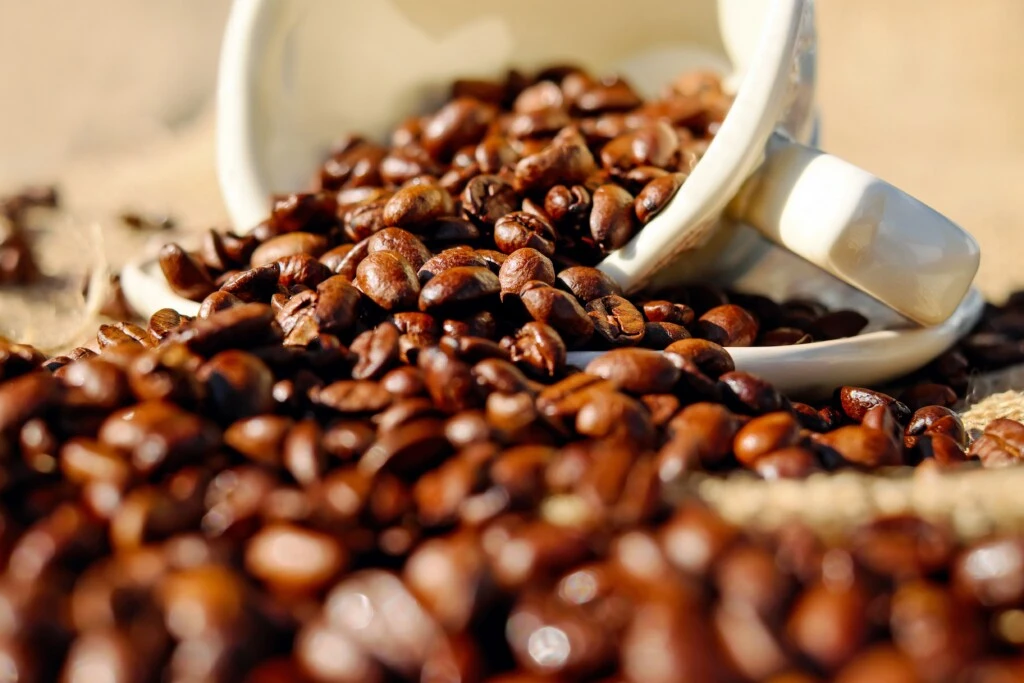
An appropriate roast allows the natural qualities of the coffee to shine without masking them, while an overly intense roast can generate flavors that are too bitter or lose part of the bean’s complexity.
Grinding also makes a difference:
There is no single grind suitable for every preparation method. Its thickness (coarseness) must be adapted to the chosen system to achieve proper extraction.
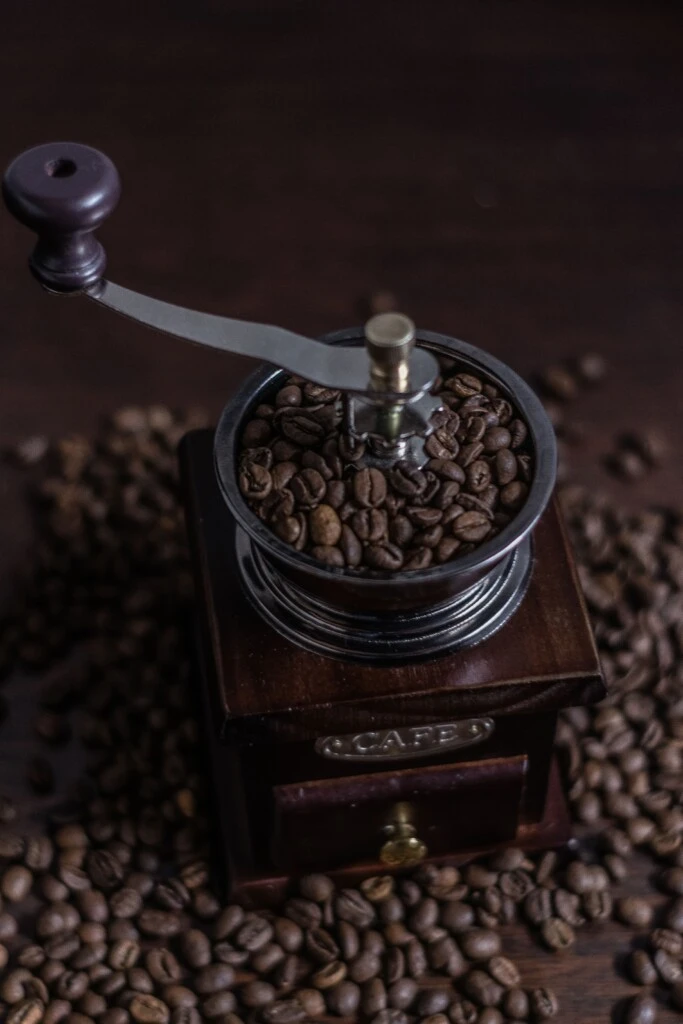
For example, a fine grind is typically used for espresso machines, while drip coffee makers or French presses require coarser particles. Choosing the right grind helps balance the flavor and better reveal the coffee’s characteristics.
The brewing method changes the experience:
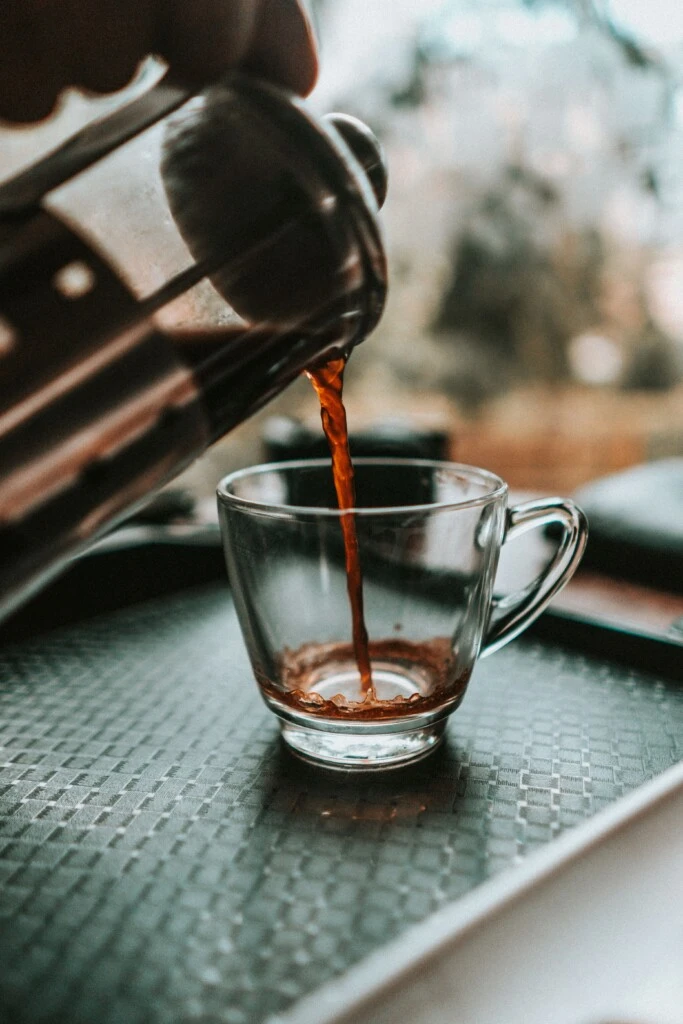
The same coffee can yield different results depending on how it is prepared. Moka pots, French presses, drip filters, espresso, or manual infusion methods allow for distinct profiles, as they modify the contact time between water and coffee, the temperature, and the extraction of its aromatic compounds.
Therefore, in addition to choosing good coffee, the brewing method is also part of the experience.
How to recognize a quality coffee:
The intense aroma, the product’s freshness, and the balance between acidity, sweetness, and body are among the signals that distinguish a quality coffee. Also crucial is the selection of the beans and the care at each stage of the process, from origin to packaging.
With more than eight decades of history, Cabrales has established itself as a benchmark for those seeking to enjoy a good coffee every day. Through a careful selection of beans and a deep understanding of the process, the brand offers different varieties designed to accompany every moment, bringing the experience of a specialty coffee closer to daily routine.