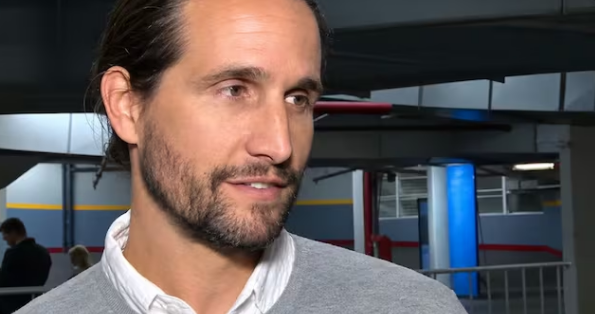
Following the account of Valentín Yankelevich regarding the violence that, he claimed, he endured in his childhood along with his brother Franco, Romina Yan’s ex-husband released an extensive statement in which he rejected the accusations, questioned the power of the Yankelevich family, and stated that the case was dismissed in 2018. He also apologized to his children and referred to the actress’s death.
Darío Giordano broke the silence after the strong testimony of Valentín Yankelevich, who publicly recounted episodes of violence that, according to his version, he experienced during his childhood with his brother Franco. Through an extensive statement, the Romina Yan’s ex-husband rejected the accusations, defended his role as a father, and questioned the public exposure of the family conflict.
“I want to make something clear: I reject the accusations of violence attributed to me. Neither before nor after Romina’s death were there episodes of those characteristics in our family,” he stated in one of the central fragments of the text, which was read on the program LAM.
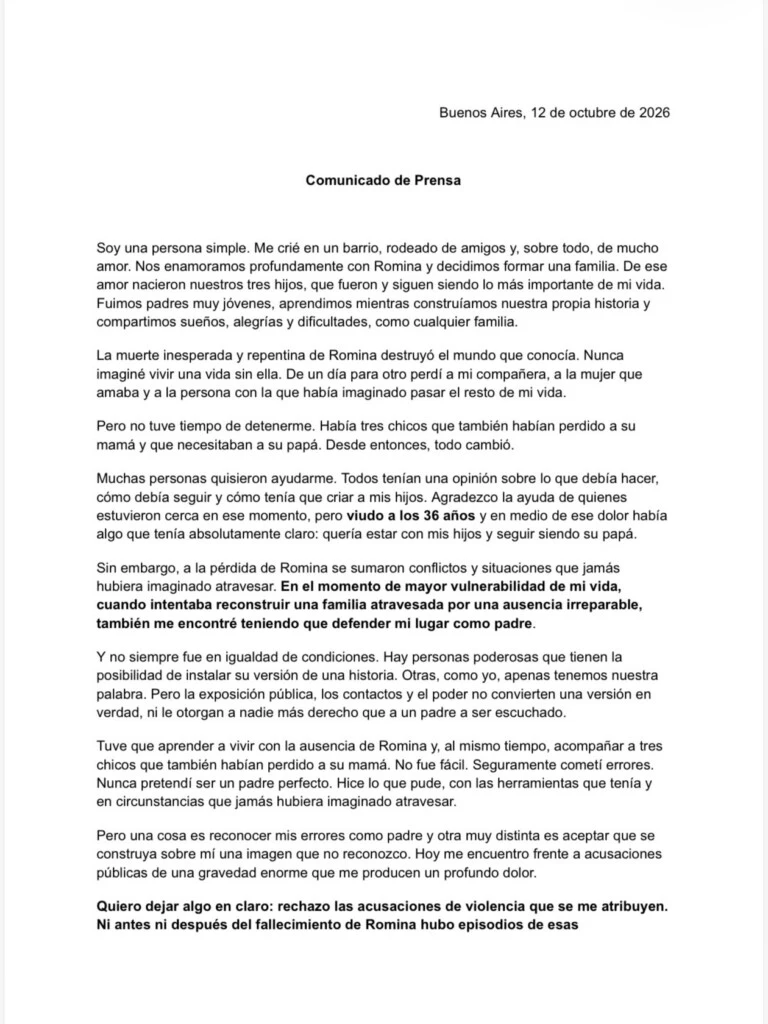
Giordano maintained that the alleged events were the subject of a court case and he stated that it was dismissed in 2018. “As I have always maintained, those events that are alleged never occurred and, therefore, were never proven,” he said. The court ruling mentioned is part of his defense; its scope should be distinguished from the statements his children made publicly about their experiences during childhood.
Darío Giordano questioned the power of the Yankelevich family
In the statement, Giordano recalled the beginning of his relationship with Romina and the decision to start a family. He also spoke about the impact the actress’s death had on his life, which occurred on September 28, 2010, when his three children were young.
“The sudden and unexpected death of Romina destroyed the world I knew. I never imagined living a life without her,” he wrote. According to his account, he had to go through the mourning while trying to support his children, who had also lost their mother.
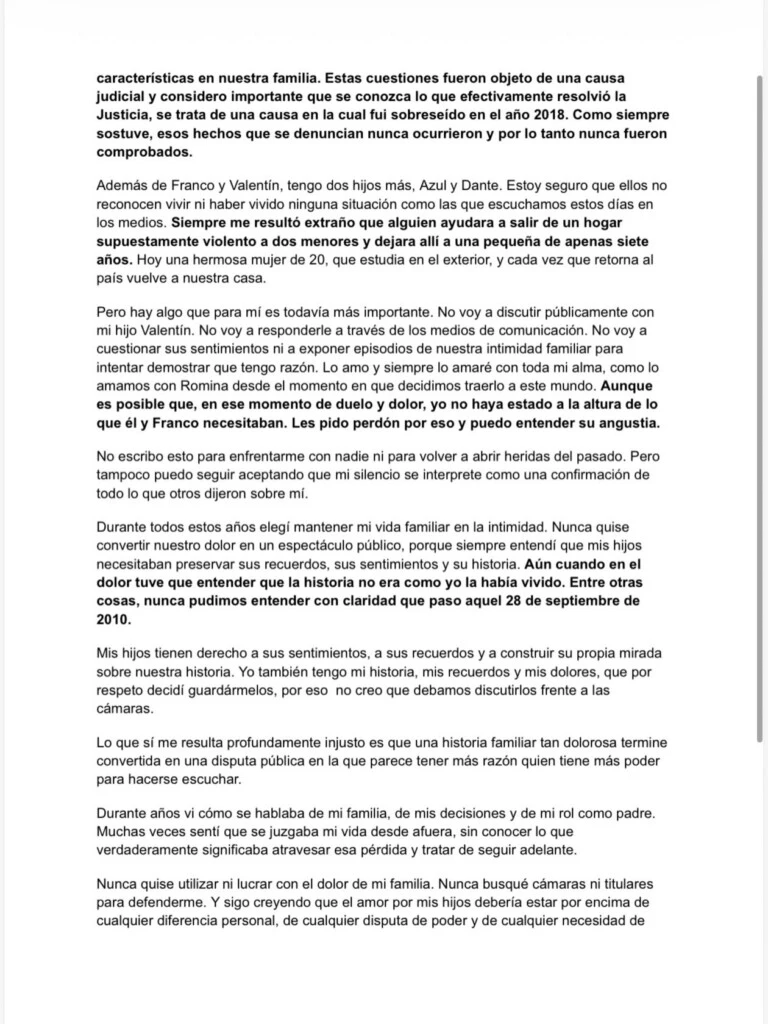
In that context, he asserted that, after Romina’s death, he found himself facing conflicts he did not expect and questions about his place as a father. “At the moment of the greatest vulnerability of my life, when I was trying to rebuild a family haunted by an irreparable absence, I also found myself having to defend my place as a father. And it was not always on equal terms,” he said.
He then pointed to the influence of his children’s maternal family, without directly naming Gustavo Yankelevich in that passage. “There are powerful people who have the ability to install their version of a story. Others, like me, barely have our voice,” he stated.
“But public exposure, connections, and power do not turn a version into the truth, nor do they give anyone else the right to be heard more than a father,” he added.
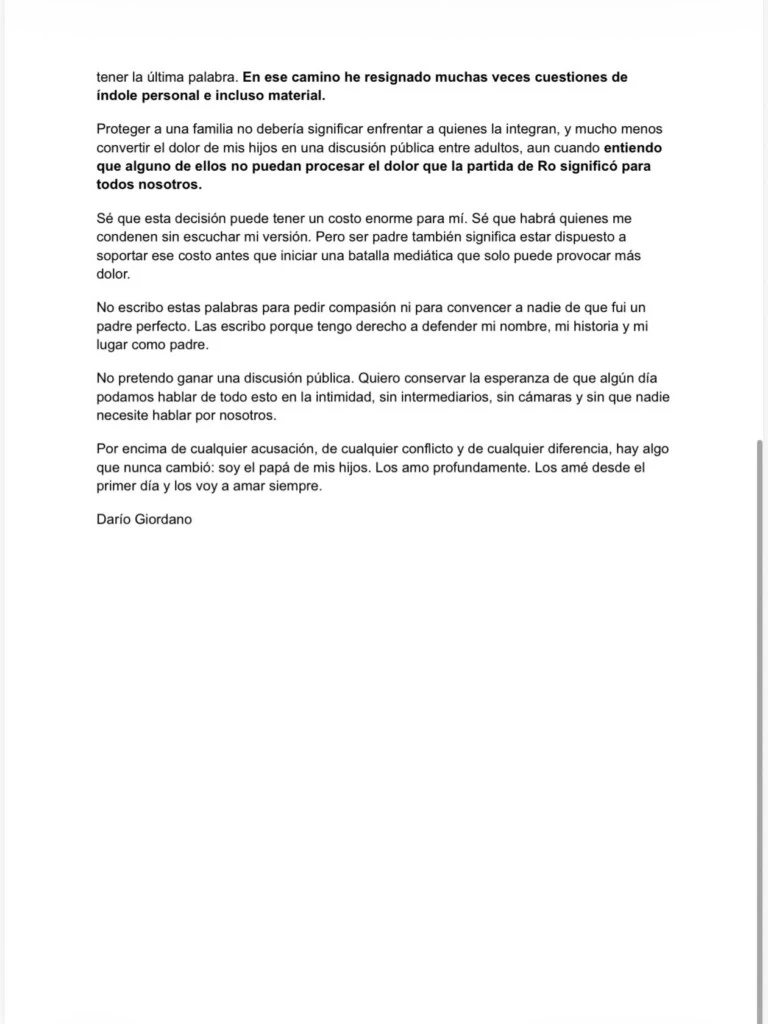
Giordano acknowledged that he may have made mistakes during parenting, though he drew a line between those potential missteps and the accusations he faces. “I never pretended to be a perfect father. I did what I could with the tools I had and under circumstances I never would have imagined going through. But one thing is to acknowledge my mistakes as a father, and another entirely to accept that an image is built around me that I do not recognize,” he said.
The reference to Azul and his explanation about raising his children
Another portion of the statement was devoted to his children and the different experiences that, according to Giordano, they endured within the family.
Besides Franco and Valentín, he mentioned Azul, Romina’s daughter, and Dante, whom he also included in his defense. “I am sure they do not recognize living or having lived in any situation like the ones we have heard about in the media these days,” he stated.
Next, he posed a question about the decision for Franco and Valentín to leave the paternal home while Azul remained with him: “I have always found it strange that someone would help two minors leave a supposedly violent home and thus leave behind a seven-year-old girl.”
About Azul, who is now 20 years old, he added that she studies abroad and that when she returns to the country, she comes back to his house.
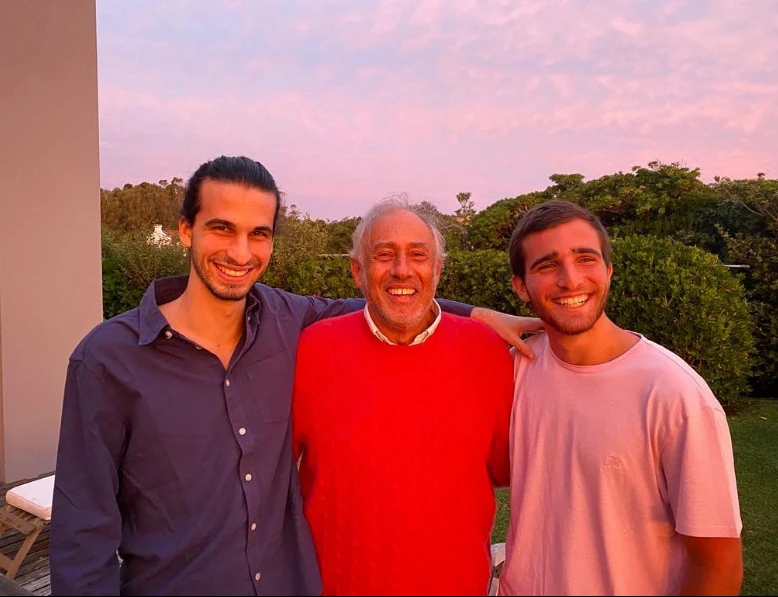
Giordano’s framing forms part of his version of the family history. In his public testimony, Valentín described another childhood experience and recounted episodes of violence that, he claimed, he and Franco endured. Both versions must remain differentiated and attributed to those who expressed them.
“I will not publicly argue with my son”: the apology to Franco and Valentín
Despite rejecting the accusations, Giordano stated that he does not want to respond to Valentín through the media and said that he does not intend to question his feelings or expose details of the family’s private life.
“I will not publicly argue with my son Valentín. I will not respond to him through the media. I will not question his feelings or expose episodes of our family intimacy to try to prove that I am right,” he wrote.
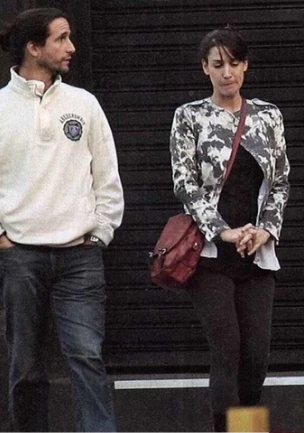
In one of the most meaningful passages of the statement, he acknowledged that perhaps he could not support his children as they needed during the mourning of their mother.
“Although it is possible that at that moment of mourning and pain I was not up to what he and Franco needed, I apologize for that and I can understand their distress,” he expressed.
However, he also questioned that the conflict be discussed publicly and suggested that Romina’s death pain could have influenced his relationship with his children.
“Protecting a family should not mean confronting those who make it up, and much less turning my children’s pain into a public dispute among adults, even though I understand that some of them may not be able to process Romina’s passing,” he stated.
The mention of Romina Yan’s death
Toward the end of the text, Giordano introduced a reference to Romina’s death that drew attention during the reading of the statement on LAM.
“Even though, in the pain, I had to understand that the story was not how I had lived it. Among other things, we could never clearly understand what happened on September 28, 2010,” he wrote, alluding to the day the actress died.
The phrasing prompted comments on the show, where it was interpreted as potentially raising questions about the circumstances of her death. However, the statement did not provide concrete elements that would allow determining what Giordano meant by that remark.
In the same section, he asserted that his children have the right to their memories and to construct their own view of the family history, but he urged that the conflict not become a public dispute.
“My children have the right to their feelings, to their memories, and to build their own view of our history. I also have my history, my memories, and my pains which, out of respect, I chose to keep to myself. That is why I do not think we should discuss it on camera,” he stated.
“I am the father of my children”: the closing of the statement
In the closing, Giordano stated that he does not aim to provoke a public confrontation, although he considered it necessary to defend himself against the accusations. He also ensured that for years he tried to keep the family’s privacy away from the media.
“I am not writing these words to seek compassion or to convince anyone that I was a perfect father. I write them because I have the right to defend my name, my history, and my place as a father,” he stated.
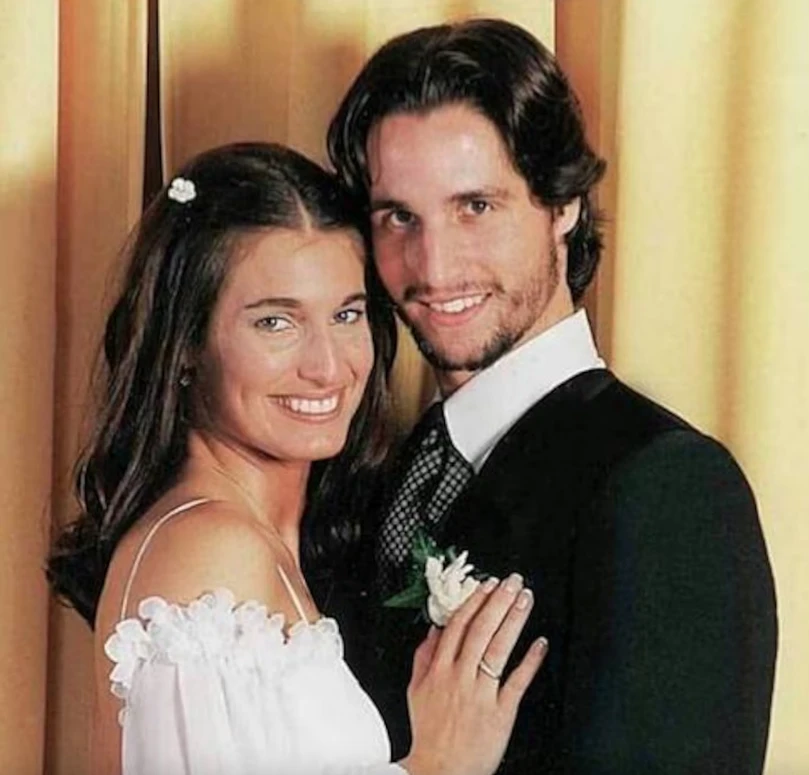
Finally, he expressed a wish to be able to speak with his children in private someday and again emphasized the bond that unites them.
“Above any accusation, any conflict, and any difference, there is something that never changed. I am the father of my children. I love them deeply. I loved them from the first day and I will always love them,” he concluded.
The statement from Giordano comes after Valentín publicly shared an account of his childhood that placed at the center the violence he said he experienced with Franco. While Giordano denies those events and presents his own version of the family story, the brothers’ testimonies and Gustavo Yankelevich’s statements about what happened form part of a public discussion that requires distinguishing precisely the affirmations of each protagonist from the facts that may be corroborated.