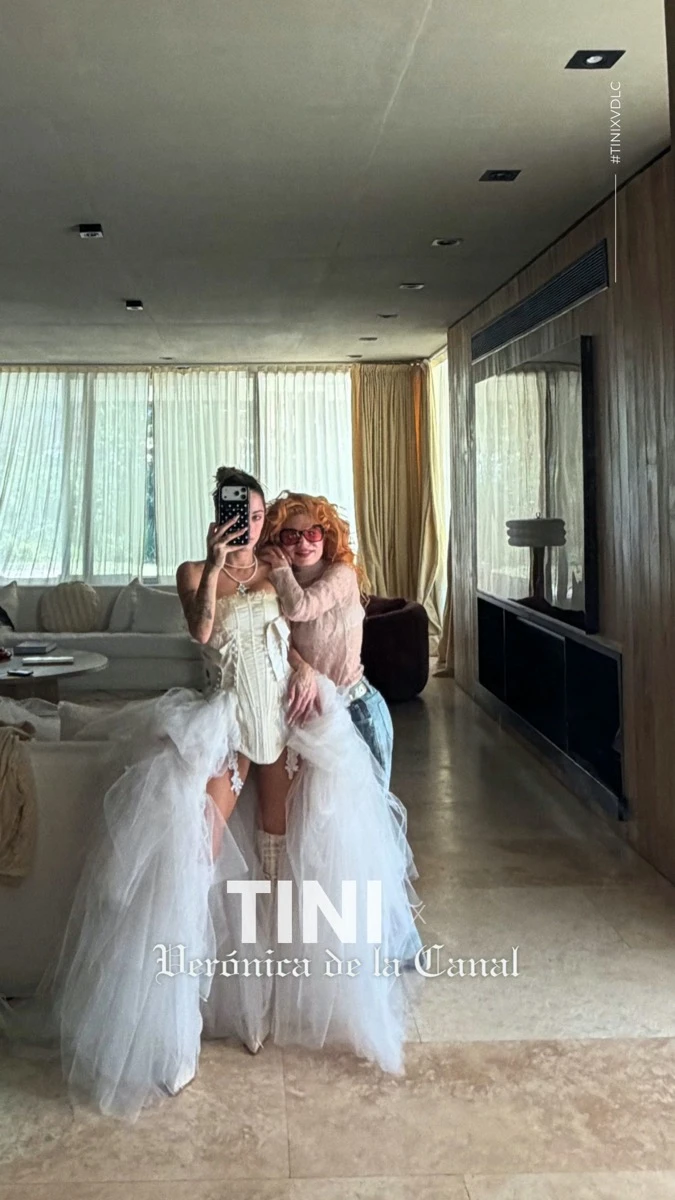
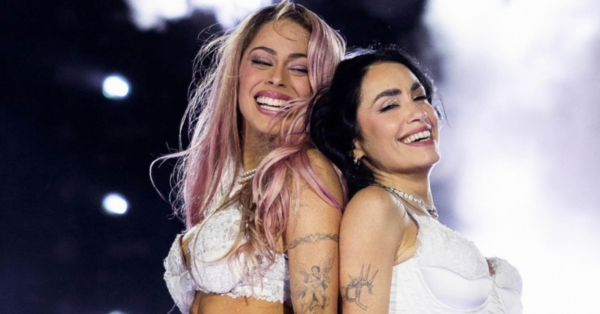
Verónica de la Canal explained how she designed the wedding dresses for Lali and Tini for their River performance and revealed the secrets of their construction.
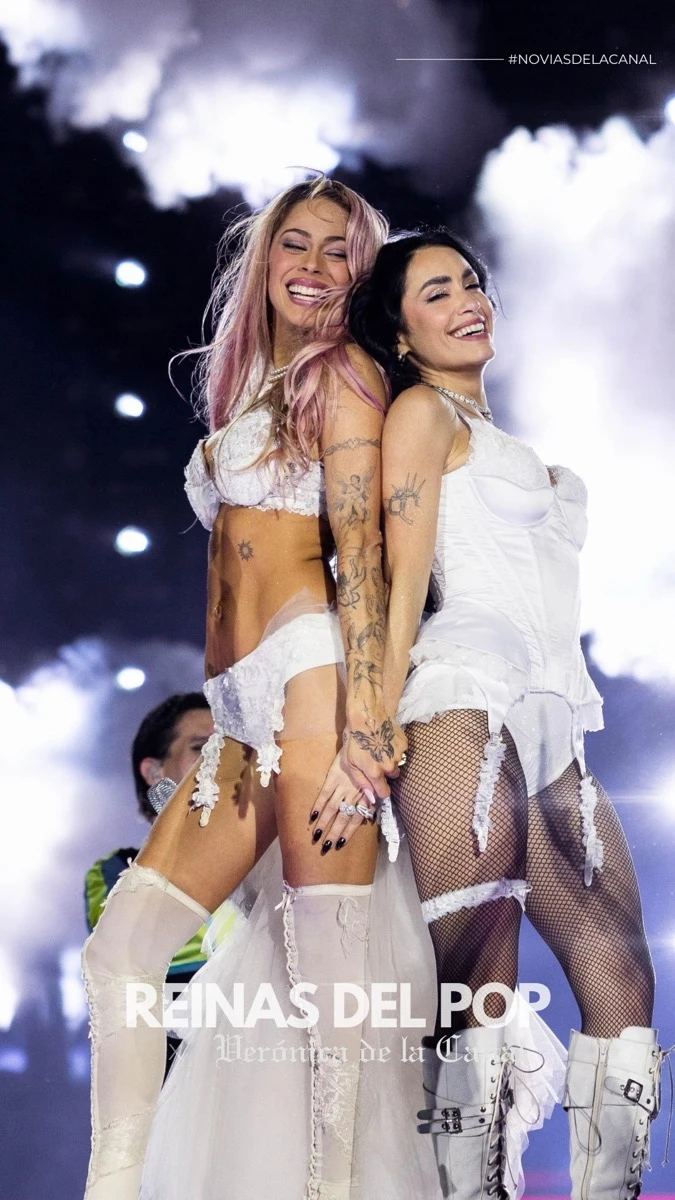
The meeting of Lali Espósito and Tini Stoessel at River continues to generate buzz. Dressed as brides, the two artists starred in one of the most talked-about moments of the concert, with a performance that paid homage to Madonna, Britney Spears, and Christina Aguilera at the 2003 MTV Video Music Awards.
Behind the dresses that accompanied that moment stood Verónica de la Canal, who created two designs especially for the occasion. In an exclusive interview with Para Ti, the designer explained how she received the proposal, what she sought to convey with each look, and which details made it possible for the singers to dance and sing with ease.
Verónica de la Canal and a proposal that moved her
The designer received the request from Lali and Tini’s stylists, who chose her to craft the wedding dresses that both would wear on stage. The news took her by surprise and thrilled her from the very first moment.
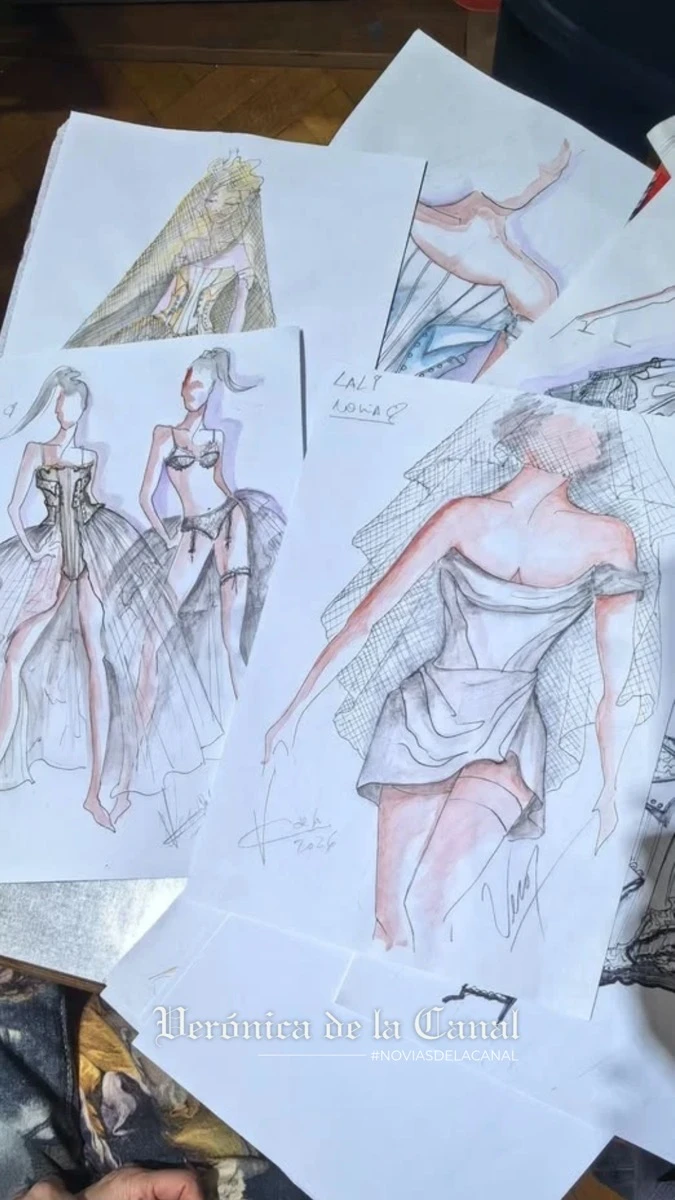
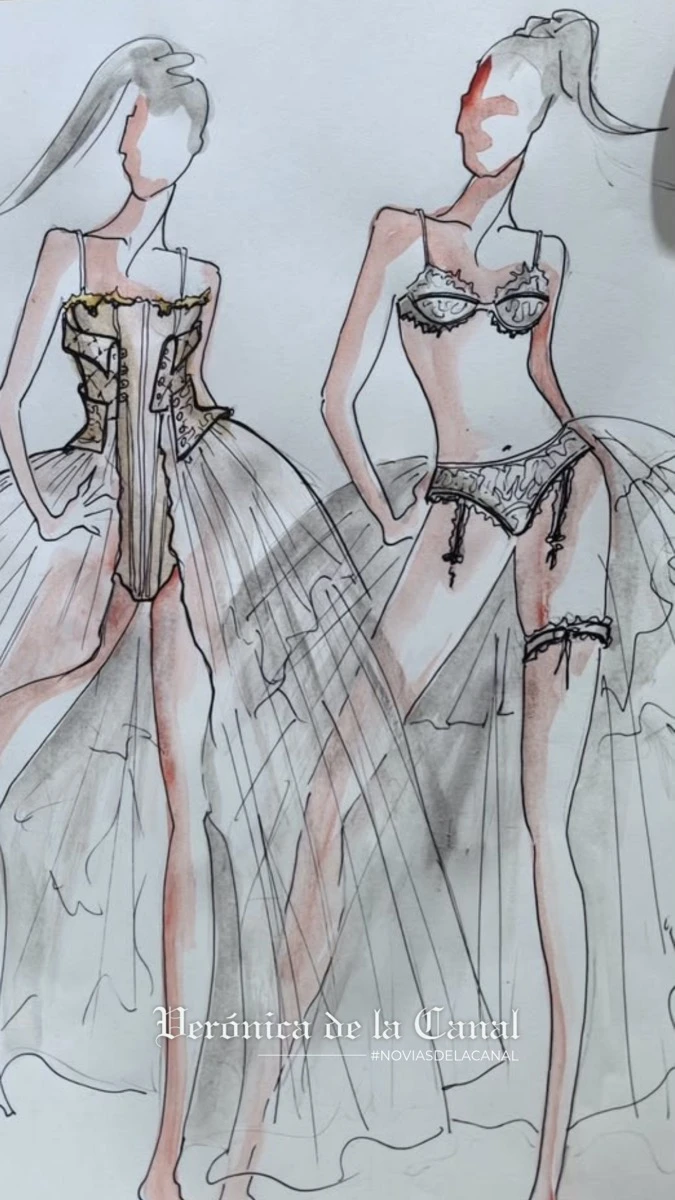
“The creative process was very exciting and vertiginous. Receiving the proposal from both stylists that Lali and Tini chose me to make their wedding dresses was really exciting, since they are the brides of the moment”, she told Para Ti.
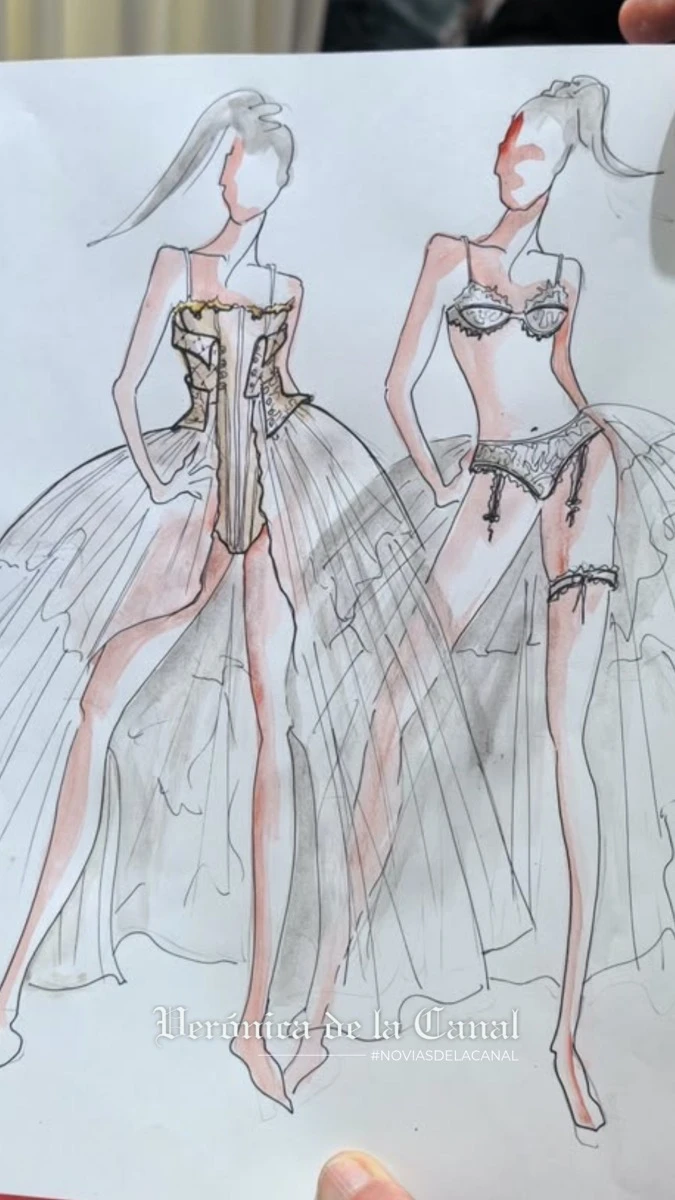
For De la Canal, furthermore, the opportunity carried a special meaning: to be part of a moment in Argentine pop culture that revived one of the most memorable performances in international music.
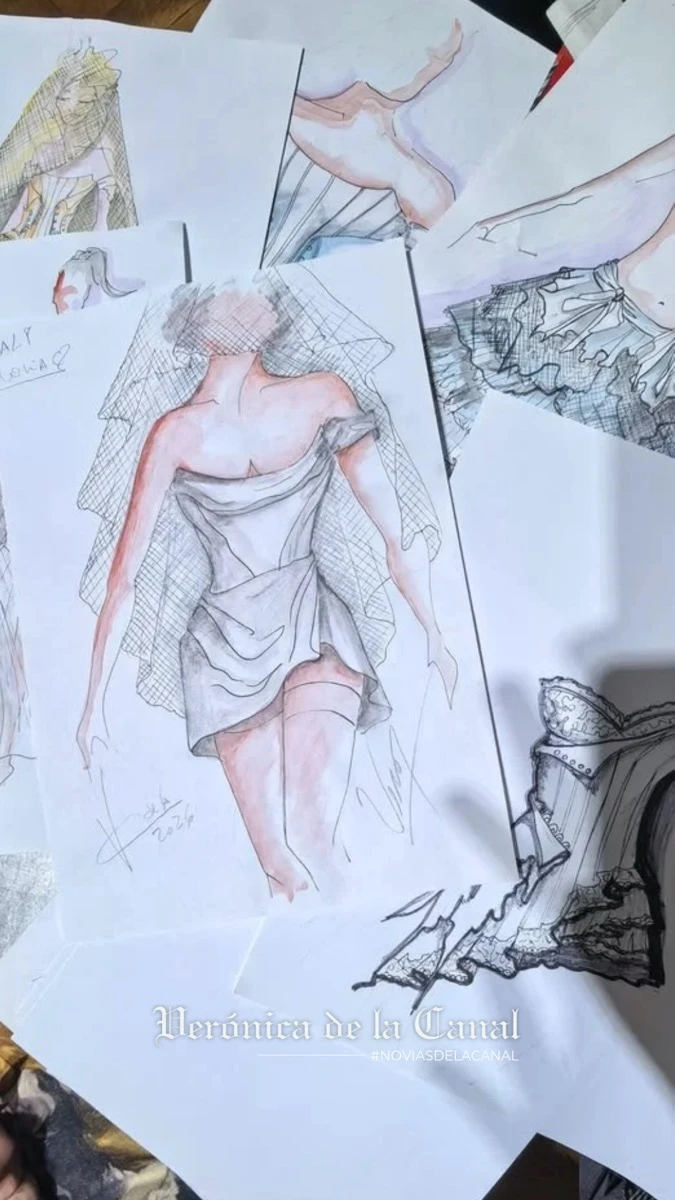
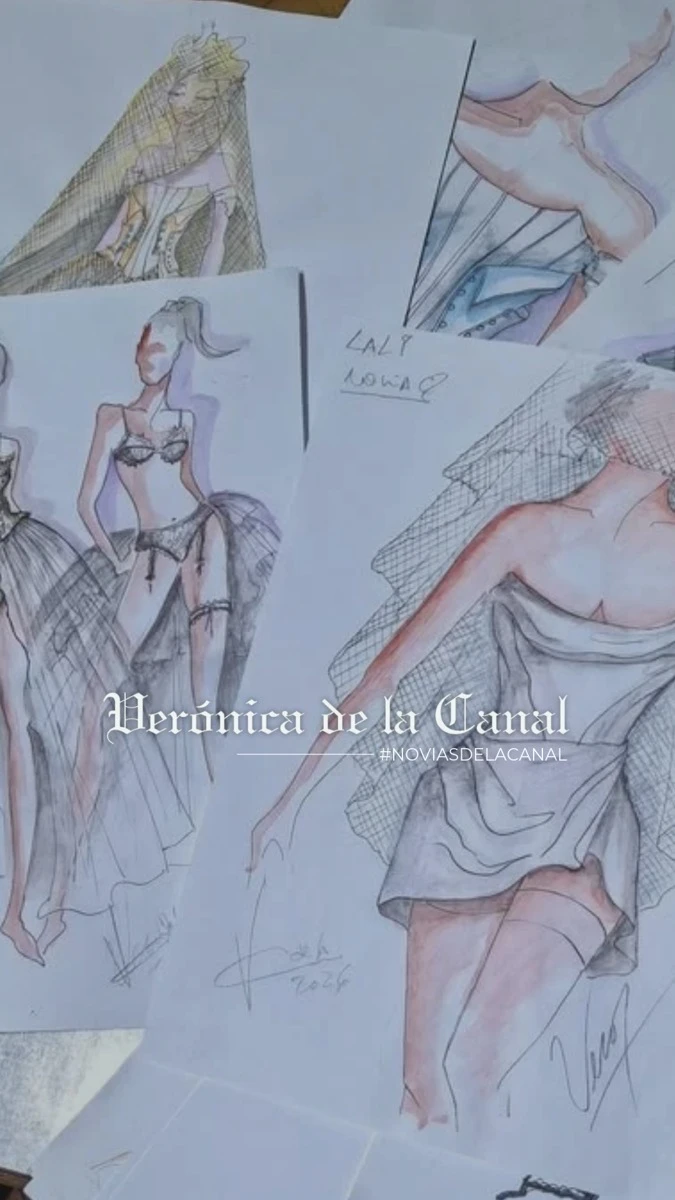
Two bridal gowns with different personalities
From the initial talks with the stylists, the designer was clear: the dresses had to retain her signature while also reflecting each artist’s personality.
“They always give me a lot of freedom. I wanted them to feel comfortable with their looks and, while they carry my DNA, each one would remain herself, with her personality and attitude”, she explained.
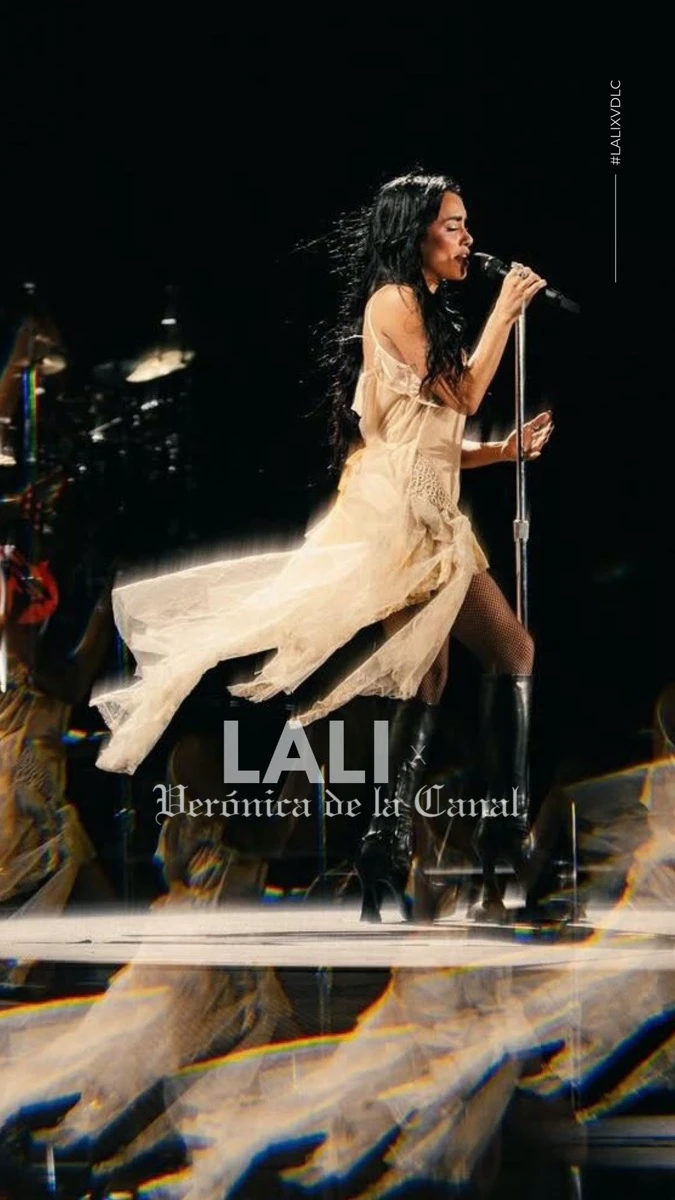
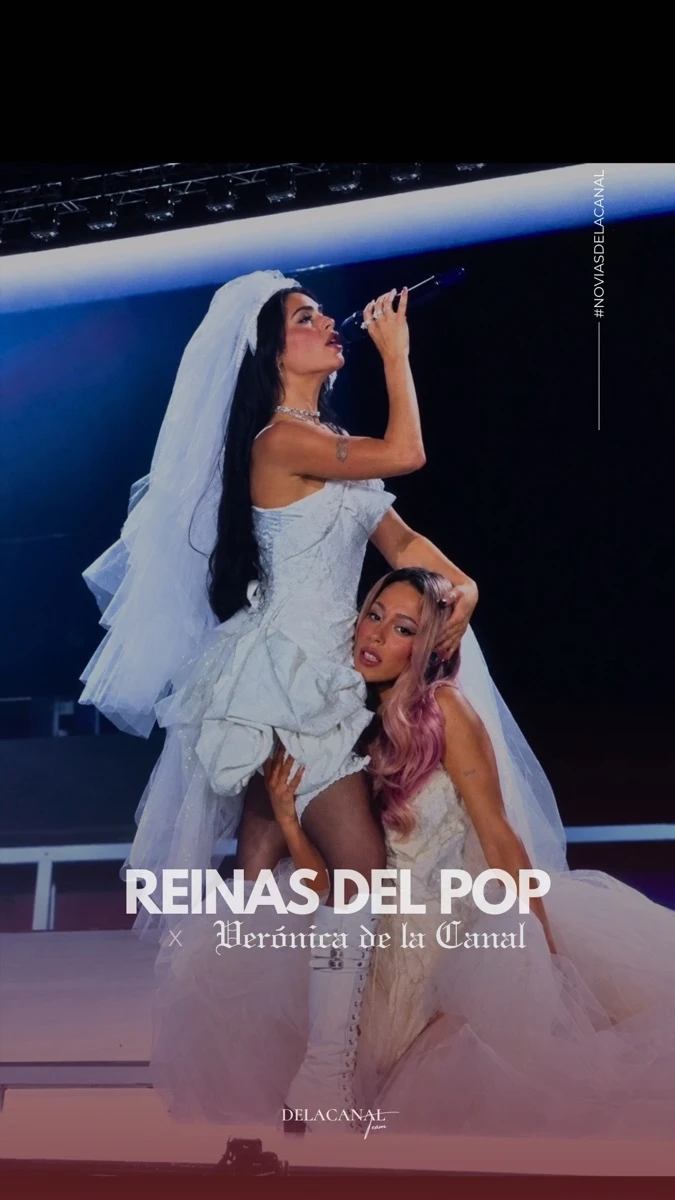
The aesthetic proposal was defined with a color difference: Lali would wear a white dress, while Tini chose an ivory tone. Two choices that allowed the designs to be distinguished without losing the visual unity of the scene.
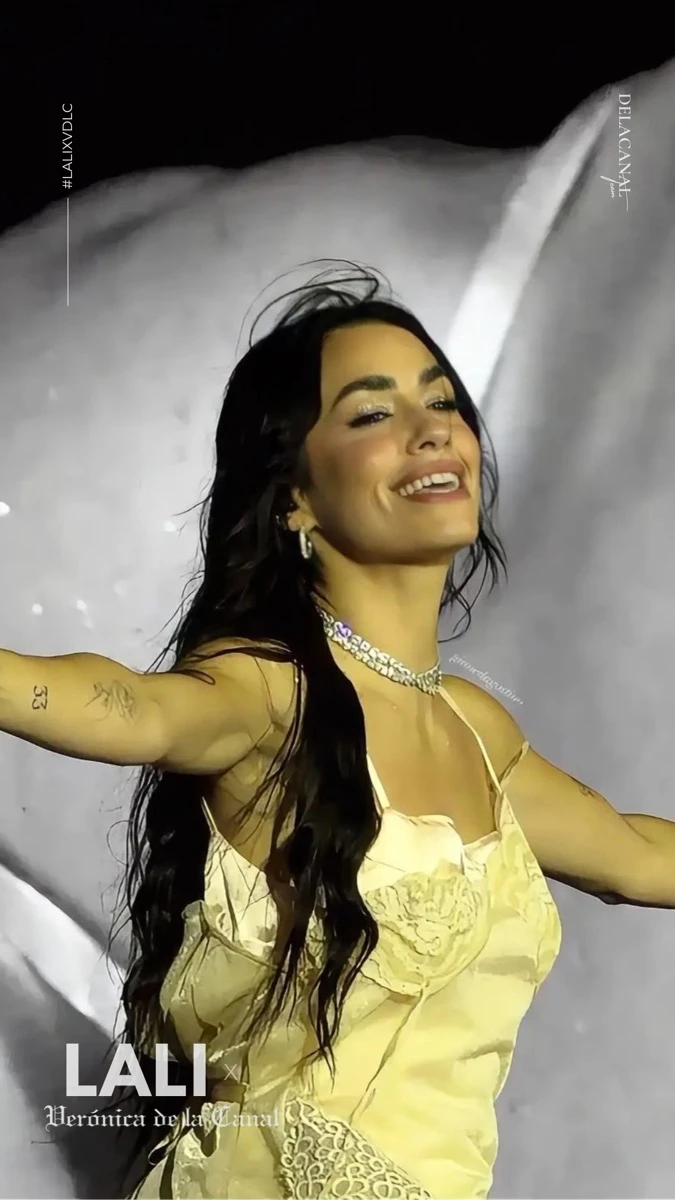
Silk brocade, lace, and pearls: the details of each look
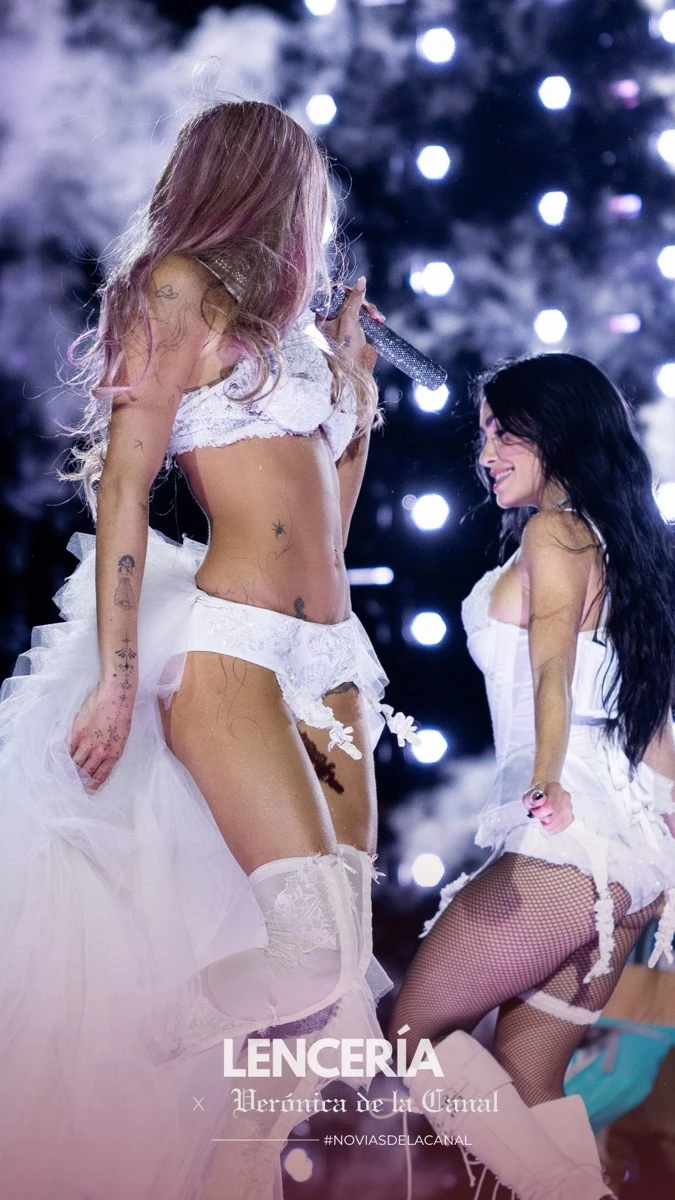
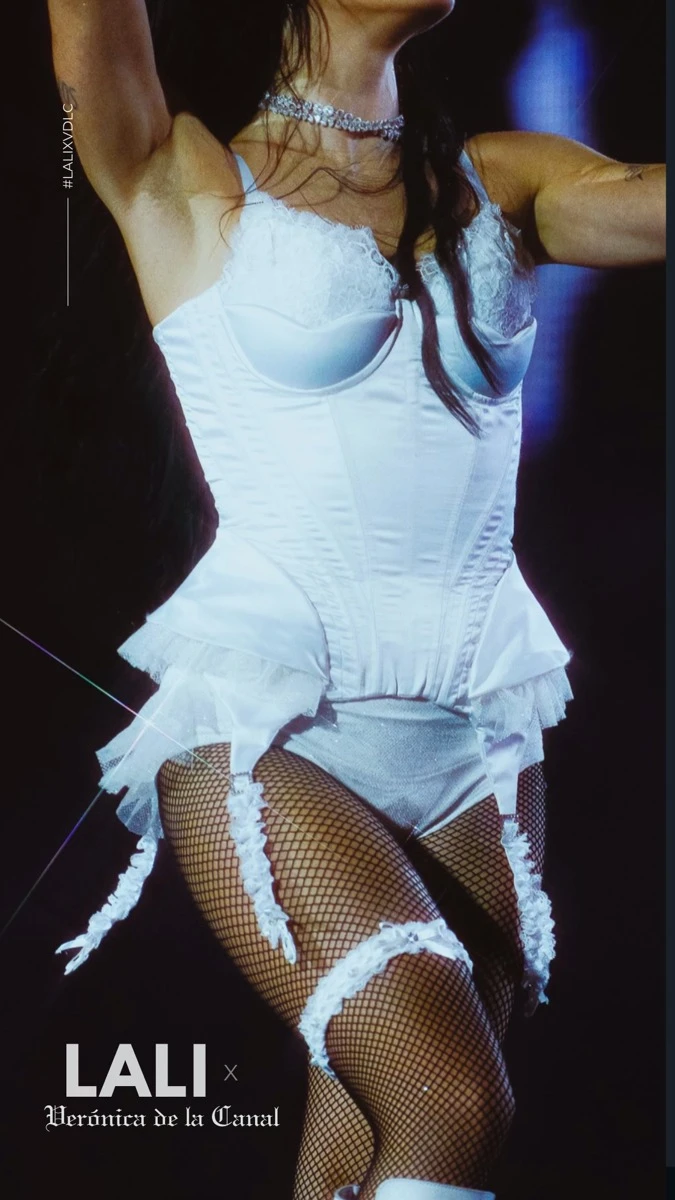
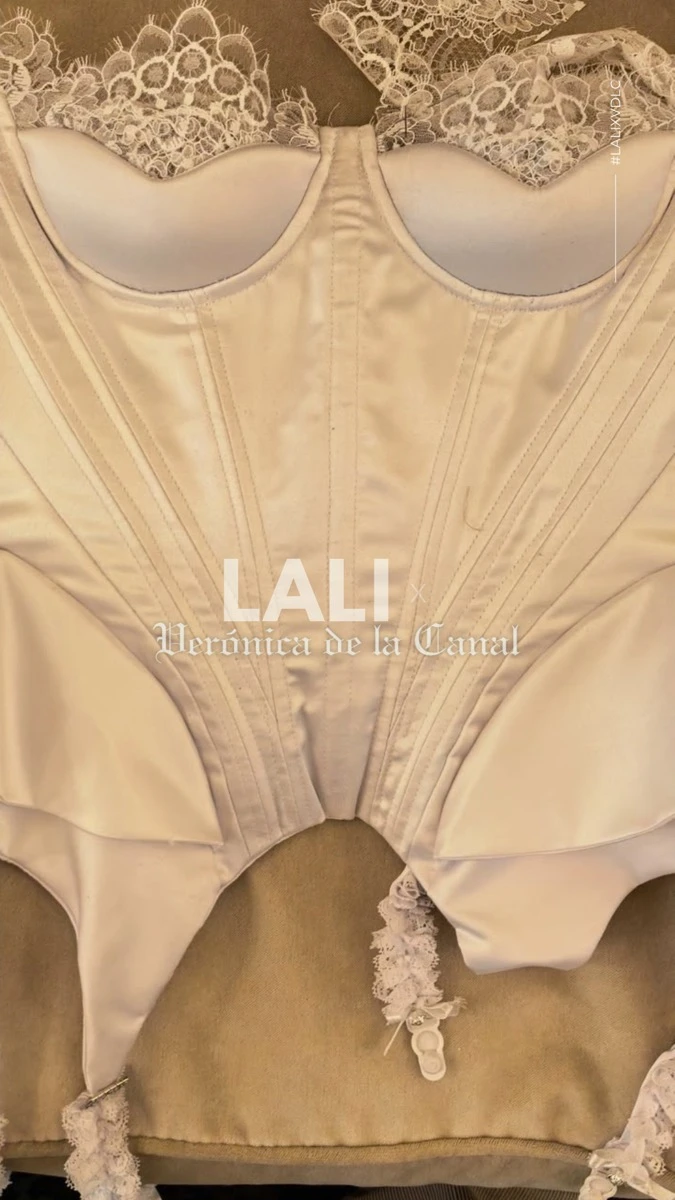
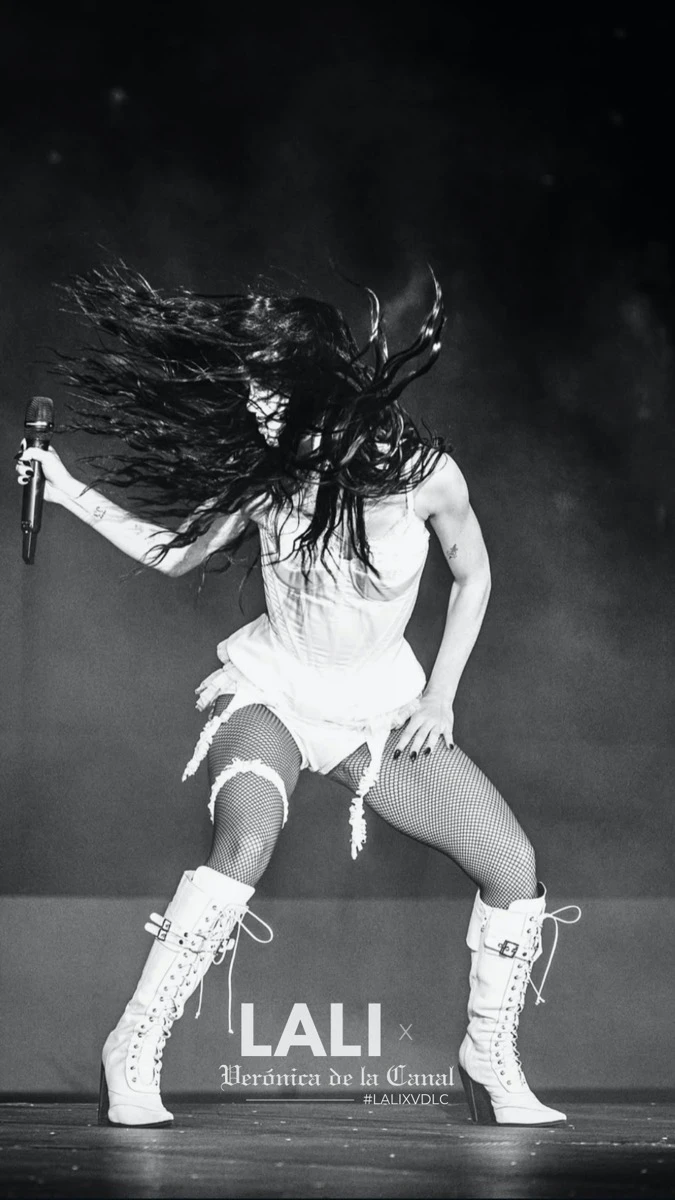
For Lali, De la Canal chose a natural white silk brocade worked with silver threads. The design combined that fabric with a Chantilly lace corset embroidered with crystals and a garter belt, in a proposal that incorporated different elements of bridal lingerie.
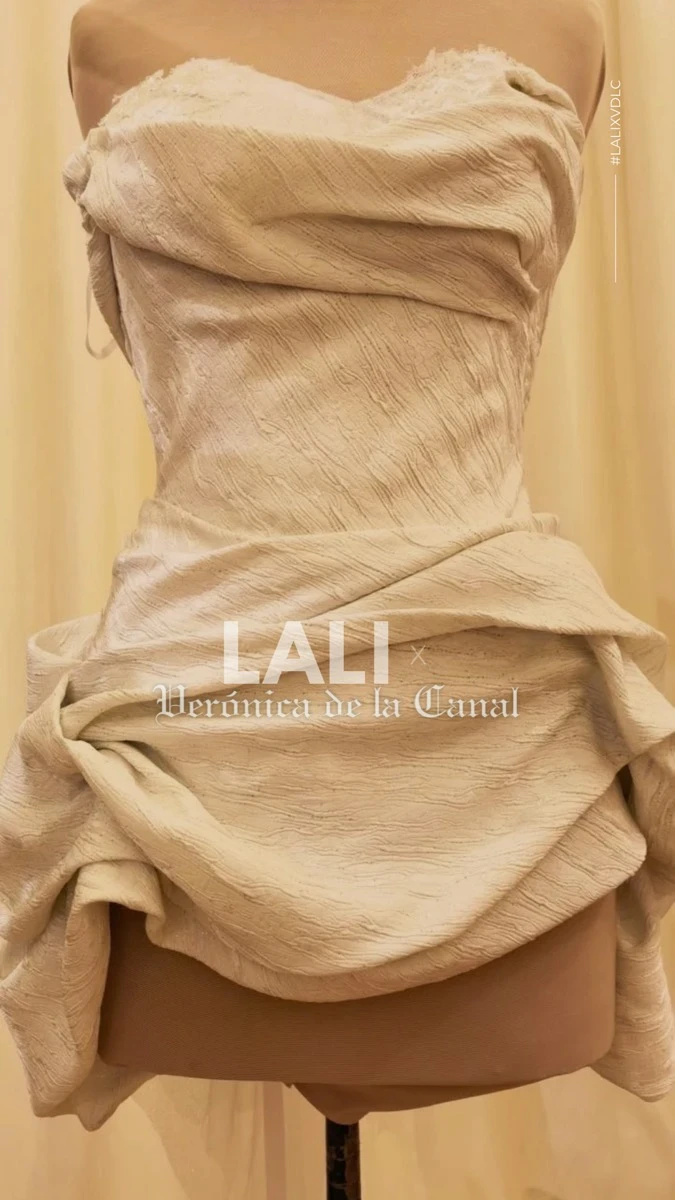
In Tini’s case, the designer opted for a blend of textures. The dress gathered natural silk, pearl-embroidered silk shantung, and ivory-toned silk brocade. The ensemble was completed with a voluminous tulle skirt, which gave her silhouette presence and movement.
Although they shared bridal inspiration, the two designs had their own distinct features. The aim was for each singer to maintain her identity and for both to feel represented by what they wore.
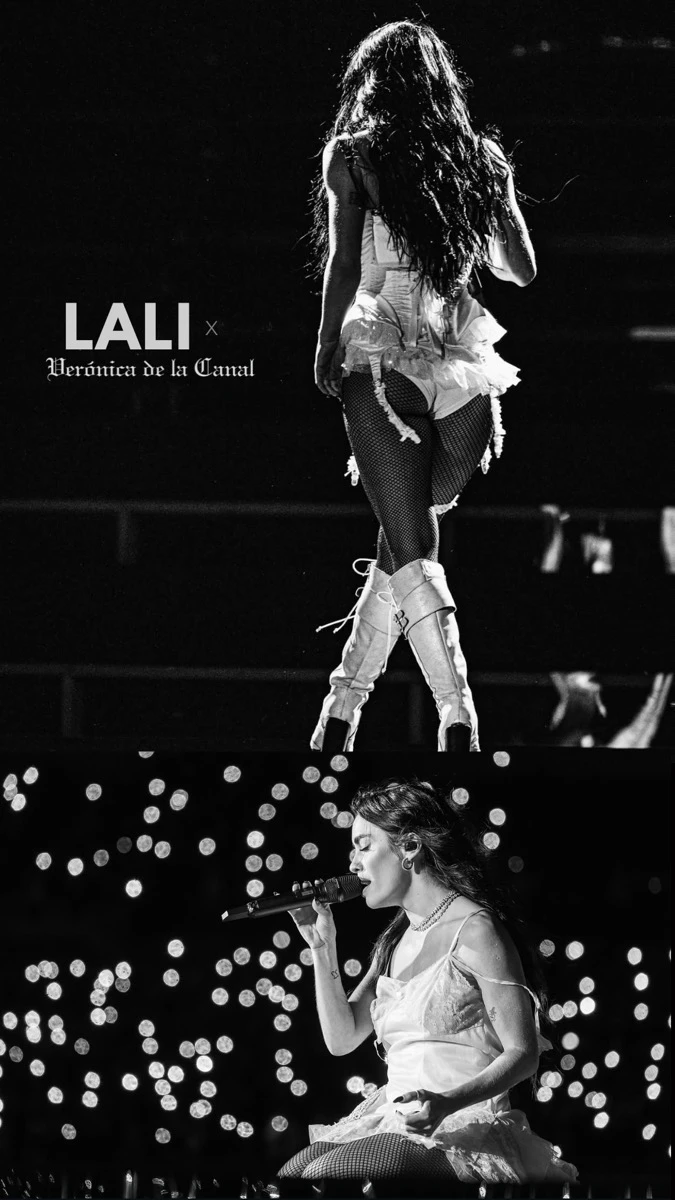
The secret of the dresses: comfort and quick changes
One of the main challenges of the creative process was to conceive the dresses as part of a musical performance. The artists had to be able to sing, dance, and move freely, but also change quickly to continue with the show.
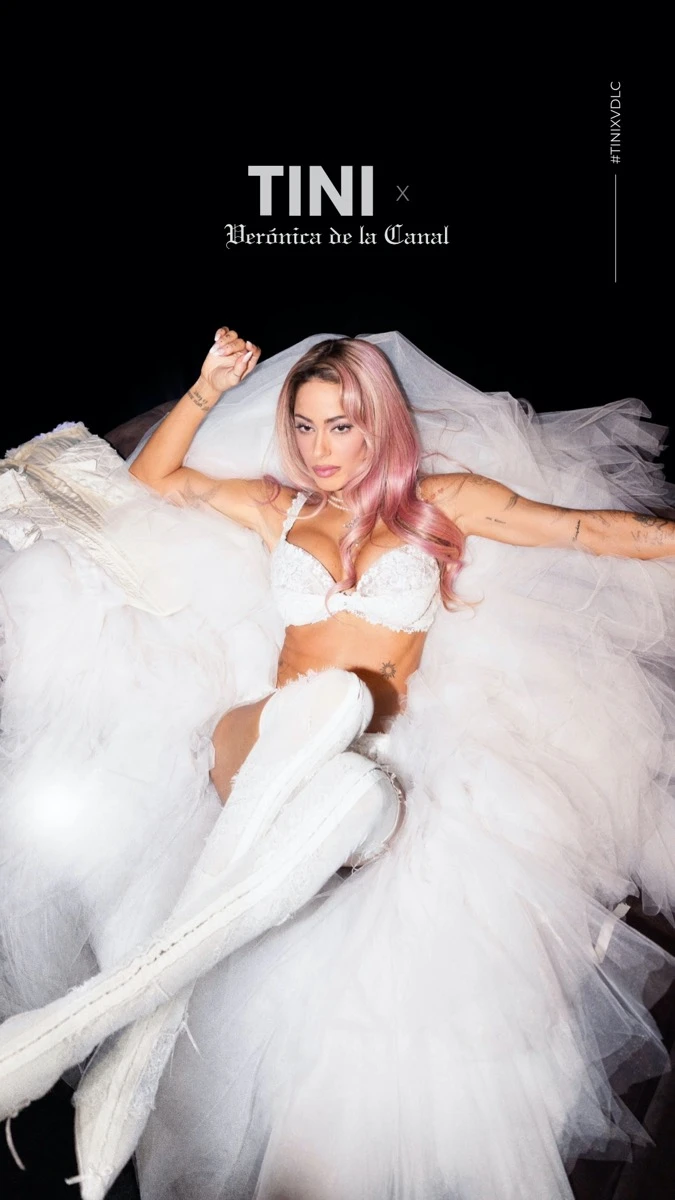
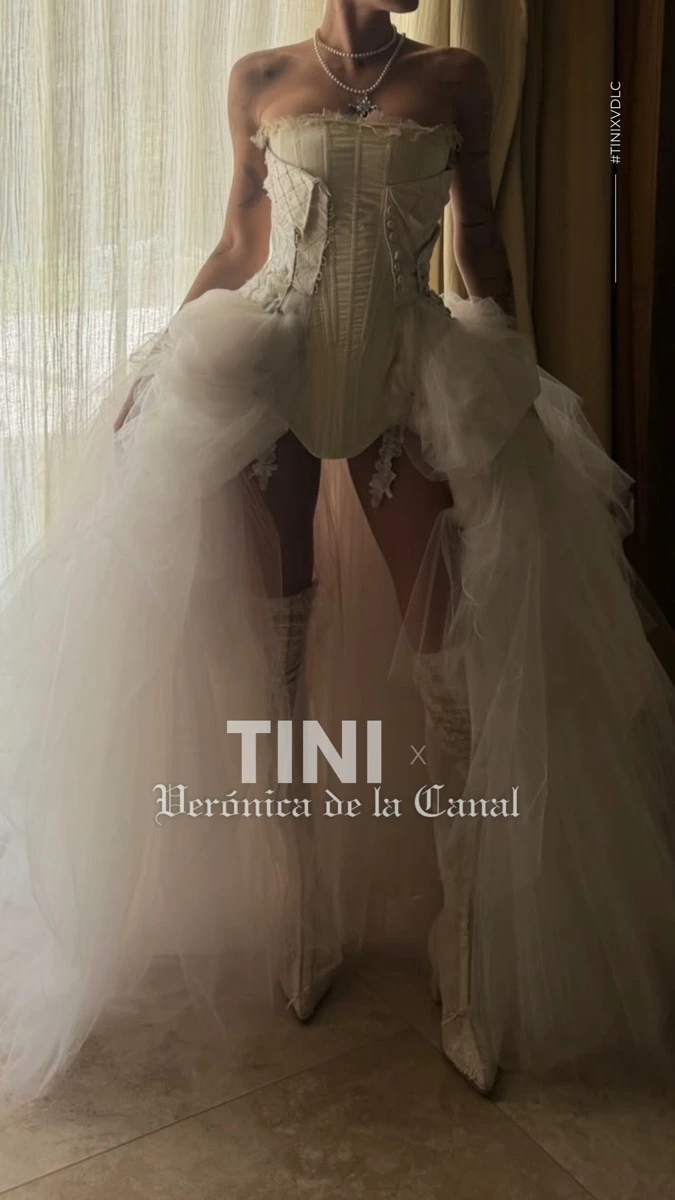
“The comfort of theirs was what I kept in mind when designing their looks. I wanted them to feel comfortable singing and dancing”, the designer explained.
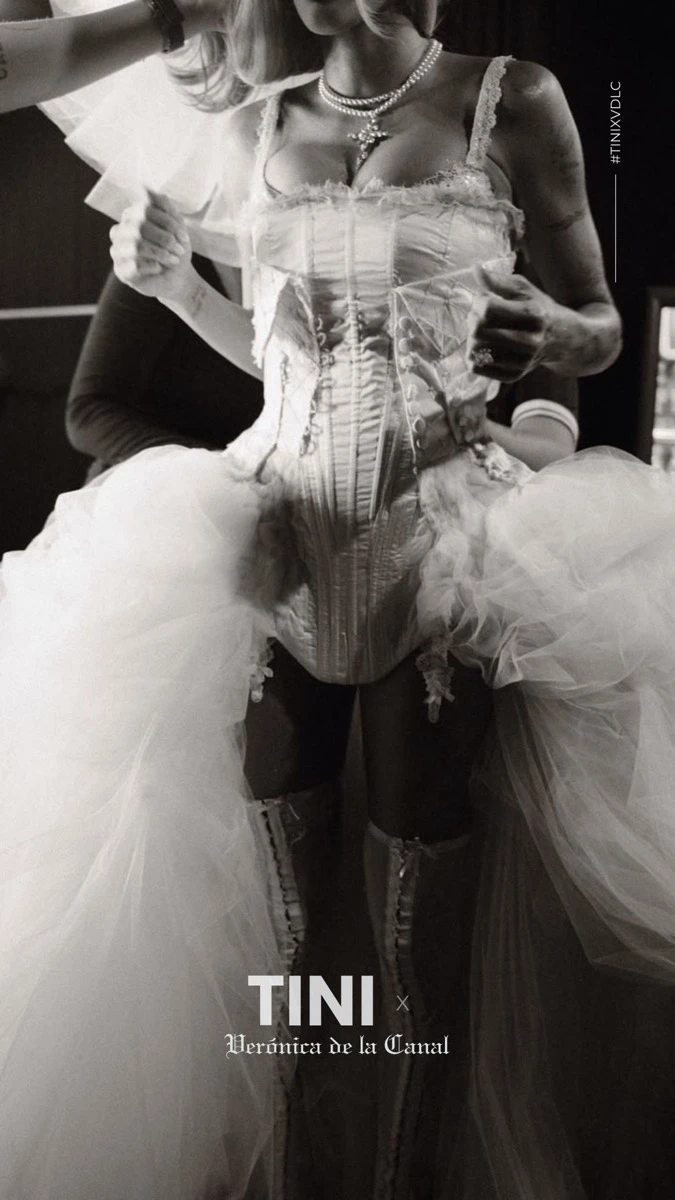
Hence, every detail was considered with the performance in mind. The dresses had to be able to be removed quickly to reveal the bridal undergarments worn underneath, consisting of lingerie pieces.
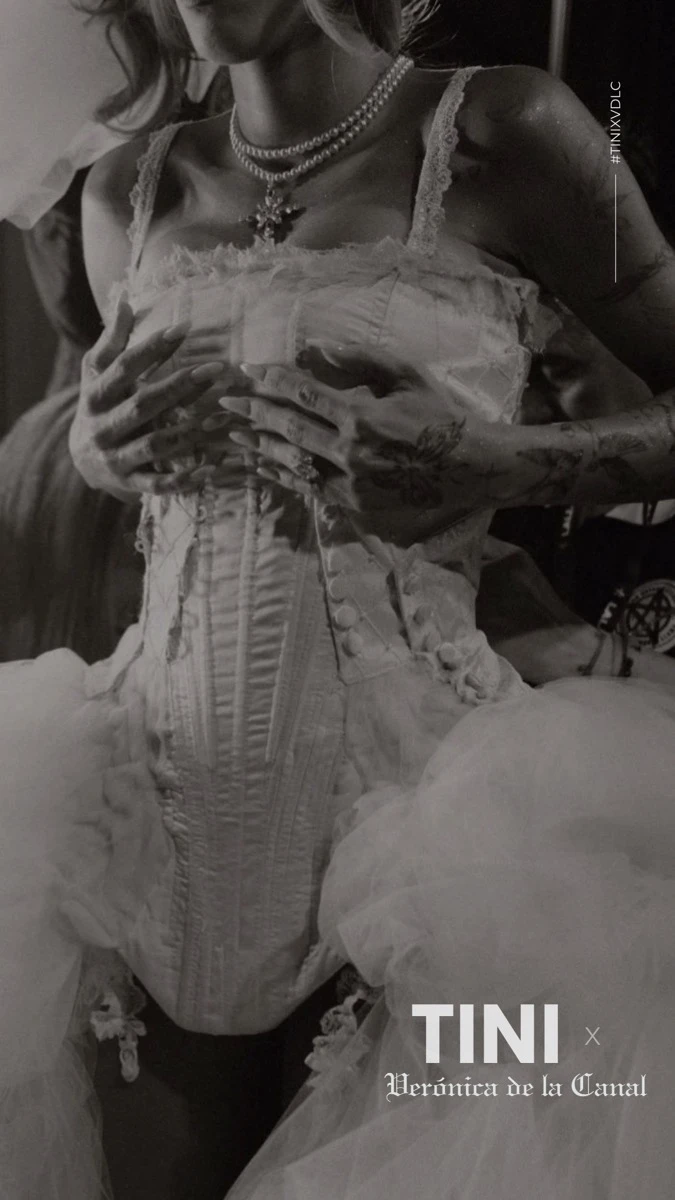
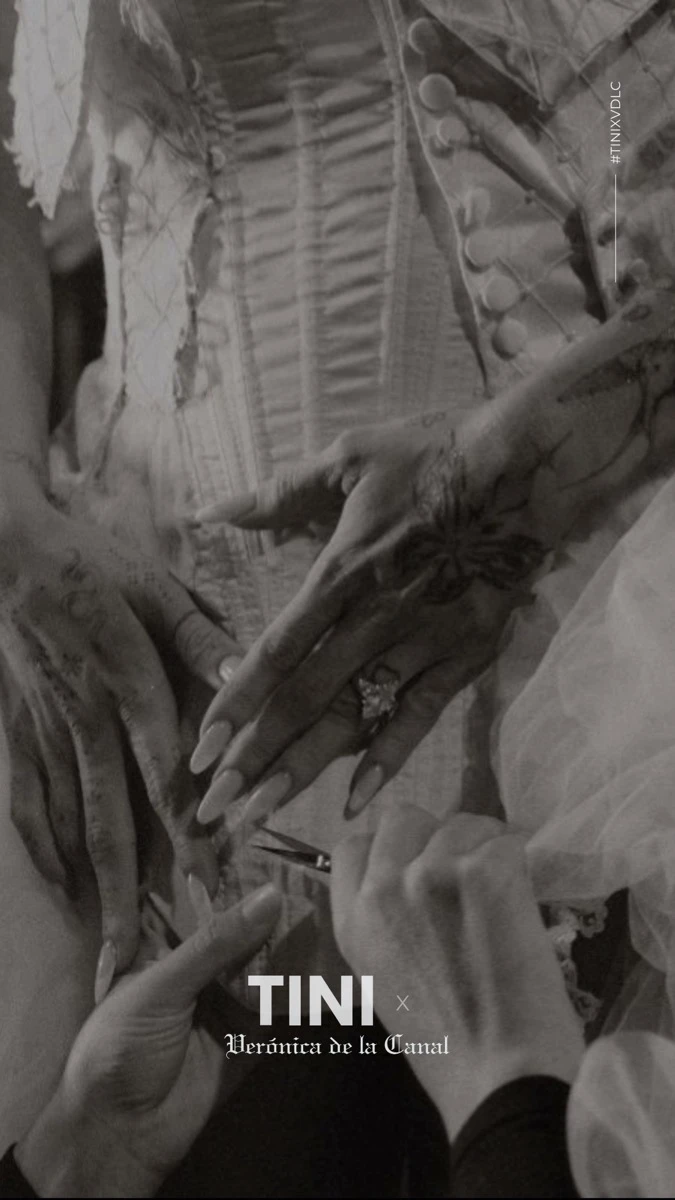
The solution also required integrating both parts of the wardrobe. The bustiers were designed to look like part of the dresses, but once the artists removed them, they became lingerie. Thus, the aesthetic proposal and the show’s needs were integrated into a single design.
A design job thought for pop culture
Lali and Tini’s River performance had a reach that went beyond the recital. The recreation of an iconic MTV Video Music Awards scene found in the wedding dresses a central element of its staging.
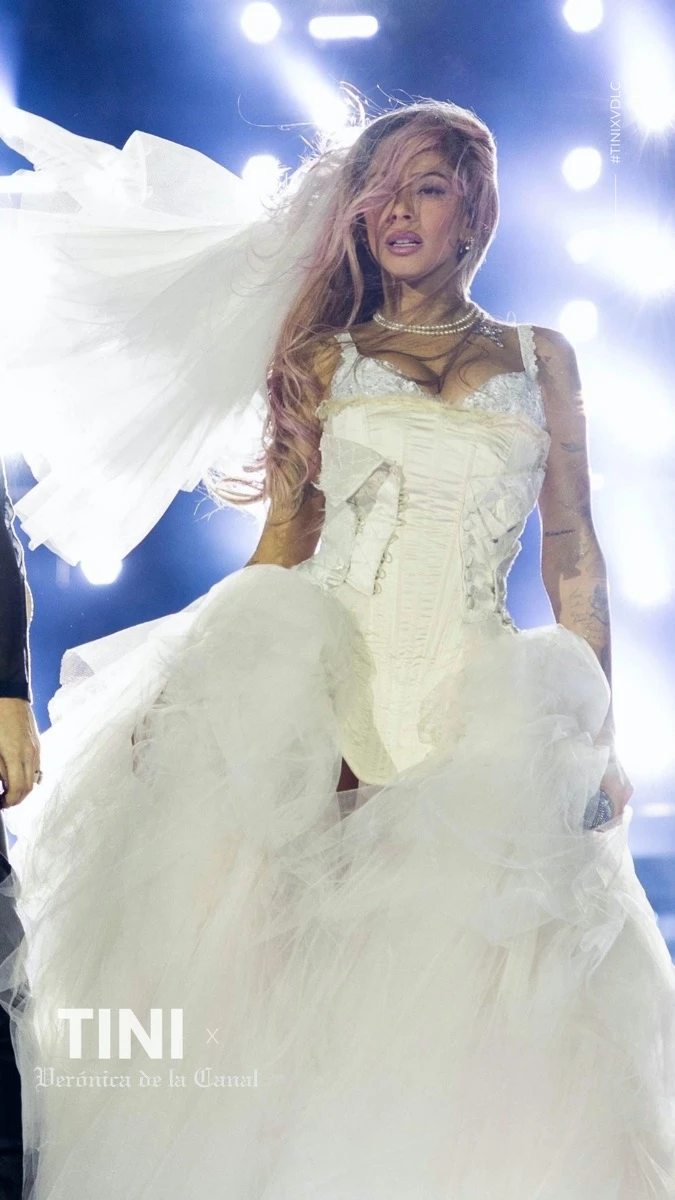
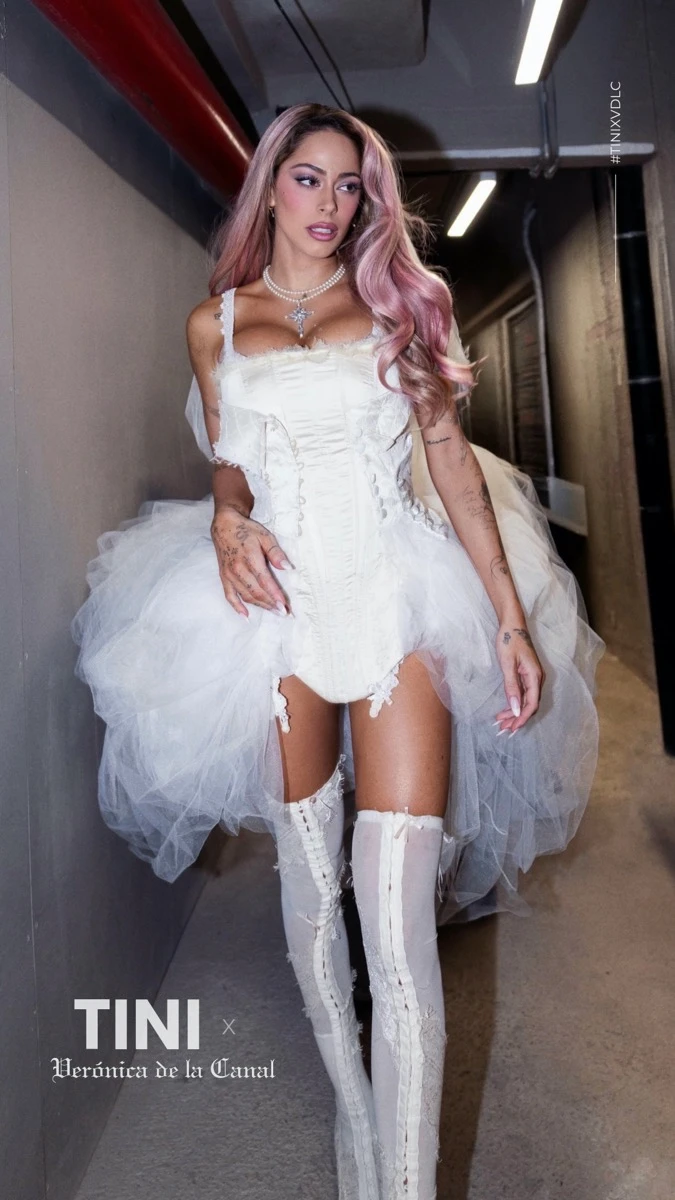
For Verónica de la Canal, the challenge was translating her design universe to a context different from a traditional ceremony. The dresses kept high-fashion details and bridal aesthetics, but also responded to the demands of a live show.
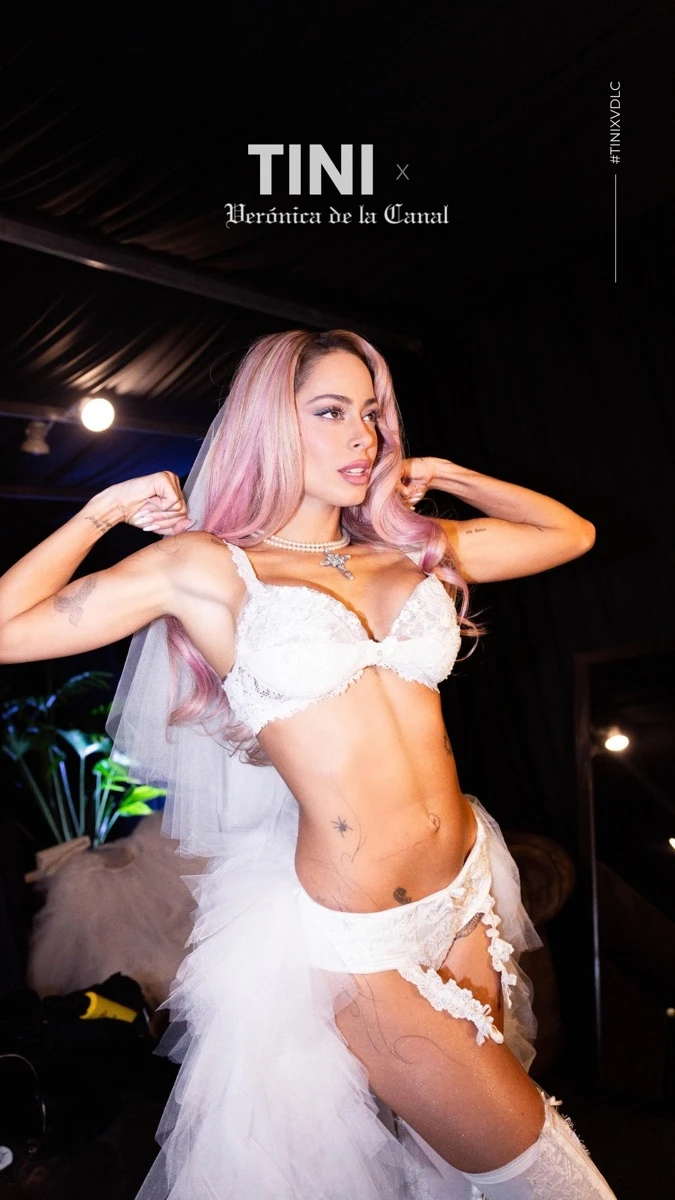
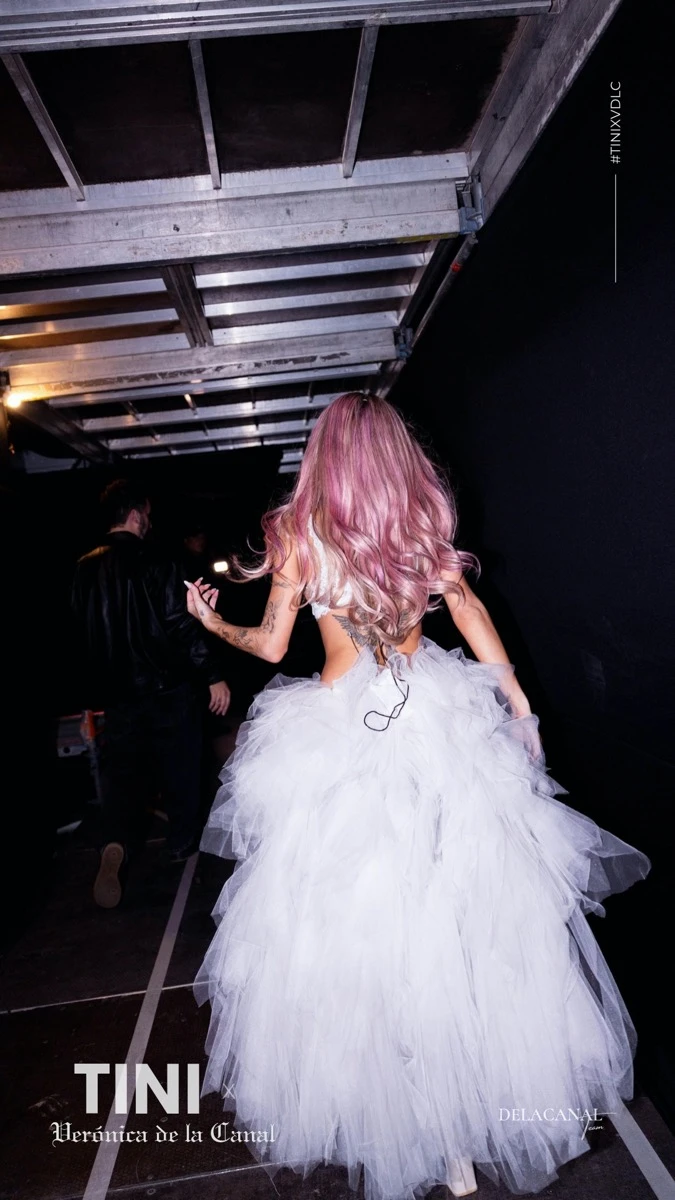
The result was a proposal in which each garment served a purpose beyond aesthetics: accompanying two artists in a performance that has already become one of the most talked-about moments in Argentine pop.