
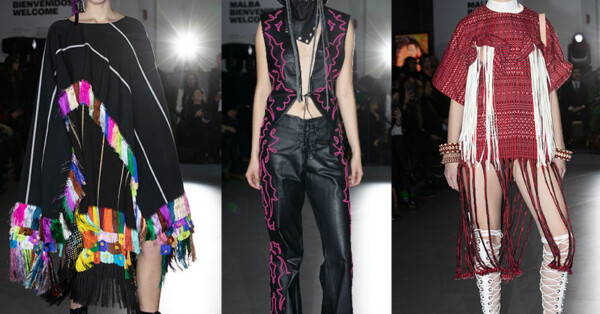
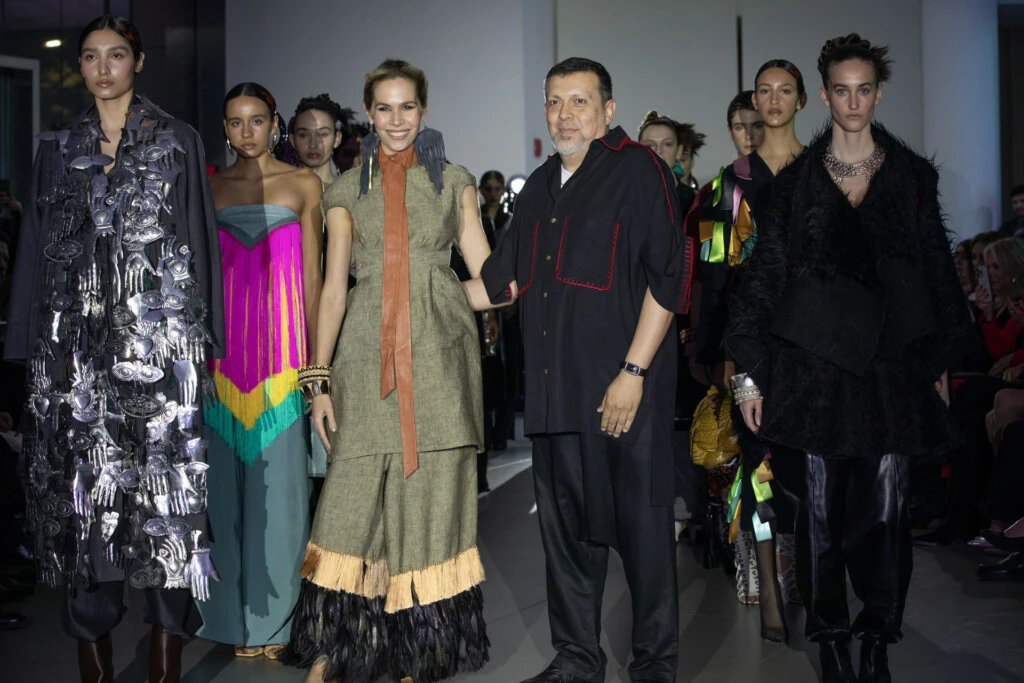
The third night of SAC, Haute Couture Week by Elina Costantini featured a guest arriving especially from Mexico. Carla Fernández, one of the most distinctive voices in Latin American design, presented at Malba “Retrospective”, a selection of 15 pieces that condensed some of the main codes that thread through her work.
More than presenting a seasonal collection, Fernández proposed a journey through her own creative language, built over years from the dialogue between contemporary design, ancestral techniques, and the work of Mexican artisan communities.
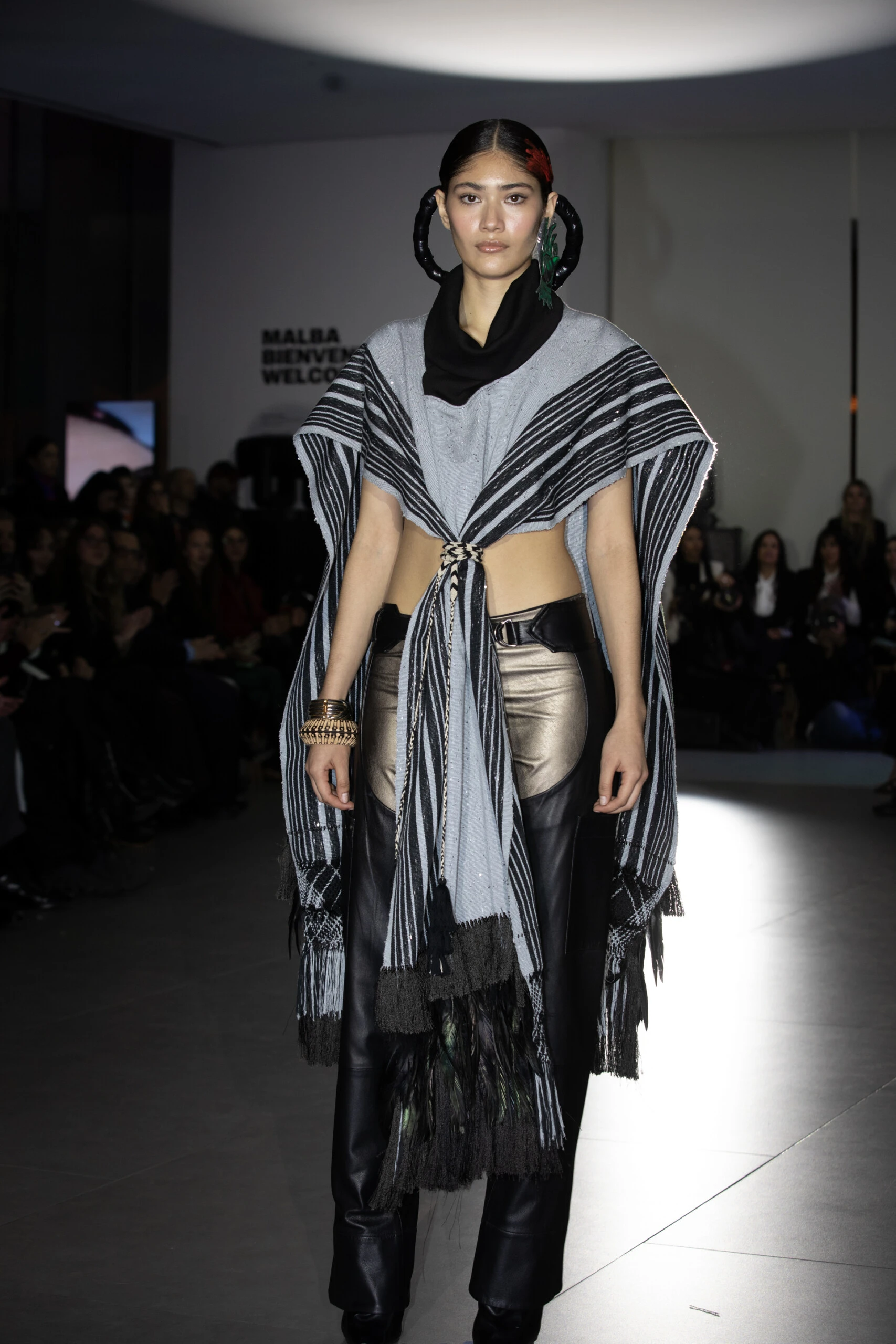
Her runway spoke of fashion, but also of identity, territory and memory.
Carla Fernández and a fashion deeply tied to Mexico
Born in Coyoacán, Carla Fernández developed an aesthetic difficult to separate from the cultural roots of her country.
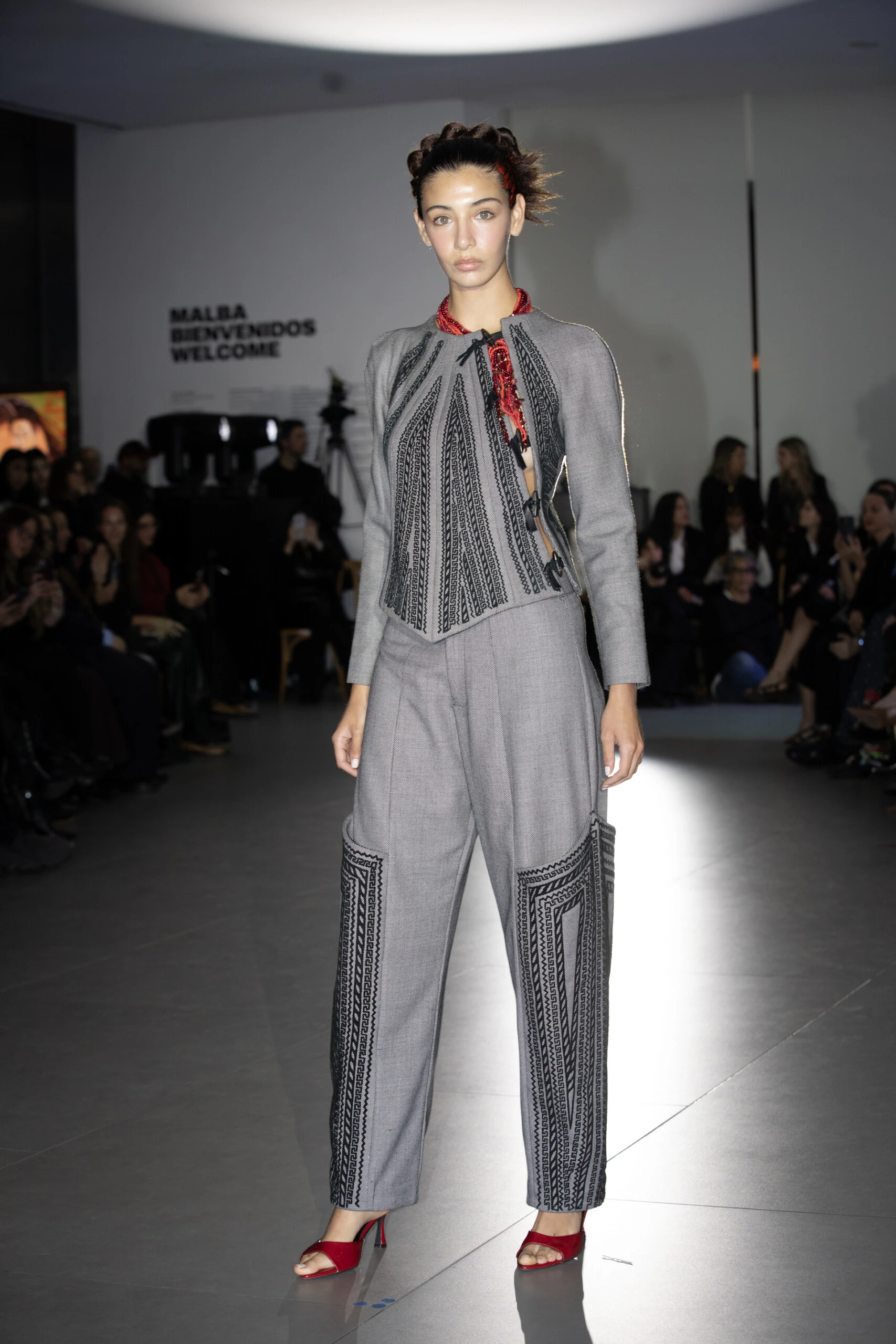
In her designs, contemporary forms, geometries, artisanal textiles, and techniques transmitted from generation to generation coexist. Far from using these references merely as decorative elements, the designer has made them a central part of her way of understanding fashion.
“Retrospective” allowed viewing that universe through 15 garments representing different stages of her career, where techniques, materials and concepts traced a map of her work.
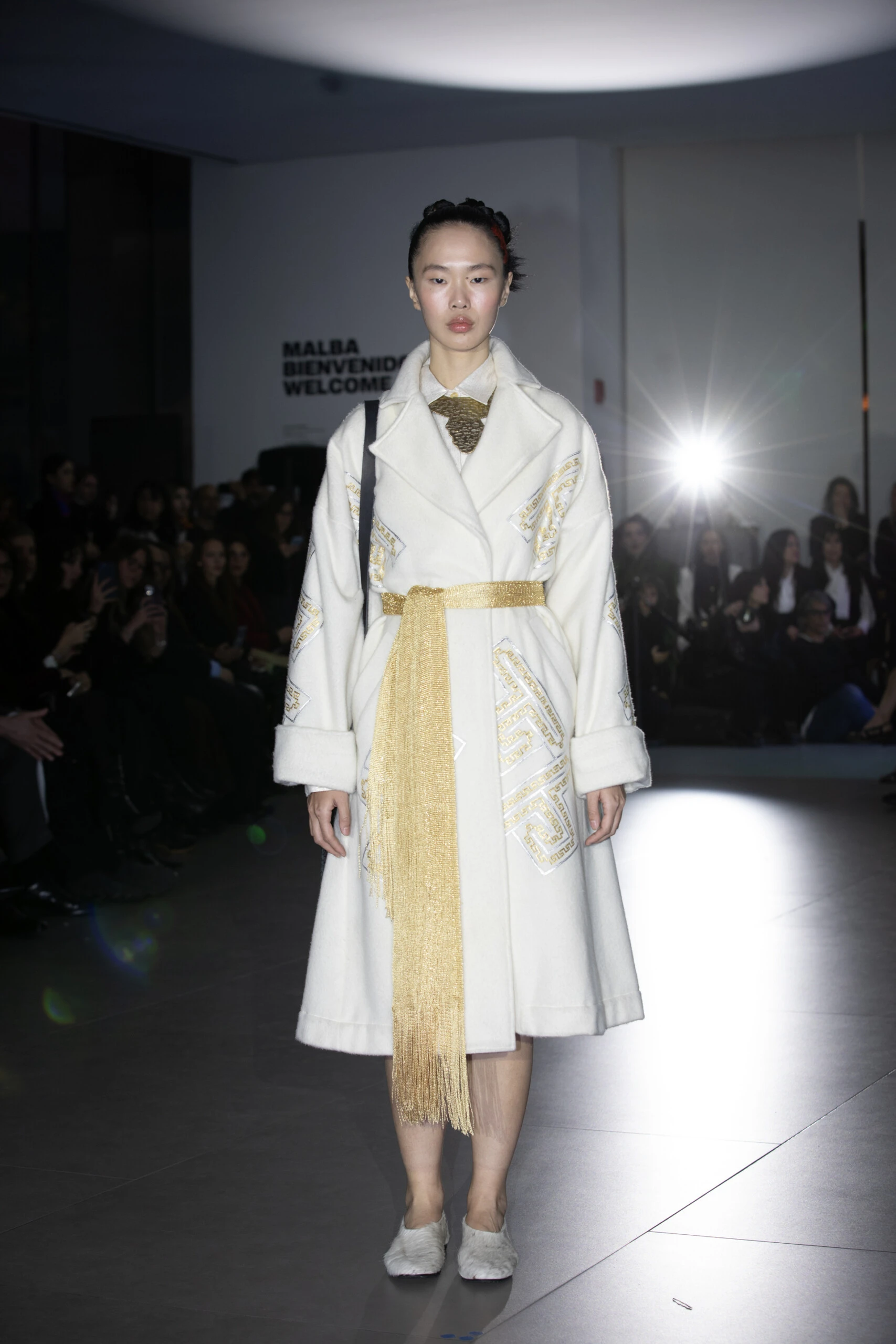
And right there lay one of the most interesting aspects of the presentation: each look functioned as an individual piece but, at the same time, as part of a much broader story.
Craftsmanship, design and identity on the runway
Carla Fernández’s work starts from a very clear premise: tradition does not have to belong solely to the past.
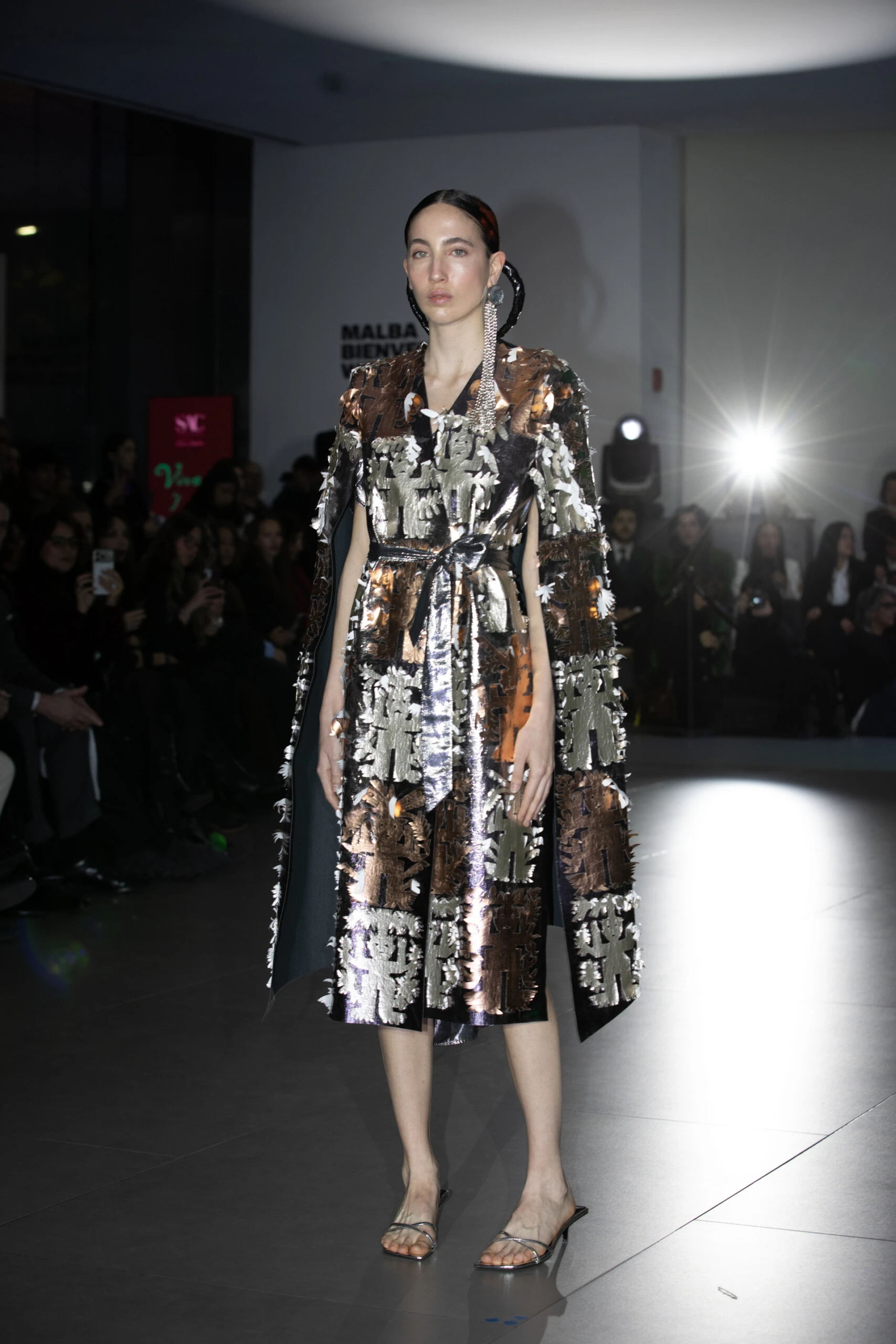
In her collections, the textile knowledge of different Mexican regions coexists with silhouettes of a modern imprint, showing that craftsmanship can form part of an absolutely contemporary proposal.
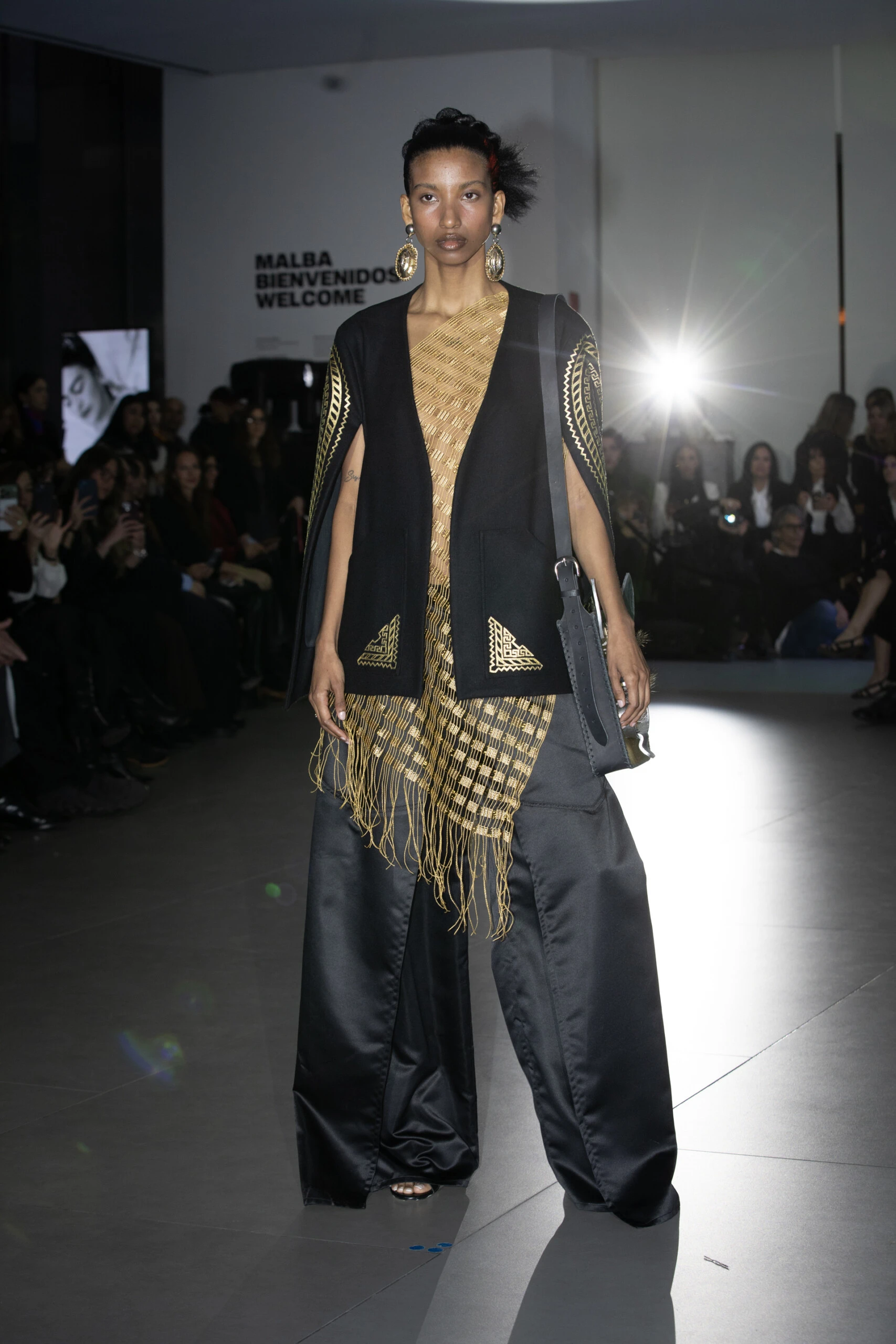
The garments that arrived at Malba reflected that search and showed fashion where the hand of the maker of each piece takes as much prominence as the design itself.
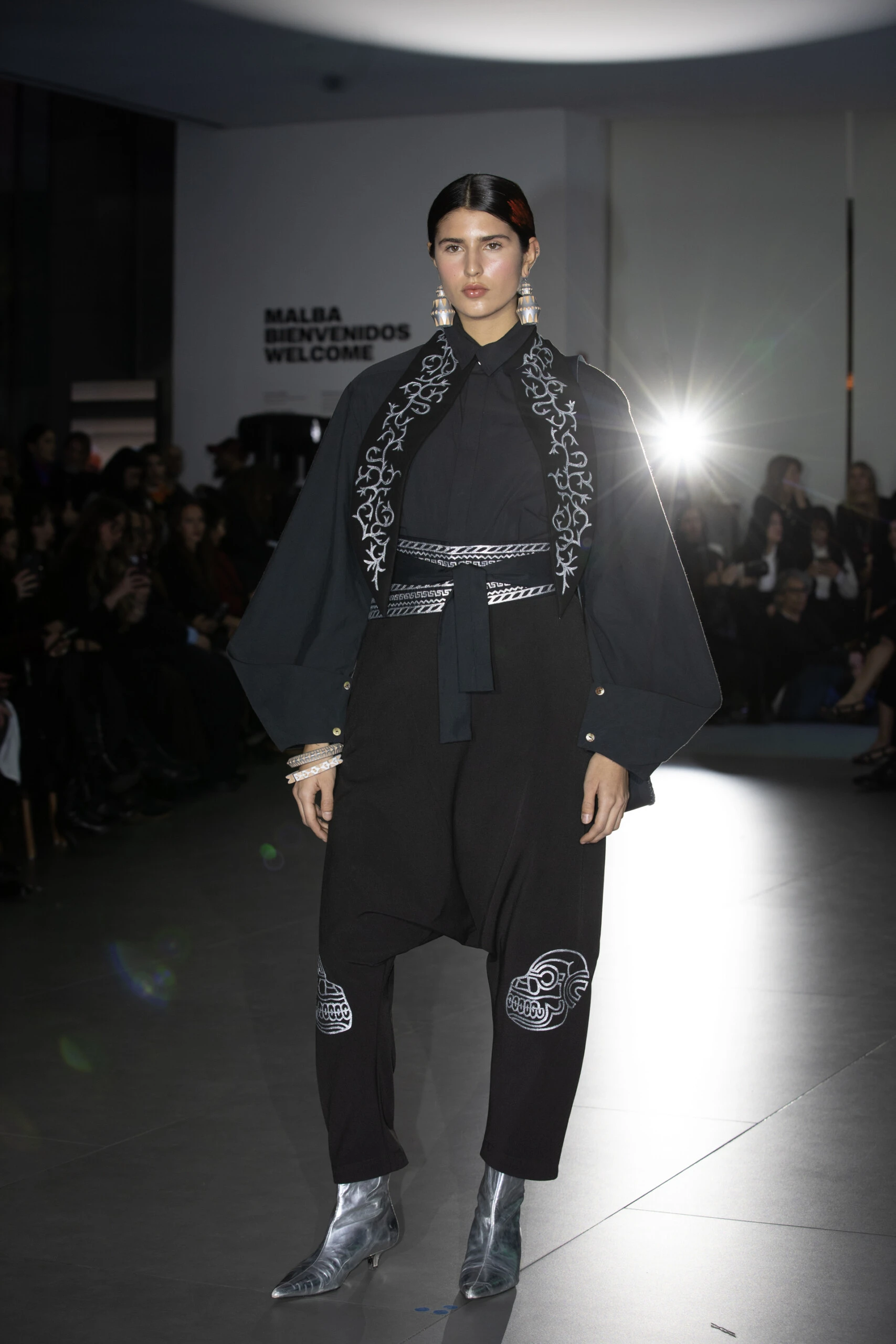
That bond between creator, artisan, and garment is one of the great pillars of her work and also one of the elements that gives her proposal an immediately recognizable identity.
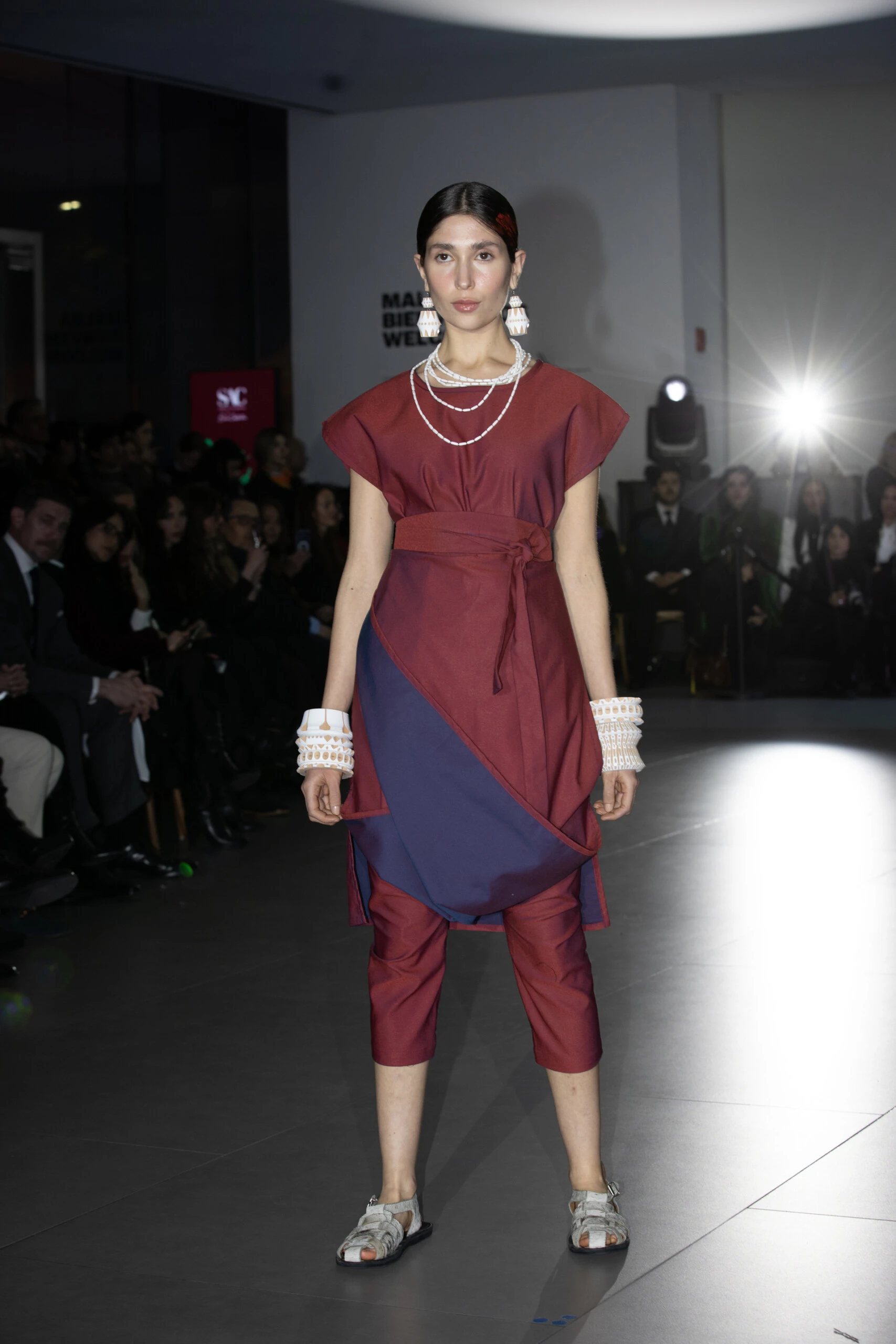
Carla Fernández and her connection with Frida Kahlo
Fernández’s presence at SAC also carried a special link to Frida Kahlo.
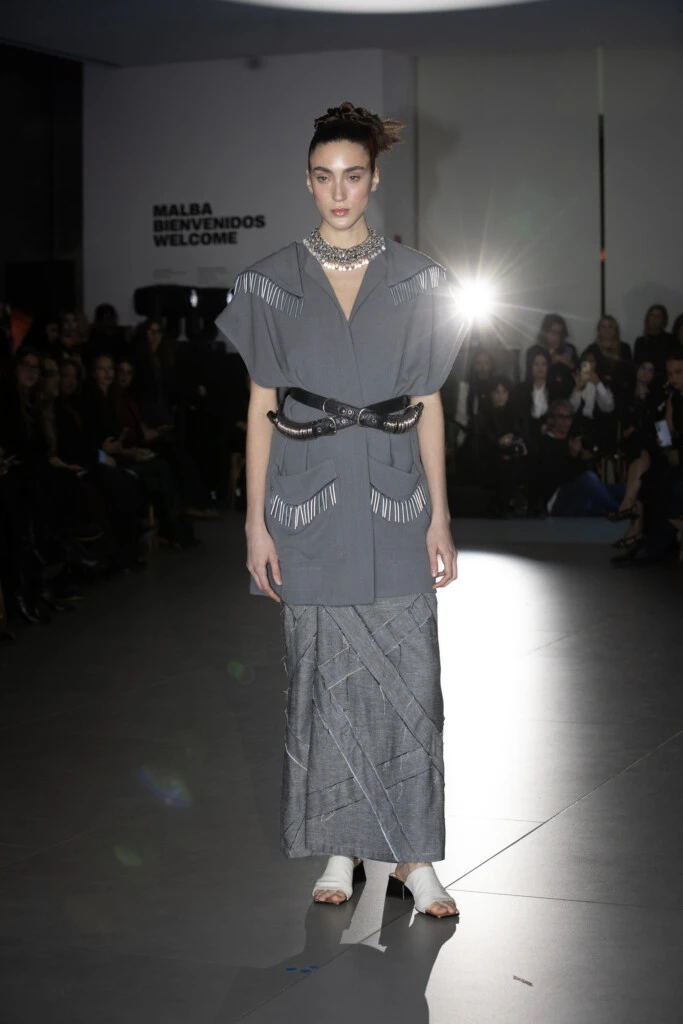
In 2018, the designer was invited together with her team by the Victoria and Albert Museum in London to participate in Fashion in Motion. There she presented pieces from five collections in coincidence with the exhibition “Frida Kahlo: Making Her Self Up”.
The relationship between the two appears, above all, in the way of thinking clothing as something that goes far beyond aesthetics.
“For me, Frida understands the power of clothing. She knows that through clothing one can be very political,” Fernández explained.
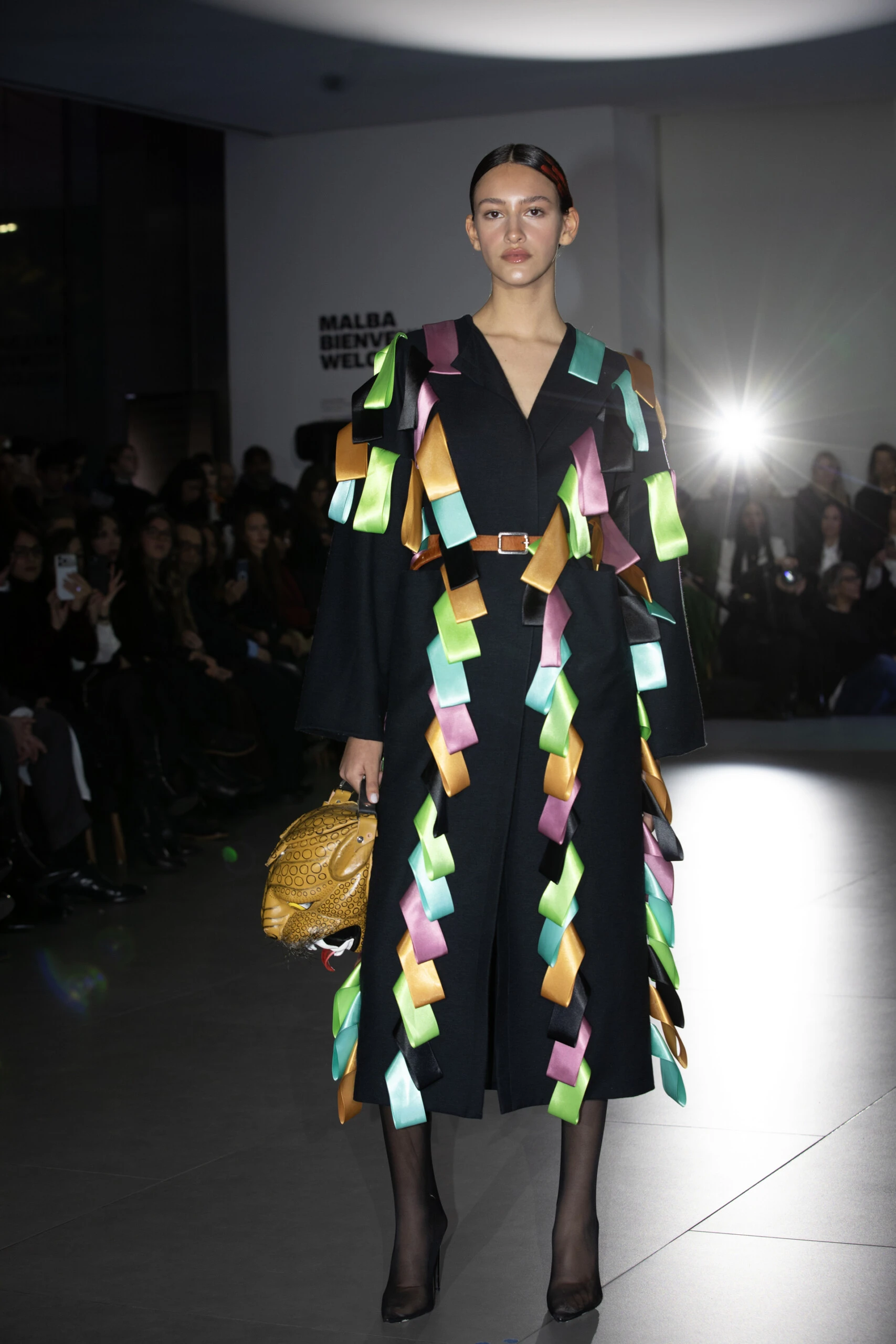
Frida built much of her public identity through her garments, textiles, accessories and references to Mexican culture. And that conception of clothing as language and identity finds numerous points of contact with Fernández’s work.
A bridge between fashion, art and Mexican culture
That “Retrospective” was presented at Malba was not by chance. The designer’s participation occurred on the eve of “Viva Frida”, the Frida Kahlo exhibition opening on September 20 at the museum, as part of its 25th anniversary.
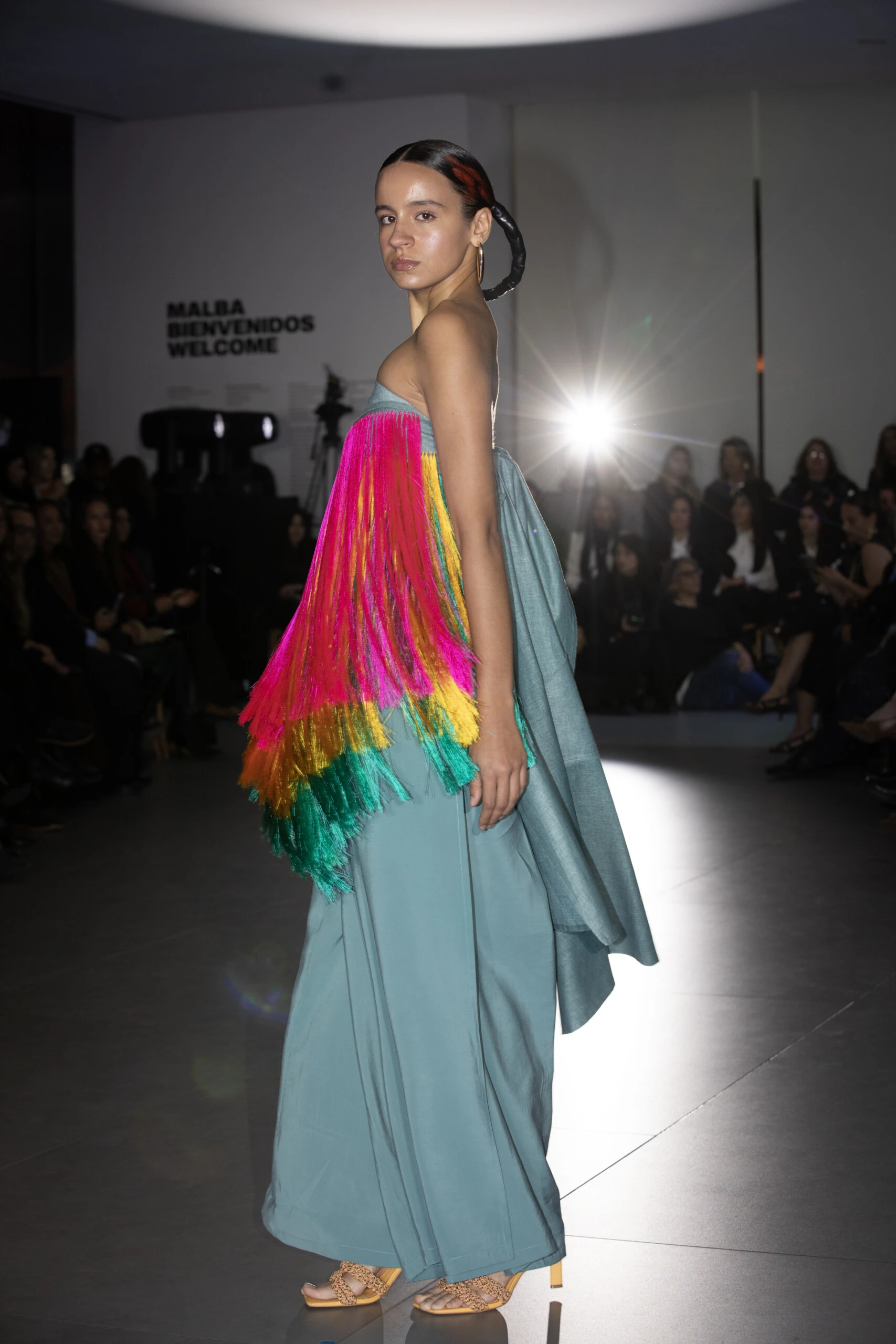
In this way, SAC re-established a dialogue between fashion and art, but this time adding a third fundamental element: Mexican culture and textile tradition.
Fernández brought to Buenos Aires a small quantity of looks —only 15— but enormous in content. Each piece allowed approaching a way of making fashion in which designing also means preserving, reinterpretating and giving visibility to know-how that forms part of a collective identity.
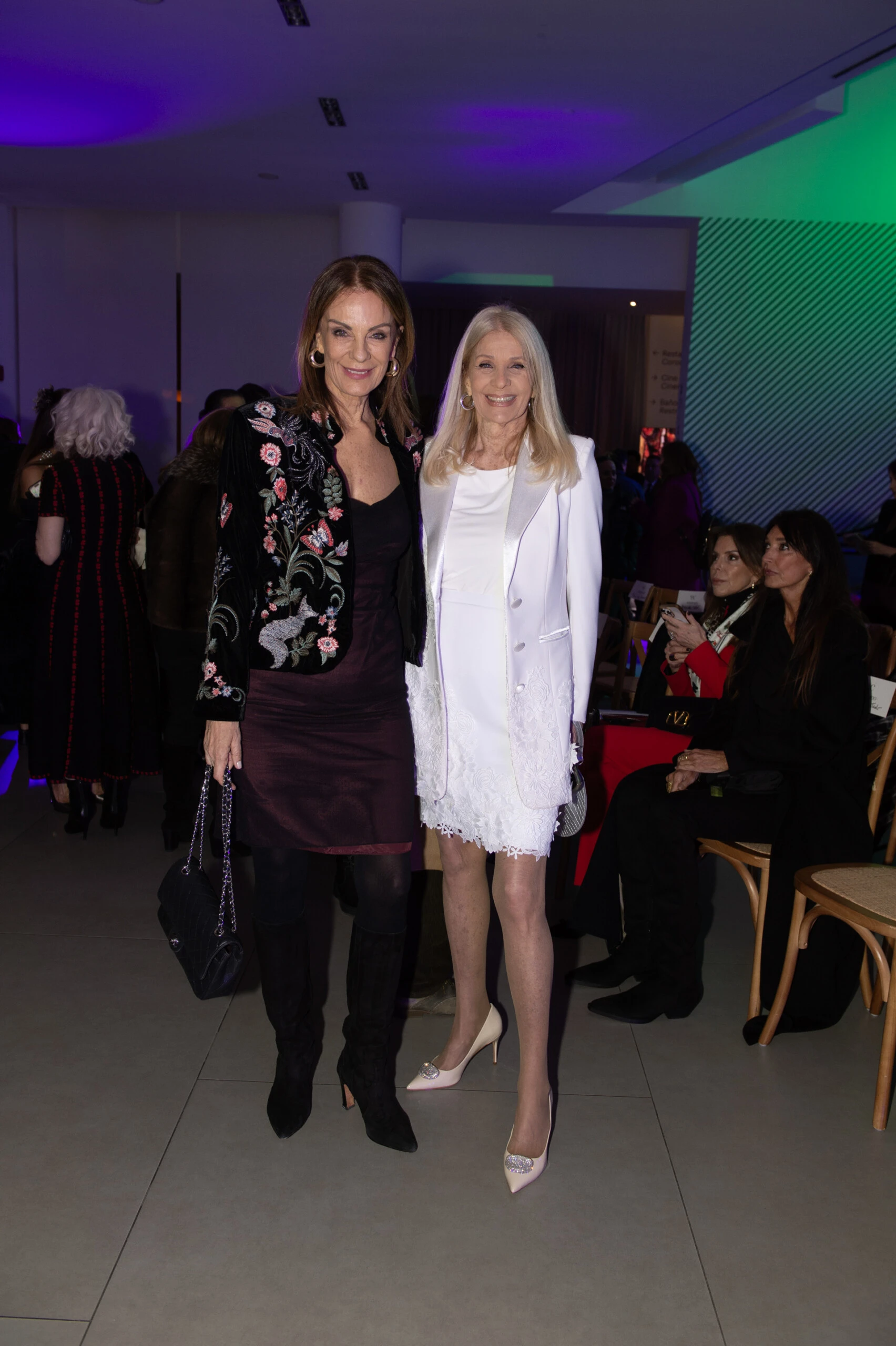
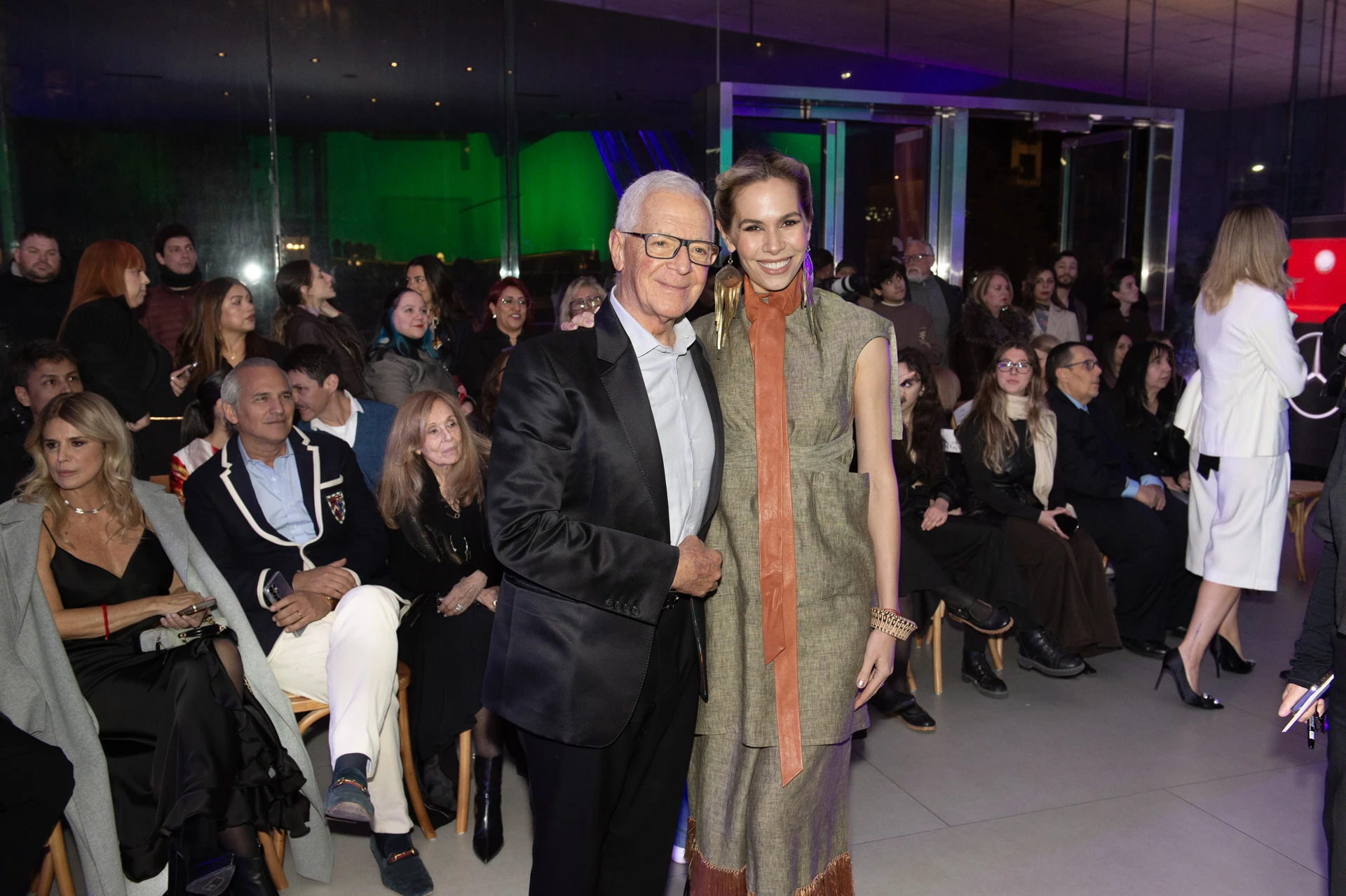
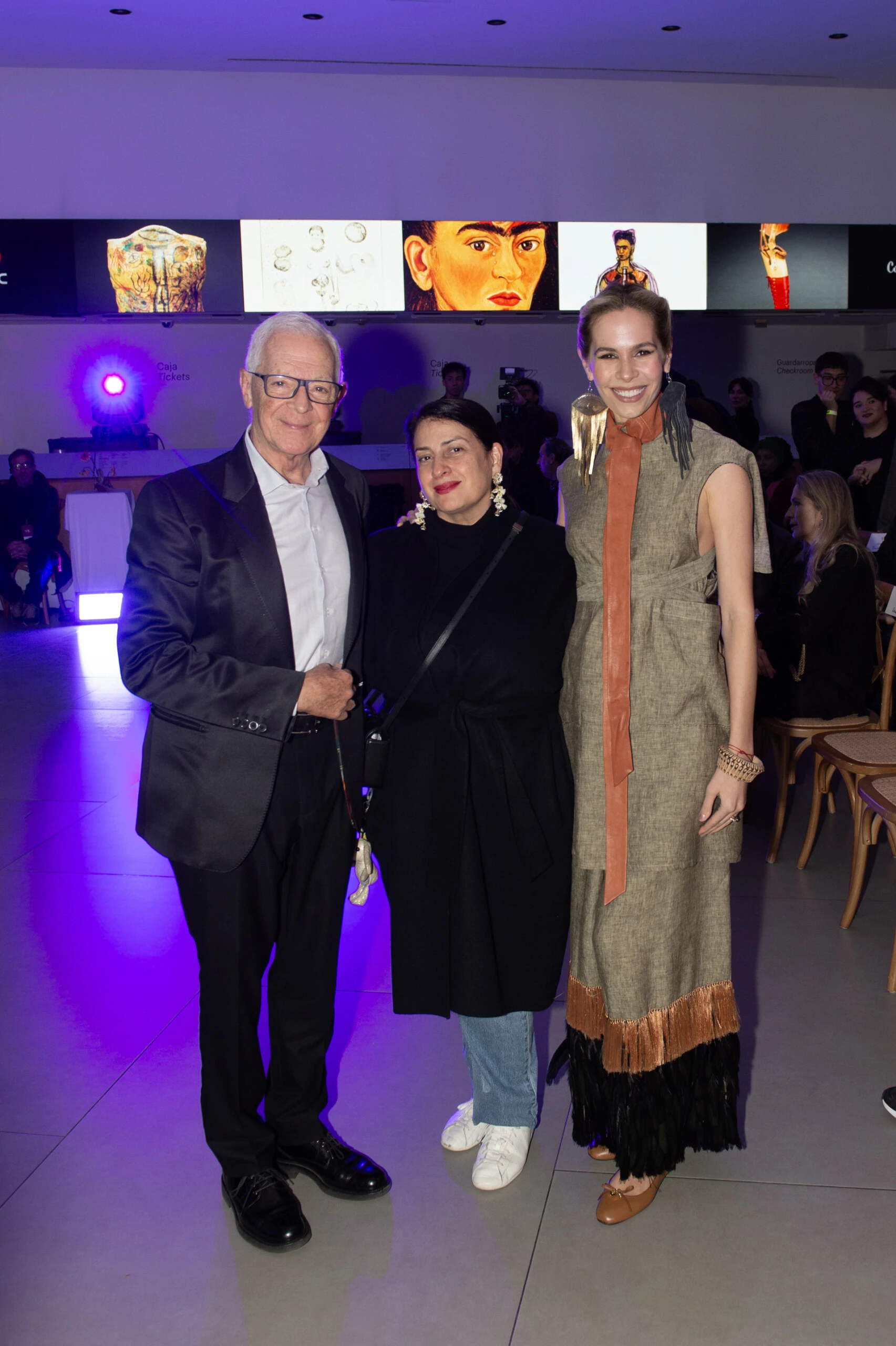
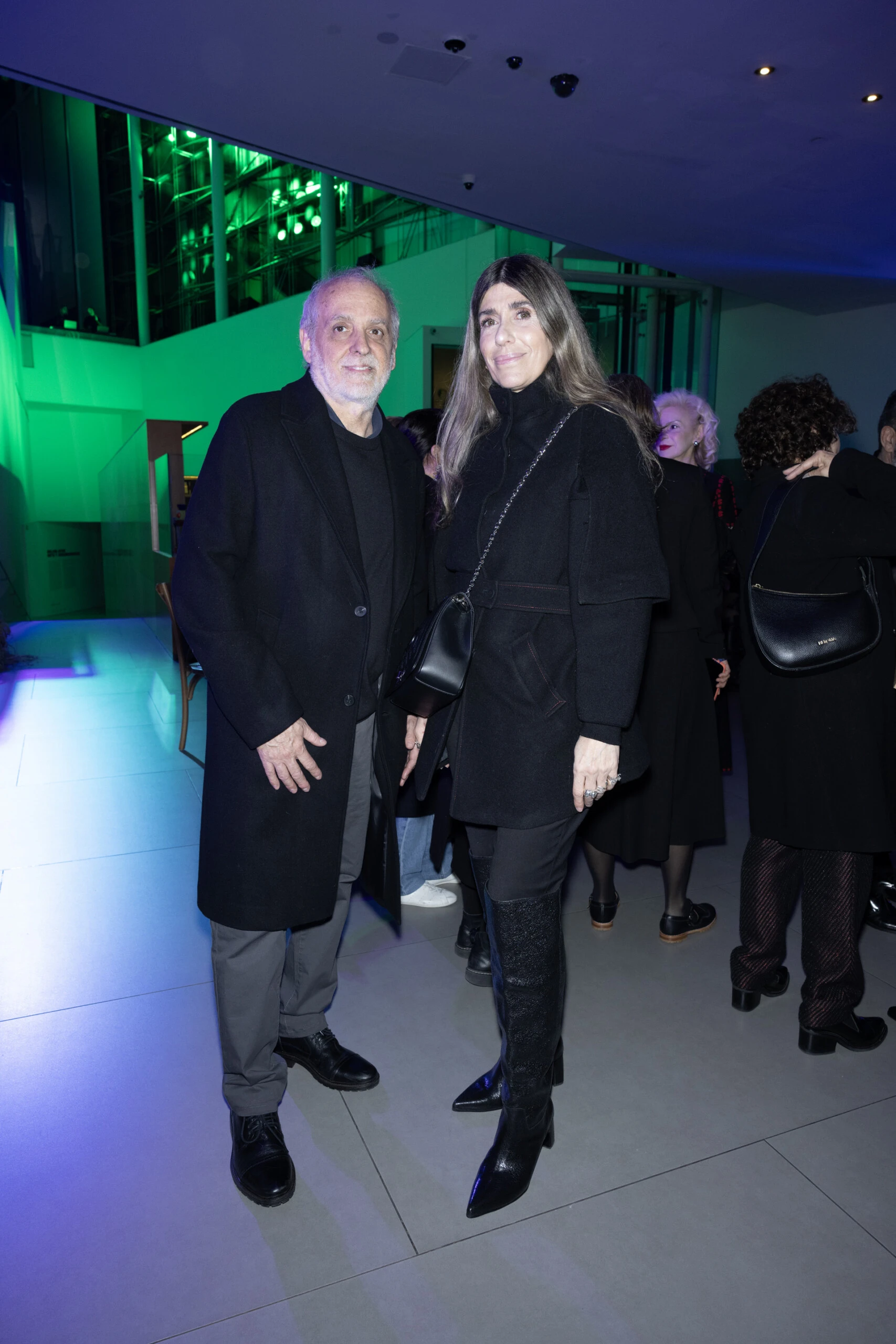
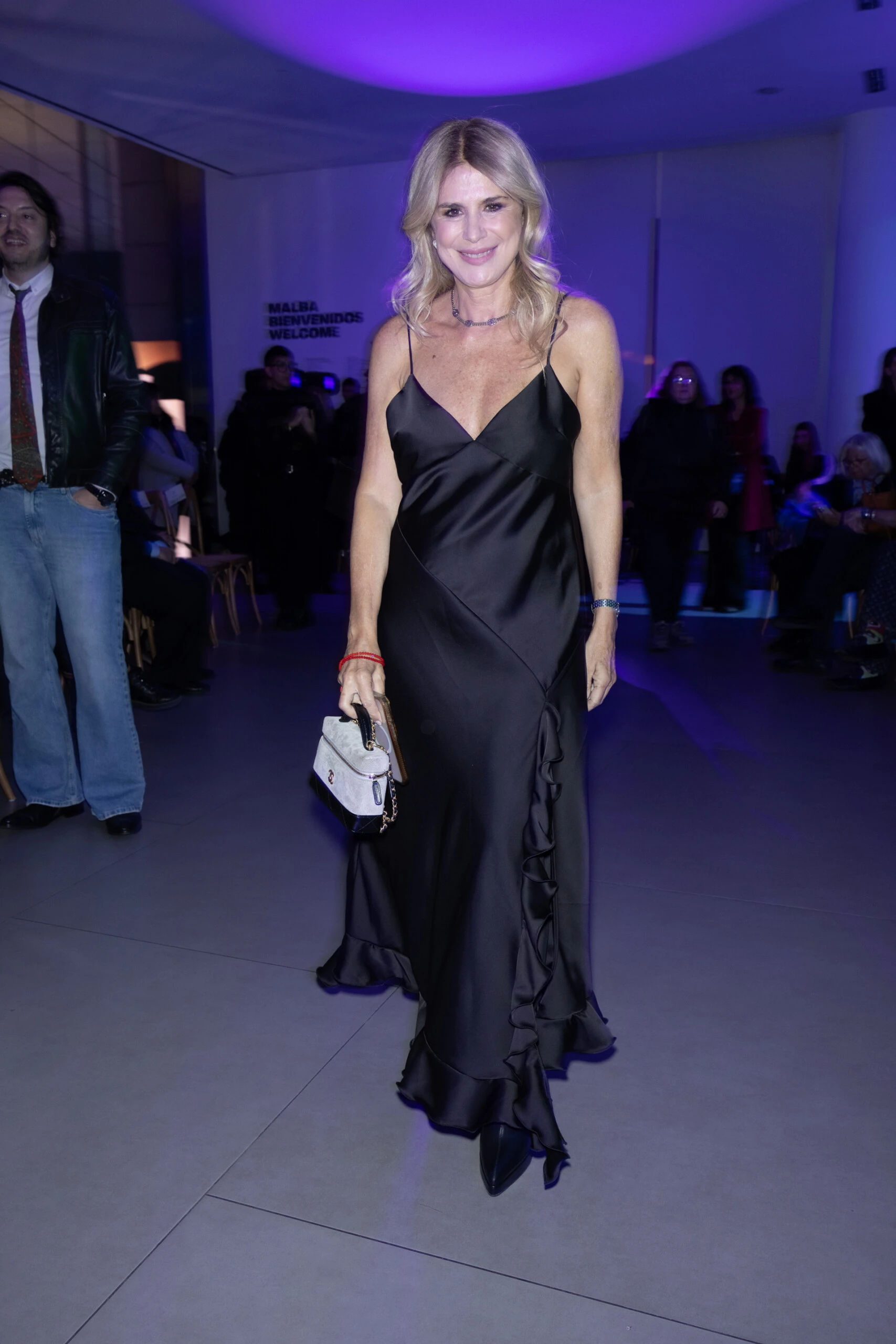
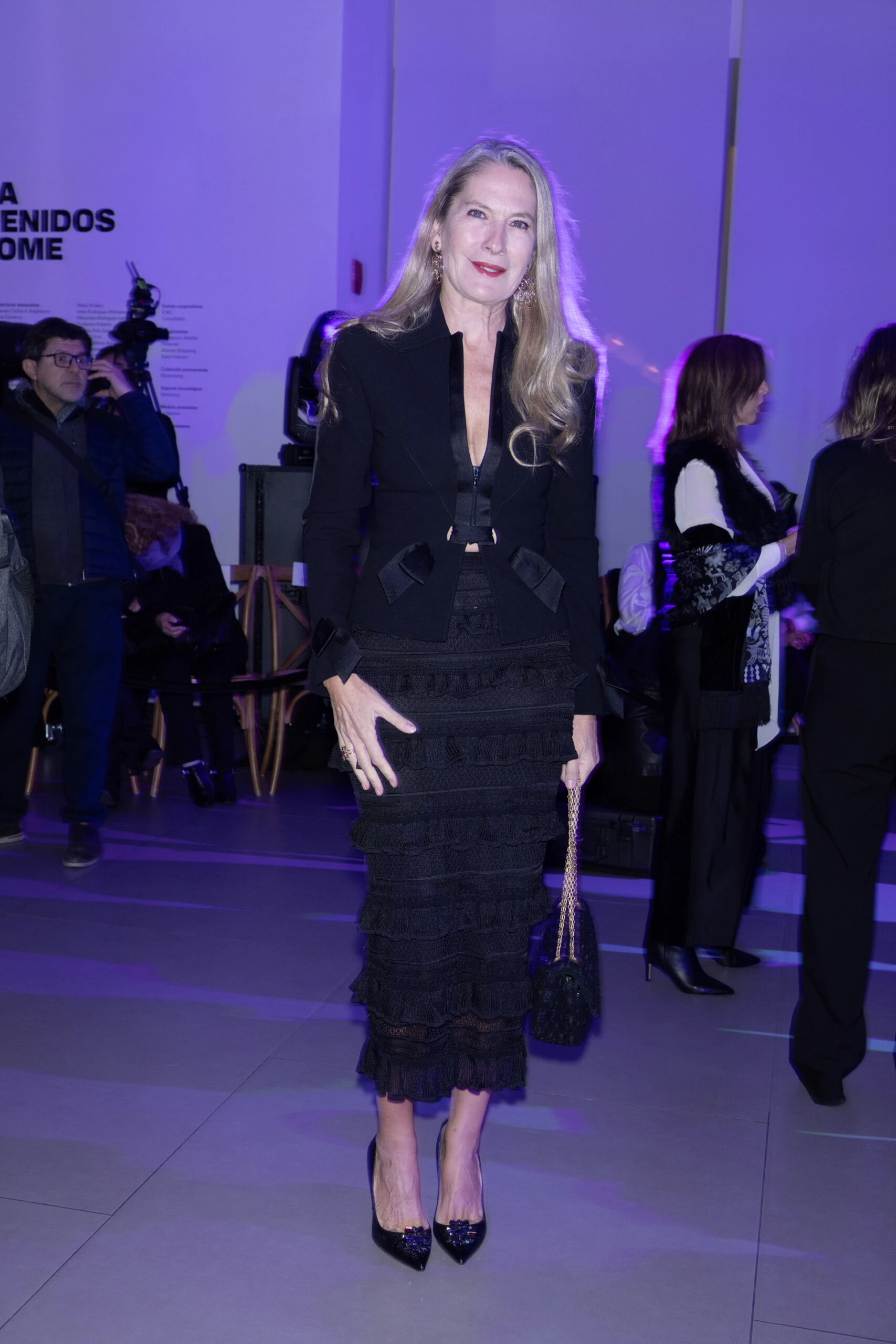
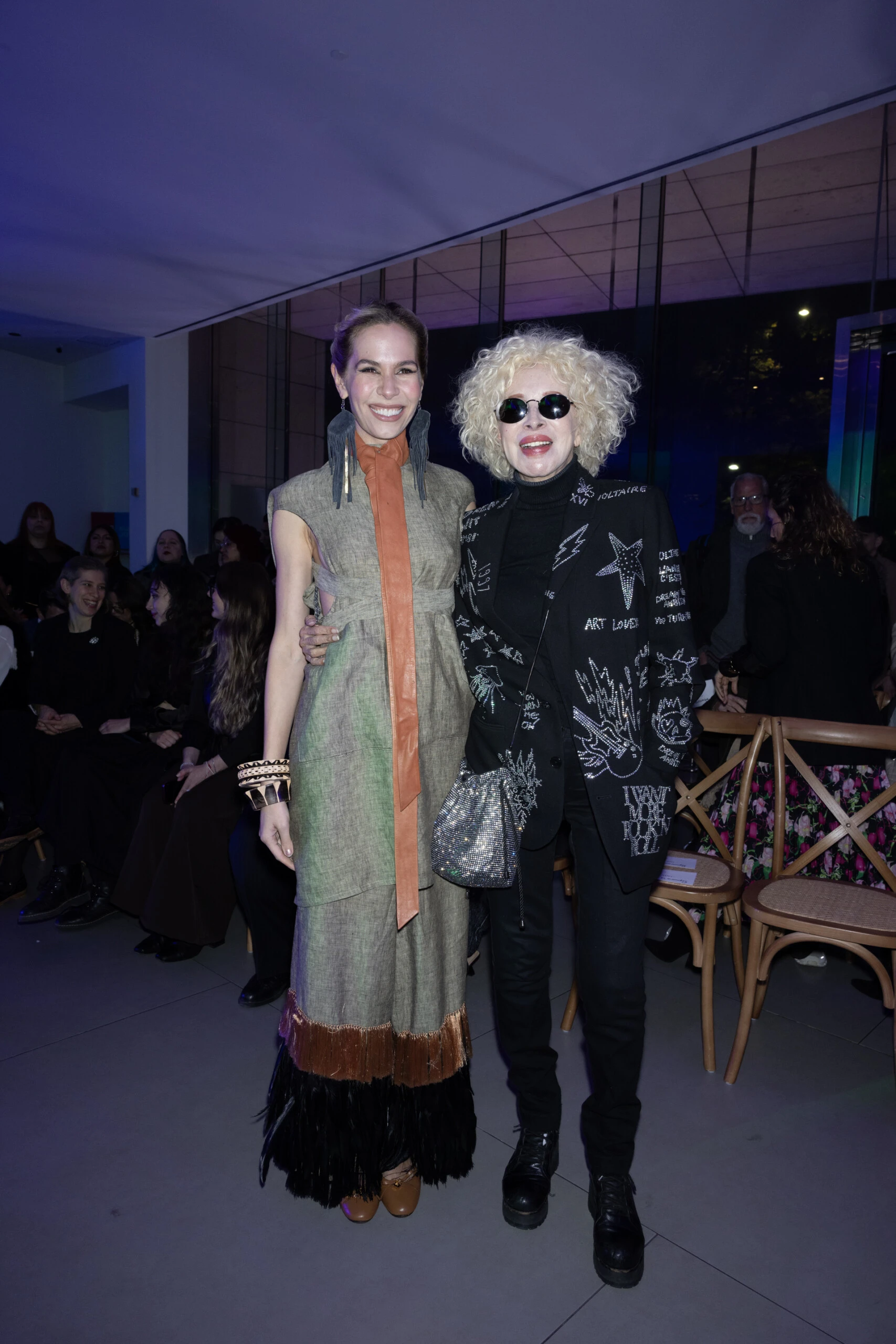
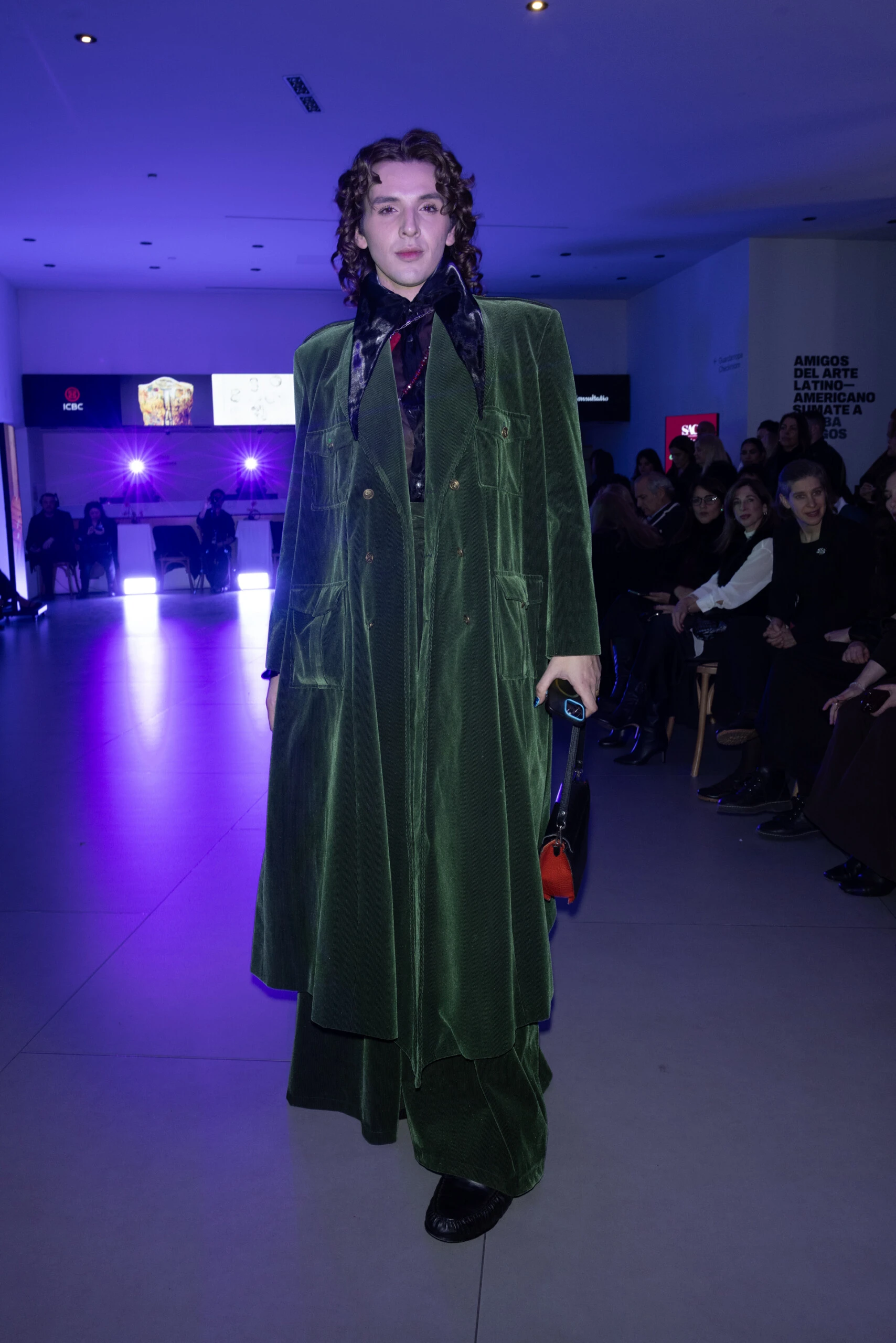
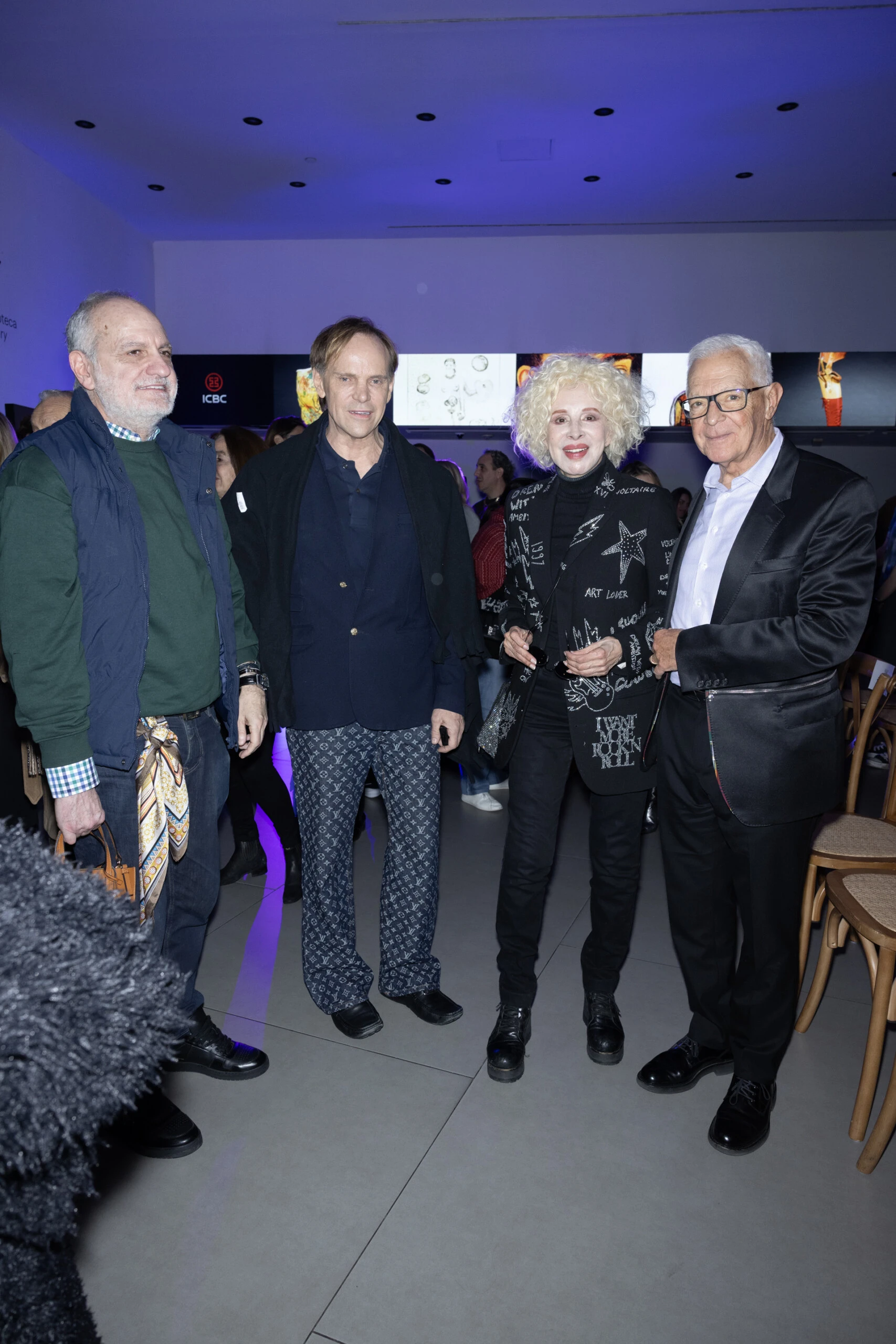
The front row at Carla Fernández’s SAC show
The presentation of Carla Fernández brought together in Malba figures from fashion, design, art and culture, who accompanied the second night of SAC from a front row specially convened.

A Latin American view on haute couture
With “Retrospective”, Carla Fernández added a different look at luxury to SAC’s programming.
A notion of luxury not necessarily tied to excess, but to time, to know-how, to manual labor, and to the history behind a garment.
And perhaps that is one of the most interesting conclusions of her stay in Buenos Aires: haute couture can also find its value in what is done slowly, preserves a tradition, and at the same time manages to speak to the present.