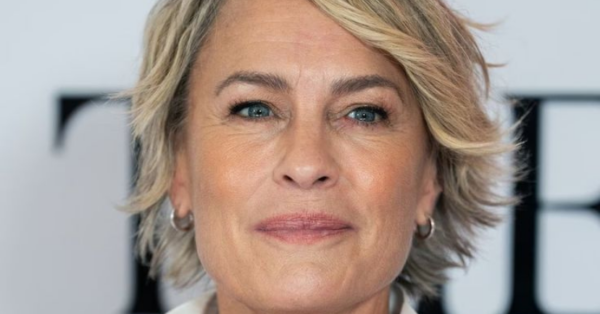
Discover the five ideal haircuts for women over 40 and 50 who want to refresh their look, add volume, and style their hair in minutes without using a hairdryer or curling iron.
Step out of the shower, lift the towel from your head, and the mirror marathon begins. Between work, daily routines, and commitments, spending twenty minutes on the hair dryer or curling wand stops being a tempting option and becomes an unnecessary hassle. The good news is that wanting to look good doesn’t require becoming enslaved to your hairstyle: the key to renewing your image and shaving years off your mane lies in the architecture of a well-thought-out cut.
When natural texture changes or hair loses some density, the secret isn’t to cover the passage of time with heat tools, but to let the scissors do the heavy lifting. “The key is to choose cuts that are technically very well constructed, that work in favor of the natural texture and maintain their shape without continually relying on brushing,” explains stylist Felicitas Ordás. When the structure is well designed, a touch of texture product and air-drying are enough to achieve a fresh, modern look with volume.
Bixie: the perfect balance between comfort and movement
Not as short as a traditional pixie, nor as long as the classic bob. The bixie has established itself as one of the smartest choices for those seeking ease without sacrificing versatility. With the freshness of a short cut, long enough to create movement. You can leave the top a bit longer and tailor the contours of your face, which will generate visual volume without needing to lift the roots constantly with the dryer.
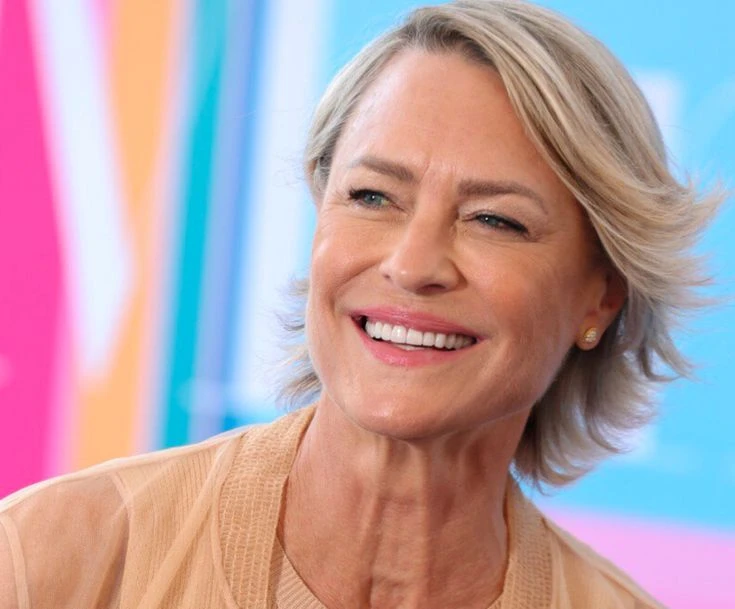
It’s ideal if you’re after an unstructured cut, without a rigid finish. A little styling cream or shaping mousse applied with your fingers will help define the ends and let the hair find its own natural fall with ease.
Textured Bob: salvation for fine hair
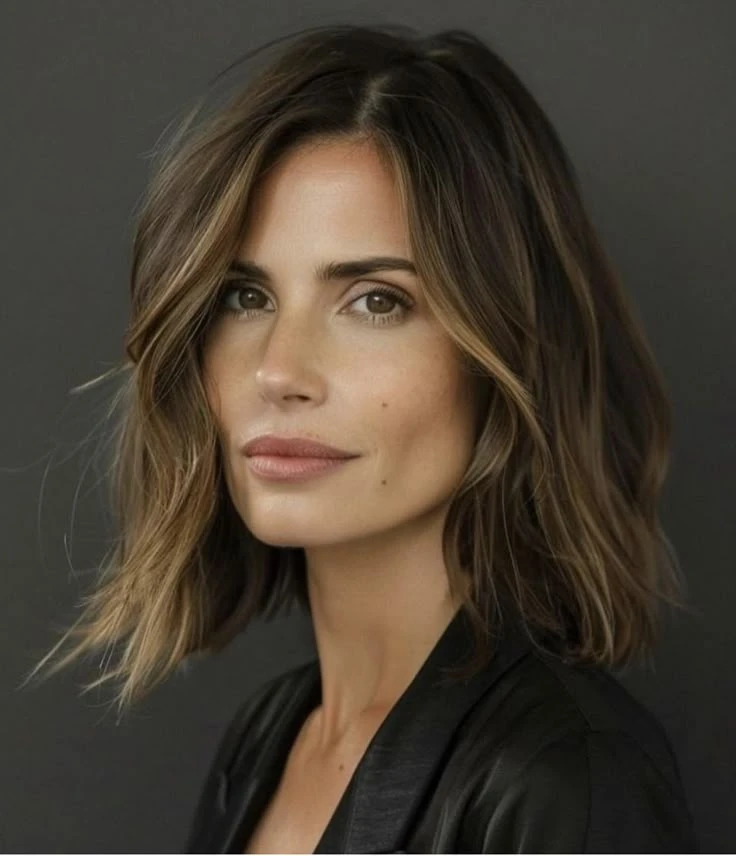
The bob never goes out of style, but its textured version has become the favorite for those who notice their hair has lost some body or thickness. Ending just between the jawline and the base of the neck, it frames the face and instantly flatters features. It provides a sense of density. It’s especially interesting when the hair has become finer because you can maintain a compact base and only work the movement needed inside.
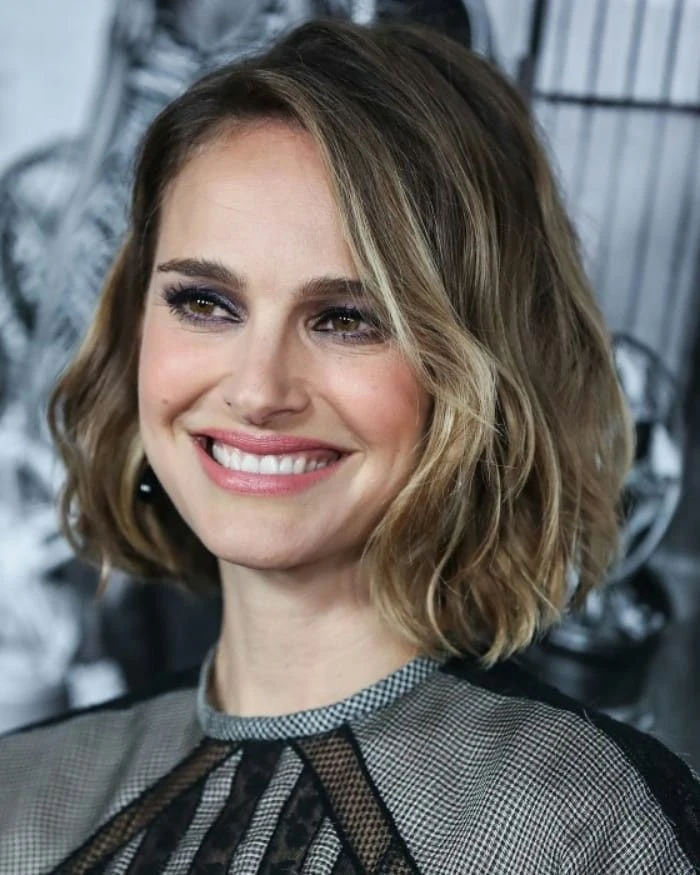
Letting it dry with its natural wave or with that undone effect (messy with intention) gives a relaxed, current aesthetic that rejuvenates effortlessly.
Soft shag: soft layers that enhance the natural wave
It’s the elegant reinterpretation of the seventies shag, but without the extreme striations of that era. Its layers add volume and movement, especially around the face and on the crown, but without becoming overly stepped.

For those with waves or soft curls, this cut adapts to the hair pattern rather than fighting it. By removing weight in the right areas, the wave settles on its own without needing to curl.
Clavicut: the most versatile and flattering length
If you’re not ready for very short hair, clavicut is the perfect transition. As its name suggests, it falls softly to the collarbone, a length that allows tying the hair into a ponytail or a low bun when the day calls for it, while removing the weight that flattens the roots.

It’s one of the most versatile cuts: long enough to pull back and, at the same time, it removes weight. It lengthens the neck and allows for a great deal of contour customization. A soft, gentle face-framing around the face adds visual brightness without needing an elaborate hairstyle.
Invisible-layer midi cut: length with body
If your hair is healthy, you can wear it at any length because it will always look good. According to the experts, turning 50 doesn’t mean bidding farewell to long hair. If you want to keep length, a midi with invisible layers is a magnificent option.
This cut features small, strategic layers that aren’t visible at a glance. This creates movement and prevents the hair from falling like a block, maintaining an exterior line with a sense of density. It’s the ideal ally for washing, applying a serum, and letting it air-dry.
A low-maintenance cut isn’t the shortest, but the one that best suits your hair type, density, and daily routine. When the technique supports it, you gain time in front of the mirror and gain style naturally.