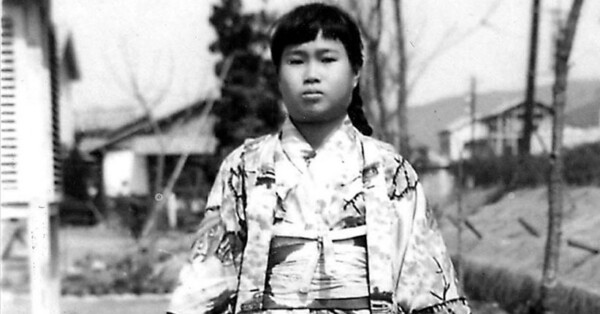
On August 6, 1945, Sadako Sasaki was barely two years old. She was still a small child, with unsteady steps, when a white light pierced through Hiroshima and forever changed the course of humanity.
At 8:15 in the morning, the atomic bomb exploded over the Japanese city. Sadako was with her family a little more than one and a half kilometers from the epicenter. The force of the explosion destroyed homes, lifted bodies, and turned the streets into an unrecognizable landscape.
Her mother managed to find her alive. Sadako had no visible injuries. In the midst of a city reduced to rubble, that little girl seemed to have miraculously escaped death.
But the bomb had not finished with her. It had only left its threat hidden.
The Black Rain That Fell on Hiroshima
After the explosion, fires began to spread. Those who could walk tried to move away through the ruins, bodies, and flames. Then a dark, thick rain fell from the sky, contaminated by radioactive material.
Sadako, her mother, and her brother managed to escape. Her grandmother, however, returned to fetch a few family belongings and was never seen again.
For a long time, no one fully understood what that black rain signified or what consequences it could cause in those who had been exposed.
The Sasaki family later returned to Hiroshima and tried to rebuild their life. Like many survivors, they faced illness, losses, food shortages, and economic difficulties.
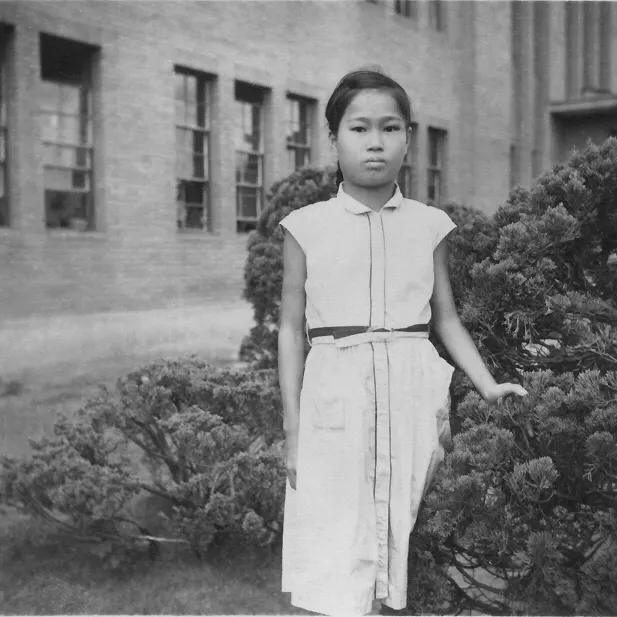
Sadako grew up. She went to school, made friends, and became a cheerful, active girl, especially quick at running. Her energy seemed to confirm that the horror had been left behind.
Until her body began to show signs.
“The Atomic Bomb Disease”
Toward the end of 1954, when she was eleven, Sadako began to feel weak. Her neck swelled and lumps appeared behind her ears.
Shortly after, doctors confirmed the diagnosis: leukemia.
The illness was known by many Hiroshima families as “the Atomic Bomb Disease.” In the years following the attack, numerous survivors—including many children—developed various cancers linked to radiation exposure.
Sadako was admitted to hospital in February 1955. Doctors estimated she had less than a year to live. She was twelve years old.
Until then she had been a fast runner. Suddenly, her world was reduced to a hospital bed.
The Legend of the Thousand Cranes
In Japan, the crane stands for longevity, good fortune, loyalty, and hope.
An ancient tradition holds that the one who folds a thousand paper cranes — a senbazuru — can see their deepest wish fulfilled.
In the hospital, Sadako learned that story and found a purpose in it.
She wanted to live.
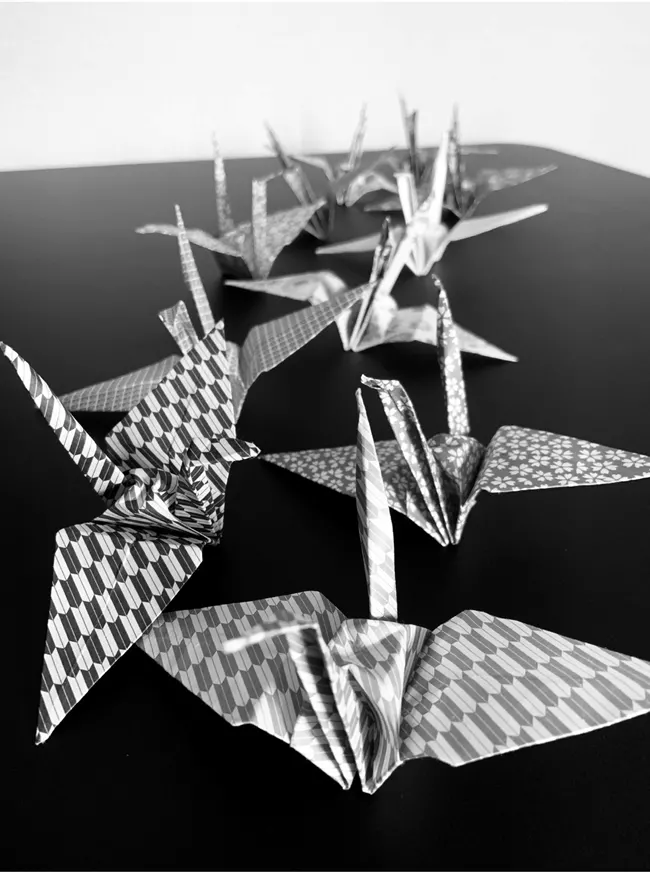
She began folding papers with patience. First she used colored sheets. Later, when materials began to run out, she turned to wrappers, labels, and medicine inserts.
Her hands grew increasingly skilled.
She folded cranes large and small. Some were tiny, almost the size of a grain of rice.
Each crease was a way of enduring.
Each paper bird carried the same wish.
To go home. To run again. To keep living.
Did Sadako Manage to Complete the Thousand Cranes?
For decades, two versions circulated about the number of cranes she managed to make.
The most widespread story claims that Sadako folded 644 cranes and that, after her death, her classmates completed the rest until reaching a thousand.
That version was immortalized in children’s books and taught in schools around the world.
However, testimonies from her family and various historical investigations indicate that Sadako surpassed a thousand cranes. Some records suggest she made around 1,300 and continued folding them even after reaching the legendary count.
Beyond the exact number, the truly lasting part was the gesture: a seriously ill girl turned scraps of paper into a form of hope.
Sadako’s Last Day
Sadako’s health deteriorated rapidly during October 1955. Her family stayed by her side. The room was filled with cranes of various sizes, hanging above her bed and leaning around her.
Sadako died on October 25, 1955. She was twelve years old.
She did not achieve the wish that had driven her hands for months. But those cranes outlived her body and began to fly far beyond what she could have imagined.
Her Friends Refused to Let Her Be Forgotten
After her death, her friends and classmates launched a campaign to build a monument in memory of Sadako and of all the children who had died as a result of the atomic bomb.
They gathered letters, organized fundraisers, and obtained donations from different parts of Japan. On May 5, 1958, the Children’s Peace Monument was inaugurated in Hiroshima’s Peace Memorial Park.
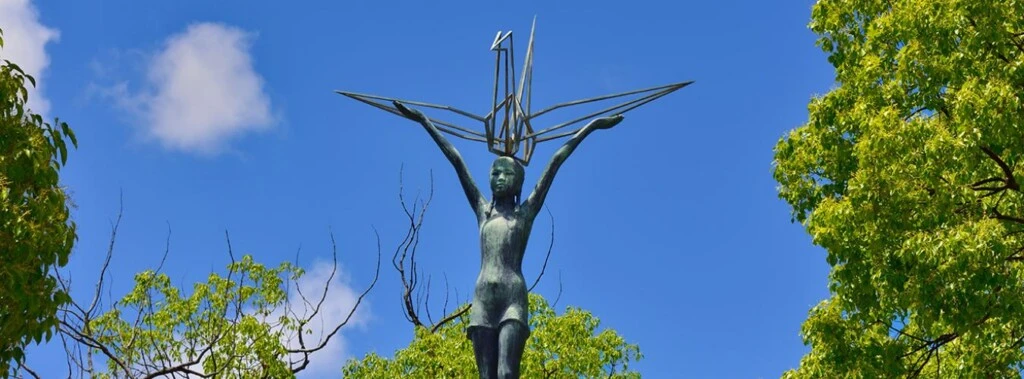
At the top of the sculpture stands the figure of Sadako holding a large paper crane over her head. At the base sits a phrase that sums up the legacy of an entire generation marked by horror: “This is our cry. This is our prayer: peace in the world.”
Millions of Cranes Continue to Reach Hiroshima
Sadako’s story crossed borders, languages, and generations.
Every year, children and adults from different countries fold cranes and send them to the Children’s Peace Monument. About ten million paper figures arrive in Hiroshima annually as a tribute and as a collective plea for peace.
The cranes are hung in long, colorful strands around the monument. Some bear names. Others carry messages written by hand.
All share the same intention: to remember what happened so that it never happens again.
The Girl Who Turned Paper into Memory
Sadako was not the only child victim of Hiroshima. Her story represents thousands of children whose names, dreams, and plans were buried beneath the destruction and the consequences of radiation.
She did not choose to become a symbol. She was simply a girl who wanted to heal.
Yet, in a hospital room, as her body grew weaker, her hands continued to create life with small squares of paper.
More than eight decades after the bomb, her cranes still fly. They no longer carry only Sadako’s wish.
They carry the wishes of millions of people who, faced with the horror of war, still dare to ask for the same thing: peace in the world.