
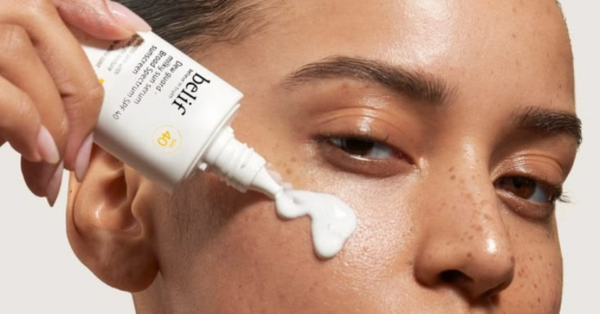
Milky Toners arrived to redefine the role of toners in the skincare routine. Expert Sabrina S. Alberti explains why this category centers on skin barrier health and signals a paradigm shift in cosmetics.
For a long time, the toner was that product that appeared after cleansing and before moisturizing. Its function seemed clear: to refresh the skin and help restore its balance. However, that notion started to fall behind.
For Sabrina S. Alberti, specialist in Cosmetic Marketing and Product Innovation, the emergence of the Milky Toners reflects a much deeper shift within the industry. “The cosmetics industry is undergoing a profound transformation: consumers have stopped seeking only products that fix visible problems and have started prioritizing formulas capable of keeping skin healthier, more resilient, and balanced,” she explains.
From balancing pH to strengthening the skin barrier
Alberti argues that, for decades, toners had a primarily functional aim: to help restore the skin’s pH balance after cleansing, especially when harsher cleansing systems were used.
But as those products evolved and our understanding of the skin barrier grew, the question guiding cosmetic development also changed.
“Should a toner merely prep the skin or can it become a true treatment from the very first step? The answer from Korean cosmetics was clear: yes. Thus Milky Toners were born,” she states.
What Milky Toners Are
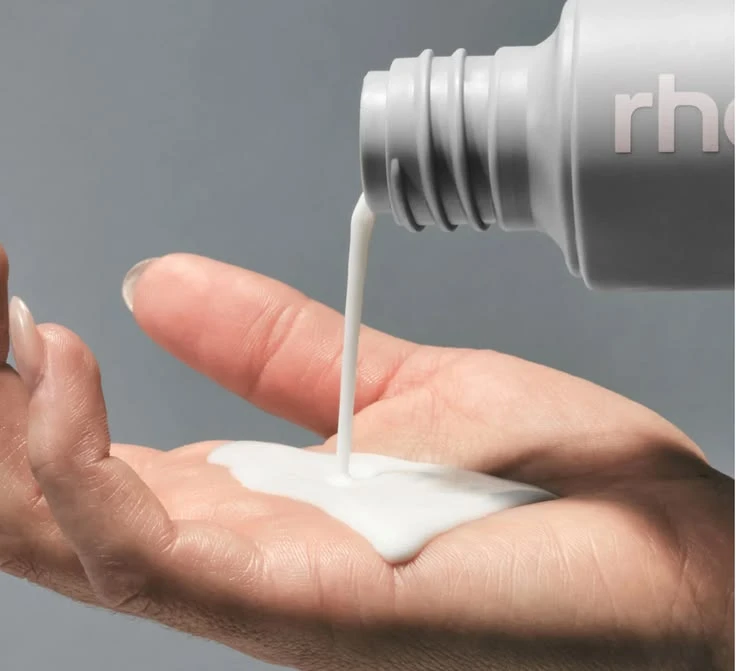
Milky Toners are milky-looking toners with a light texture that combine the fluidity of a traditional toner with the hydrating and nourishing properties of an essence or a lightweight serum.
According to Alberti, their differentiator lies in the fact that “they don’t merely aim to balance the skin. They aim to improve its quality.”
Their formulation supports processes such as hydration, strengthening the skin barrier, improving texture, reducing the sensation of sensitivity, and restoring skin comfort.
The skin barrier took center stage
For the specialist, one of the biggest changes in skincare in recent years is the prominence the skin barrier has gained.
“For a long time, beauty was linked to flawless skin, where the main goal was to correct spots, wrinkles, pores, breakouts, or uneven texture,” she explains.
However, that pursuit also brought to light a new need: to have skin that is more resilient and balanced.
In this context, Alberti notes that an altered barrier can translate into greater sensitivity, dehydration, a taut feeling, reactivity, or a reduced tolerance to treatments.
“The new generation of skincare proposes a paradigm shift: it’s not only about transforming the skin. It’s about helping it function better,” she summarizes.
The ingredients that define this new category
The composition of Milky Toners aligns with that care philosophy. Among the most common actives, Alberti mentions ceramides and biomimetic lipids, linked to strengthening the skin barrier; niacinamide, which helps improve tone and supports barrier function; panthenol and allantoin, associated with comfort for sensitized skin; hyaluronic acid and other humectants that promote hydration; Centella Asiatica and other soothing botanical actives; in addition to squalane and various lightweight emollients that provide softness without a heavy feel.
A trend that foreshadows where cosmetics are headed
For Alberti, the growth of Milky Toners is not a standalone fashion, but part of movements already redefining the industry, such as Skin Longevity, Beauty Resilience and Barrier First Skincare.
“These trends show that cosmetics is evolving from a reactive logic to a preventive one,” she maintains.
And she concludes: “Milky Toners embody this very evolution: intelligent, sensory products aligned with the skin’s natural biology. They are not merely a new format. They are the expression of a new era in skincare: less aggression, more science of the skin barrier.”