
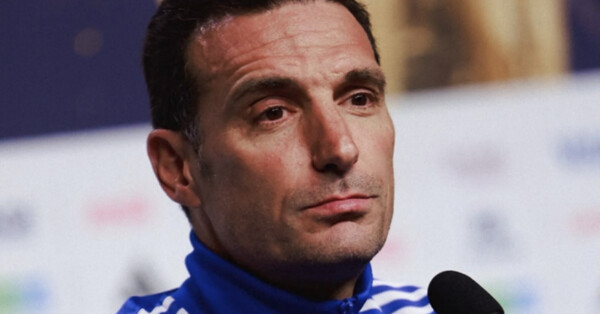
After spending a few days in Pujato, his hometown, where he was welcomed with the affection of the neighbors and took the time to greet and sign autographs, Lionel Scaloni resurfaced on social media with a post that was somewhat unusual.
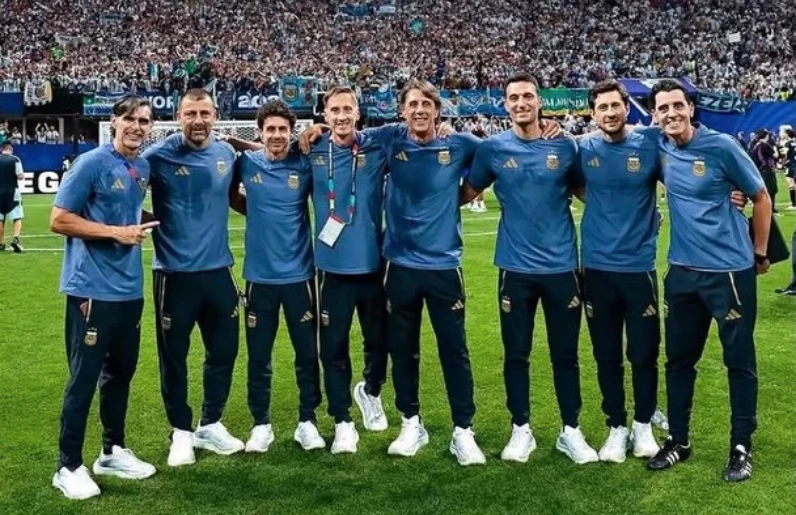
The coach, who usually keeps a very low profile on Instagram, shared a photo with his entire coaching staff and published an extensive letter in which he opened his heart after the World Cup runner-up finish.
The most personal message from Lionel Scaloni
“After a week of intense events where sadness intertwined with joy, tears with a smile, worry with calm, nerves with composure, I can sit down to write a few words, which, although I know I don’t like social media very much, may be the best way to get this message to you.”
Then came one of the phrases that had the most impact among the fans:
“I can only say I’m sorry for not being able to bring you another trophy and give you a new joy that, even if only for a few days, might help you forget all the ugliness of life.”
From there, Scaloni made clear what he considers to be the true legacy of this group of players.
“But I want you to keep what we’ve tried to show this group of players, my warriors, as I used to describe them to my wife.”
The coach then enumerated the values that, for him, represent the Argentina national team:
“Effort, the will, the desire, the I-can, not giving up (even when everything is uphill), giving it all (even when you have nothing left), enduring buckets of cold water (from people who do not know us), knowing how to be, the will to stay on your feet when the legs no longer obey the brain… That is the real trophy.”
Finally, he thanked those who accompanied him during the tournament:
“Eternally grateful to my coaching staff, players, the AFA staff, those who quietly work to keep us comfortable, and to each of you for the affection received.”
And he closed with a postscript that quickly went viral among Argentines:
“P.S.: He who has an Argentine friend has a treasure.”
I think in this piece I would not analyze the text too much. The journalistic value lies in publishing it almost in full, because each sentence has its own strength. I would barely add the introduction and a few connectors, so that the protagonist is Scaloni’s message.