The way we dress can be far more than a matter of aesthetics. The colors, garments, textures, and materials we choose every day can also influence how we feel, boost our confidence, and serve as a form of personal expression. Can a look alter our mood? Which clothes make us feel more secure? How do we build a personal style without getting bound to trends?
To answer these questions, Yamila Pica, image consultant, fashion expert, and director and founder of Plushlamour, a fashion and image school, spoke with Para Ti about the link between clothing, emotions, and identity. From the concept of enclothed cognition to choosing the colors and garments that best represent us, the specialist proposes to look at how we dress as a tool for well-being, self-esteem, and communication.
“Fashion is a powerful tool for generating and enhancing an emotional state”
-What is the relationship between the way we dress and how we feel? Can an outfit modify our mood or reinforce a particular emotion?
-The relationship runs very deep. The garments we wear not only communicate and project outward who we are, but they also influence how we perceive ourselves.
There exists a well-studied and often overlooked concept called enclothed cognition, which demonstrates that what we wear can alter our attitude, our confidence, and even our performance.
When we choose an outfit that aligns with our personality, we automatically feel more secure, more authentic, and happier. Fashion is a great tool for generating and boosting an emotional state.
There are days when dressing well isn’t a result of feeling good; it is precisely the first step to start feeling better.
“A garment gives us security because we feel it reflects who we are”
-Many times we choose a piece because it makes us feel “secure” or “represents us.” What lies behind that feeling and what kind of garments tend to generate the most confidence?
-That feeling arises when the external image aligns with our identity. A garment gives us security because we feel it flatters us, respects our silhouette, our colors, and, above all, because it reflects who we are.
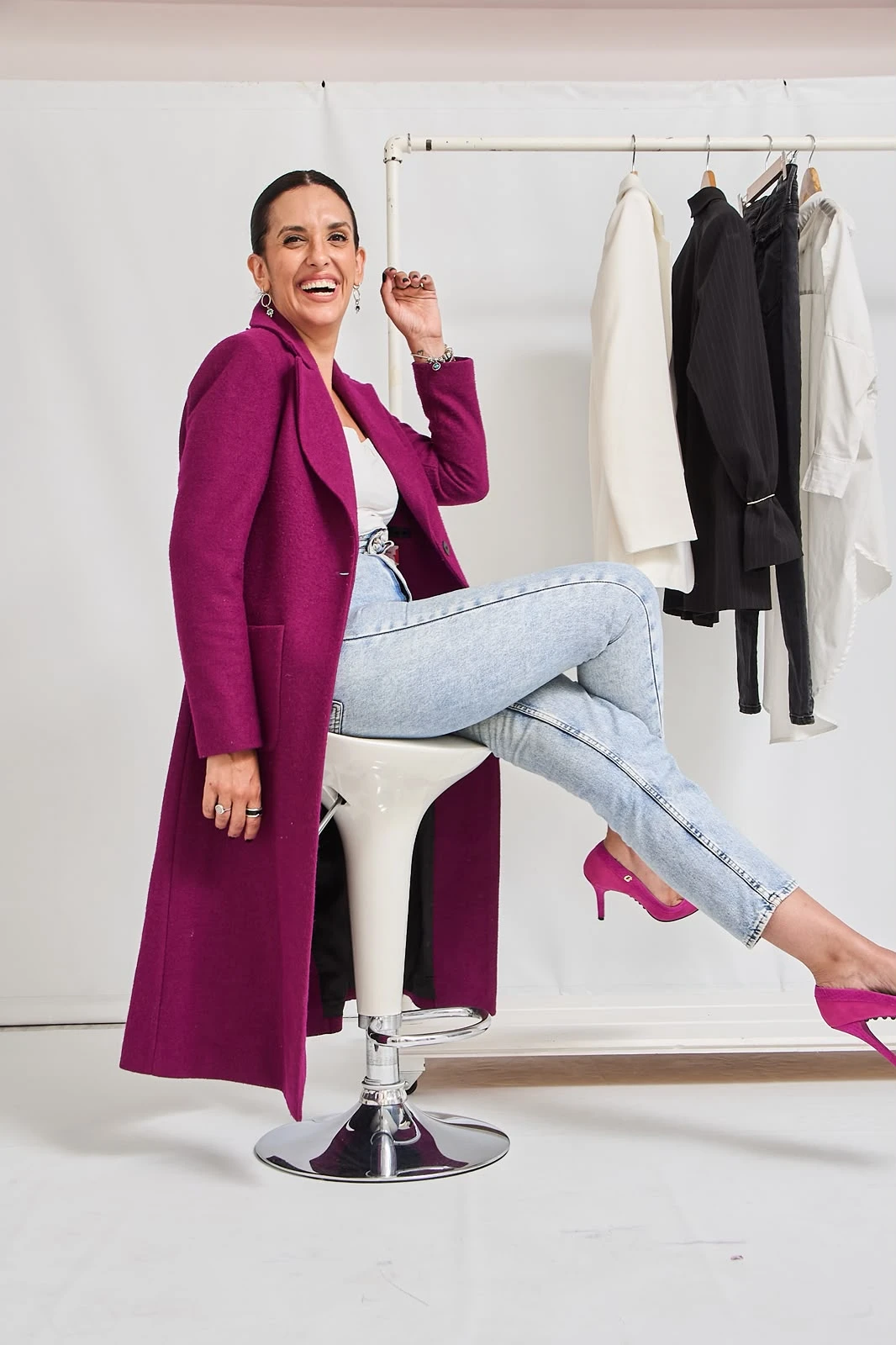
The pieces that inspire the most confidence are usually those with a good fit that function as “personal uniforms”: a crisply structured blazer, jeans that flatter, a flawless shirt, or a dress that we know always makes us feel good.
It’s no accident that we all have those garments we reach for before an important meeting or a special event. They are our well-being and security pieces.
“What matters is that each person finds a palette that works with their natural features”
-What role do colors, textures, and materials play in building a look and in the emotions it can evoke in the wearer?
-They are fundamental because the language of our image is also sensory. Color is the first element the human eye perceives and has a huge emotional impact on others and on ourselves.
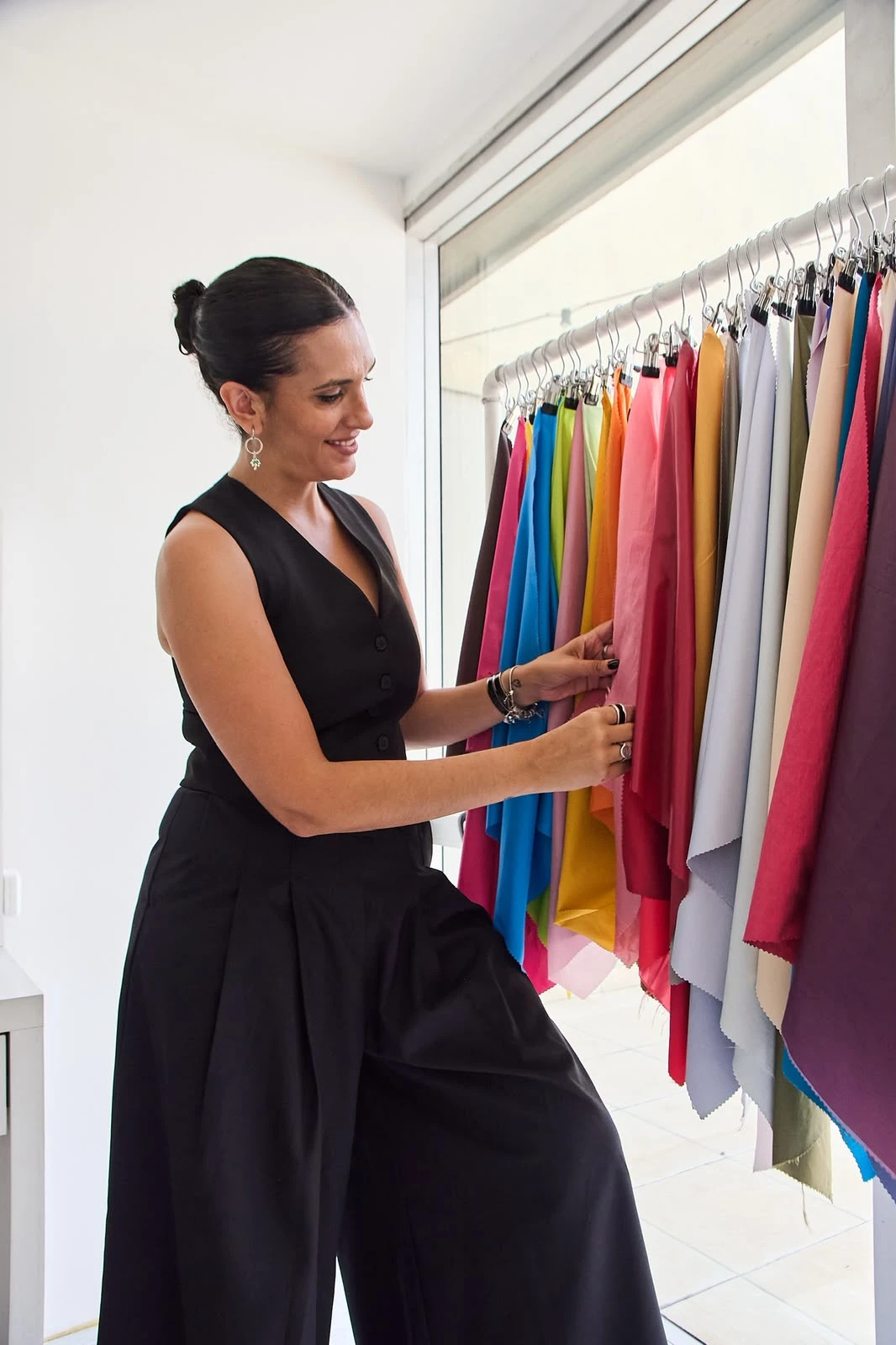
Warm tones convey warmth and energy; cool tones tend to communicate calm, professionalism, or sophistication. But beyond color psychology, what matters is that each person finds a palette that generates synergy or is compatible with their natural features. Used well, colors help illuminate the face and create a much more confident image.
Textures and materials also speak. Silk signals refinement, linen naturalness, leather character and strength, while soft fabrics convey closeness.
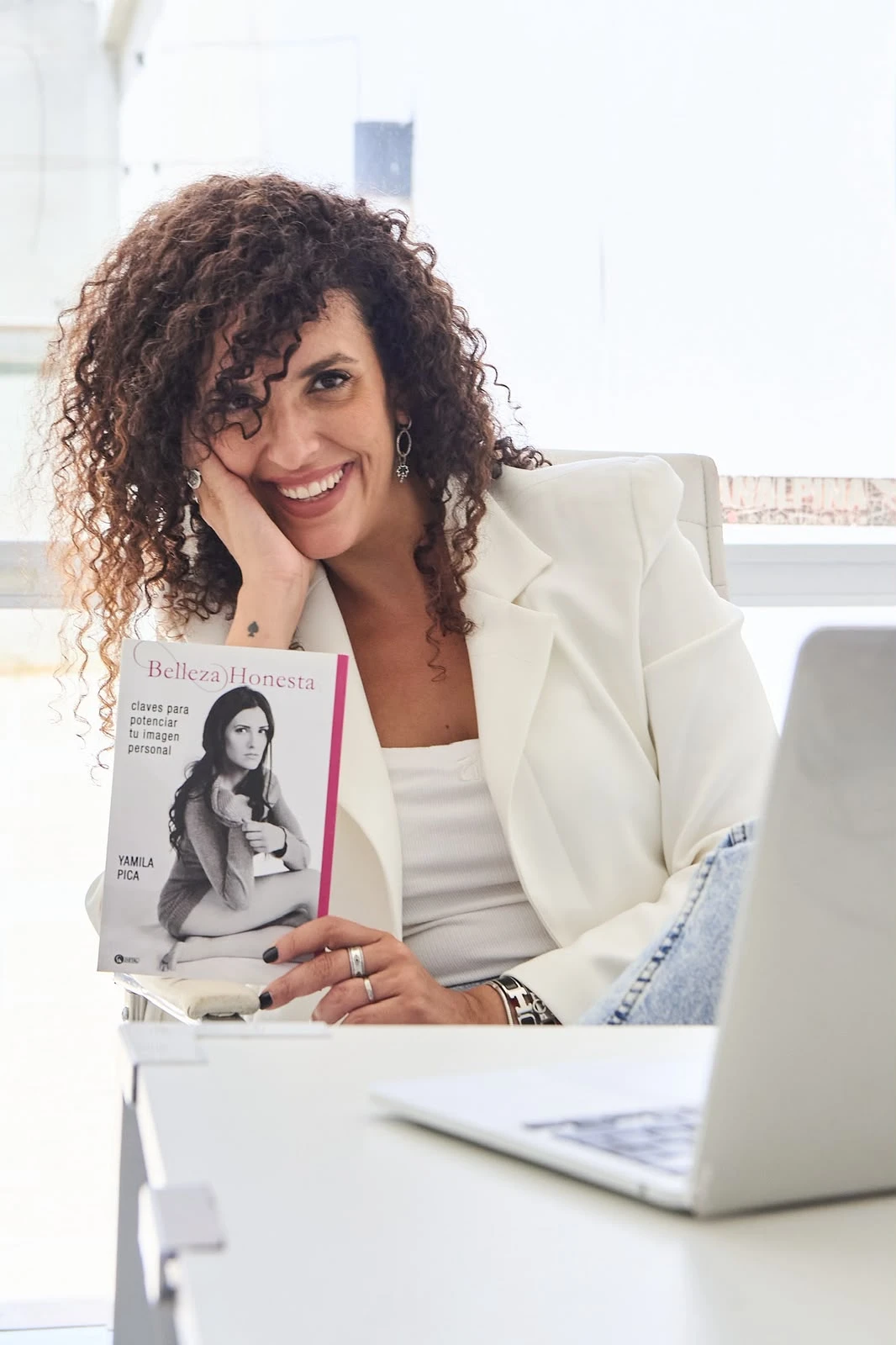
“Clothing is one of the most powerful nonverbal languages that exist”
-Can clothing also function as a way to express who we are — or even who we want to be — even if we don’t say it out loud? How do you build a personal style without being tied to trends?
-Absolutely. Clothing is one of the most powerful nonverbal languages that exist. It speaks about our values, our lifestyle, our aspirations, and even the personal moment we are navigating.
Personal style is not built by following trends, but by knowing oneself. Tends are tools, not rules.
Not everything in fashion needs to be part of our wardrobe. A stylish person chooses what enhances their identity and lets go of what does not represent them.
My catchphrase is that “Fashion is not what you wear, but what you like and what makes you feel comfortable.” If you understand that, you’re already ahead.
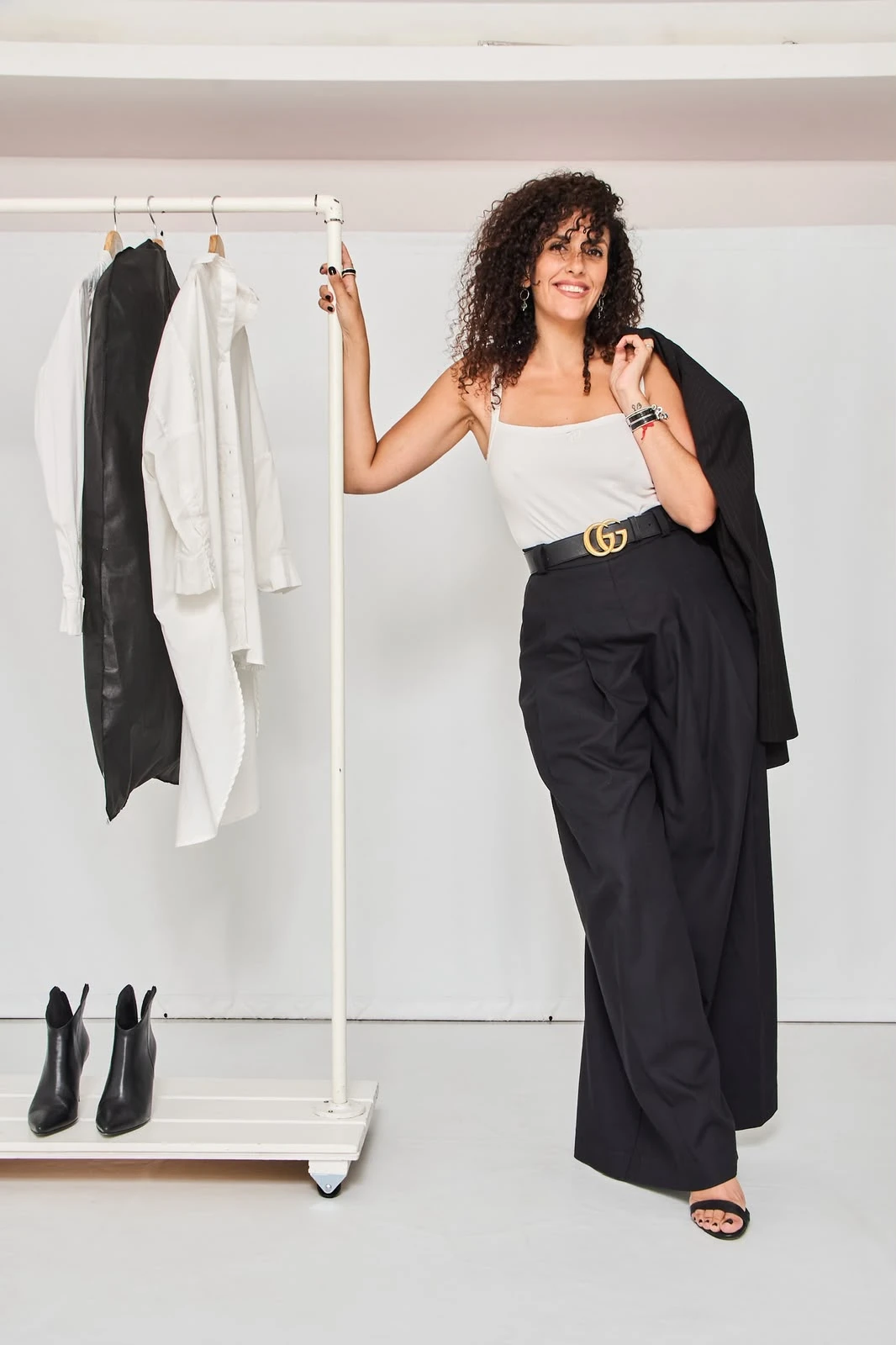
“Dressing consciously doesn’t mean buying more; it means choosing better”
-What advice would you give to someone who feels they dress on autopilot every day and wants to start using fashion as a tool for personal expression and well-being?
-I would tell them that before opening the closet, ask a very simple question: “How do I want to feel today?”
Too often we choose clothes out of habit, when in reality we could use them as a tool to support our goals and our emotional state. Dressing consciously doesn’t mean buying more, but choosing better.
My recommendation is to start by identifying which garments truly represent you, discovering your best colors, understanding which silhouettes flatter you, and building a wardrobe that is coherent with your lifestyle.
When image stops being superficial and becomes an authentic extension of personality and essence, fashion becomes a powerful tool for well-being, self-esteem, and communication.
Yamila Pica on Instagram: @yamilapica