
The bob has been reinventing itself for years while staying firmly among the most popular cuts. It rests on a relatively simple structure —a short to mid-length mane that is usually located between the jawline and the shoulders—, but it admits so many variations that it can adapt to hair that is entirely different from one person to another.
There are straight, compact bobs, choppier versions, cuts with internal layers and proposals especially designed for waves or curls. Therefore, rather than going to the salon with a single reference photo, it’s worth understanding which elements of that cut can work with your own hair.
Texture isn’t the only factor that matters. You also need to consider the thickness of the strand, the amount of hair, its tendency to frizz or expand, and how much time you want to dedicate to daily styling.
What is a Bob Cut
A bob is a mane that usually ends between the jaw and the shoulders. Its most recognizable version has a defined base, but the result changes according to length, presence of layers, the finish of the ends and whether or not you include a fringe.
One of its great possibilities is that it allows for a visible change without necessarily moving to a cut that is too short. Additionally, it can be worn straight, with waves, with curls, neatly, or with a more relaxed finish.
However, not all bobs behave the same. A very straight cut keeps weight at the ends, while layers distribute the volume and create movement. That difference is fundamental when choosing.
Blunt Bob: for Fine or Sparse Hair
The blunt bob has a straight, defined base and virtually no layers. By keeping most of the hair at roughly the same length, the ends form a compact line.
It is a good alternative when the hair is fine or lacks density, because it avoids removing weight unnecessarily. In these cases, a few internal layers can add movement, but very pronounced layers could leave the ends too light.
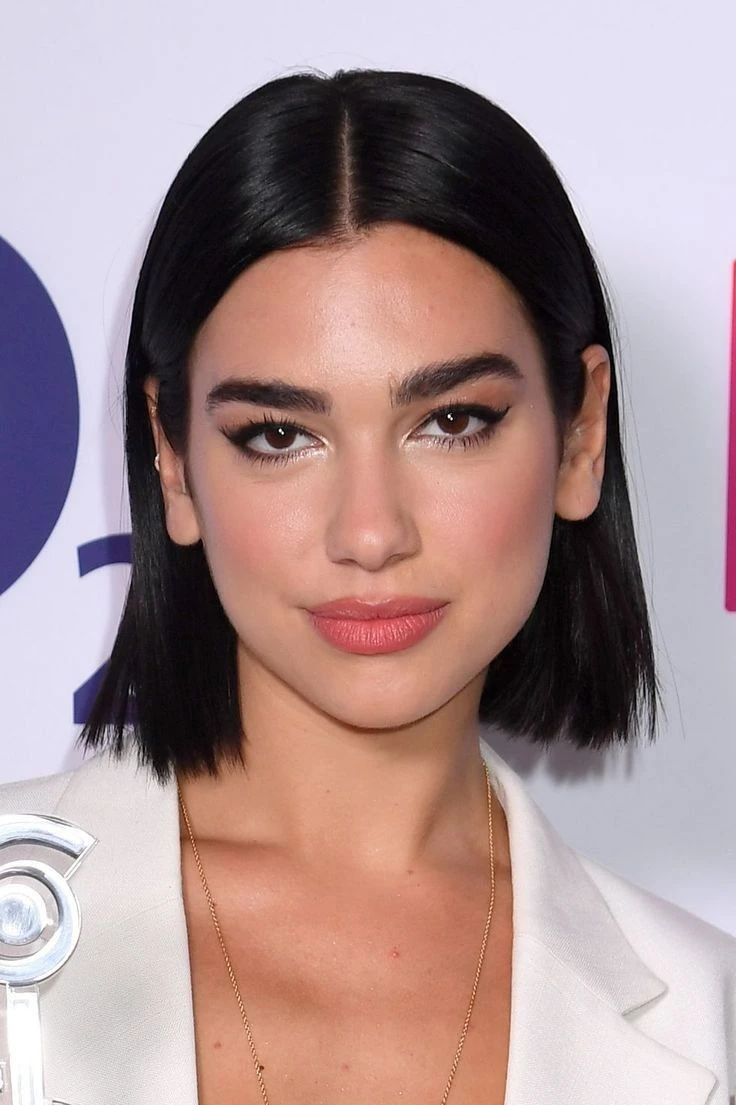
It can be worn at chin level or a few centimeters below. In straight hair, its geometry is clearly visible; if there are soft waves, it gains a less rigid and more natural finish.
Italian Bob: for Fine Hair Needing a Defined Structure
The Italian bob is characterized by its straight cut, compact ends and a length that typically reaches the chin or lightly brushes the neck.
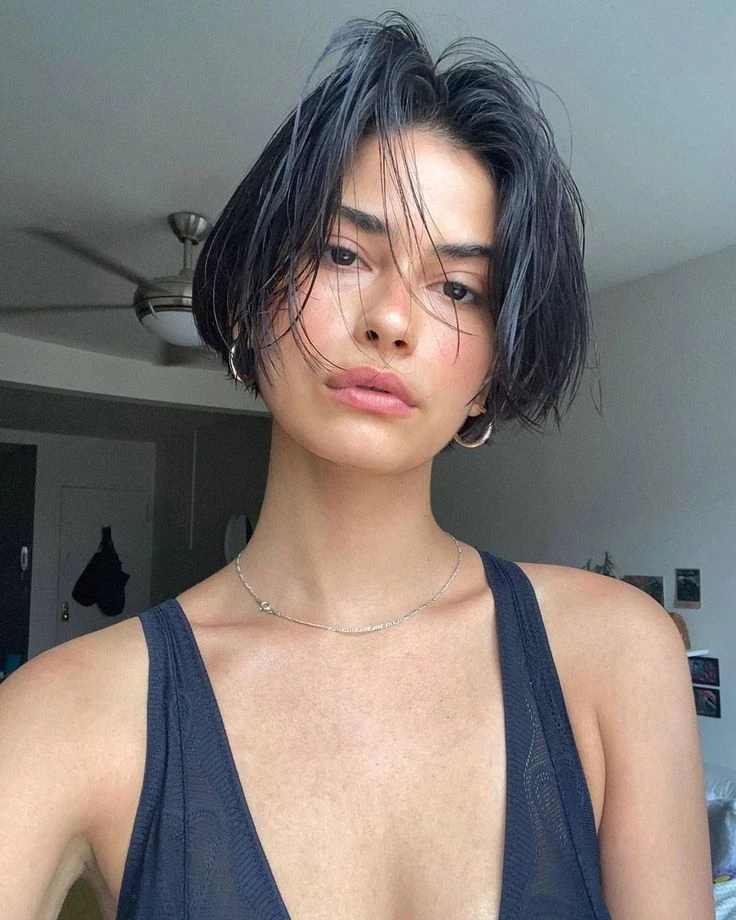
Unlike other, more textured bobs, it maintains a solid structure. It can work on fine hair because it preserves the body of the ends and allows for different hairstyles with a central or a side part.
Although it shares some features with the blunt bob, it is usually worn with a more voluminous and polished look. It also accepts ends slightly curved inward to emphasize its silhouette.
Layered Bob: for Thick or Voluminous Hair
When there is a lot of hair, a completely straight base can concentrate too much volume at the ends. In those cases, the layered bob adds internal or visible layers to distribute the weight.
The amount and placement of the layers should be defined according to how the hair behaves. If it’s thick and straight, they can add movement; if it also has waves, they help the texture find its own shape.
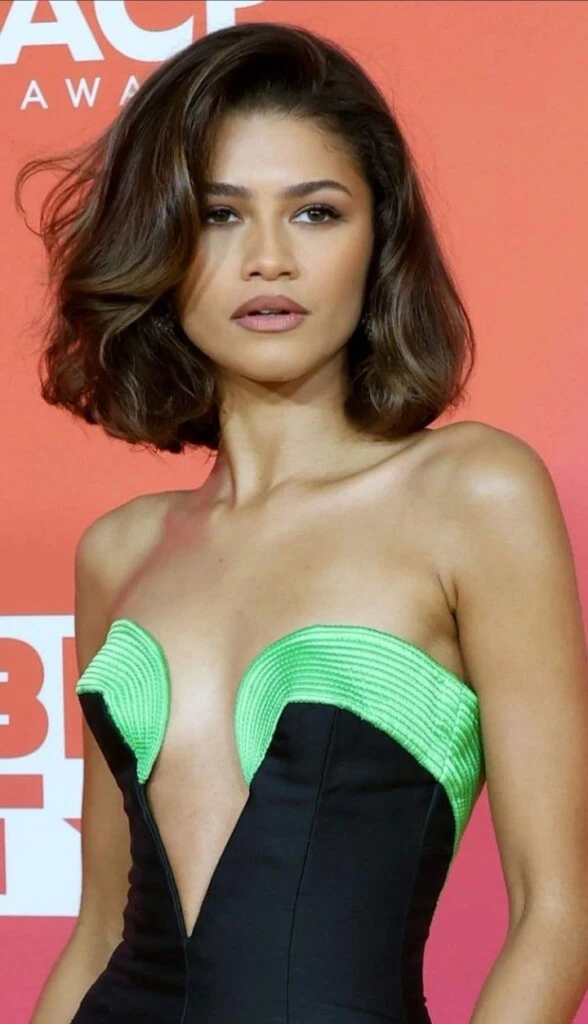
It isn’t necessarily about making many layers, but about placing them strategically. Long layers preserve the overall bob structure, while shorter ones produce a defined and relaxed finish.
Wavy Bob: for Wavy Hair
The wavy bob starts from the hair’s natural movement rather than trying to discipline it. It typically features a light base, complemented by soft layers or slightly choppy ends.
It can be cut to jaw height or extend a few centimeters further, depending on how much the hair expands when drying. The goal is to allow the waves to form without the weight of the length undoing them.
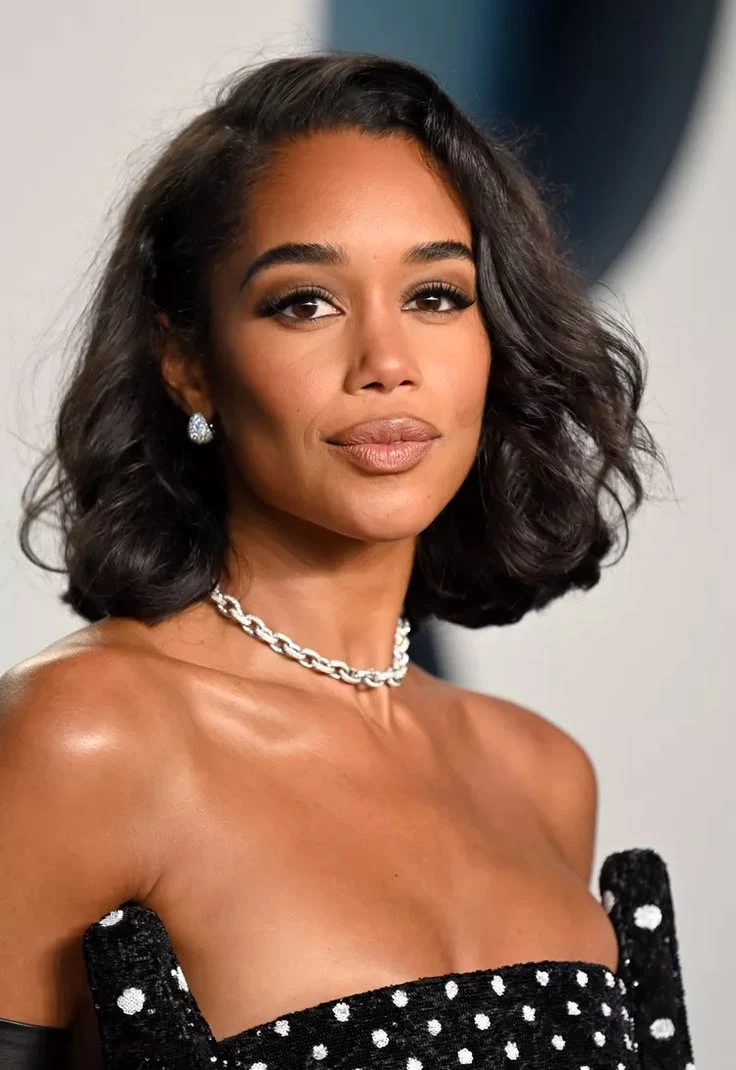
To wear it naturally, it helps to consider the direction of the waves and avoid an overly rigid structure. A middle part provides symmetry, while a side part creates a more relaxed fall.
Curly Bob: for Naturally Curly Hair
The curly bob is a short to medium-length mane designed to respect the natural curl pattern. It can have a rounder, square, or slightly asymmetric shape, depending on the curl type and the desired volume.
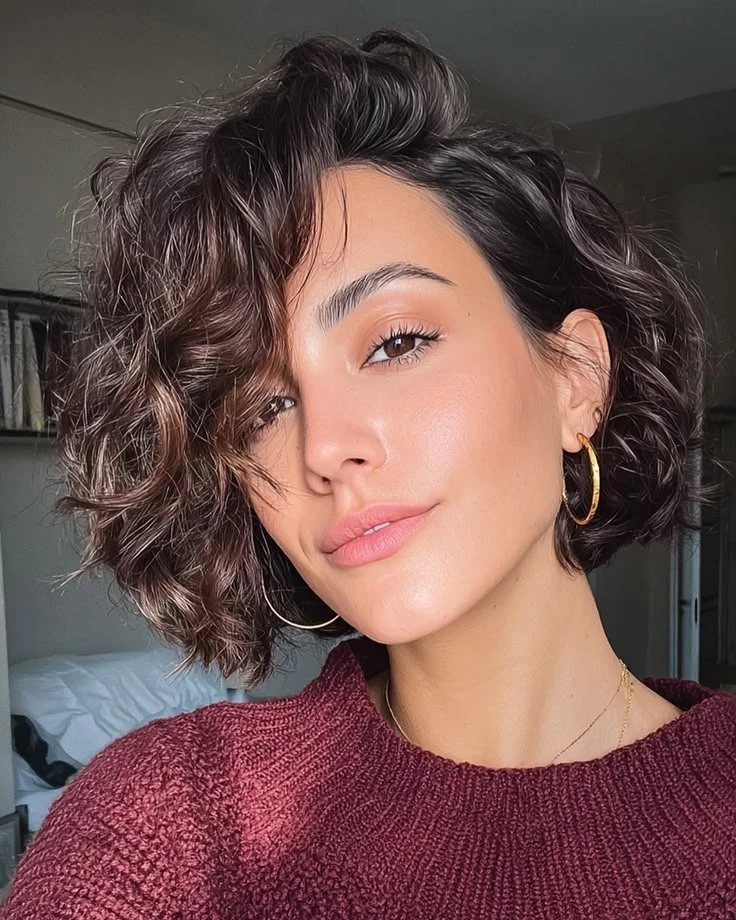
Before deciding the length it’s essential to consider the shrinkage that occurs when the hair dries. A cut done solely with the wet reference might turn out considerably shorter than expected.
The layers help distribute volume, but they must adapt to the density and the curl pattern. If they are too numerous or too short, they can create a shape different from the intended one.
To preserve its texture, it can be air-dried or dried with a diffuser, avoiding excessive handling of the curls during the process.
Dolce Vita Bob: for Hair with Waves or Broad Curls
The dolce vita bob is a more polished, retro-inspired version. It is recognizable for its long layers, rounded ends, and a soft volume that recalls 1950s hairstyles.

It can particularly suit hair that is wavy or has broad curls because it takes advantage of their natural movement. To achieve its most produced finish, it often requires a diffuser, a round brush, or large curling rods.
Unlike the freer curly bob, this version offers a deliberately constructed shape, with shine and definition. It’s an option for those who enjoy spending time styling and alternating between a natural finish and a more elaborate one.
French Bob: for Straight, Fine, or Mildly Wavy Hair
The French bob is cut roughly at jaw height and may be accompanied by a short, open, or textured fringe. Its finish is typically natural and somewhat less rigid than that of a fully geometric bob.
On straight hair, the line of the cut takes precedence. If the hair is fine, a relatively compact base helps preserve density. On a slightly wavy mane, it can be worn with a looser texture.

It is a version that requires considering the real behavior of the hair, especially if it tends to frizz or change a lot in length when drying. It can also incorporate very subtle internal layers to generate movement without losing the shape.
Layered Lob: for Thick Hair or for Those Who Don’t Want to Cut Much
The lob — or long bob — extends the length to the shoulders or collarbones. It’s an alternative for those who want to change the hair’s structure but prefer to keep the option of tying it back.
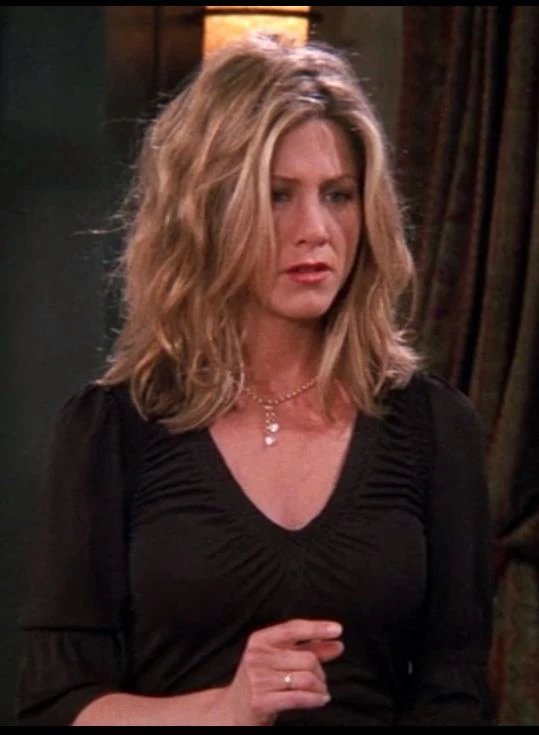
Its layered version is very versatile. In thick hair, long layers help distribute weight; in wavy hair, they follow the texture; and in fine hair they can provide movement as long as you don’t remove too much density from the ends.
Furthermore, growing out is less noticeable than with a very short, geometric bob. This makes it a good entry point for those who want to try the style without making such a marked change.
What to Look For Before Choosing Your Bob
Before deciding on the cut, it’s helpful to observe three different characteristics:
- Texture: indicates whether the hair is straight, wavy, or curly.
- Thickness: refers to the diameter of each hair strand.
- Density: expresses the amount of hair there is.
These characteristics can combine in many ways. It’s possible to have fine hair but very abundant, or thick fibers with low density. Therefore, choosing solely based on one category can be insufficient.
Maintenance also matters. Straight and geometric bobs require more frequent touch-ups to preserve their line. Layered or choppier versions, on the other hand, tend to better accommodate growth.
The best reference isn’t only a photo of the finished cut: it’s also useful to show the hairdresser how you usually wear your hair, tell them whether you dry it naturally, and explain how much time you want to dedicate every morning.
The ideal bob isn’t the one that turns your hair into something else, but the one that works with its texture and lets you wear it in a way compatible with your routine.