
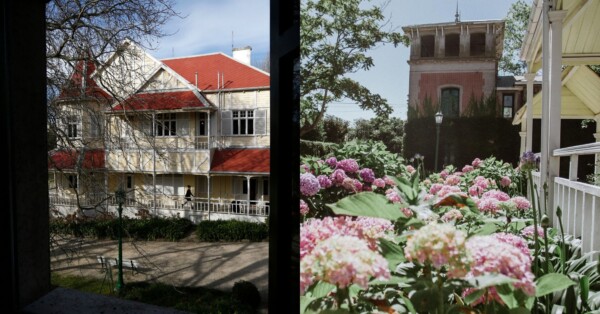
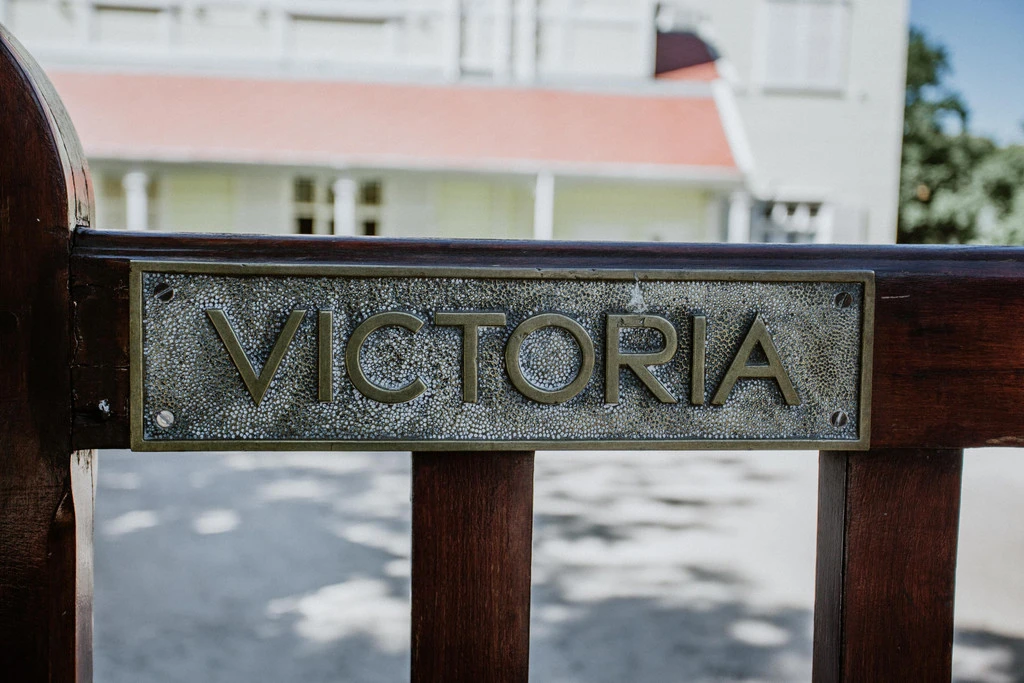
Victoria Ocampo, the historic summer residence of the renowned Argentine writer, which today operates as a Cultural Center and preserves part of the intellectual and artistic memory of the twentieth century.
Located at Matheu 1851, between Arenales, Quintana and Lamadrid streets, the property is one of the city’s tourist and cultural attractions. Its gardens, galleries and interiors invite visitors to discover how Victoria Ocampo lived and how that space became a meeting point for prominent cultural figures.
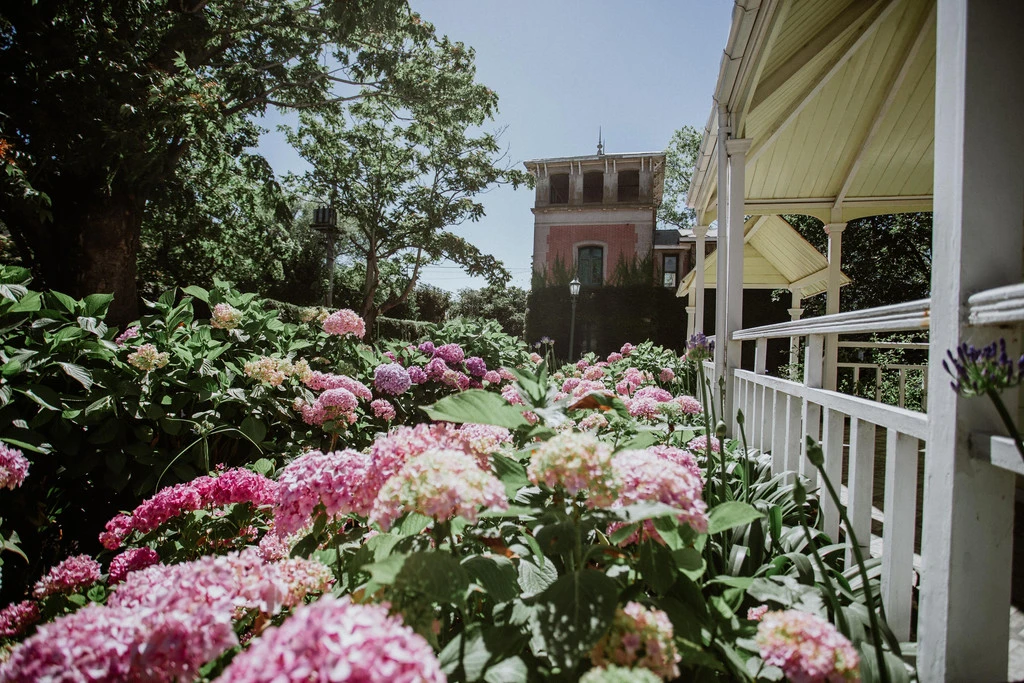
But behind its architecture lie several surprising stories. Here are five curiosities to know before visiting…
1. The house arrived in Mar del Plata by boat
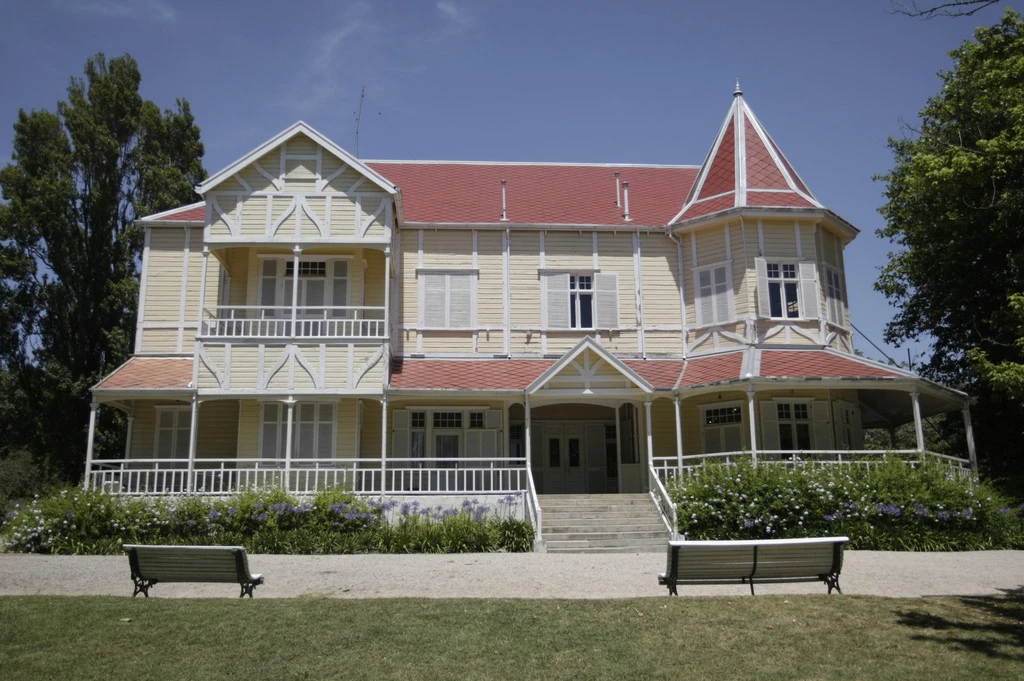
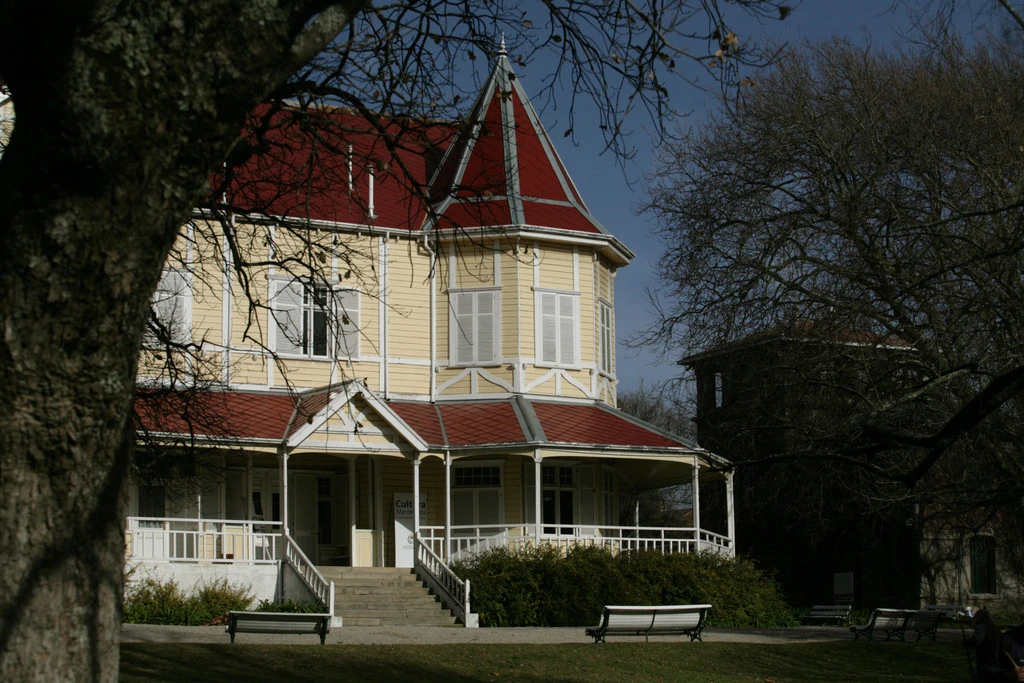
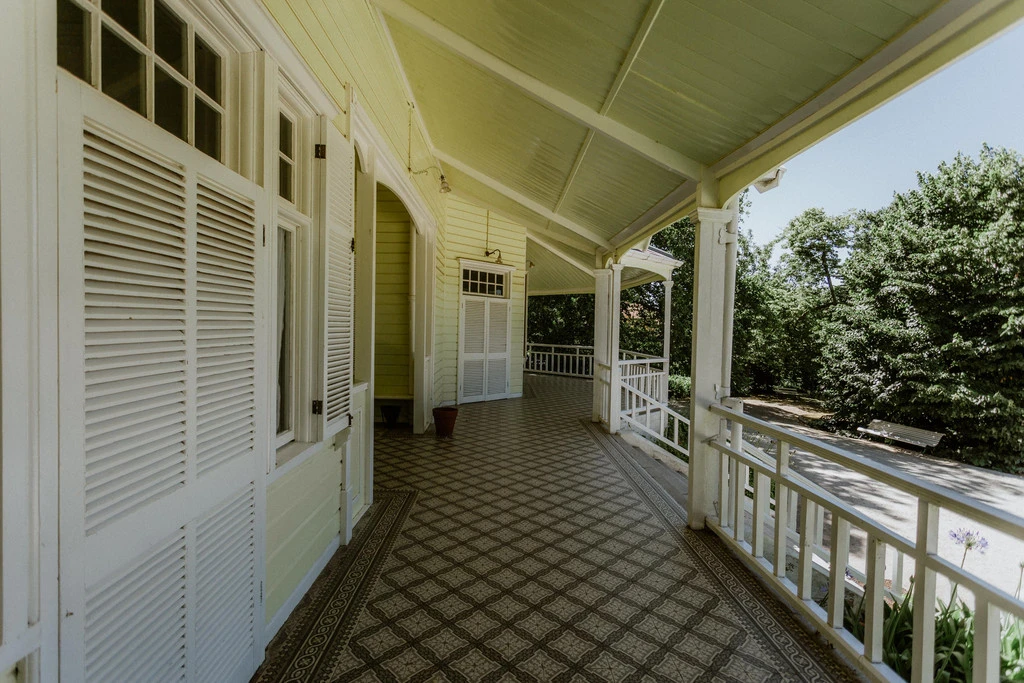
Although today it is part of Mar del Plata’s urban landscape, Villa Victoria was built in England in 1912 for Francisca Ocampo de Ocampo, the great-aunt and godmother of the person who would become its owner. It is a bungalow of iron and wood, produced by the firm Boulton & Paul Ltda., that arrived in Argentina by ship and was assembled on an iron framework. Its construction system followed the modular approach typical of prefabricated houses.
2. Notable writers and intellectuals passed through its rooms
Victoria Ocampo inherited the property during the 1920s and opened it to visitors. Prominent figures from national and international culture walked through its doors, among them Jorge Luis Borges, Adolfo Bioy Casares, Gabriela Mistral, María Rosa Oliver, Enrique Pezzoni, Eduardo Mallea, Waldo Frank and Roger Caillois, among others.
Within the mansion, dinners, salons and parties were organized that brought together writers, artists, musicians and thinkers.
3. It was donated to UNESCO and later acquired by the Municipality
During her lifetime, Victoria Ocampo donated the property to UNESCO. After her death, the organization decided to auction the Mar del Plata residence along with its furnishings to cover the expenses of Villa Ocampo, another of the writer’s properties located in San Isidro. Ultimately, in early 1981, the General Pueyrredon Municipality purchased the house, and since then the Victoria Ocampo Cultural Center has operated there.
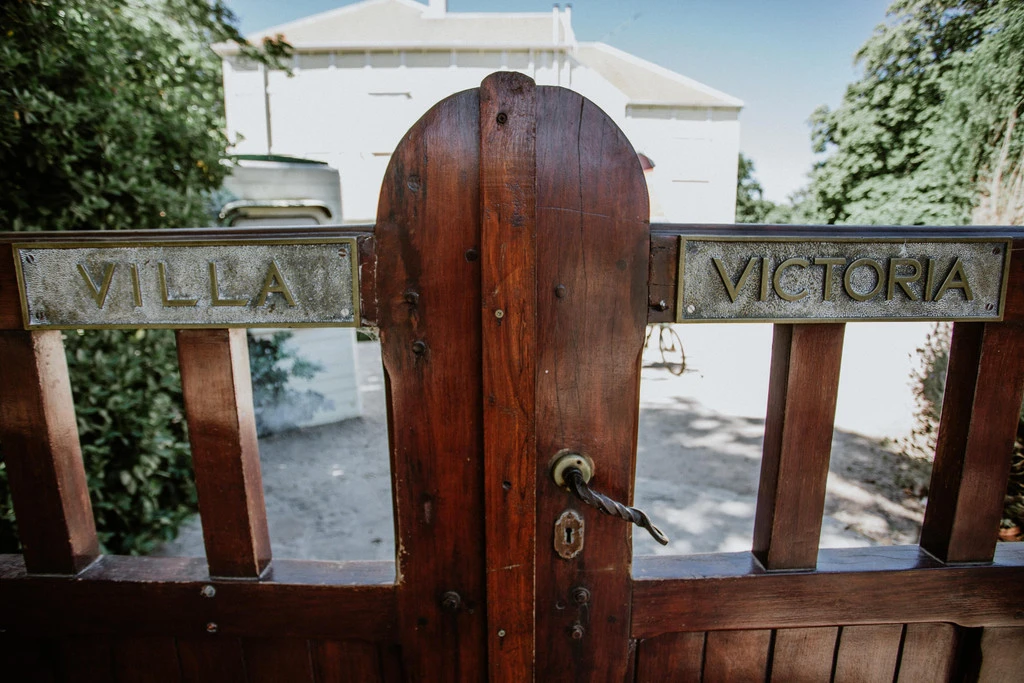
4. The complex comprises three buildings in different styles
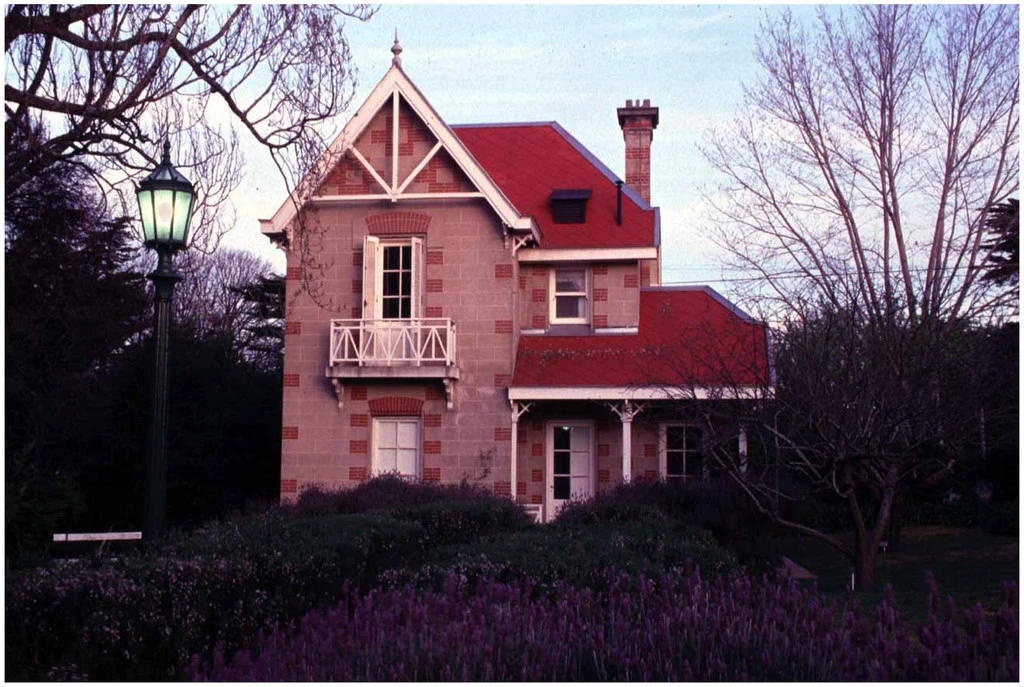
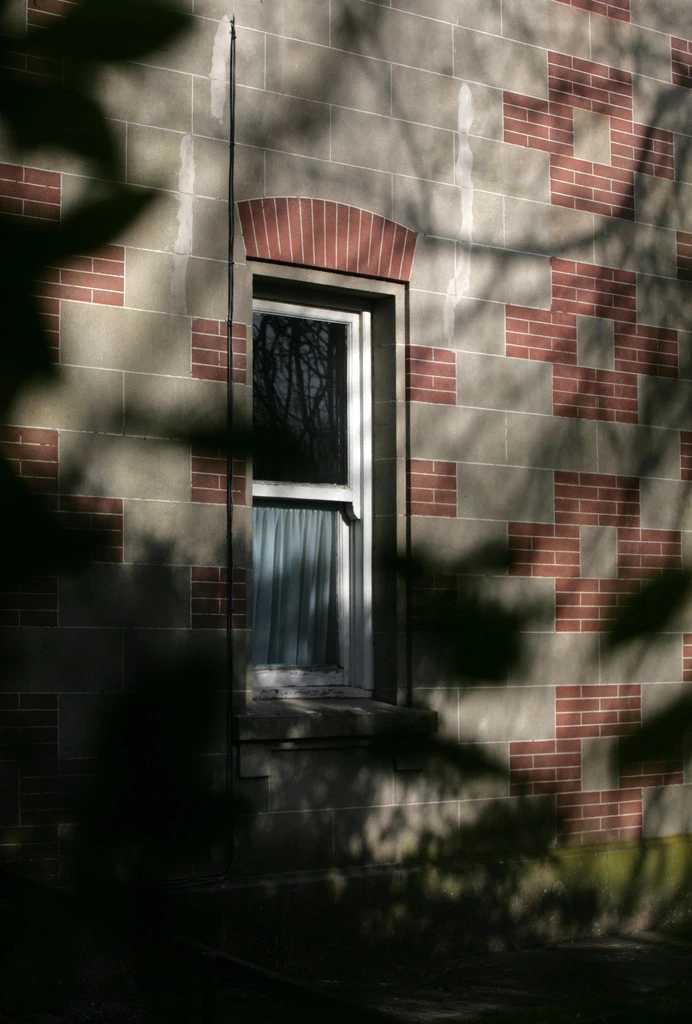
The property does not consist of a single house. In fact, the Cultural Center comprises three buildings: the main residence, in English style; the caretakers’ house, in French style; and a third Italian-style building originally intended for the service staff and featuring a double garage with access to Matheu Street.
5. Victoria Ocampo left a fundamental imprint on Argentine culture
A writer and essayist, Victoria Ocampo was one of the country’s major intellectual figures. In 1931 she founded the Sur magazine and, two years later, Sur Editorial, pivotal spaces to disseminate and promote Argentine and foreign writers.
She also founded the Unión de Mujeres Argentinas in 1936, chaired the National Arts Fund in 1958 and was the first Argentine woman to join the Argentine Academy of Letters, in 1977.
A visit to travel through history
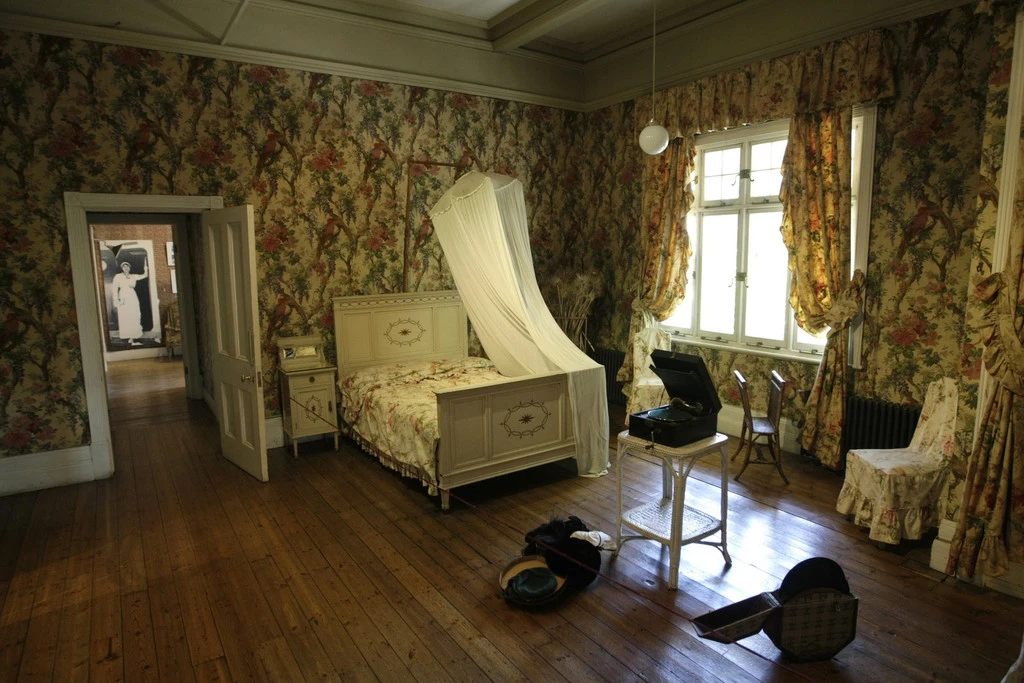
Today, Villa Victoria offers different experiences to explore its patrimony: you can tour the writer’s original bedroom furniture, visit temporary exhibitions, discover copies of the Sur magazine and literary works, and access videos, workshops and cultural and educational activities.
A visit that allows you to discover not only the history of a singular house but also the legacy of a woman who left a mark on Argentine cultural life.
Where is it located: Matheu 1851, Mar del Plata.
More information: www.turismomardelplata.gob.ar.