
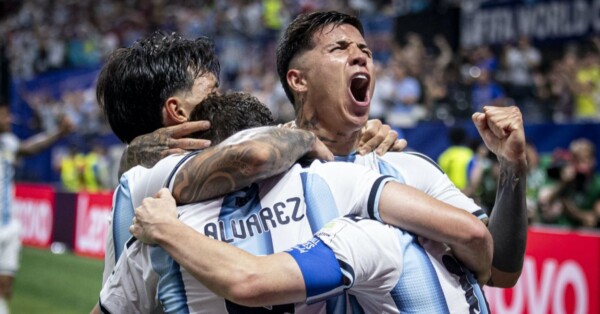
Every World Cup, and especially when there are massive street celebrations like those of recent days, leaves images that seem hard to explain. People who had never met before embrace after a goal, whole families organize their routines around a match, and coworkers who barely exchanged a word end up sharing a genuine joy. For a moment, political, social, or generational differences seem to lose relevance in the face of a shared emotion.
The temptation is to think that this phenomenon belongs exclusively to football. However, the World Cup does not create that capacity for union: what it does is reveal a deeply human need. People need to belong, to feel part of something larger than themselves. And when that happens, it changes how we perceive others, the decisions we make, and the bonds we form.
In those moments we stop thinking solely about the “I” and begin thinking about the “we.” This shared identity diminishes the sense of threat, strengthens trust, and promotes cooperation. Differences do not disappear, but they stop being central because there is a purpose that transcends them.
This mechanism is not exclusive to a World Championship. It was also observed during the early months of the pandemic, when many realized that individual well-being is closely tied to collective well-being. Faced with a shared challenge, acts of solidarity, empathy, and collaboration emerged that, in other contexts, seemed much harder to sustain.
Then an inevitable question arises: if we are capable of acting that way in certain circumstances, why is it so hard to maintain that spirit in daily life?
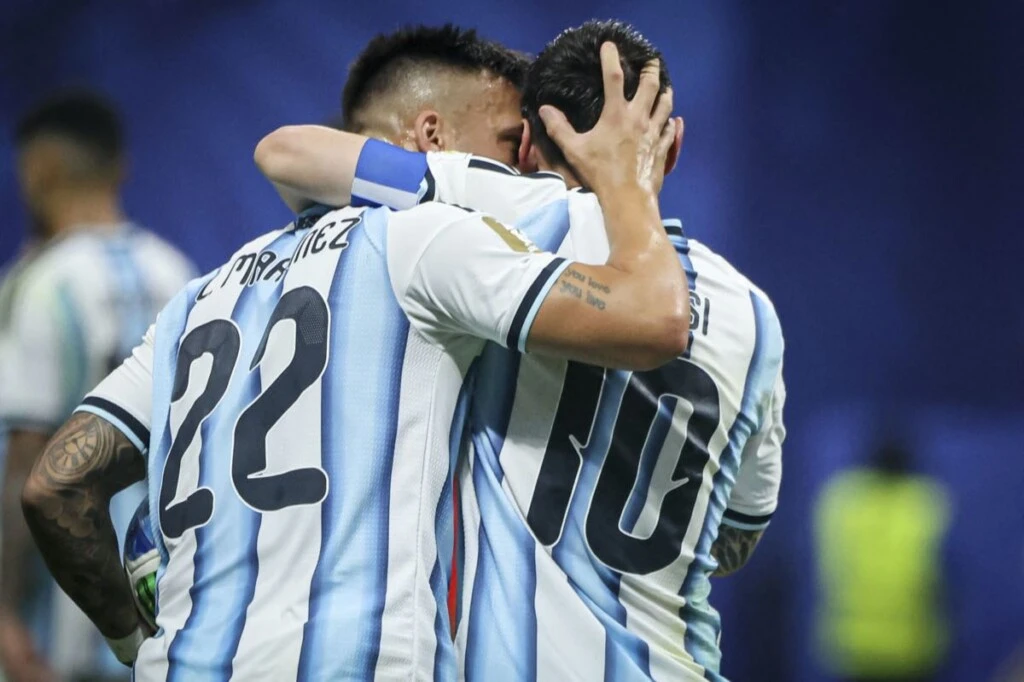
One of the answers lies in where we place our attention. The mind tends to notice what it seeks. When the focus is permanently on differences, disagreements seem to multiply. Instead, when we train our gaze to discover what unites us, new possibilities for connection appear. Reality does not always change; often it is our interpretation of it that changes.
This learning has enormous applicability in the workplace. Organizations often invest heavily in improving processes, adopting technology, or developing talent, but sometimes overlook a much deeper aspect: building a true sense of belonging.
The strongest teams are not necessarily those made up of people who think alike, but those who share a clear purpose. When everyone understands where they are heading and why their work adds value, differences cease to be a threat and become a source of wealth.
The same happens in personal relationships. The healthiest couples are not those who never argue, but those who remember that the real challenge is not to clash with each other, but to solve together what lies ahead. The same occurs among friends, families, or partners. When the shared project weighs more than individual ego, the quality of the bond changes.
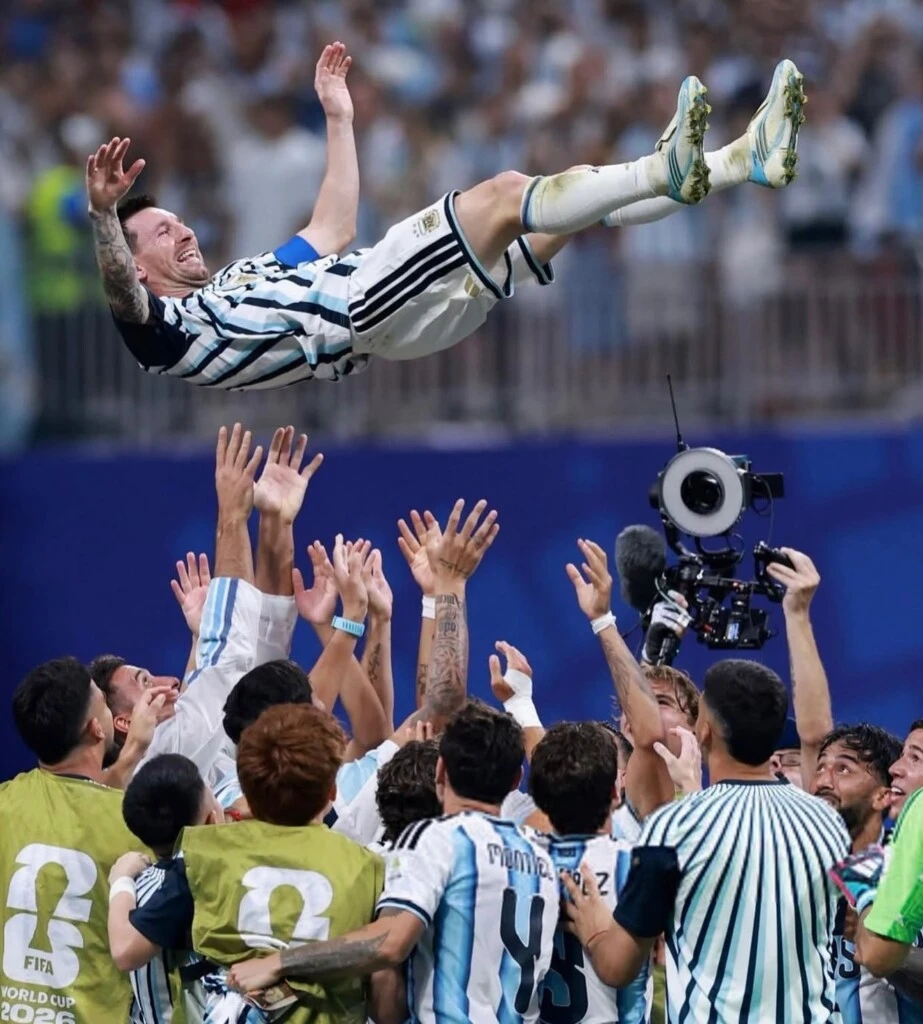
The Emotions Are Contagious Too
Another aspect the World Cup reveals is the enormous power of emotional contagion. Enthusiasm spreads as rapidly as pessimism. A hopeful attitude can transform the mood of a group just as a negative outlook can wear it down. That is why leaders of teams — in a business, a family, or any community — do not only manage tasks; they influence the emotional state of those around them.
Perhaps the greatest takeaway from the “World Effect” is to understand that a sense of belonging does not depend on a sports event. It can be built every day, in any setting where there is a shared purpose, trust, and a conscious decision to prioritize what unites over what divides.
The World Cup ends, routines return, and life goes on. The question is whether that capacity to collaborate, trust, and feel part of something bigger only appears during a tournament or if we can cultivate it in our daily lives as well. Perhaps that is the true lesson left by every World Cup.
By Paula Echeverría, expert in Rapid Transformation Therapy.