
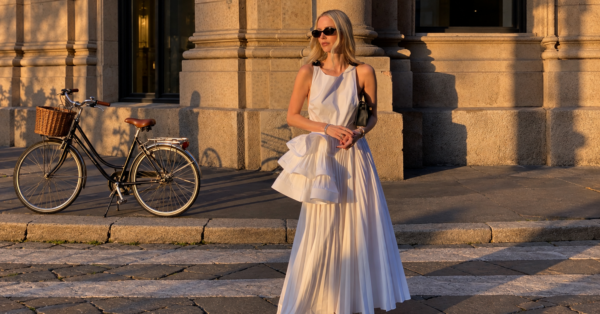
A practical guide to understand the dress codes and craft the right look for each event.
An invitation may read smart casual, elegant sport, cocktail, or gala, but those words alone aren’t enough to decide what to wear. The venue, the timing, and the type of celebration also determine the level of formality.
It’s not the same elegant sport for an outdoor lunch as for a dinner at a hotel. It also doesn’t carry the same weight for an occasional guest as for the mother of the bride, a godmother, a host, or someone who will have a special role during the event.
Therefore, before choosing the look it’s wise to consider other details of the celebration: where it takes place, what time it starts, what the relation is to the honorees, and what role each person will have. From these clues, the code works as a guide.
Casual and Smart Casual: the most relaxed levels
Casual
Casual doesn’t mean wearing just anything, but choosing everyday pieces and presenting them with care. It is typically used for informal gatherings, daytime lunches, daytime birthdays, or meetings in relaxed settings.
A look can be built with jeans, gabardine trousers, a skirt, a shirt, a T-shirt, a lightweight knit or a simple dress. Casual sneakers, low sandals, loafers and ballet flats accompany this level.
Although it allows for comfort, the context remains important. A gathering at a countryside home admits a more relaxed interpretation than a lunch at a restaurant.
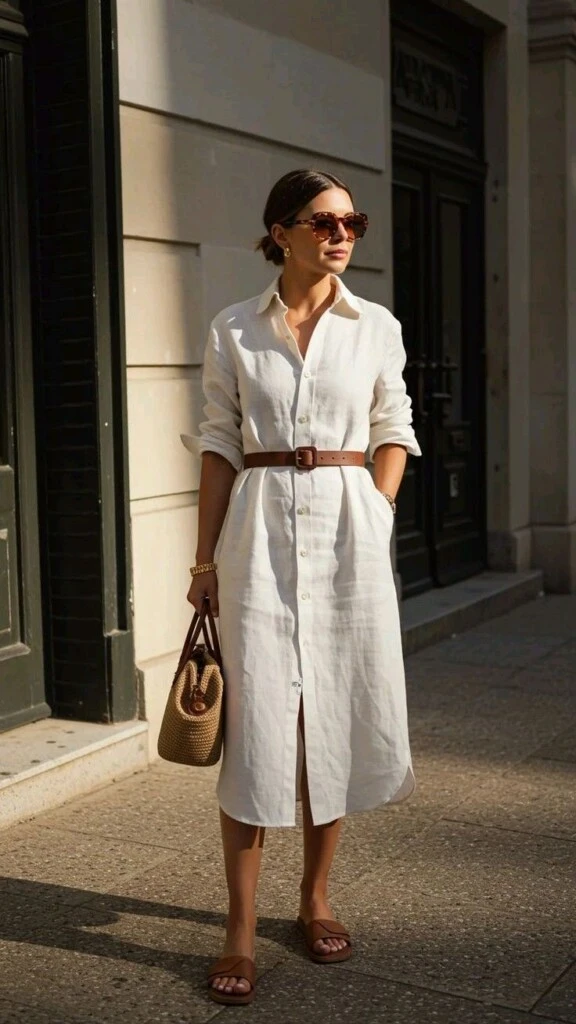
Looks for inspiration: jeans and a shirt; shirt-dress with sandals; gabardine trousers with a tee; midi skirt with sneakers.
Smart casual
Smart casual starts from casual pieces and adds one more polished item. It can appear at work events, openings, lunches, presentations, or celebrations that do not require partywear.
It is built by combining pieces from different registers: dark jeans with a blazer, tailored pants with a T-shirt, a midi skirt with a shirt or a simple dress with a structured jacket.
Footwear can include loafers, flats, boots or well-groomed sneakers. A structured handbag, a belt, or a standout accessory help give the outfit intentionality.
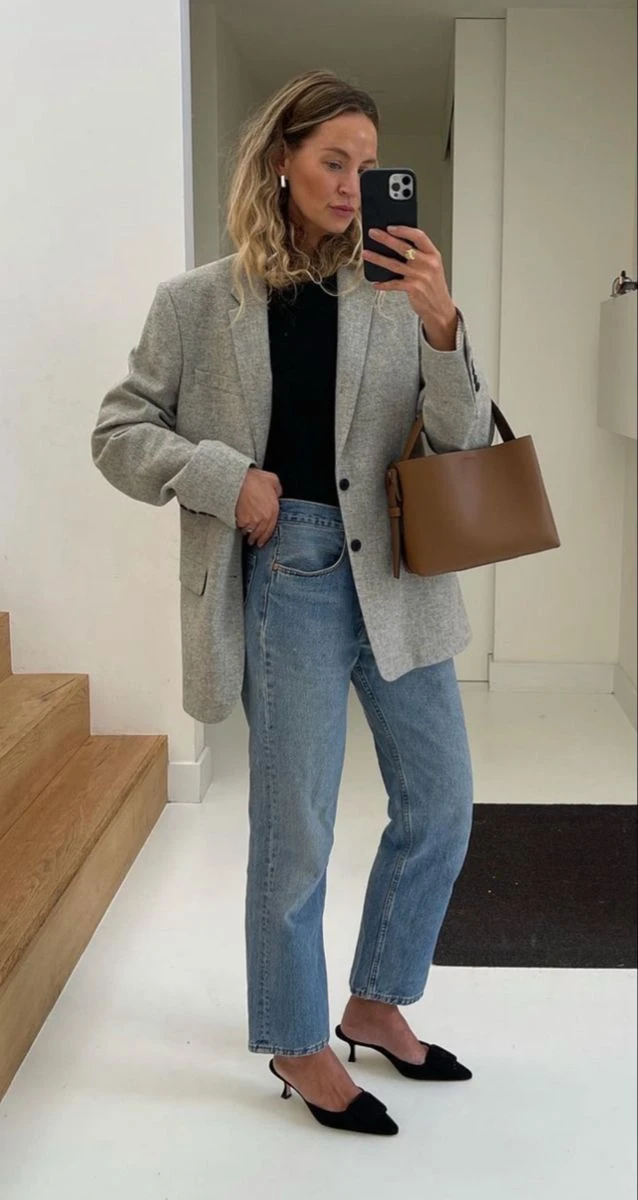
Looks for inspiration: straight-leg jeans with a blazer; tailored pants with a white tee; midi dress with loafers; skirt with a shirt and sneakers.
Business casual and Elegant Sport: one step up in formality
Business casual
Business casual is designed mainly for professional settings. It maintains a neat appearance and some structure, but sheds the rigidity of a traditional suit.
It can be assembled with tailored pants and a shirt, a midi skirt and a fine-knit, a dress with simple lines or a waistcoat-and-trouser ensemble. Loafers, slingbacks, flats, boots and mid-heeled shoes complete the look.
The palette doesn’t need to be exclusively neutral. Color, prints or accessories can be incorporated, as long as the ensemble retains a professional reading.
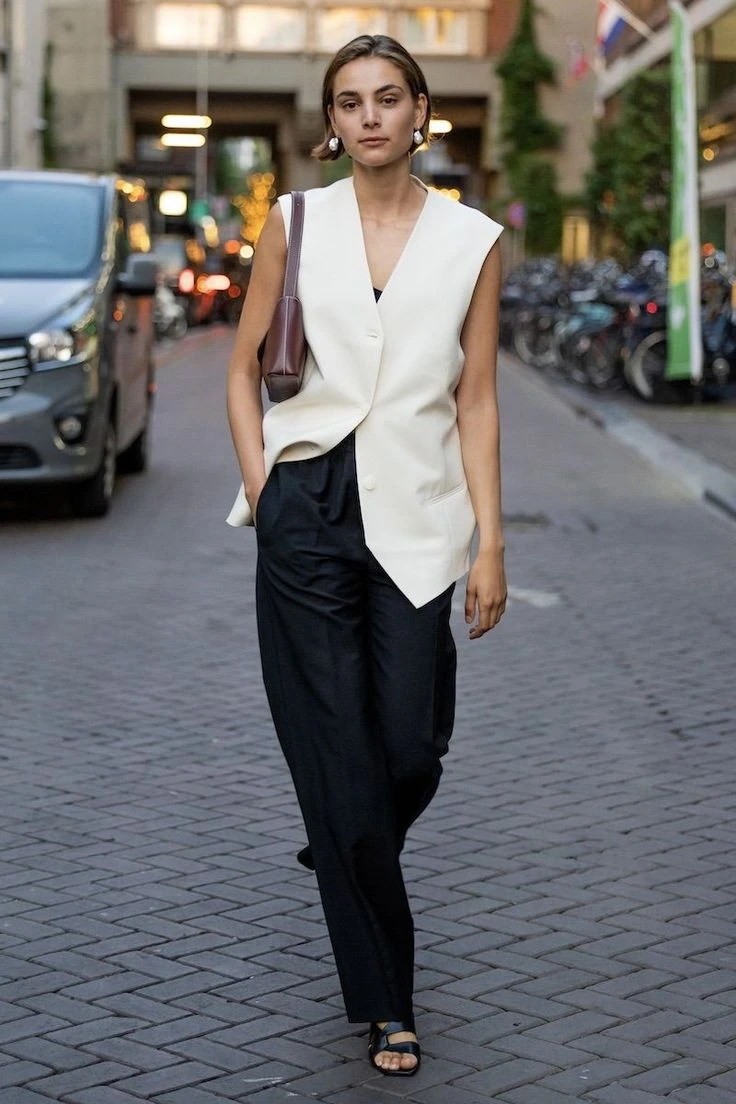
Looks for inspiration: suit with a tee; waistcoat-and-trouser set; minimalist dress with boots; midi skirt with fine knit.
Elegant Sport
Elegant sport is one of the most used codes in Argentina and also one of the ones that causes the most doubt. It sits between smart casual and cocktail: it requires a polished look, but not necessarily partywear.
It is common at civil weddings, major birthdays, anniversaries, dinners and corporate events. It allows midi dresses, rompers, tailored suits, wide-leg pants, flowing skirts and standout tops.
The fabric can dramatically change the tone. Satin, crepe, lace or subtle sheerness elevate a simple silhouette. Sandals, dress shoes, elegant flats or designer loafers pair better than purely athletic footwear.
For a daytime event you can choose light colors, prints and light fabrics. At night, the same category allows deeper tones, more prominent accessories and some shine.
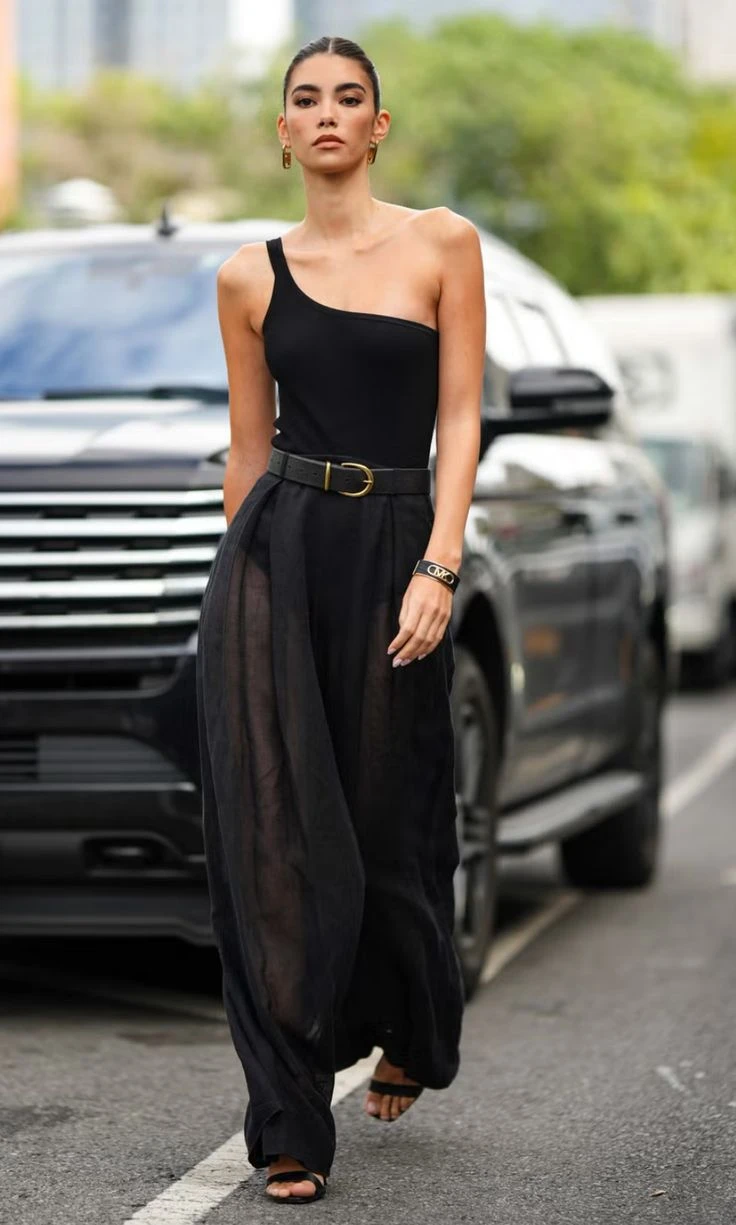
Looks for inspiration: midi dress with sandals; jumpsuit with statement earrings; colored suit with a top; satin skirt with a shirt.
Cocktail: the entry to the party universe
The cocktail code offers more refinement than elegant sport, but does not reach gala formality. It typically appears at weddings, parties, award ceremonies, launches and celebrations that begin in the afternoon or evening.
The mid-length dress is its signature piece, though a sophisticated jumpsuit, a night-time suit or a skirt-and-top set also work. The key is that the garments, the fabric and the accessories convey a festive intent.
Silk satin, lace, velvet, embroidery, sheer fabrics and sequins can be part of the look. A small clutch, party shoes and more noticeable accessories complete the ensemble.
The venue again changes the interpretation: a garden cocktail allows prints and bright colors; in a hotel or night-time ballroom, deeper tones, shines and a more elaborate proposal may be required.
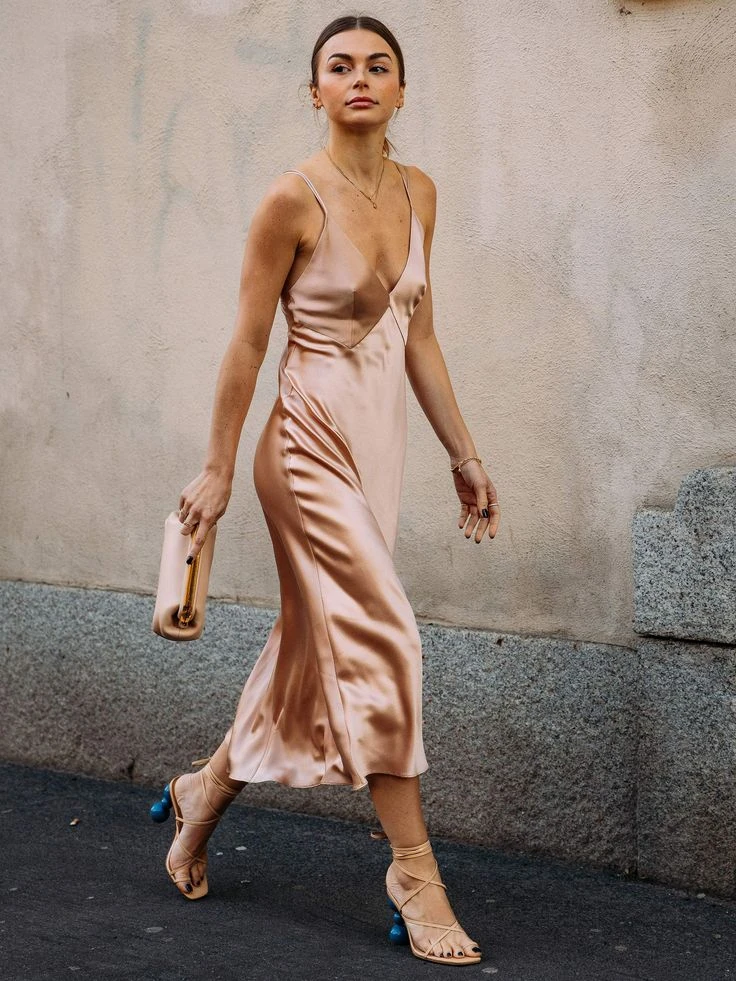
Looks for inspiration: satin midi dress; asymmetric jumpsuit; colored suit with a top; satin skirt with a shirt.
Gala and White Tie: the codes of highest formality
Gala or Black Tie
The gala code —also called black tie— is the one we usually see on major red carpets, such as the Oscars, the Golden Globes or the most important Cannes premieres.
The long dress is the traditional option, although evening tailoring, very elaborate jumpsuits, layered ensembles and other striking alternatives can appear.
Silk, satin, velvet, embroidery, appliqués and flowing fabrics are part of this universe. The look is completed with party shoes, a small clutch and accessories coordinated with the design.
Formality isn’t determined only by length. A simple dress can fit the code if the fabric, construction and accessories suit the occasion. It’s also important to consider the role: a host, a godmother or an awardee will likely need a more elaborate look than another guest.
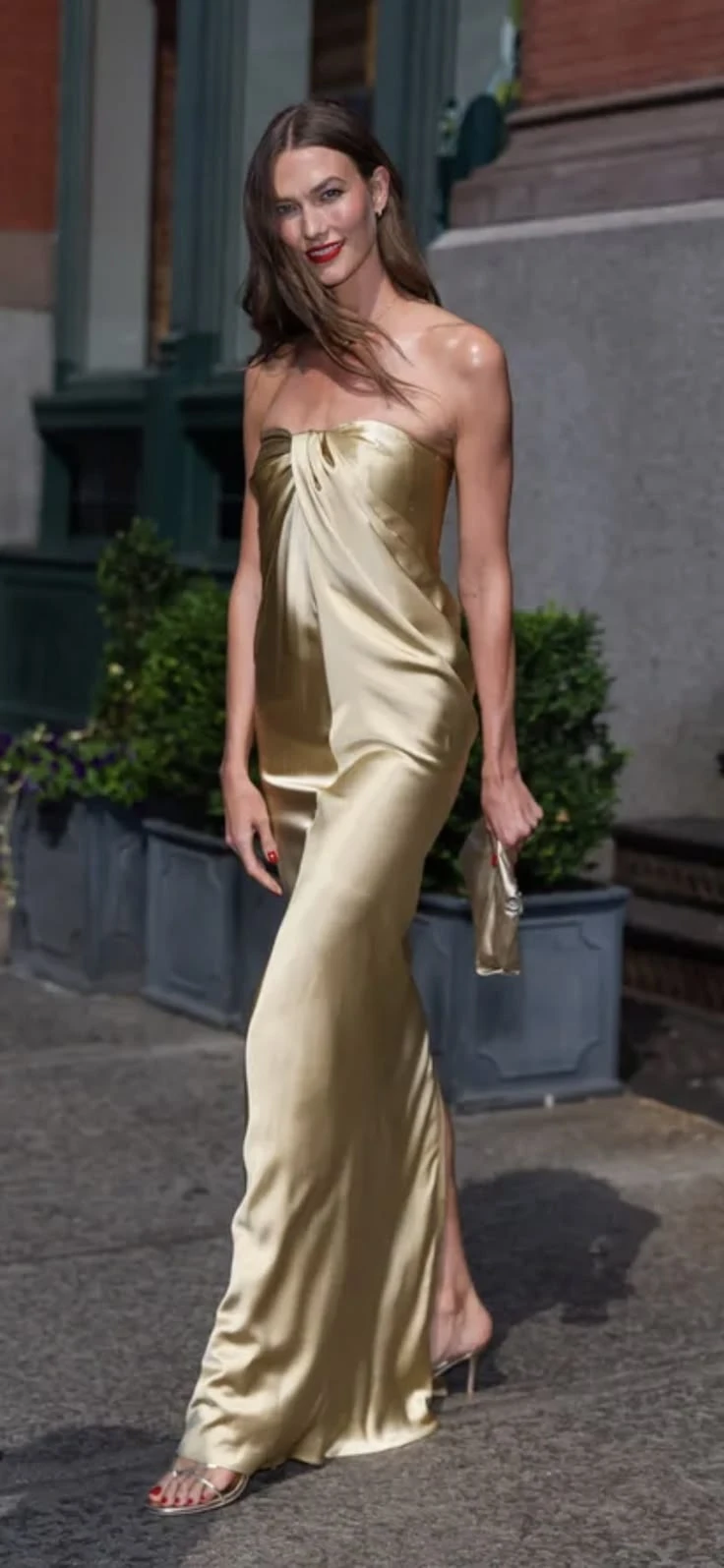
Looks for inspiration: red-carpet gowns; long minimalist designs; caped dresses; evening tailoring; monochrome gala ensembles.
White Tie or Maximum Formality
White tie is the highest level of formality and is used far less frequently. It may be seen at state banquets, royal ceremonies, ceremonial dances and the Nobel Prize banquet.
Traditionally, it requires a very formal long gown and may include gloves, significant jewelry, tiaras or decorations, depending on the event and the role of each person.
In this code, the invitation’s specific protocol takes precedence. It isn’t enough for the look to be elegant: it must adhere to the guidelines set by the organizers.
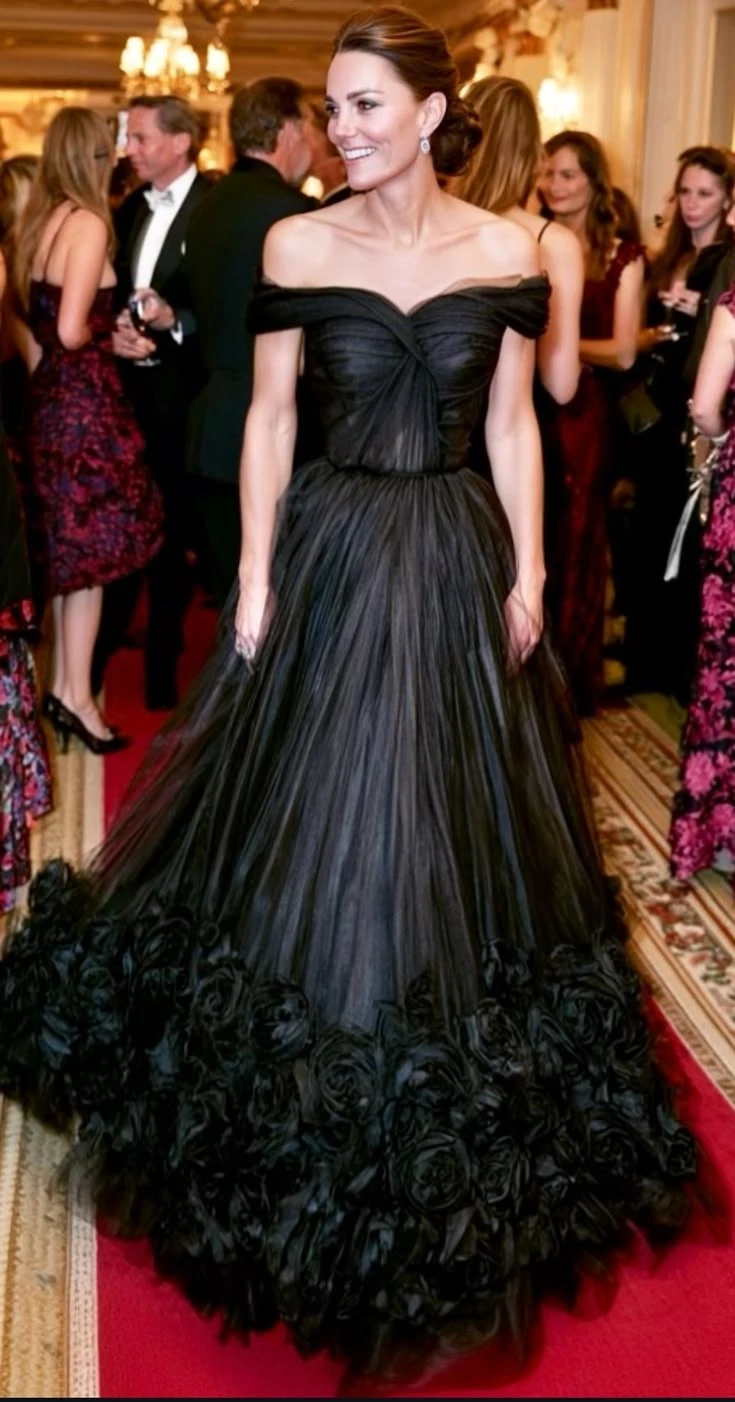
Looks for inspiration: royal banquets, state ceremonies, grand gala gowns, designs with gloves and voluminous proposals.
Garden party, Beach formal and Festive: codes defined by context
Garden party
The garden party signals a daytime outdoor celebration. It allows flowy dresses, light ensembles, prints, hats and colors either light or bright.
The terrain is a fundamental factor. If the event takes place on grass, it’s better to choose chunky heels, platforms, flat sandals or ballet flats rather than stiletto heels.
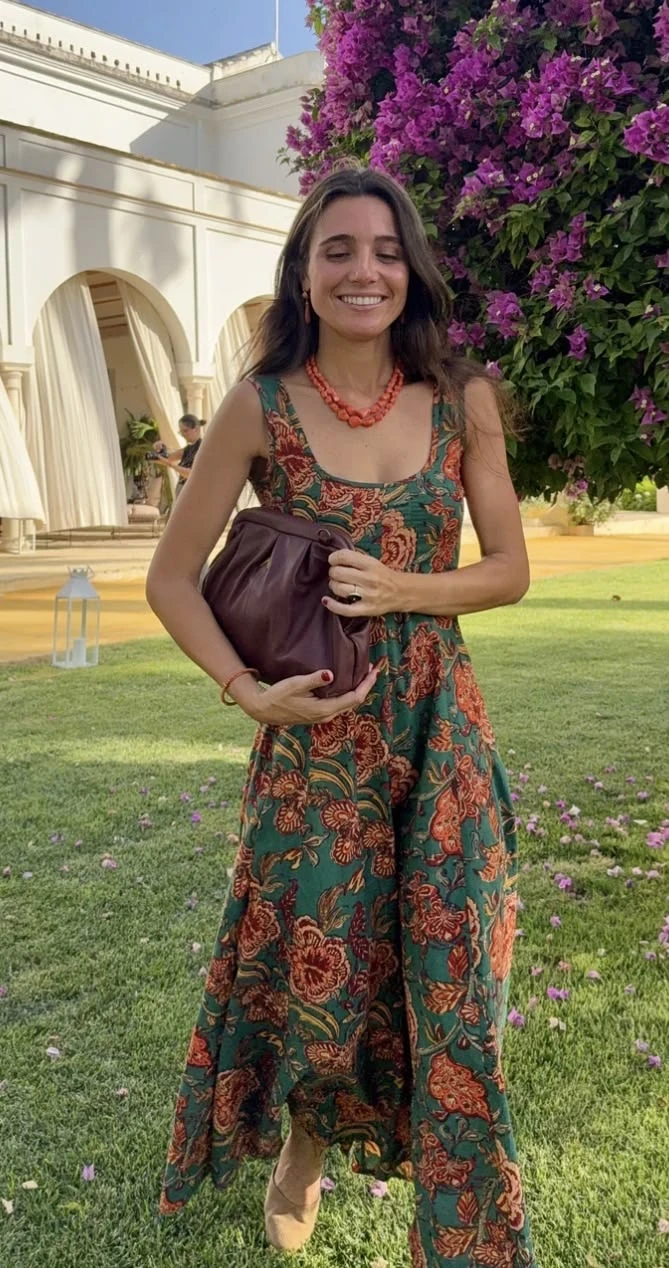
Looks for inspiration: printed dresses, linen ensembles, colorful rompers, hats and wide-heel sandals.
Beach formal
Beach formal adapts elegance to a seaside event. It doesn’t mean beachwear, but party-appropriate pieces that cope with wind, sand and high temperatures.
Long or midi dresses in light fabrics, loose ensembles, rompers and sandals form part of the proposal. Very thin heels and fabrics that are too heavy can be impractical for that setting.
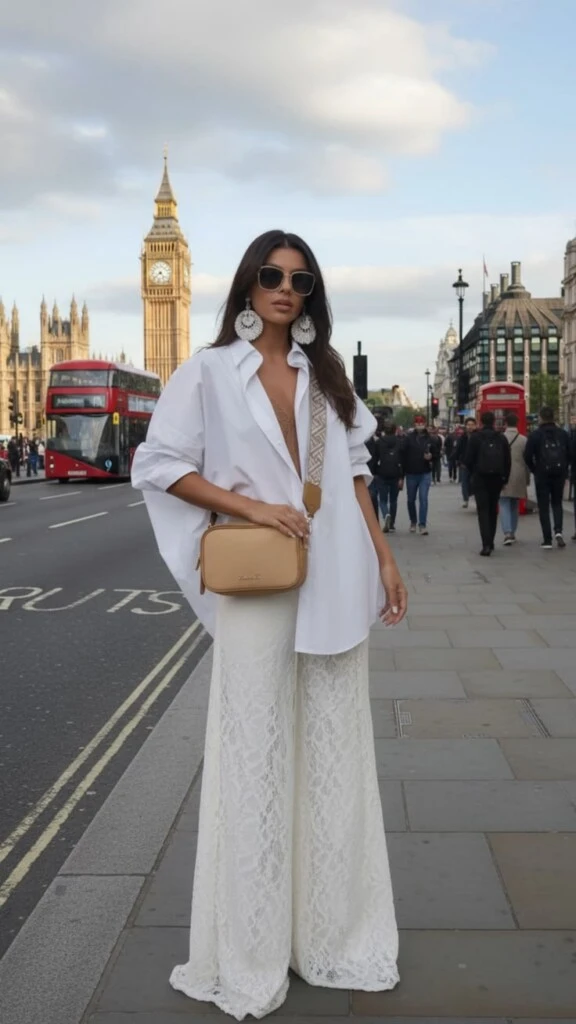
Looks for inspiration: airy dresses, wide-leg outfits, shoulder-baring designs, flat sandals and artisanal accessories.
Festive
The festive code appears especially in end-of-year celebrations, themed parties and gatherings that invite playing with the look.
It allows adding glow, sequins, metallics, color and expressive accessories. It does not establish an exact level of formality: it should be combined with the information about the place and the time to know whether it leans more toward cocktail, elegant sport, or a relaxed party.
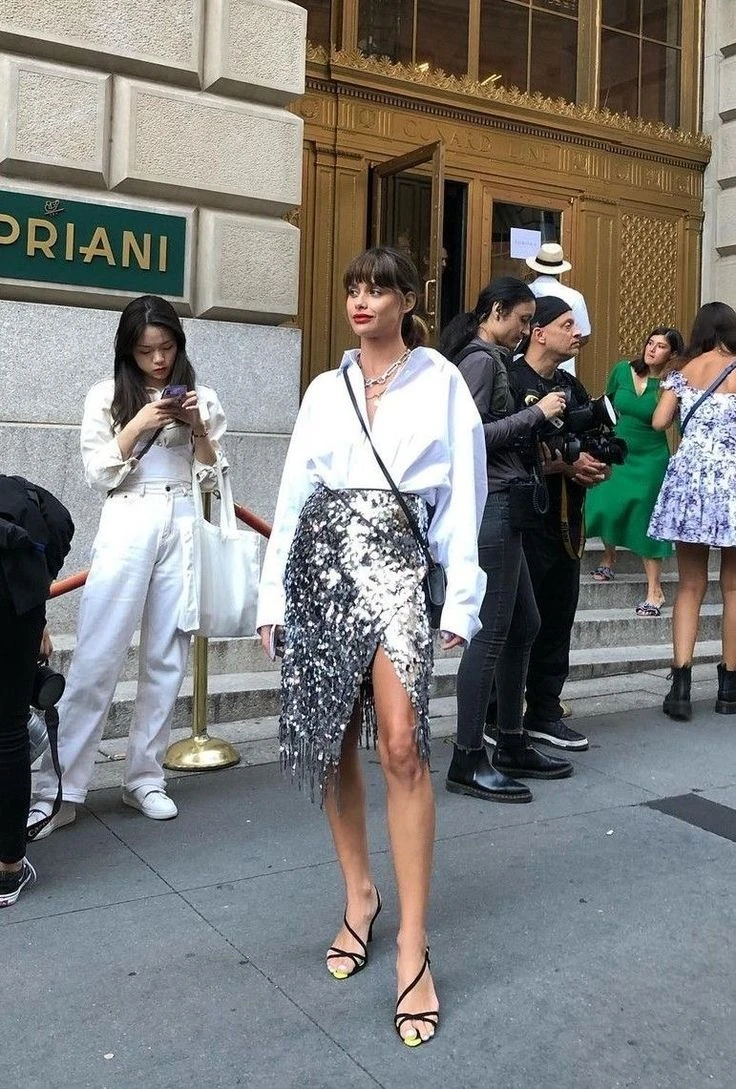
Looks for inspiration: metallic pants, dresses with paillettes, shiny tops, colored tailoring and statement accessories.
The Four Questions That Help Define the Look
Before deciding what to wear, it’s wise to answer these questions:
- Where is it taking place? A garden, a beach, a house, a restaurant and a hotel pose different needs.
- What time does it start? Daytime events tend to admit lighter fabrics and relaxed proposals; nighttime ones permit more elaboration and sparkle.
- What is my relation to the honorees? The closest people usually appear in many photos and occupy a central place within the celebration.
- Will I have a special role? Being the host, a godmother, a witness, a speaker or part of a ceremony can heighten the level of formality expected.
The code marks the starting point. The context allows you to finish interpreting it and choose a look that dialogues with the occasion without turning into a uniform.