
How many times have we promised ourselves to start training on a Monday? How many times did we quit after a few weeks because we were not seeing results, because we lacked time, or simply because other priorities appeared?
Many times we associate exercise with concrete goals aligned with our physical appearance. But what happens when we stop thinking only about the results and start paying attention to how we feel?
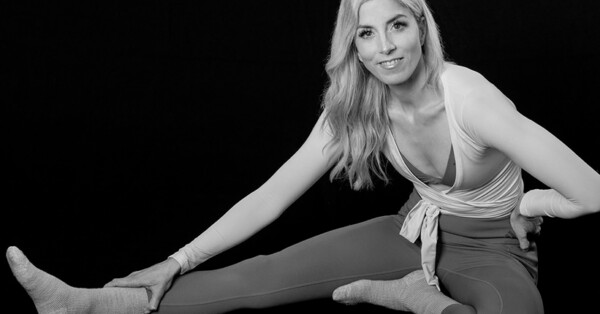
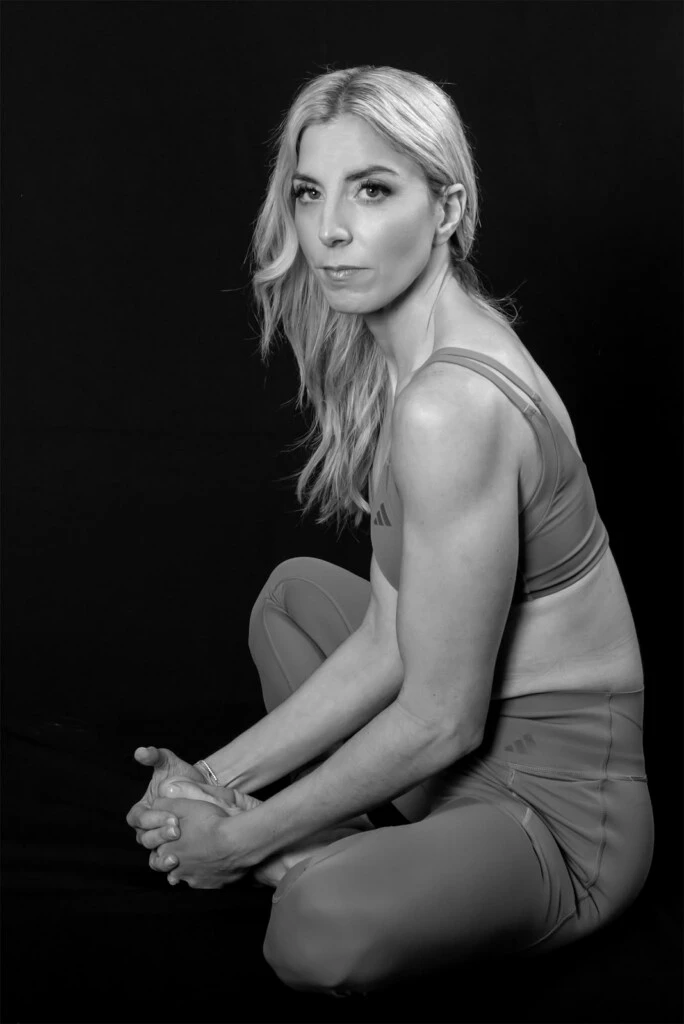
For Meli Merte, training can become a tool to generate changes that go far beyond changing “the way we see ourselves.” It isn’t about training every day or following a perfect routine, but about finding an activity we can sustain over time and that does us good.
The importance of consistency in training
In an era when we seek quick results, maintaining a habit can seem like a challenge. We want to see immediate transformations, and when they don’t arrive, frustration appears.
However, many of the benefits of training are built gradually. Better sleep, more energy, feeling stronger, or discovering that we can do things that once seemed impossible are some of those changes that aren’t always visible in the mirror.
Consistency doesn’t mean doing the same thing all the time or pushing oneself beyond one’s own possibilities. It means finding a way to incorporate movement into daily life, even when circumstances change.
Training and emotional well-being: a space of one’s own
Between work, family, and personal responsibilities, many women end up putting their own needs at the end of the day.
In that context, dedicating a moment to training can represent something more than just physical activity. It is about finding a personal space, disconnecting for a while from obligations, and returning to focus on oneself.
In Meli’s experience, sport appeared during a difficult personal moment. What began as a trial CrossFit class, approached with little motivation, ended up becoming an important part of her well-being process.
“In my case, training arrived to order my relationship between mind and body. At a moment when I felt unwell, sport helped me reconnect with myself,” says Meli Merte.
It wasn’t a magical solution nor did it replace other aspects of that process. But it helped her reconnect with her body from a different place and to discover that movement could also support her emotionally.
Over time, that space also began to take on a new role in her routine. “Today I feel that training organizes my day. In fact, I organize my day to be able to train. And I think that’s also about learning to prioritize ourselves, to find a moment for ourselves, and to give each thing the place it deserves.”
It’s not about doing it perfectly, but about finding what works for each woman
One of the main obstacles to sustaining a routine is believing that training means meeting certain demands: going to the gym every day, devoting many hours, or achieving increasingly ambitious goals.
But building a healthy habit also means recognizing our own rhythms, our possibilities, allowing for failure, respecting our limits, and learning that something does not have to be perfect to have value.
Not everyone needs the same training. The important thing is to find an activity that fits each situation, that is motivating, and that can be integrated into the routine without becoming an extra burden.
The benefits of exercise beyond the physical
Sometimes the most important transformation isn’t in the body, but in the way we begin to relate to it.
Feeling capable, recognizing our progress, learning to respect our timelines, and discovering that we can maintain a commitment to ourselves are part of that journey.
Because training doesn’t have to be a race to reach an ideal version of our body. It can also be an opportunity to know ourselves better, reclaim a space of our own, and build well-being through small daily decisions.
And perhaps that is where the most important change lies: to stop thinking of exercise as something we have to do and start discovering it as something we choose to do for ourselves. For Meli, training also means understanding that doing it is not a sacrifice, but rather a privilege.
Source: @Melimerte