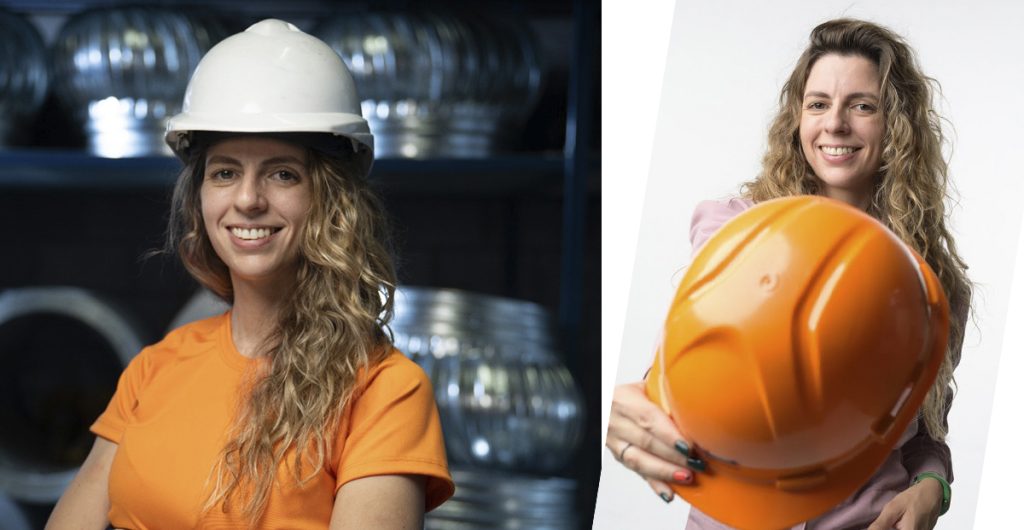
Accident prevention is often associated with rules, protocols and workplace environments, but for Silvana Castiglione safety should be a part of everyday life. A graduate in Hygiene and Safety and a leader in the field for more than 15 years, she founded Duramadre, a consultancy and communication platform that aims to bring prevention closer to homes, shops, industries, and also to families.
Her link to this profession began long before she imagined it would become her career. From a young age, Silvana saw that her grandfather was missing some phalanges in one of his hands. Over time she discovered that this injury had been the result of a work-related accident, and that family story left a question that still runs through her work today: how many accidents could be avoided if someone explained the risk in time?
After starting her career at service stations, where she moved from the operational area to the administrative one, she studied Hygiene and Safety and was able to apply her knowledge within the company. Years later she created Duramadre, with the aim of communicating prevention in a different way.
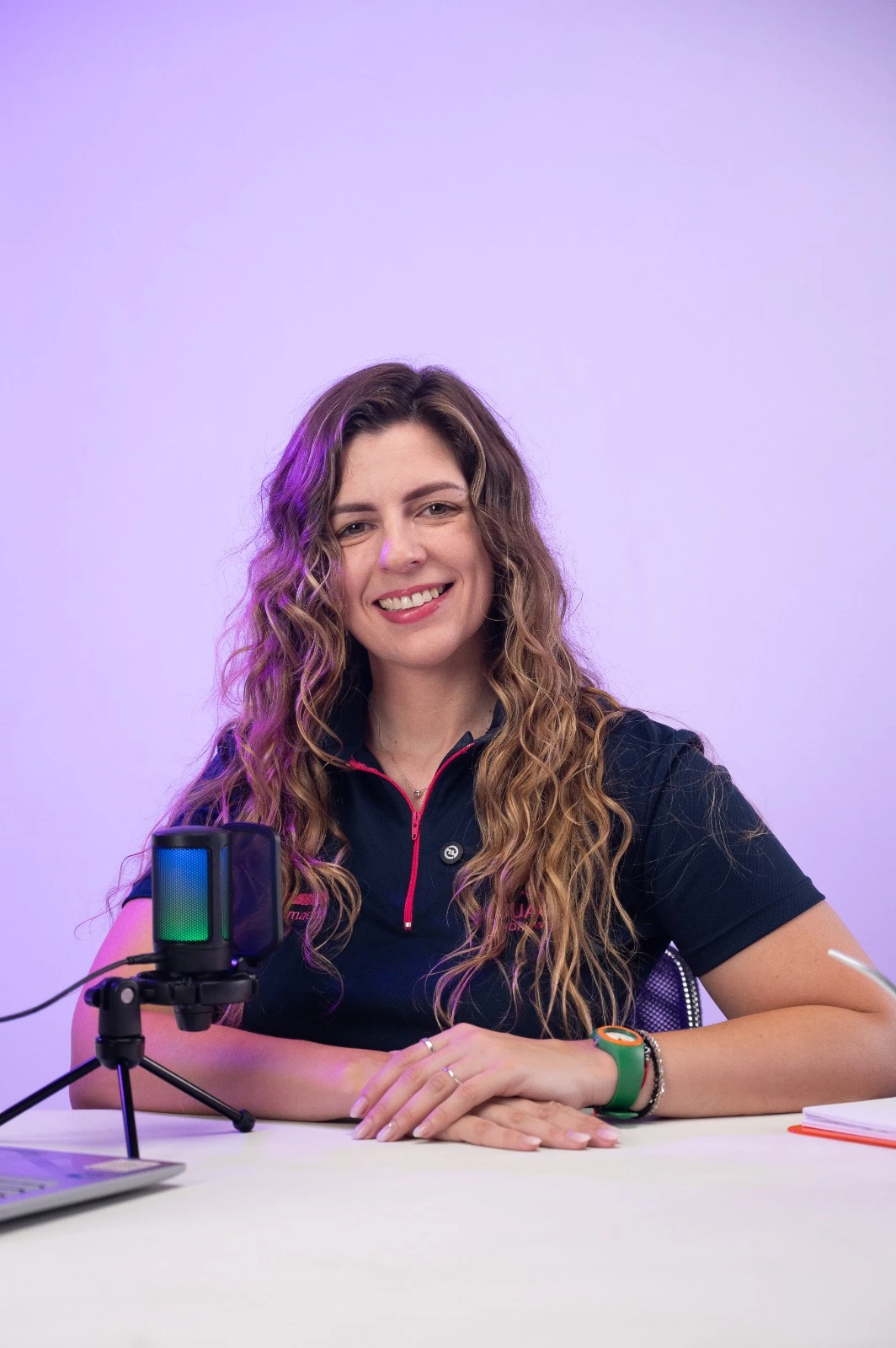
From her consultancy she also promotes an academy, a specialized magazine, social media content and a YouTube channel, in addition to a line of workwear. Recently Silvana also debuted with the first streaming safety program, “And at home, how are we doing?”, which airs every Tuesday at 7 p.m. on Radio AMEP. The challenge, as she explains, is for safety to stop being seen as solely technical and to become part of everyday decisions.
In an interview with Para Ti, Silvana Castiglione explains how her vocation was born, what the most frequent accidents are, what mistakes recur in homes and workplaces, and why she believes that training and risk perception can be decisive.
“One of my main challenges: making prevention a daily, accessible thing”
—What led you to dedicate yourself to Hygiene and Safety and to create Duramadre?
—I think there were two stories that shaped my path. The first concerns my grandfather. When I was little, I always saw that he was missing phalanges in one of his hands and I never understood why. It fascinated me and worried me. For a long time I was given different explanations, until one day I understood that it had been the result of a work-related accident. That moment made me think that something like that shouldn’t happen and that many of these accidents could have been avoided.
The second story appeared several years later, when I began working at service stations. I started in the operational side and grew within the company until I had the opportunity to move to the administrative area. There I discovered that there was a vast space to develop Hygiene and Safety and that I could really drive change within the organization.
While working, I studied the degree and had the chance to apply everything I was learning directly in the company. It was a very enriching experience because I grew professionally at the same time that the organization trusted my work.
Today, many years later, that same company remains a client of my consultancy, something that holds enormous value for me because it shows that the bond was built on trust and good work.
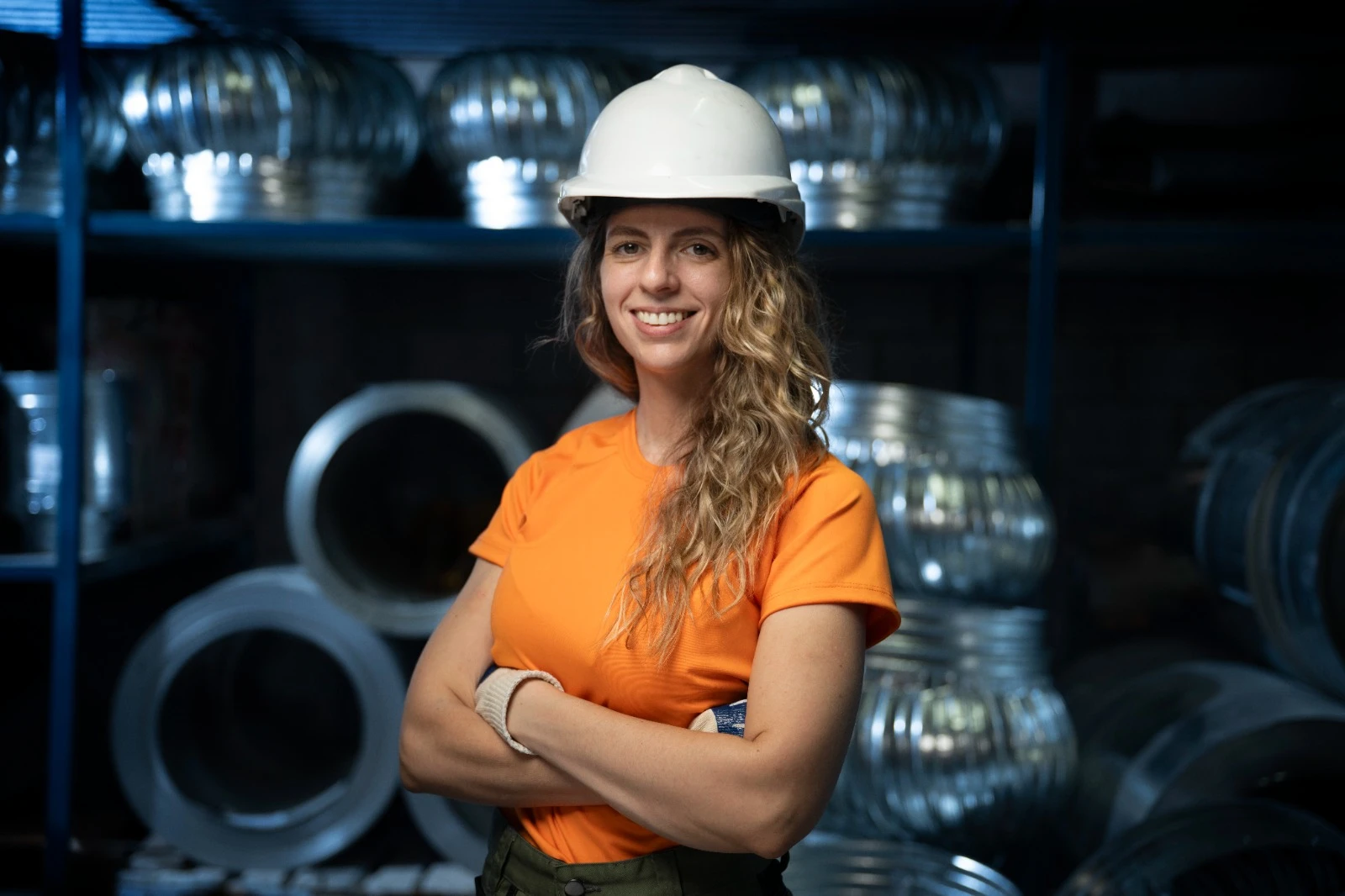
With time, Duramadre was born. Not only as a consultancy, but also as a way of communicating prevention differently. I always felt that Hygiene and Safety could not stay confined to a factory or an office. It had to reach families, schools, and social networks as well.
Today that is one of my main challenges: making prevention a daily life activity accessible to anyone.
“Information saves lives”
—What are the most common accidents that could be avoided with information and prevention?
—The reality is that it depends a lot on the activity each person performs. It’s not the same to work in an office as in an industrial plant, a construction site, or a service station. Each place has its own risks.
But if I had to pick one type of accident that cuts across almost all workers, I would talk about in itinere accidents, i.e., those that occur during the journey to or from work.
We often think the company’s responsibility ends when the worker leaves the office or plant, but there is a lot to do. Through road safety campaigns, training, awareness, and small changes in habits, many of these accidents can be prevented.
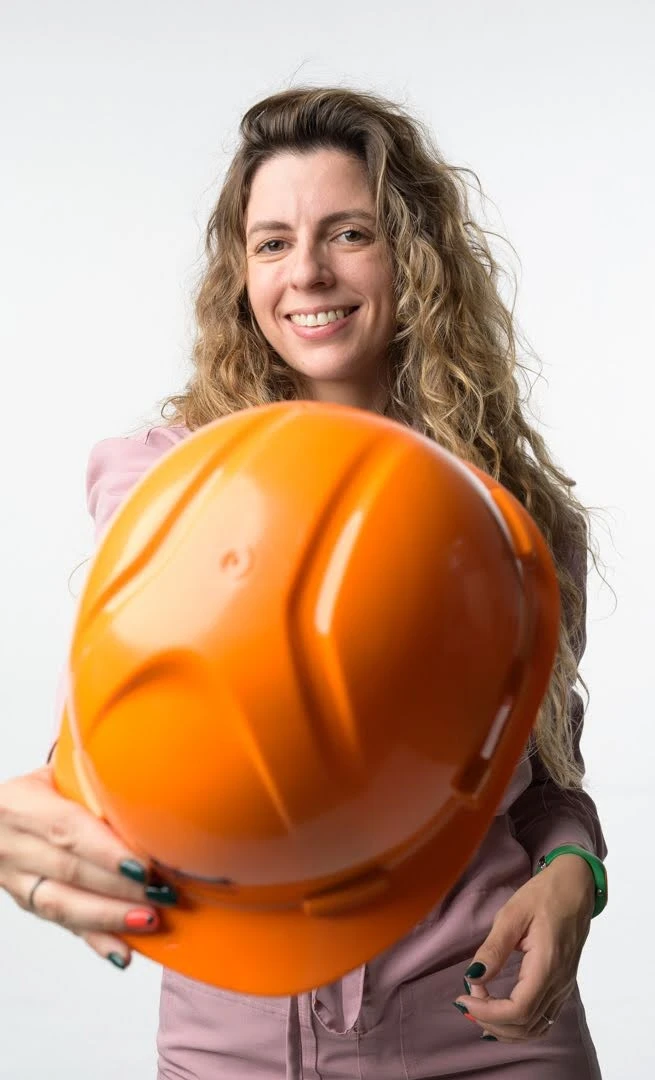
Information saves lives. Often it doesn’t require a large investment, but rather getting people to adopt safer behaviors and to be aware of the risks they face every day.
“Training should never be seen as a mere formality”
—What mistakes or oversights do you see most frequently in both homes and work environments?
—I think we could split the answer into two parts. In homes I see many oversights related to fires and electricity. Constantly plugged-in chargers, overloaded power strips, deteriorated installations, cooking with the kitchen unsupervised, or improper use of stoves are situations far more common than we imagine and can lead to very serious accidents.
In the workplace it depends a lot on the activity, but there is a concept that, for me, explains a large share of accidents: risk perception.
Often people do not identify the danger in front of them or simply stop seeing it because they have become used to working in a certain way. When a task is repeated every day, it is very easy to fall into a routine where it seems that “nothing will happen.”
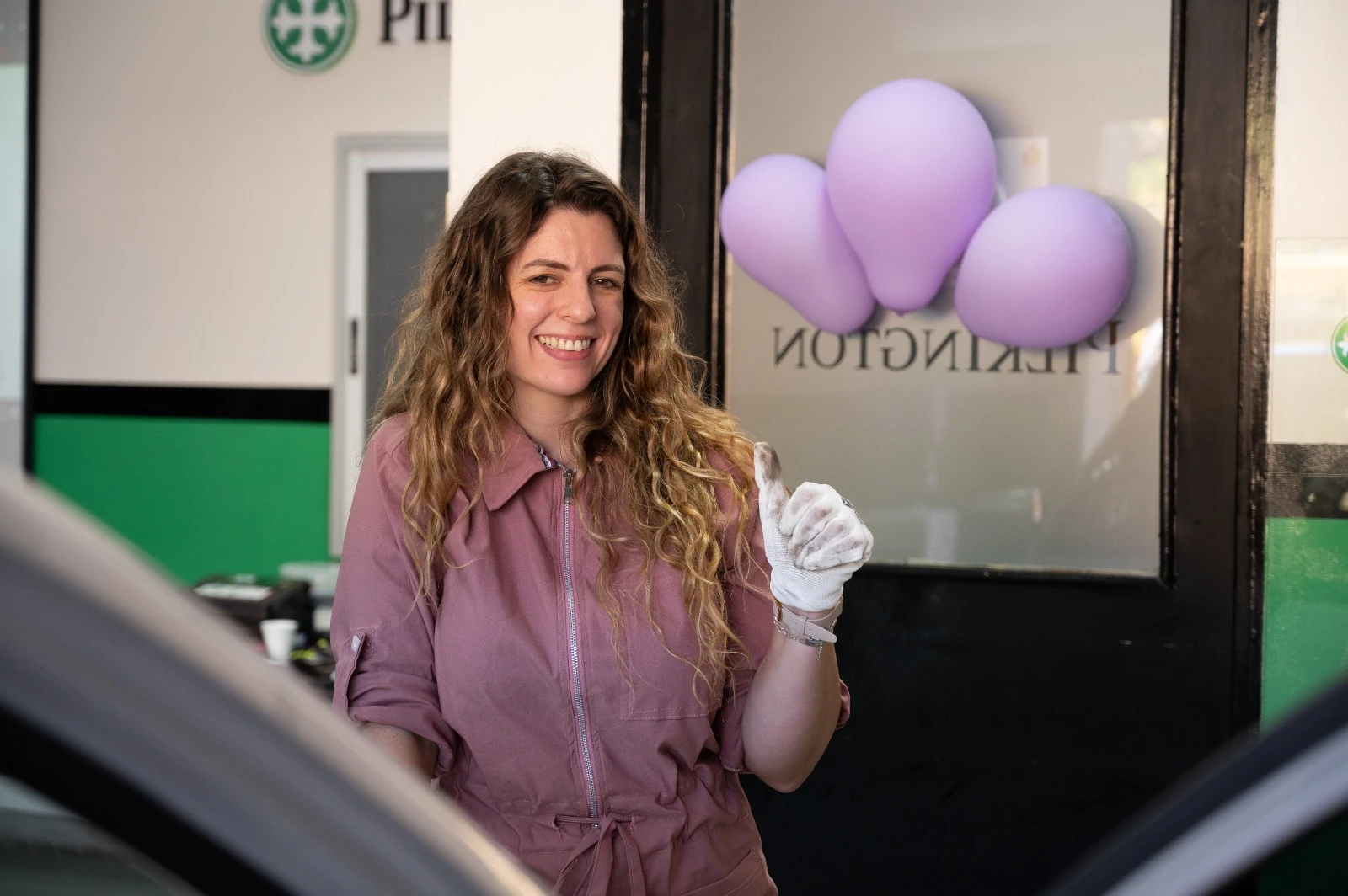
I always say there are two moments when many accidents tend to concentrate. The first is when a person is just starting a job and is still learning. The second, paradoxically, occurs when someone has a lot of experience and falls into overconfidence.
That’s why training should never be seen as a formality. It is a tool to keep the level of attention alive and to remind us that no job is exempt from risks.
“Safety should not appear only when an accident occurs”
—Why do you think safety is still perceived as a technical issue and how can we incorporate it into daily life?
—For many years safety was closely linked to standards, laws, audits, and technical concerns. That led many people to feel it was a topic reserved for professionals. I believe that is beginning to change.
Today social networks, short videos, and new forms of communication allow us to bring prevention in a much simpler way. A person can learn in less than a minute how to act in front of a fire, how to prevent poisoning, or how to travel more safely with their children.
Safety should not appear only when an accident happens. It has to be part of our daily decisions.
I think we are living a great moment to communicate prevention. Today we have tools that did not exist before, and it is up to us to take advantage of them to reach more and more people.
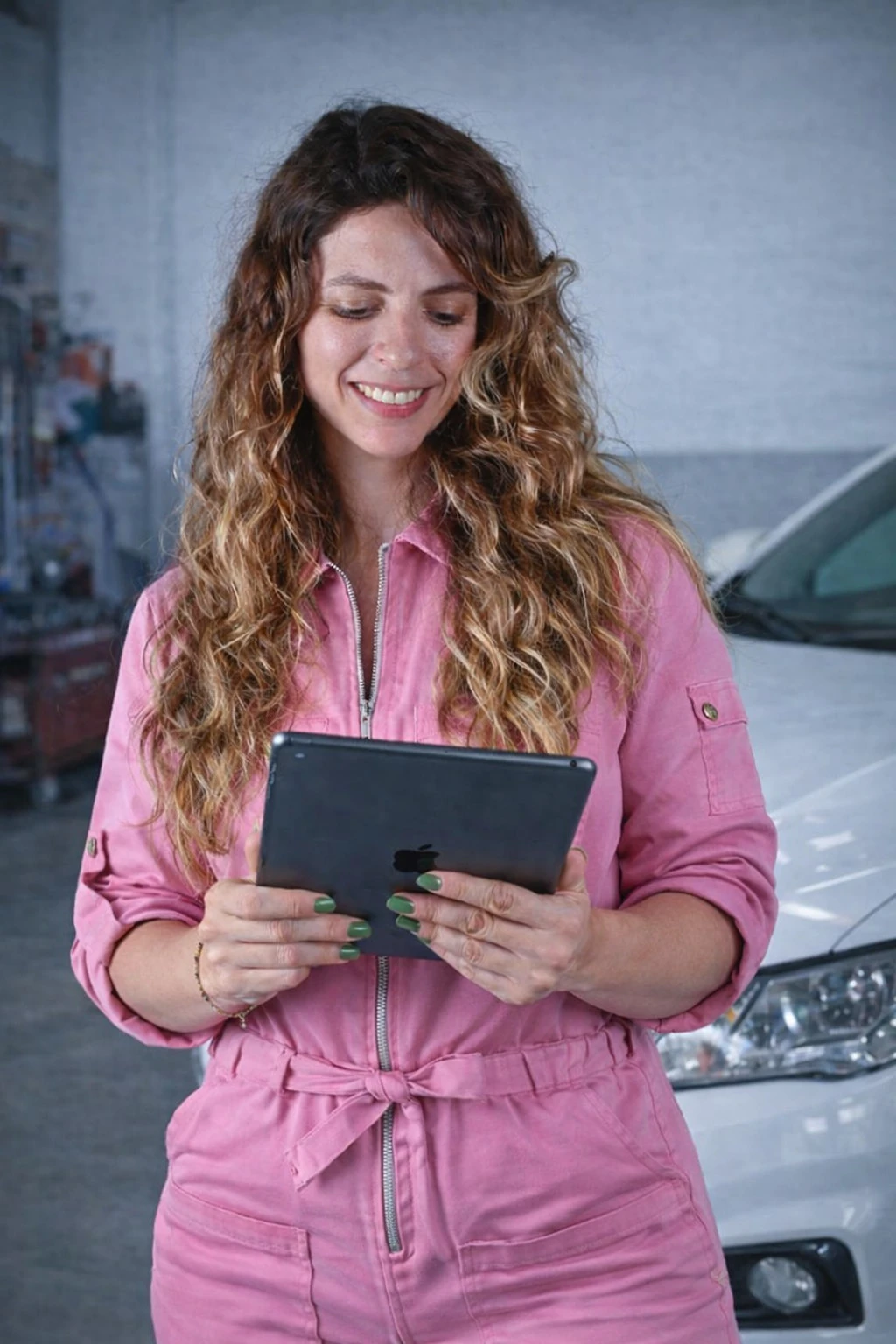
“There is still much to do”
—After more than 15 years in the field, what has changed and what remains to be transformed in Hygiene and Safety in Argentina?
—Over these years I have seen very important changes. Today companies talk much more about preventive culture, wellbeing, occupational health, and leadership in safety than fifteen years ago. There is also greater access to information and more technological tools to manage prevention.
Nevertheless, there is still a lot to do. I believe the biggest challenge remains working with people. We may have the best procedures, the best technology, and all the personal protective equipment, but if we cannot make people understand the why behind safety measures, making sustainable changes is very difficult.
I also think regulations must continue to evolve at the same pace as work changes. Today new technologies, new forms of employment and new risks appear that didn’t exist a few years ago. Legislation and prevention strategies must accompany that transformation.
My wish is that Hygiene and Safety stop being seen merely as a legal obligation and start being understood as an investment in people. Because when an organization takes care of its people, it not only reduces accidents: it also improves the workplace climate, engagement, and the quality of life of its members.
Silvana Castiglione, Bachelor in Hygiene and Safety, director of Duramadre Consulting and pioneering creator of communication channels in the field. IG: @duramadre.ar. YouTube: @duramadre.arg