
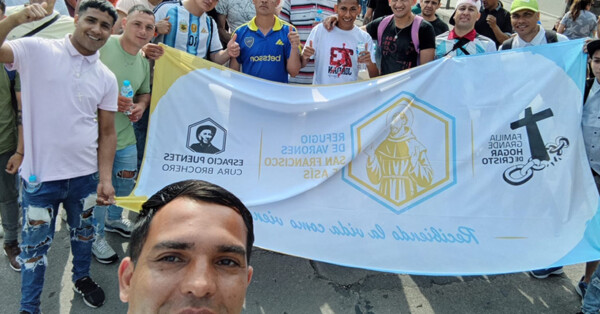
Among the thousands of people who arrived in Córdoba to see Pope Leo XIV, Sandro was one of the few who had the chance to be face to face with the Supreme Pontiff.
The meeting came at a moment when Sandro was only a few days away from reaching one of the most important milestones in his recovery.
On November 22 he will celebrate two years without consuming drugs. Two years during which he has rebuilt his life and found in guiding other people a new sense of purpose.
Being in front of the Pope, in a special meeting, held for him a meaning that goes far beyond the emotion of meeting the leader of the Catholic Church, and being the spokesperson of the message he will carry to the people he now helps.
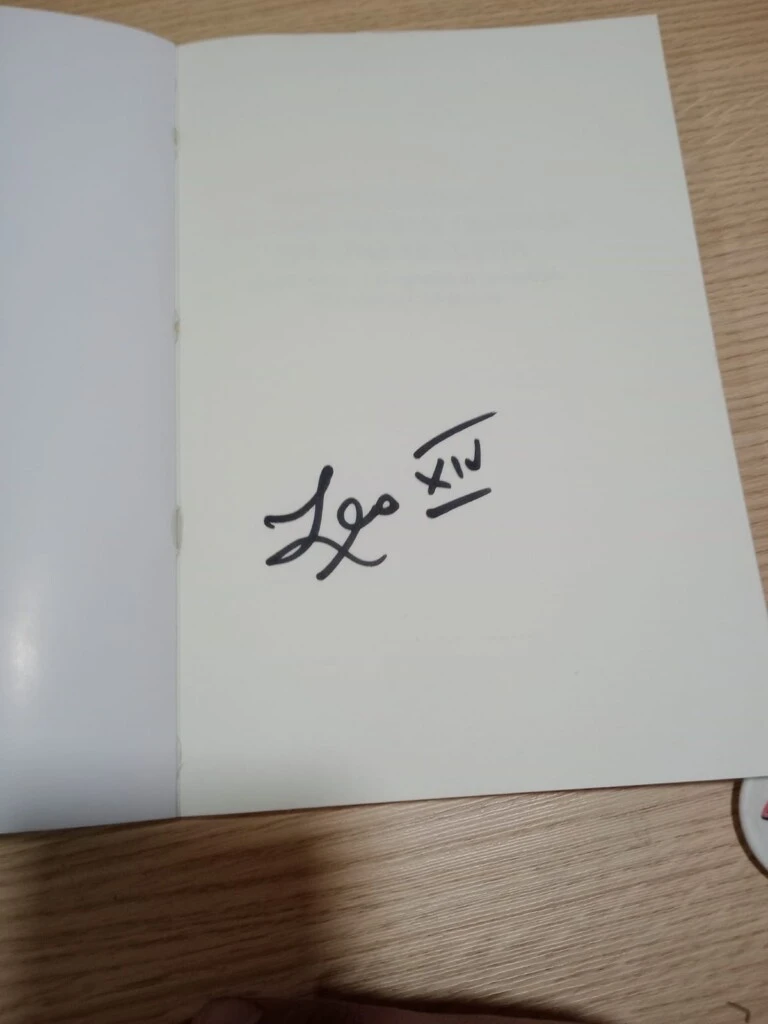
“We were able to talk with the Pope, he blessed us and told us to keep going, not to loosen up, to keep fighting, and that we are not a discard. I gave him a book titled Nobody Is Saved Alone: the Community Builds the Response. Addictions in the context of a culture of consumption and discard, which was written by Father Pablo (the priest who helped him get out of addiction),” Sandro recounted.
The meeting took place after the Mass at FAdeA, behind the altar.
“The Pope also signed another copy of the book, which will remain at the parish Jesucristo Salvador del Mundo, of Father Pablo. In addition, he gave me a rosary that I will keep for life,” he added.
Today Sandro lives in Villa María with his wife and children, and coordinates one of the spaces at Hogar de Cristo, an initiative of the Catholic Church and the local municipality, which supports people affected by addictions, street life, and many forms of vulnerability.
His story is also that of someone who found a second chance and decided to turn it into a way of helping others, and now he will carry the message to people who are struggling to move forward, at the home.
Behind Sandro are the stories of many who undergo recovery processes, of families who accompany them, of priests and volunteers who sustain support spaces, and of communities that work so that no one has to face addictions alone.
From Receiving Help to Guiding Others
Sandro’s recovery is not explained solely by stopping drug use. His transformation was linked to the possibility of rebuilding his bonds and taking on new responsibilities, finding a place from which to accompany those who are still going through difficult times.
Today his task is to accompany people who arrive at Hogar de Cristo seeking containment, assistance, and a chance to start anew.
“I know where God pulled me out from and where I do not want to return,” he summarized about his own story.
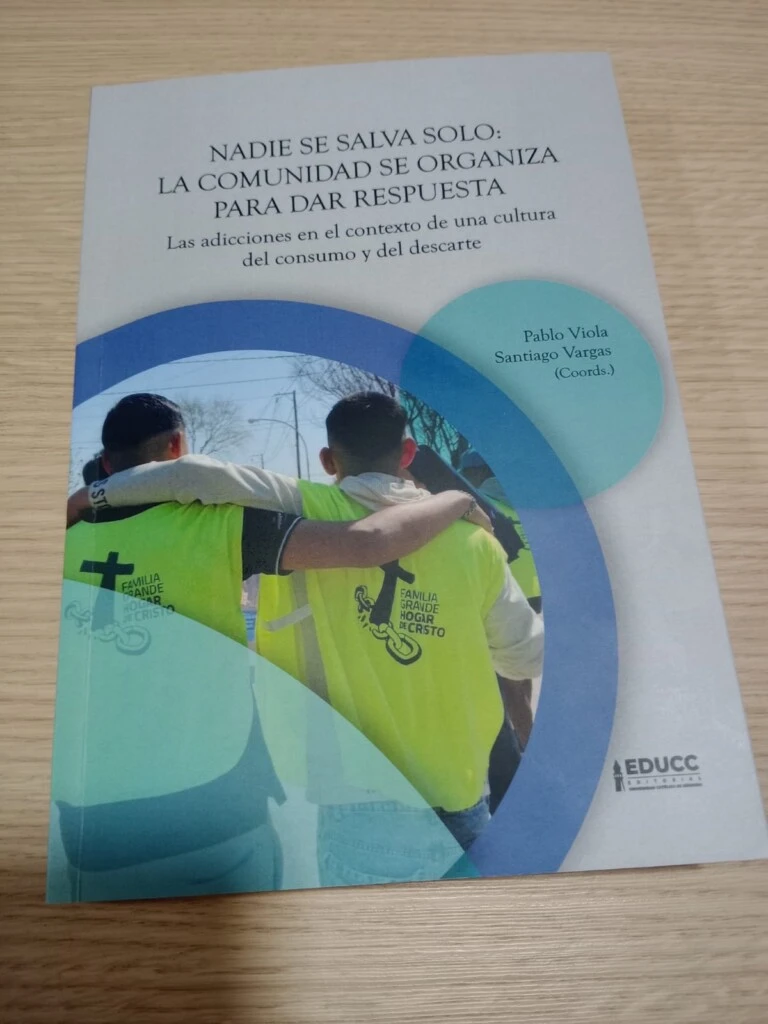
Father Pablo Viola was the guiding figure who accompanied him through his recovery process and who proposed that he take on this important role at the home in the city of Villa María.
Father Pablo is one of the “villero priests,” who work in Córdoba alongside the most vulnerable.
“Today Sandro is coordinating in Villa María. It is, for us, a source of pride, both for the journey he undertook and for how he grasped the keys to the home, to the Hogar de Cristo proposal,” the priest recounts.
His testimony helps explain why the encounter with Leo XIV held special meaning. Sandro represents not only a personal story of recovery but also the work of a community that supports people who seek to rebuild their lives.
The Puentes Cura Brochero Space is part of this effort, which seeks to provide answers to people facing extreme vulnerability.
Hogar de Cristo has a particularity that Father Pablo considers fundamental to understanding its functioning. There, the work is not only about addressing an addiction, but about the complete history of a person.
The approach starts from a deep message, repeated in every explanation: “Receive life as it comes.”
The work aims to rebuild family bonds, recover habits, generate opportunities, and accompany processes that are often long and complex.
The priest defines it as a task of “body-to-body” accompaniment, where closeness and the building of trust are essential.
Sandro was one of the few who could be face to face with the Pope. But the most important part of that encounter was not only what he received, but what he can now transmit. Because behind his two years without consuming there is a story worth telling and a message that can reach those who are still looking for a way out: there is always an opportunity to start over.
Source: Ana Carolina Biedermann holds a degree in Social Communication and Journalism.