
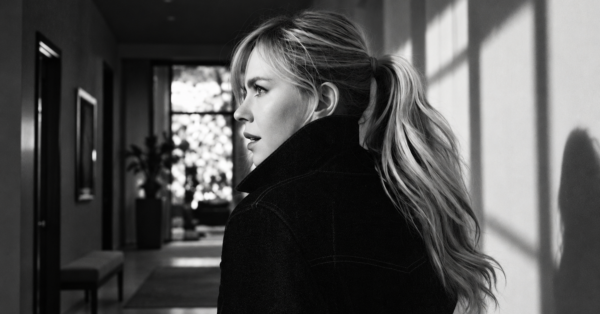
How to create an elegant ponytail and what tricks to adapt this updo to different lengths, textures, and occasions.
Long hair after 40 no longer needs explanations or special rules. Pampita, Guillermina Valdés, Valeria Mazza and Flor de la V are among the Argentinians who wear it and find in the ponytail a practical way to gather it without sacrificing the movement of the mane.
Far from being limited to the gym or hot days, the ponytail can accompany a suit, an evening dress or a casual outfit. The difference lies in the height, texture, and finish.
Low, medium or high ponytail: what changes in each version
The low ponytail is secured at the nape level and can be worn with a middle part, a side part, or with the hair brushed back. Its polished version has a minimalist imprint; with loose strands and natural texture, it comes off as more relaxed.
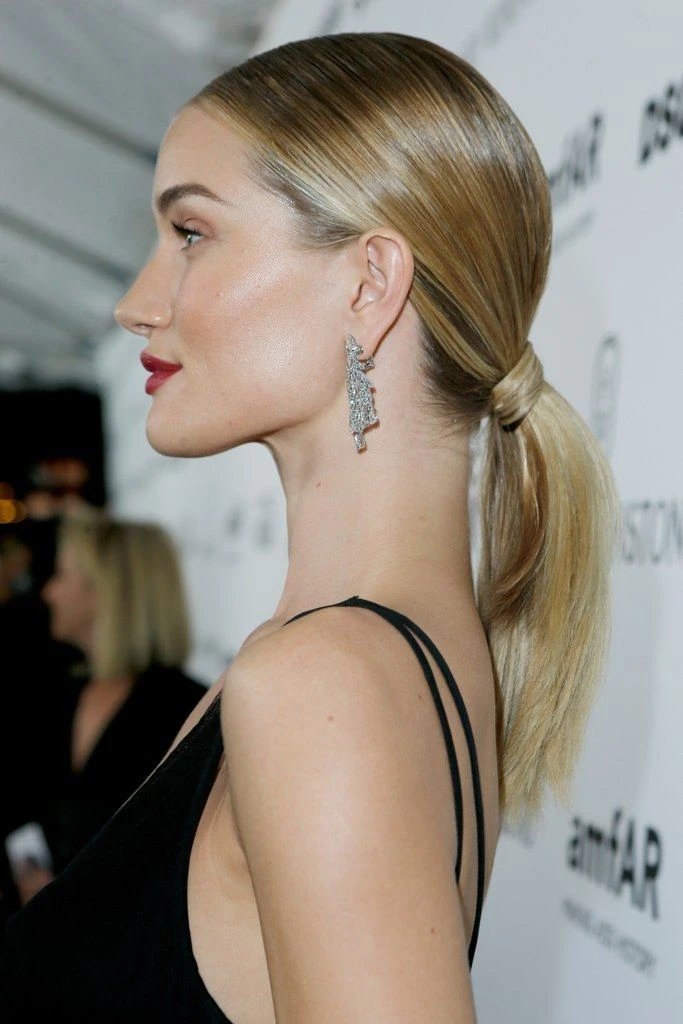
The medium ponytail is the most versatile. It is arranged at the back of the head and allows preserving the movement of the length. Guillermina Valdés, for example, wore it with a middle part, roots with a wet look effect and defined waves in the mane.
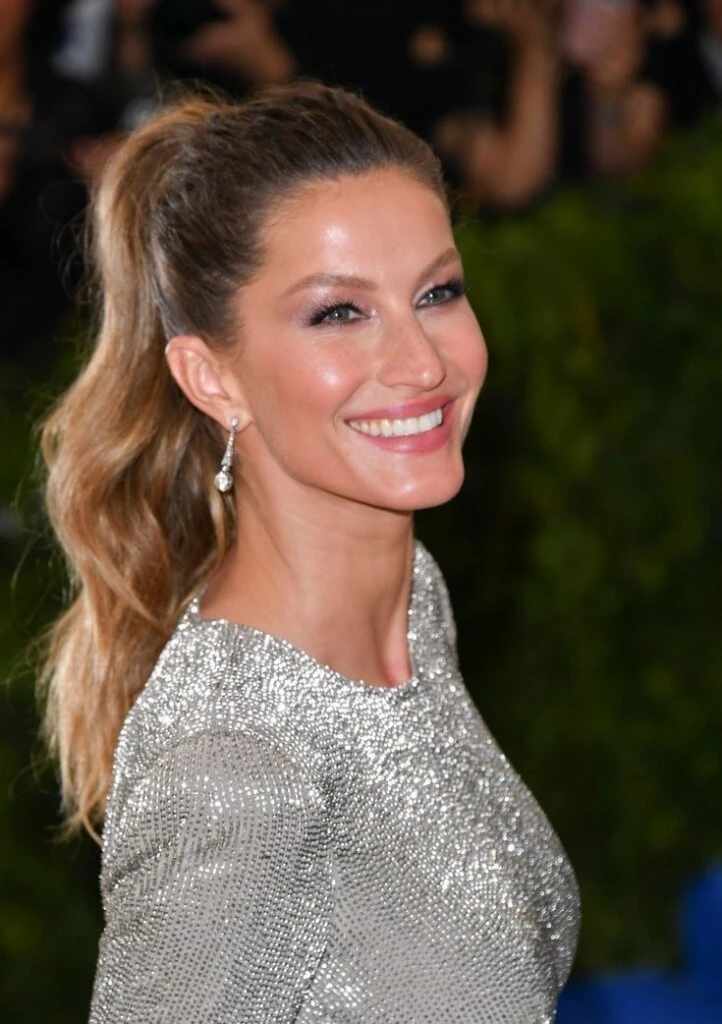
The high ponytail has a more graphic presence and lets the length become the protagonist. It can be worn sleek, with waves or with volume. Pampita and Valeria Mazza are two of the Argentine figures who opted for high and extensive versions to accompany night looks.
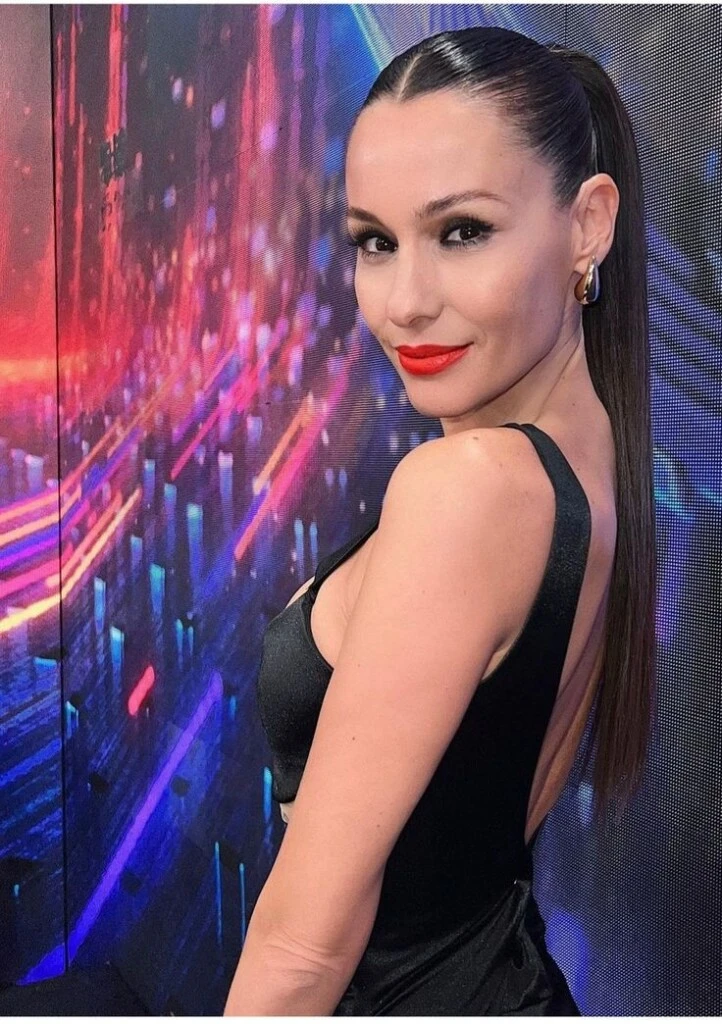
How to create a polished ponytail step by step
The first step is to decide where the ponytail will sit before you start brushing. This avoids moving it several times and applying unnecessary tension to the hair.
Then, comb the sides and the top toward the chosen point. If you’re aiming for a polished finish, you can apply a small amount of styling product and distribute it with a clean brush, without saturating the roots.
Secure the hair with a firm elastic that has no exposed metal pieces. To hide it, separate a thin strand from the ponytail, wrap it around the base and secure the end underneath with a bobby pin.
The finish depends on the effect sought: the flat iron creates a straight and defined fall; waves add movement; and the natural texture builds a more spontaneous version.
The details that turn an everyday ponytail into a chic hairstyle
A precise part instantly changes the reading of the updo. A middle part adds symmetry; a side part restores a more classic gesture; brushed completely back concentrates attention on the shape of the ponytail.
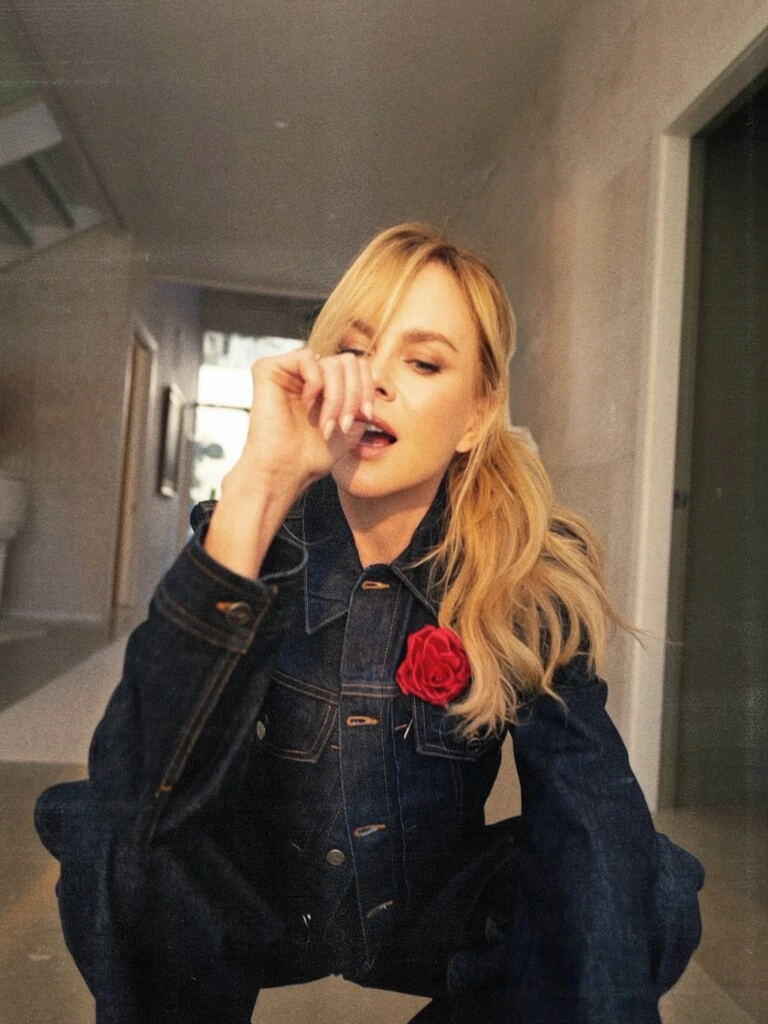
You can also work on the contrast between two textures: polished roots and long hair with waves, or a voluminous top paired with a sleek ponytail. Not every part of the hairstyle has to respond to the same finish.
Accessories offer another possibility. A black bow, a metallic buckle, a wrapped elastic or a velvet ribbon can adapt the ponytail to an event without altering its structure. La China Suárez, for example, chose a low version with a middle part and a black bow.
The trick to wearing it without putting extra strain on the hair
A polished updo should not hurt. The American Academy of Dermatology warns that repeatedly wearing ponytails, buns and other hairstyles that are too tight can cause traction on the hair. If the hairstyle causes pain, it is a sign that it is overly tight.
To reduce that tension, it is advisable to alternate the height of the ponytail, not wear it tight every day and loosen it if it causes discomfort on the scalp. A neat finish does not depend solely on adjusting the elastic: brushing, products and pins can help to order the hair.
At any age, the best version will be the one that dialogues with the real texture and density of the mane. The ponytail does not require concealing them: it allows you to decide what to show, from wide waves to gray hairs or the natural movement.
