
In an era when mental health diagnoses are increasingly part of everyday language, distinguishing between the emotions intrinsic to the human experience and the symptoms of a disorder becomes essential. The ease of access to information on social media can also lead many people to identify with certain symptoms and believe they have a disease without a professional evaluation.
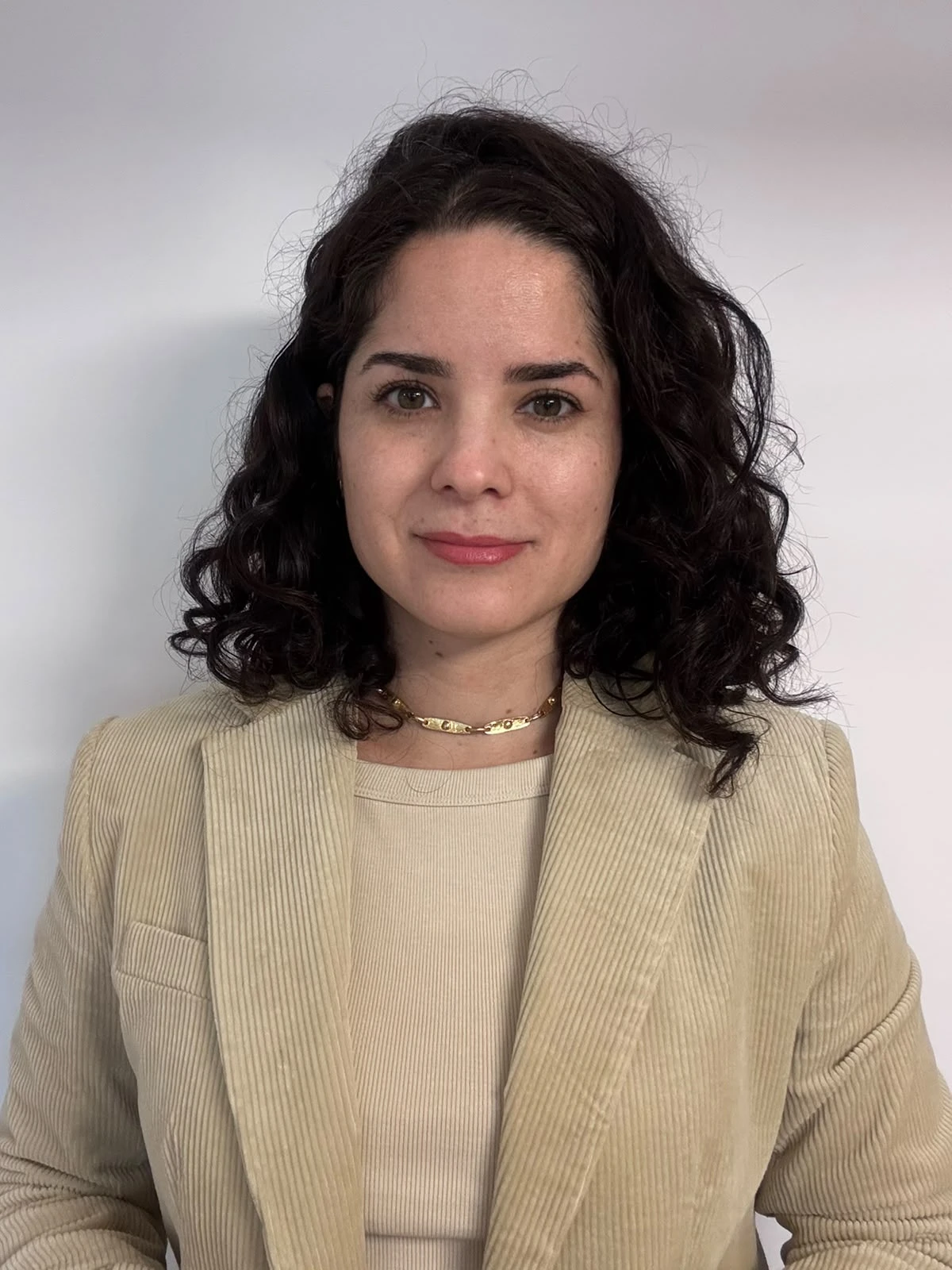
In this exclusive column for Para Ti, Pía Lobo, psychiatrist (MN 149009), reflects on the rise of self-diagnosis, the risks of putting a medical label on every discomfort, and the importance of recognizing when suffering needs professional care. Her argument invites us to recover an essential distinction: not every pain needs a diagnosis, but neither should we minimize what requires treatment.
When pain needs a name… and when not
- By Pía Lobo, psychiatrist (MN 149009)
“I’m sure I have ADHD because I get distracted a lot.” “I’m depressed, I have anxiety.” “I have OCD.” “I’m bipolar.”
Psychiatric diagnoses ceased to belong exclusively to the medical field and became part of everyday language.
In many respects, this represents progress. For decades, mental health was surrounded by prejudice, silence, and shame. Talking more about the topic allowed many people to recognize their suffering, stop feeling alone, and seek help. Yet this shift also had a less visible effect: we began to use words that describe illnesses to explain experiences that are often part of life.
We see more often people worried because they think they have a diagnosis after recognizing one or two symptoms they read about online or saw in a video.
We live in a time when we have immediate access to information about mental health, but also in a moment when there is a growing need to name everything we feel, as if any uncomfortable emotion required a medical explanation and any suffering became intolerable simply for existing.
Perhaps the problem isn’t that we talk more about mental health today. The problem is that we are losing the ability to distinguish between the suffering that is part of the human experience and the suffering that expresses an illness.
That difference may seem subtle, but in psychiatry it is fundamental.
Emotions are not a brain error. Sadness appears when we lose someone we love, when a project fails, or when a significant life stage ends. Anxiety prepares us to face challenges and respond more quickly to demanding situations. Fear protects us from danger, and even frustration has a function: it forces us to pause, reassess the path, and learn when things don’t go as we expected.
If we eliminated all those emotions, we probably wouldn’t be happier. We would be less capable of adapting to life.
Perhaps that is why one of the first things we learn in psychiatry is that we do not diagnose emotions, we diagnose diseases. And a disease is never defined by a single symptom.
All of us feel sadness. All of us feel anxiety. All of us get distracted. All of us go through moments when we sleep poorly, are irritable, or lose the desire to do things.
What differentiates an expected reaction from a mental disorder is not the existence of those symptoms, but the way they appear, how long they persist, the intensity they reach, and above all, the impact they have on the life of the person who experiences them.
Two people may feel deeply sad: one is grieving the death of a father; the other has months without finding pleasure in anything, has stopped working, has withdrawn from loved ones, and feels life has lost meaning. From the outside, both experience sadness. However, it would be a mistake to think they are experiencing the same thing.
With anxiety, a similar thing happens: feeling nerves before an exam, a surgery, or a job interview is not only expected, but often improves our performance. By contrast, when worry becomes constant, even in the absence of real danger, and ends up shaping decisions, relationships, or a person’s freedom, we are no longer simply talking about anxiety: we are facing a disorder that deserves evaluation and treatment.
The question is not what someone feels, but what is happening in their life. Can they keep working? Can they study? Do they still enjoy what they used to enjoy? Can they sustain their relationships?
In psychiatry, functioning matters as much as the symptoms, because it is there that the difference between getting through a difficult moment and facing an illness often appears.
Cuanto más hablamos de salud mental, más riesgo tenemos de simplificarla
The social networks, due to their format, favor brief and categorical messages. A one-minute video can help someone recognize that they need to consult, but it can also cause thousands of people to identify with completely nonspecific symptoms and conclude that they have a diagnosis.
The human brain naturally tends to seek explanations and to find patterns. When we are going through a rough moment, naming what we are going through can generate a sense of relief. We feel that if we know what it is called, we will also know how to solve it.
But reality is usually much more complex.
Diagnoses do not exist to label people, they exist to guide treatments. A good diagnosis does not answer who you are; it answers what illness you are experiencing, if indeed there is an illness. And that difference completely changes how we support a person.
To medicalize a normal life experience can be as harmful as minimizing a real disorder by saying that “it will pass.” Both extremes cause harm. One turns human suffering into pathology; the other leaves those who truly need help without treatment.
Perhaps one of the greatest challenges of our time is recovering the ability to coexist with those emotions that are part of living, without losing sight of when that suffering stops being a normal reaction and becomes a disease.
Not every pain needs a diagnosis.
There are losses that need time, conversations, a support network, or simply the possibility of being cried over. But there are also pains that can no longer be explained solely by circumstances and that require professional attention.
Pía Lobo. Psychiatrist (MN 149009). Instagram: @psiquiatrasalavista