
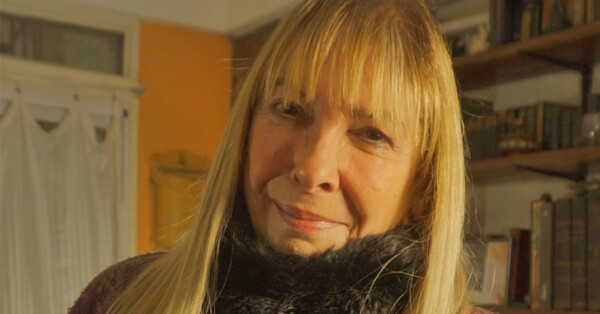
We are connected almost all the time, but many of us feel that we are becoming increasingly alone. Everyday demands, stress, and the need to be constantly available leave little room for rest, enjoyment, and real bonds.
For sexologist Olga Tallone, pleasure is not limited to sexuality: it is a way of inhabiting life with greater presence, authenticity and connection with oneself. With decades of work in sexology, somatic psychology, and Tantra, she maintains that reclaiming genuine desire also involves questioning mandates, learning to listen to oneself, and revaluing encounters with others.
In conversation with Para Ti, she shares her view on the challenges of this era and the lessons that shaped her path.
“I think we are losing, day by day and in a dizzying way, a little more humanity”
—We live in a hurry, hyper-connected and under a lot of pressure. What do you think we are losing as people at that pace of life?
—We live hyper-connected virtually, but human connection is something else. It is presence, looking into each other’s eyes, touch, caresses, hugs and communication. It is loving through kissing, sharing, and building intimacy.
Not everyone lives in a fast lane; many are already in the stillness of depression, because they have lost enthusiasm and passion. In the current global context, permeated by perpetual contradictions, people live in a constant state of alert that breeds anxiety, stress, and self-imposed demands. I think we are losing, day by day and in a dizzying way, a little more humanity.
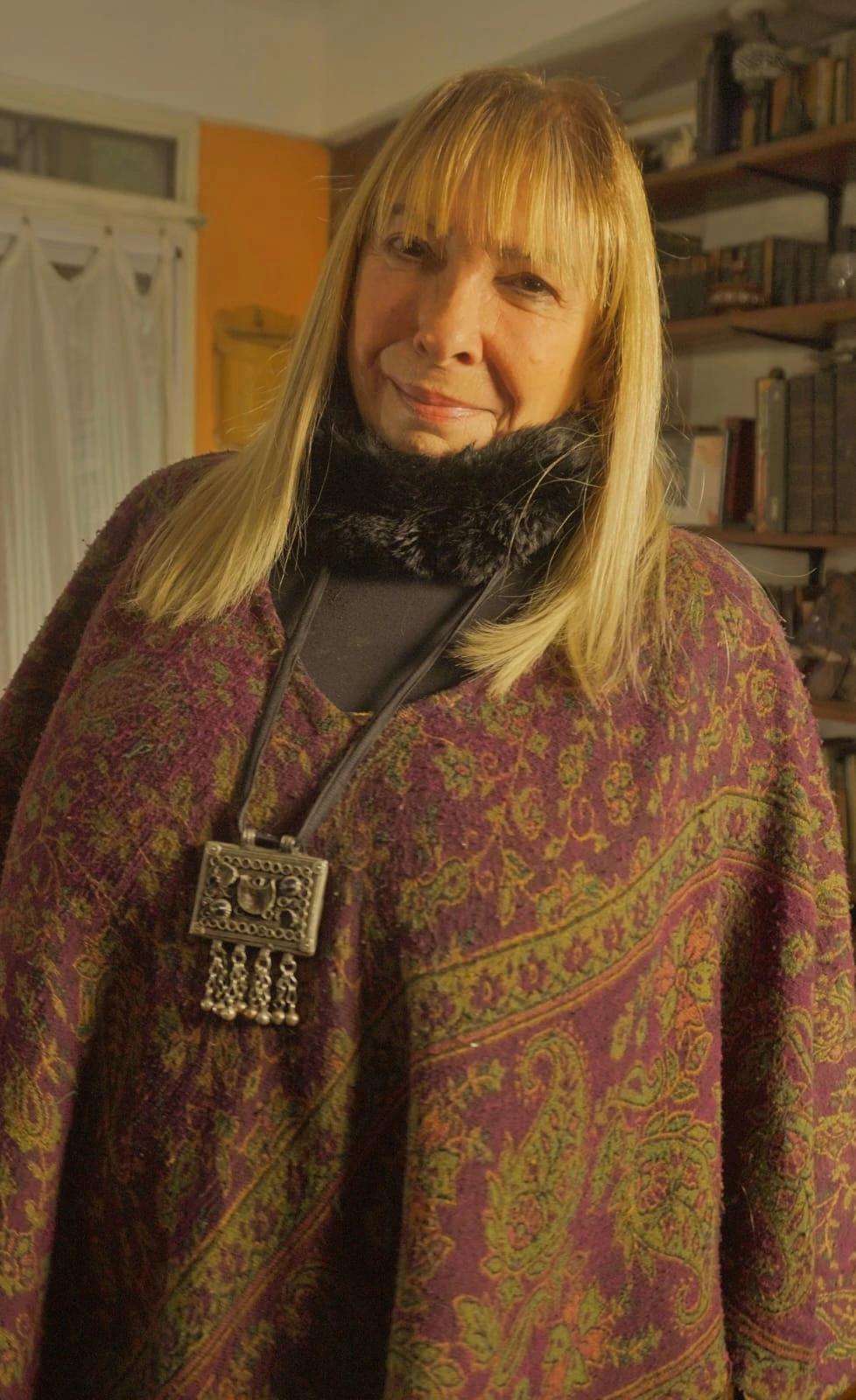
“I like a line by Byung-Chul Han: ‘More naps and more party'”
—Many women feel guilty when prioritizing themselves. Why is it still so hard to give oneself permission to enjoy and practice self-care?
—I notice this especially in mothers. By contrast, many women who live alone or in a relationship and work tend to dedicate time to self-care.
The challenge appears with pleasure because it involves being willing to socialize, to have moments of recreation, and to step away from the logic of hyperconnectivity. I like a line by Byung-Chul Han: “More naps and more parties.” The question is how many women are truly willing to allow themselves that and to let go of the mandate that leisure is wasted time.
“Pleasure is learning to inhabit comfort”
—You speak of pleasure as a form of holistic well-being. Why is it so hard to connect with it?
—Because pleasure, first and foremost, is learning to inhabit comfort. Many people stay disconnected from it due to traumas, repression, and because they have lost the sense of free time and inactivity.
Constant action distances us from our true desires. We end up following social mandates or desires that aren’t even genuine. When that happens, pleasure dissolves into goals that don’t stem from our true being.
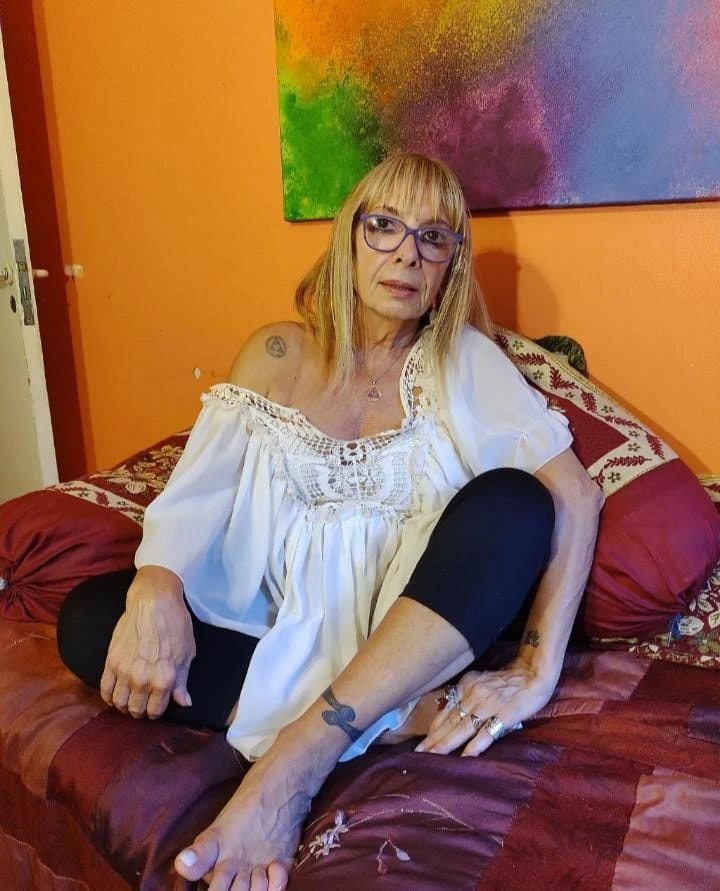
“I have always been a very transgressive person, with a huge need for freedom and creativity”
—If you had to share one lesson that deeply changed the way you live, what would it be?
—Undoubtedly, the encounter with Classical Tantra when I was very young. It allowed me to discover pleasure and understand why it was difficult for me to love with surrender. At a very difficult moment in my life it was, literally, the elixir that saved me.
At 15 I had to leave my home. I have always been a very transgressive person, with a huge need for freedom and creativity, and that produced an irreversible clash with my mother. Since then I understood that life is not easy nor hard: it is a continuous learning process and a constant invitation to take risks.
I studied Literature, Psychology, Body Expression, Psychomotricity, Sexology, and many other disciplines. Later I founded my school and wrote my books on Tantra, always with the conviction that this philosophy teaches much more than a way of living sexuality.
Today, after so many years, I still believe that Tantra teaches us to be better people, to claim pleasure and the right to enjoyment. Life is sexual because it is a life in relation to others. I learned not to judge myself, to distance myself from prejudices, to work in what I am passionate about, to be brave and to stay always desirous and desirable. There is nothing better than being oneself, without tricks.
Olga Tallone is a psychologist, sexologist and researcher. @escueladetantraclasico, director. Trainer of teachers, specialist in Tantric sexuality. @olgatallone.