
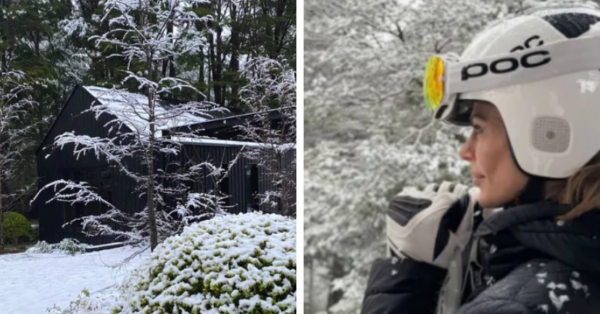
Snow-covered mountains, the white Patagonian forest, and the landscapes of Cerro Bayo flooded Juliana Awada’s social networks in recent days. After spending part of the European summer, the businesswoman returned to settle once more in Villa La Angostura to enjoy the winter holidays, a destination that for years has become her family’s preferred retreat.
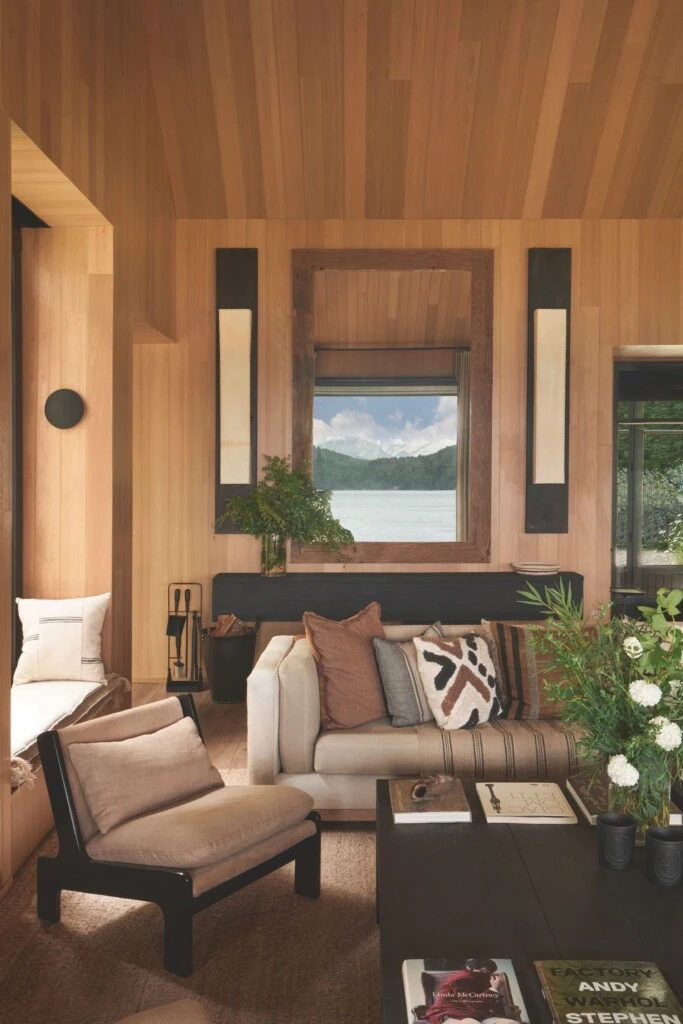
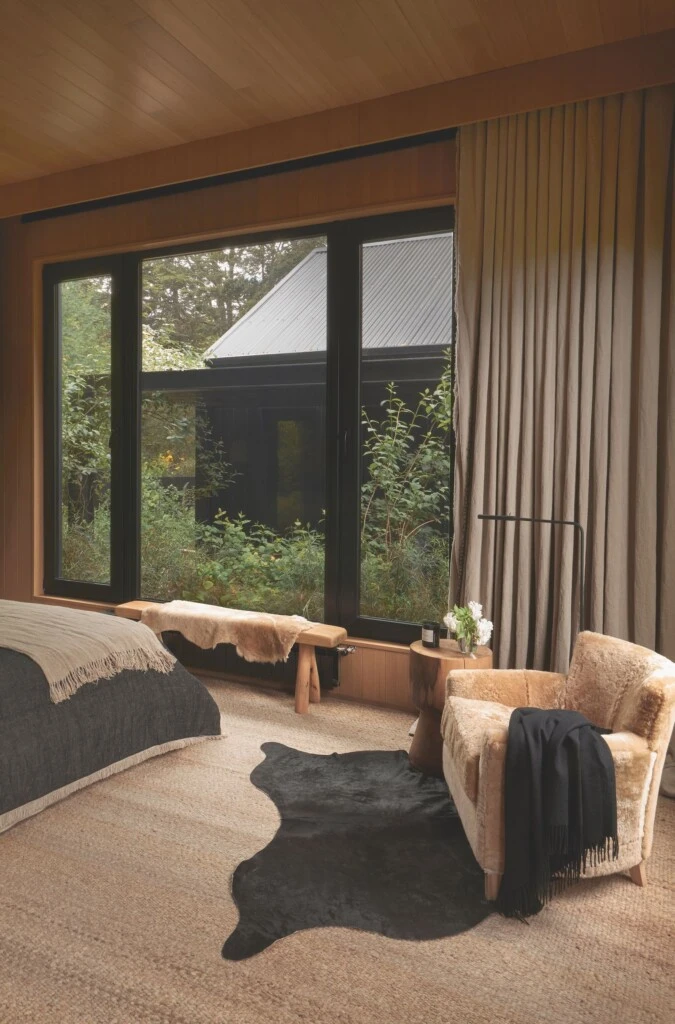
Beyond the postcards from the Neuquén ski center, the spotlight is on the impressive residence she owns on the the shores of Nahuel Huapi Lake. With a design conceived from the outset to engage with the mountainous surroundings, the property blends contemporary Nordic-inspired architecture, natural materials, and a total integration with the native forest.
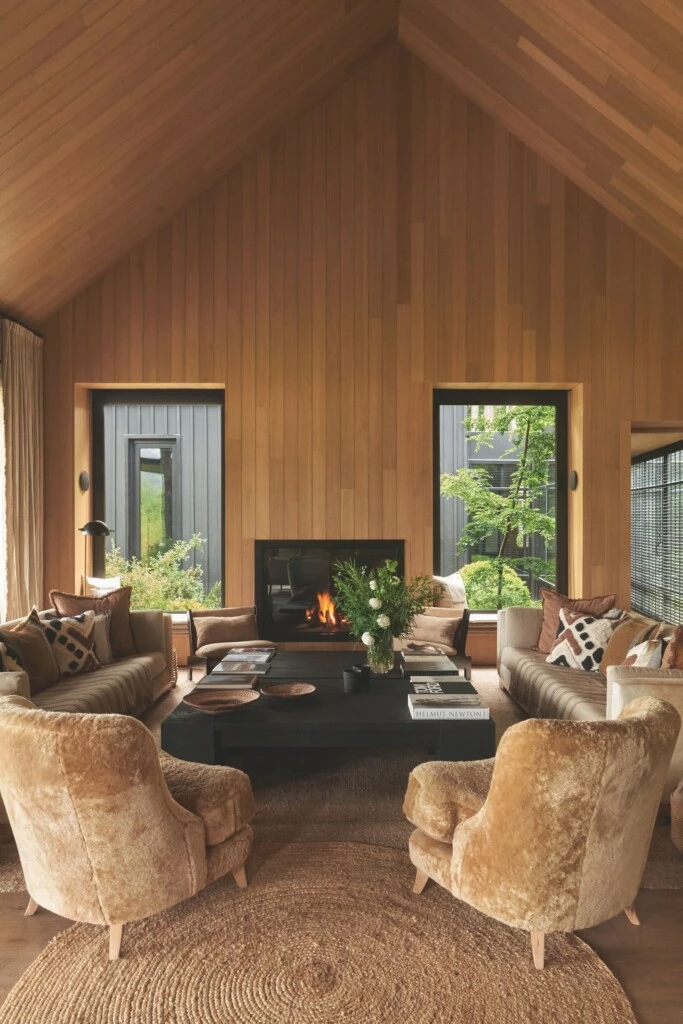
The Nahuel Huapi Lakefront Residence That Debuted in 2021
Villa La Angostura has for years been Juliana Awada’s favorite retreat to disconnect. The bond with the area was so strong that she turn this affection into a concrete project and built her own home in the exclusive Bay of San Patricio.
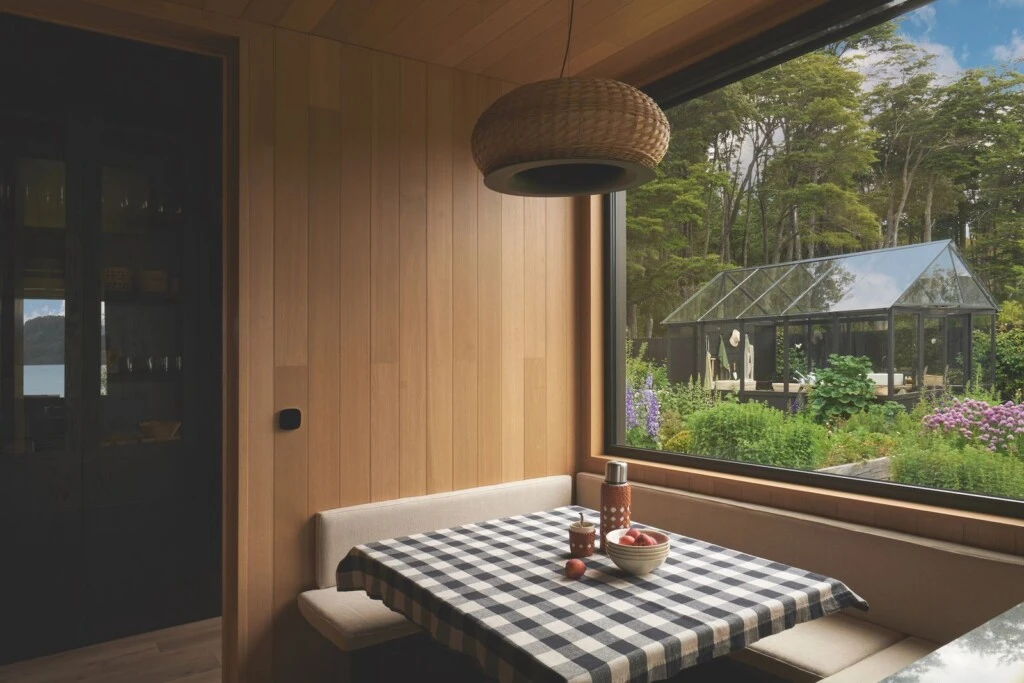
The construction stands out for its exterior black metal cladding, a modern design feature that lends sophistication and, at the same time, allows the structure to blend in perfectly with the dark tones of the trees and the Patagonia vegetation.
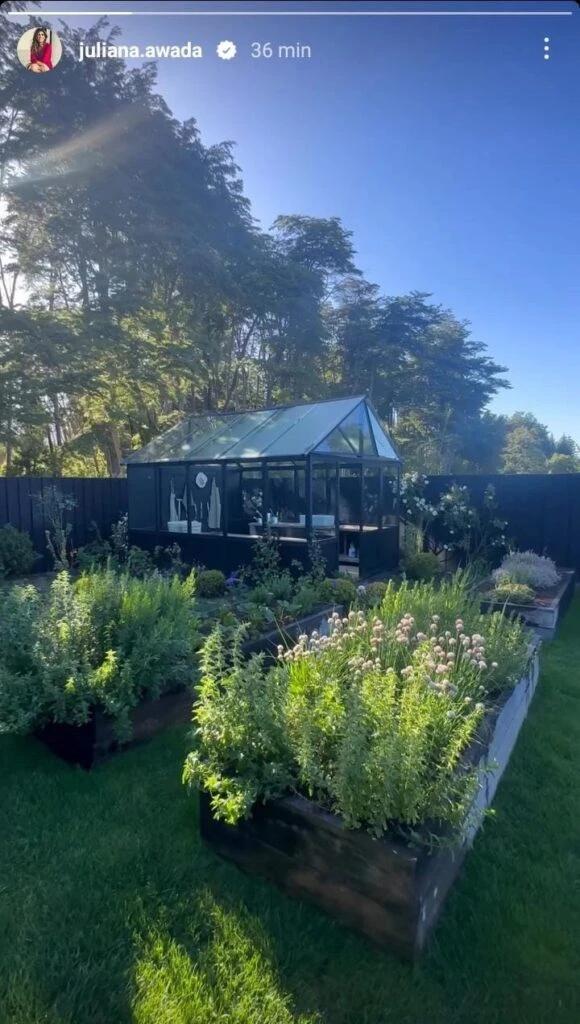
Four Modules, a Greenhouse and a Family Design Team
The property is distributed across four modules with gabled roofs that reproduce the concept of traditional mountain cabins, though with a contemporary approach. The project was completed in just twelve months thanks to the coordinated work of a multidisciplinary team: the architect Alberto Rossi’s studio (Juliana’s brother-in-law, married to her sister Zoraida Awada), interior designer Danu Galito, and the landscapers Martina Barzi and Josefina Casares.
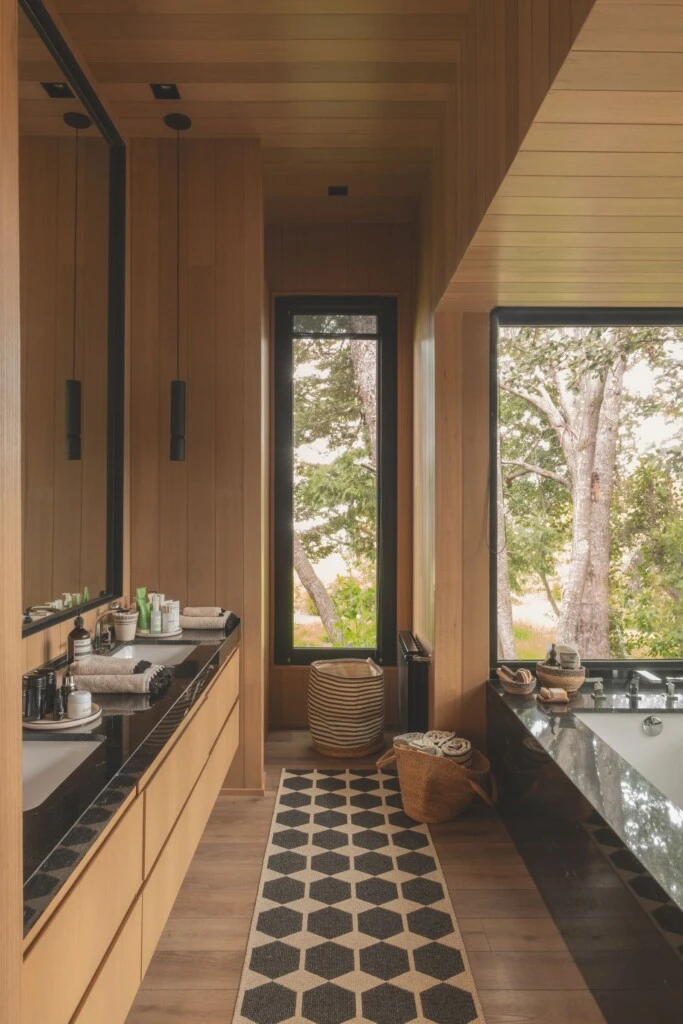
Among the most distinctive spaces are the expansive galleries, a private dock with lake access, a separate area specifically designed to host guests, and a Scandinavian-style greenhouse. This last corner, dedicated to cultivation and botany, became one of the entrepreneur’s favorite spots during her stays.
Care for the Environment and Environmental Impact Study
Respect for nature was a strict premise when undertaking the architectural project. The main aim was to adapt the design to the terrain’s topography and avoid unnecessary alterations to the native ecosystem.
Speaking about this commitment to the region, the entrepreneur explained years ago when recounting the planning process: “In this region of Argentina, the forest and the preservation of nature are given great care, so it was very important to carry out an environmental impact study.”
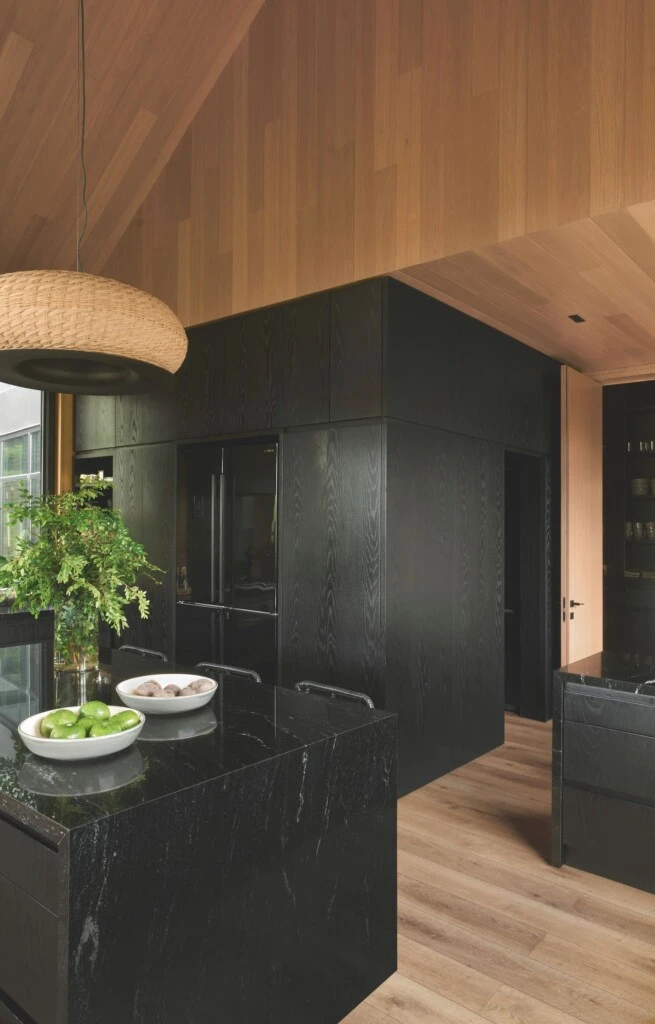
In this way, both the material choices and the arrangement of the modules responded to the need to preserve the Patagonian landscape intact.