

Many women start taking birth control pills and notice positive changes almost immediately: the menstrual cycle becomes more regular, pains diminish, acne improves and the skin even looks less oily. However, in some cases a less well-known effect appears and is still seldom discussed: a decrease in sexual desire.
Although it does not occur in every woman nor is it a frequent side effect, loss of libido can be related to the use of oral contraceptives.
“Hypoactive sexual desire associated with the use of oral contraceptives exists, although it is infrequent. It manifests itself in a very clear way: women who previously enjoyed their sexuality and, after starting the pill, lose sexual interest almost completely,” explained Silvia Ciarmatori (MN 84.986), gynecologist, head of Family Planning at the Gynecology Service of the Italian Hospital.
According to Ciarmatori, this change should not automatically be attributed to stress, routine, or relationship problems. In some cases, the origin may be related to the hormonal changes produced by the contraceptives.
Why do some women lose libido when taking birth control pills?
The clinician notes that combined oral contraceptives can reduce the amount of free androgens, hormones that play an important role in female sexual desire.
“Synthetic estrogen acts at the hepatic level by increasing a protein that ‘traps’ these hormones, and some progestogens even have an antiandrogenic effect. The result: fewer androgens available, less desire,” she explains.
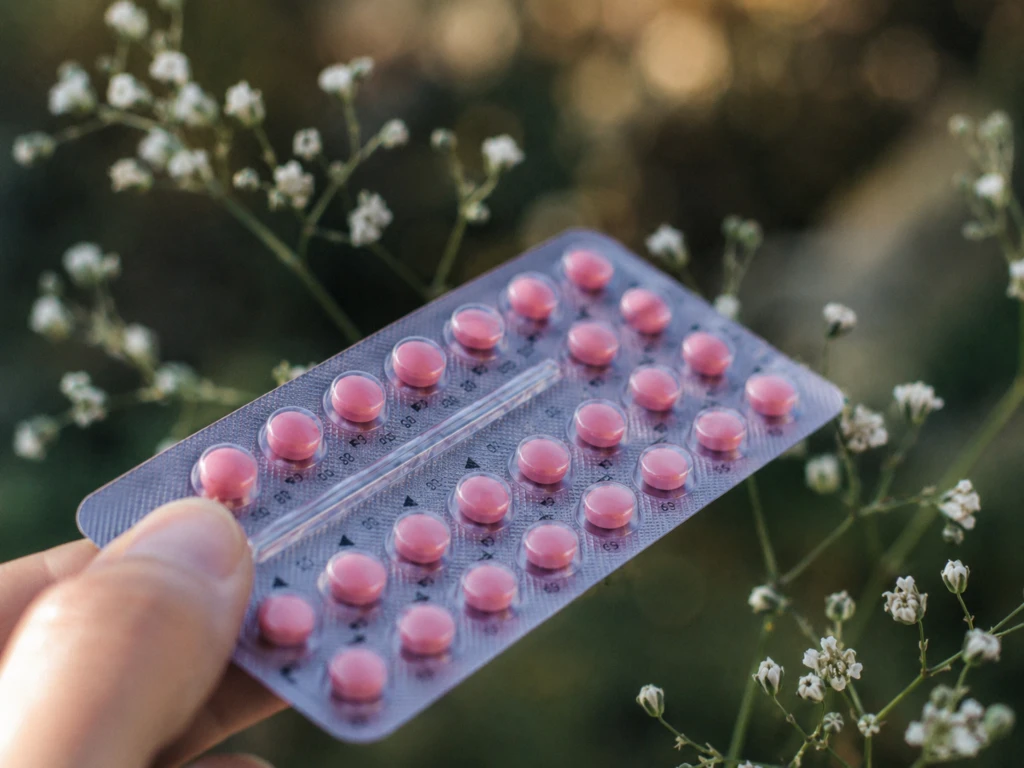
Paradoxically, this same hormonal mechanism is often responsible for highly sought-after benefits, such as clearer skin with less acne, reduced oiliness, or diminished body hair.
“This same hormonal effect that is positive for many women can also work against libido for others. And the important thing is to understand that there is no universal ‘ideal’ level of androgens for female desire. Each body responds differently, and that is why not everyone experiences it,” she clarifies.
The specialist emphasizes that sexual desire is much more complex than a hormonal issue alone. “Sexuality does not depend solely on hormones. Personal history, the relationship with a partner, fatigue, stress, and past experiences all influence it. Therefore, when a decrease in desire appears, one should always assess the full context,” she explains.
However, she adds that when a woman had a satisfying sex life and notices a marked change shortly after starting the contraceptives, that relationship deserves to be evaluated.
“When a woman had a satisfying sex life and notices an abrupt change right when starting the contraceptives, it is very likely that the origin lies there,” she states.
What alternatives exist to birth control pills?
The good news is that it isn’t always necessary to resign yourself to living with this side effect. There are different contraceptive options that may better fit each case.
Among the alternatives mentioned by Dr. Ciarmatori are:
- Contraceptives with gestogens of a more androgenic profile, such as those containing levonorgestrel.
- Pills with natural estrogen (17-beta estradiol), which have a lower hepatic impact.
- Contraceptive methods without estrogen.
- Intrauterine contraception, such as the copper IUD or the levonorgestrel-releasing intrauterine system, which do not generate significant hormone levels in the bloodstream.
The specialist emphasizes that the choice of contraceptive method should always be made together with the gynecologist, taking into account the needs and characteristics of each woman. In addition to hormonal changes, there is another aspect that is often overlooked.
“In some women, contraceptives can affect vulvovaginal trophism and cause dryness or pain during intercourse. When there is pain, desire is blocked. Therefore, evaluating lubrication and vaginal well-being is also essential,” Ciarmatori explains.
The decline in sexual desire associated with the use of oral contraceptives does not affect all women, but when it appears it deserves to be addressed and discussed during the medical consultation.
“Taking contraceptives should not mean sacrificing pleasure. If something has changed, it is not an exaggeration or a lack of desire ‘for no reason’. It is information that the body is giving and deserves to be heard,” concludes the specialist.