

The fast pace of daily life often leaves little opportunity to pause and reflect on how we feel, what we want, or what we learned during the day. In that setting, journaling has become one of the most popular well-being practices for people seeking to connect with themselves, organize their thoughts, and develop more mindful habits.
Unlike a traditional private diary, journaling isn’t just about recounting what happened during a specific day. It’s a reflective writing practice that invites you to record thoughts, emotions, achievements, desires, and everyday experiences with the aim of fostering self-awareness, emotional management, and mental clarity.
The best part is that there are no strict rules: you only need a notebook, a pen, and a few minutes to devote to yourself.
What is journaling and why are more people taking it up?
Journaling is a completely free-form format. No need to write in a particular way or follow a specific structure. The idea is to turn that notebook into a personal space where you can express what you feel without filters or judgments.
There are different kinds of journaling, so you can tailor the practice to how you feel each day. Some people prefer writing gratitude lists, others use that moment to organize their goals or reflect on a challenge they’re facing.

It can also serve to record daily learnings, talk about projects, express desires or narrate important moments, such as a trip, a relationship, or a personal achievement.
A practice that also awakens creativity
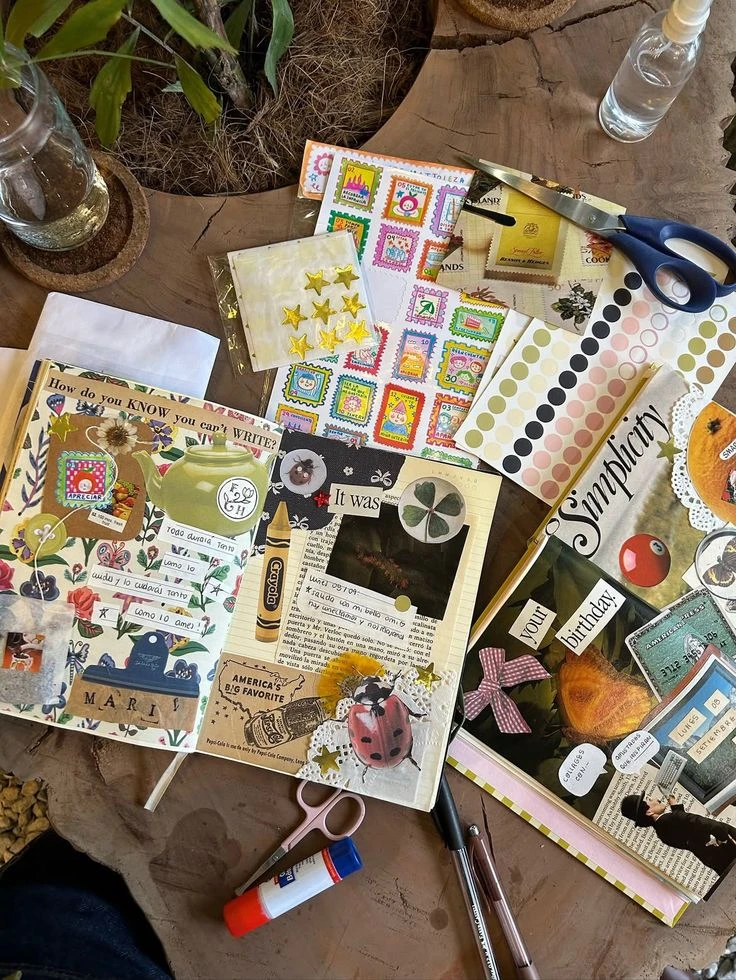
One of the most interesting aspects of journaling is that it isn’t limited to words alone. Many people transform their pages into small collages full of memories.
You can paste in a movie ticket, an unused napkin from that cafe you loved, a tag from a special place, a dried flower, or any small object that represents an emotion or a meaningful moment.

You don’t need to be artistic. In fact, that personal creative freedom personalizes and turns journaling into a tool that stimulates imagination, helps you experiment without pressure, and allows you to develop new forms of expression.
Over time, that notebook ends up becoming a kind of emotional and creative map that reflects different stages of your life.
The most important thing to remember is that there isn’t a right way to do it. Ideally, find a quiet moment of the day to write without interruptions. You can start by thanking three things that happened during the day, noting a goal you want to achieve, or simply writing down whatever comes to mind.

It doesn’t matter whether you write a full page or just a few lines. The key is consistency and giving yourself that space to connect with who you are.
With time, many people discover that rereading their notes helps them recognize patterns, appreciate how much they’ve grown, and make decisions with greater clarity.
The benefits of journaling
Beyond becoming a creative habit, journaling offers multiple benefits for emotional well-being.
Writing helps organize thoughts, reduce stress, recognize one’s own emotions, and put everyday problems into perspective. In addition, it supports concentration, strengthens creativity, and helps keep personal goals in sight.
Ultimately, spending a few minutes each day writing can become a powerful tool to know yourself better, connect with what you truly want, and steadily move toward the goals you set.