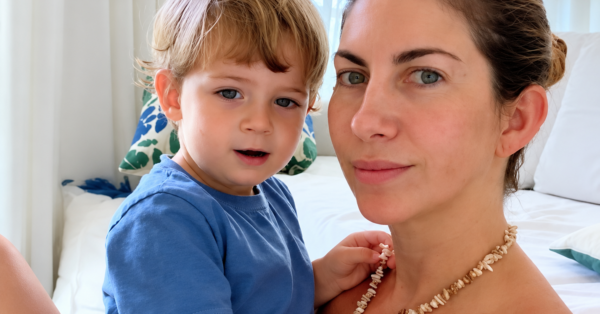
There are stories that no mother imagines when she dreams of welcoming a child. Stories in which the early years, those that should be filled with discoveries, play, and happy moments, are also written amid medical offices, waiting rooms, and nights of uncertainty.
Juli Vasile, the creator of the successful Instagram account Deco por dos mangos, knows that feeling well. Used to sharing creative ideas to transform spaces without breaking the bank, for a long time she kept a part of her life private, far from social media.
Her son Augusto, the youngest of her three children, was born with a congenital heart defect. Over time, suspicion of an autism spectrum disorder (ASD) also appeared, opening a new path of evaluations and therapies. Suddenly, while her community kept growing and she continued sharing decorating tips, her daily life filled with doctors, tests, questions, and fears.
“I was looking for spaces in my schedule to cry for a little while,” she confesses in this interview with Para Ti, where she dares to put into words an experience she had long preferred to keep private.
But from that story she would never have chosen to live came something unexpected. A cardiologist at Pedro de Elizalde Hospital wrote to propose that she help transform the space where children with heart problems are treated daily. The doctor did not know that, at that very moment, Juli was touring clinics with her own son.
The message was kept aside until, after two particularly difficult years, she felt that the time had come to do something with all that she had lived.
Thus a project was born that seeks to refresh, during December, the pediatric cardiology area of the hospital through a no-construction remodel, with donated materials, the support of companies, and the commitment of a community willing to help.
“Transforming that space is, in a way, giving them a hug”, says Juli. And perhaps that phrase is the best way to explain the true meaning of this initiative. Because it’s not just about painting walls, changing floors, or adding play areas for the kids. It’s about other mothers, in the midst of their own moments of fear, feeling that someone thought of them.
In this intimate talk with Para Ti, Juli talks about Augusto’s illness, about her hardest moments, what she learned about motherhood, and how she decided to write a different chapter of her story.
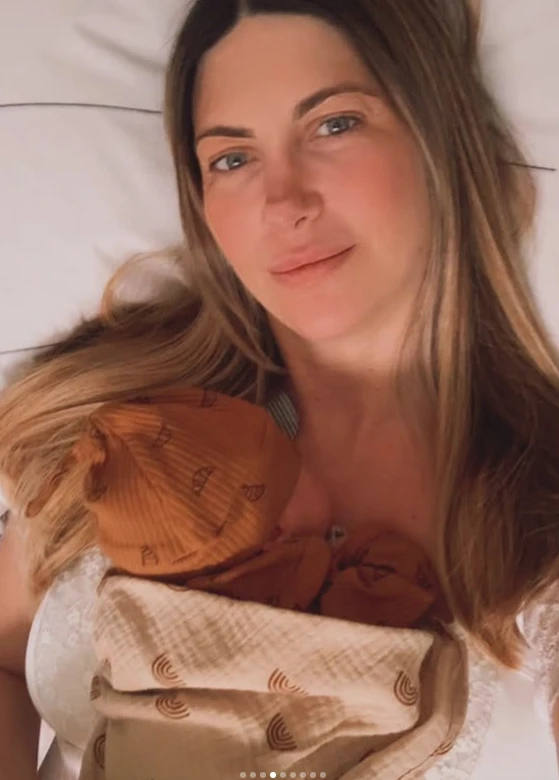
Juli Vasile: The story of her son Augusto and the project born from love
– Juli, in the post where you introduced this project you wrote: “I don’t like sad stories.” What story lies behind those words and what prompted you to share something so intimate with your community?
– The arrival of Augusto, like that of any much-desired child, had to be a wonderful story for me. One of those stories in which later you recount his first years, his first steps, his first words…
But when a health issue appears, much of the time you had imagined spending with your little one starts to take place in waiting rooms, chasing doctors, figuring things out, researching, and trying to understand a world that, until then, thankfully, you didn’t know. And suddenly, that world begins to occupy a huge part of your life.
I had never told anything about Augusto to my followers. I only started talking about this recently. In September, knowing what lay ahead with this big project, I felt it was the moment and also the opportunity to begin telling it.
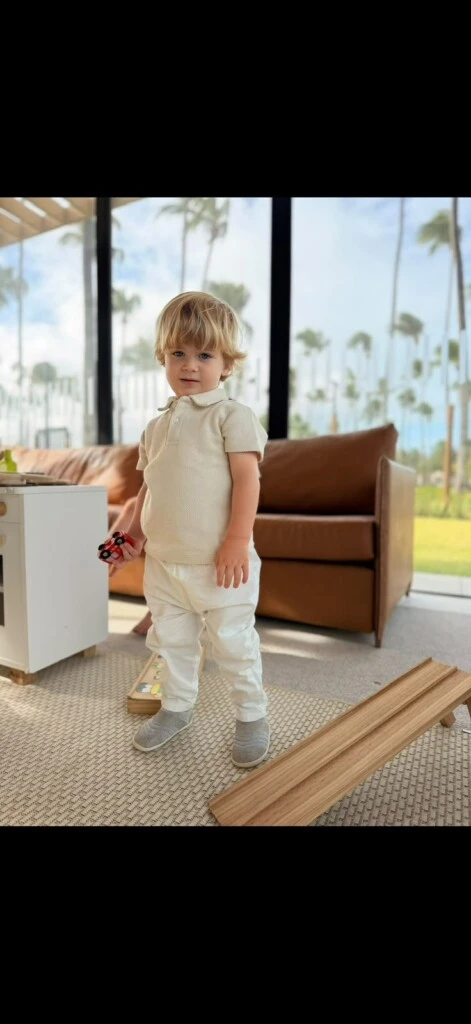
It was something very intimate for me. But I also understood that if I shared our story, the reason behind this very large project I dared to tackle would make sense. Because, at some point, everything starts from there: from our own story and from wanting to write a different chapter.
– What happened to your son and how did the path of consultations, hospitals, and treatments that you mention begin? How is he today?
– Augusto was born with a congenital heart defect, something we already knew during pregnancy and that we monitored. We were always very positive because they kept telling us: “Oh dear, don’t worry, when he’s born it will close.”
But in the end it wasn’t just a small hole that didn’t close: it was a wall that had never completed itself. And, as he grew, the suspicion of ASD emerged and a whole new path of evaluations and therapies began, in addition to monitoring his heart condition.
And there I felt it was a lot. A ton. Because, in a way, one understands that they have to face a battle, that their child was born into a certain situation and must go through it. But when you add another thing to that, you think: “Also this? It’s too much.”
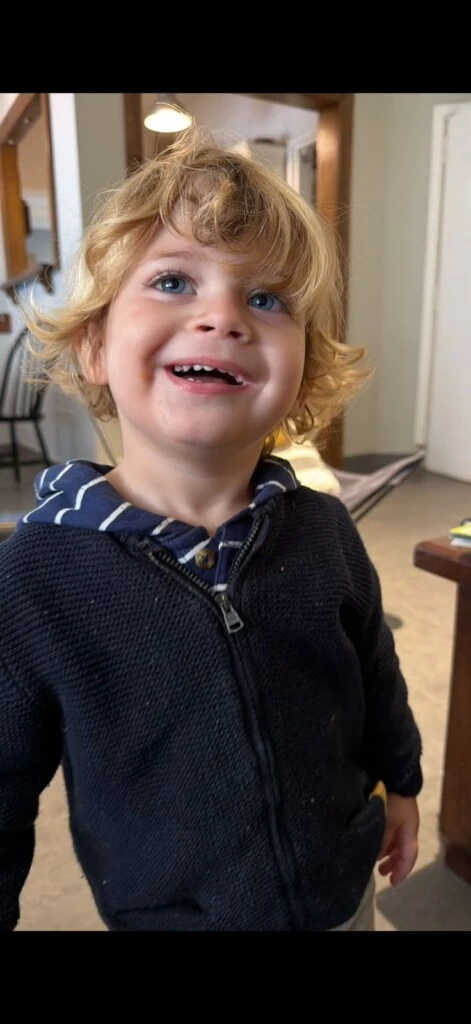
I struggled to understand it, to accept that those were the cards we had been dealt. Today we are trying to look at the half-full glass. The moment of sadness, of questions and asking myself why, somehow, has passed. Now it’s time to face all of Augusto’s challenges with positivity, which are many, but also to enjoy it a lot.
Because, furthermore, when you start wandering through hospitals, you inevitably see cases far more serious than yours. And you also begin to appreciate the cards you were dealt.
Just as there was a moment when I thought “why me so much?”, another moment arrived when I could say: “I have my son here, by my side. He isn’t hospitalized. We will overcome this in some way and we will keep going.” And keep smiling.
“I was looking for spaces in my calendar to cry for a little while”: the hardest moments of Juli as a mother
– As a mother, what was the hardest thing to endure during those early years? Was there a moment when you felt especially fear or uncertainty?
– Yes, many. On a trip to Buenos Aires, during a medical check-up, the possibility that Augusto’s heart was starting to dilate appeared and we might have to plan surgery with a bit more urgency. That’s when I started visiting doctors. And each doctor had a different perspective. That uncertainty is very hard.
At the same time, I began to understand that many of my afternoons would be spent inside therapy waiting rooms, that the life I had planned changed priorities, and that other things began to take center stage.
There were moments when I was very sad. I think I’m a very positive person, and yet there were moments when I completely lost that optimism. I found spaces in my schedule to cry for a little while.
I have three kids and I tried to be strong for them, for my family, and also to keep moving with my work, because there are other people who depend on me. It wasn’t a matter of lying in bed and crying. We had to keep going. But the truth is there were many moments when I would have needed to do it. I collapsed several times.
And it’s very strange because, at the same time, everything starts to have another value. You enjoy and savor every moment, every joy, every little thing much more.
Also, since these were such sensitive medical issues, I wasn’t ready to share them on social media yet. I kept it to myself. So, many times I had to show that everything was fine while I was going through a very particular moment. And I think that also affected me.
– When a child has a health problem, family life often ends up revolving around doctors, tests, and treatments. How did your approach to motherhood change, and what did you learn from your son on that journey?
– It’s exactly like that. Life begins to revolve around doctors, tests, therapies, authorizations, and waiting rooms. I’m not sure I’d call it “good things learned.” I learned, for example, that no one wants to be in a waiting room. But I also learned how much a human gesture, no matter how small, can change you. And, in the same way, how much a bad gesture can affect you.
A brusque comment from a doctor, a question asked without sensitivity, something that in another context might seem minor… When you’re worried about your child’s health, everything takes on another dimension. I think all of this gave me a huge sensitivity toward those small details, the good and the bad.
And also, from my profession, I started to wonder why we are so little involved with health spaces. We think about experiences in everything: even when we go to have coffee, we want the place to be pretty, pleasant, to make you feel good. And here we are talking about an experience that is inherently unpleasant: waiting to see a doctor with a small child.
Why can’t that waiting area also be designed for them? Why, if it’s a space for children, isn’t it often thought for the children? In all those hours of waiting, while one tries to clear the head and at the same time is thinking about a thousand things, those questions came to me all the time.
How the idea to transform the pediatric cardiology area of Hospital Elizalde was born
– What place did Hospital Elizalde hold in this story? Is there any gesture, professional, or moment that you remember especially that made you feel supported?
– Actually, Augusto wasn’t treated at Elizalde Hospital. And I think that’s what’s incredible about how this project appeared. In the midst of the medical whirlwind, a cardiologist from Elizalde wrote to me. She told me she loves the hospital, that she has worked there for twenty years, since her residency, and that she always saw many infrastructure things that could be improved.
She told me that, on a professional and equipment level, the hospital is excellent, but that she felt the infrastructure didn’t match everything that happens inside. And she wrote to ask whether I would ever dare to go there, give it my touch, and help them transform that space.
She had no idea that I, at that precise moment, was going through cardiologist after cardiologist with my own son. And I came with two years of waiting rooms, doctors, therapies, public health, private health… So I thought: “You know what? I have so much to contribute here…”.
At that moment I couldn’t do it. I was too focused on solving our own issues, obtaining good therapies for Augusto, and organizing our life. But her message stayed with me.
– In your post you say that we cannot change all the chapters of our story, but we can write something different. When did the idea of transforming the pediatric cardiology area at the hospital appear, and what did you feel when you decided to do it?
– When our life started to settle a little, Augusto started kindergarten, therapies arrived, and I felt I was emerging from the depths toward the light, I went back to that message. And then I said: “Let’s do it.”
Two years were very intense, and they were also Augusto’s first two years of life. And I felt I wanted to change the story that was being written around all of this a little. Augusto inspired this project. For me, it is literally writing a new chapter. After such a difficult period for me and us as a family, being able to finish it by doing something beautiful for many kids and families going through similar situations.
Fear? Yes, of course. The fear of any normal human being who looks at the size of this and asks: “What did I get myself into?” But at the same time, I thought: “I think we can.” I have great trust in the solidarity of Argentines and in the value we place on public health. We love it, we support it, and we know it is one of the most important pillars we have.
I also believe that those of us with large communities can do great things with that reach. And brands responded in an amazing way. Some of the country’s leading brands linked to construction called me right away to say: “We want to be there, we want to donate, we want to help.”
And then I thought: perhaps I can be the person who connects all these links to achieve something much bigger. And I loved that.
A renovation without construction to transform the experience of the kids and their families
– You always showed that, with creativity, spaces can be transformed without spending a fortune. What do you imagine for this remodel and how would you like the kids and their families to feel when they enter?
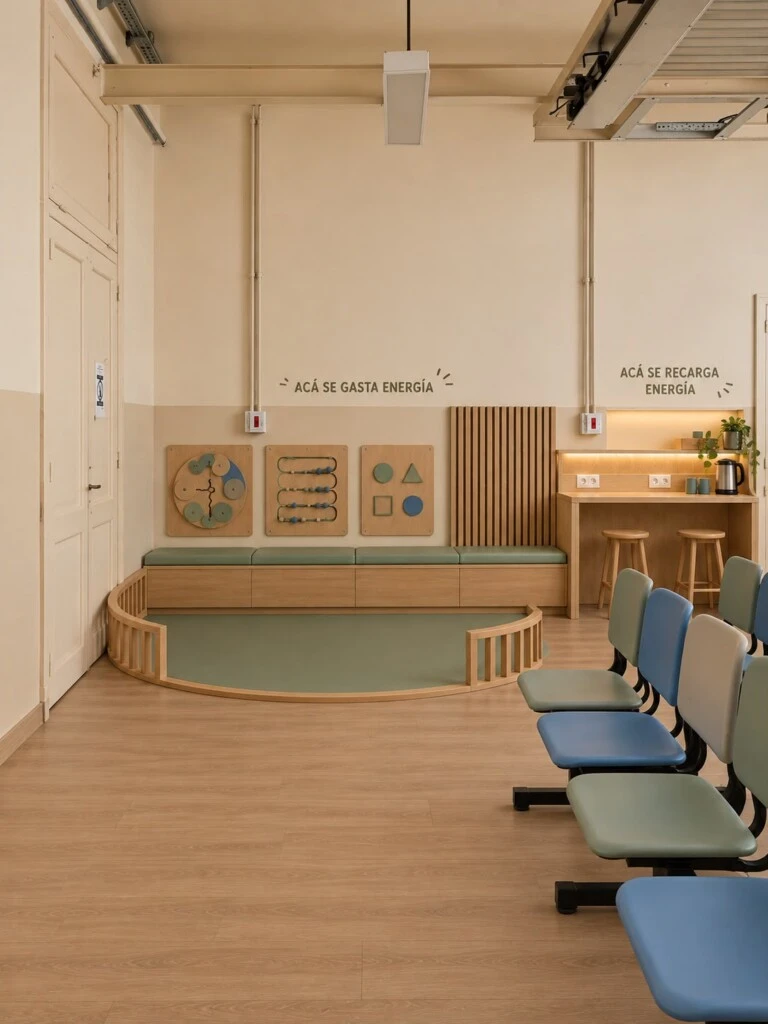
– That is exactly my vision for this project. Thinking of a traditional infrastructure project inside an old hospital is huge and very expensive. Instead, we will do what I always teach: a renovation without construction.
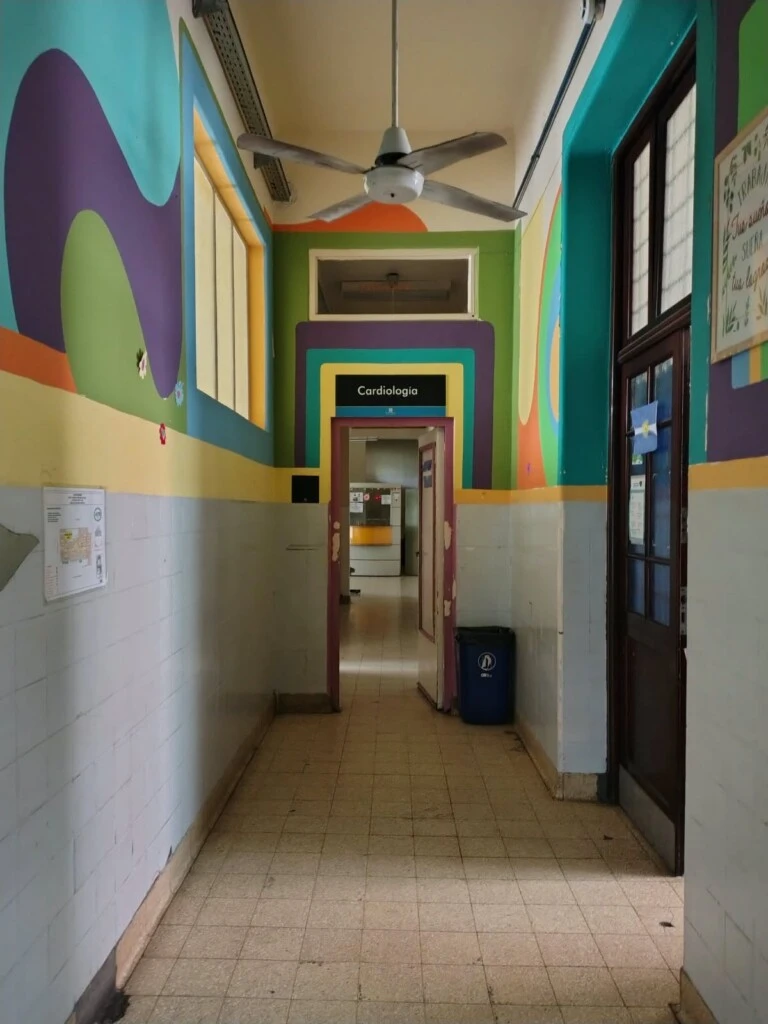
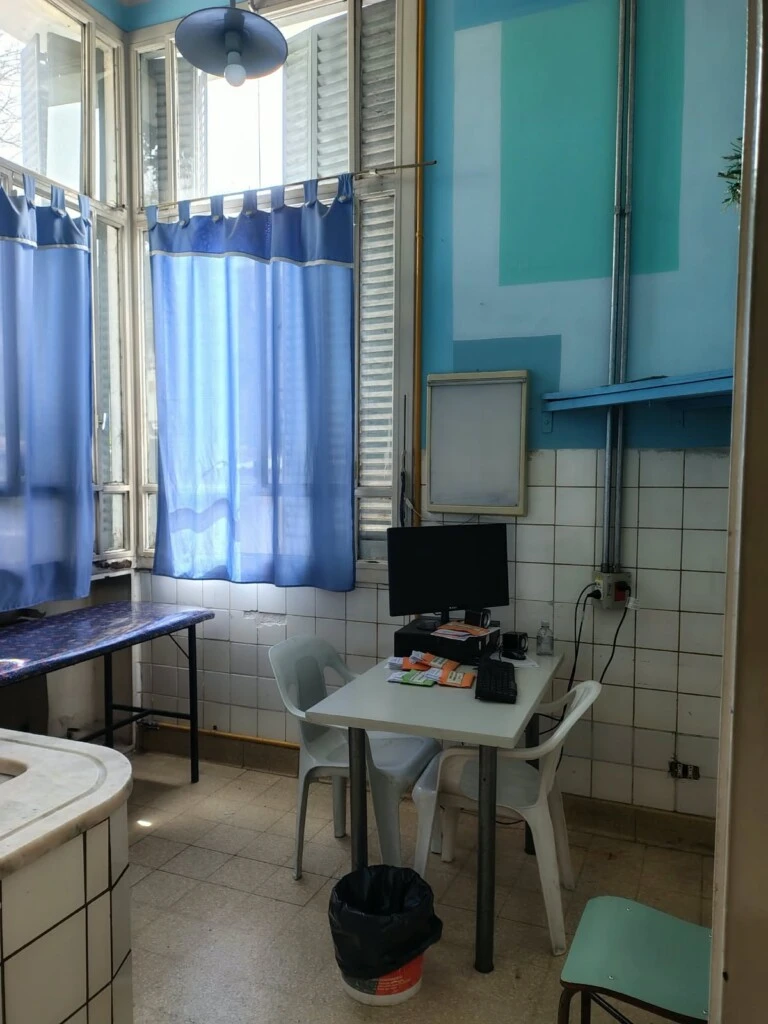
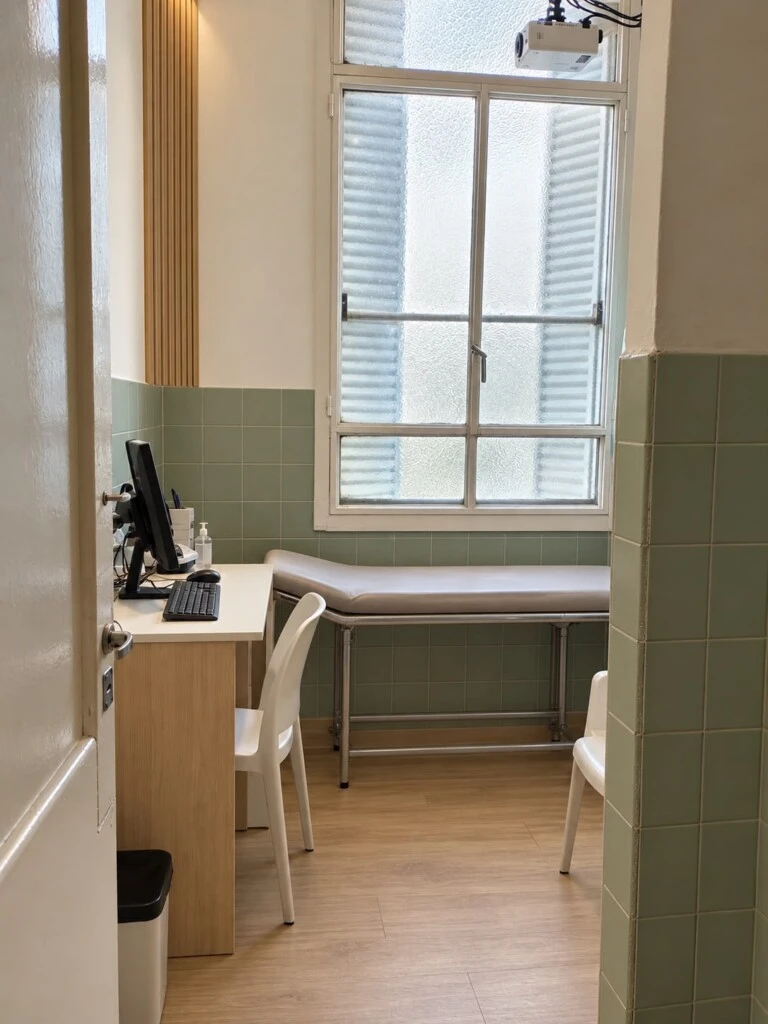
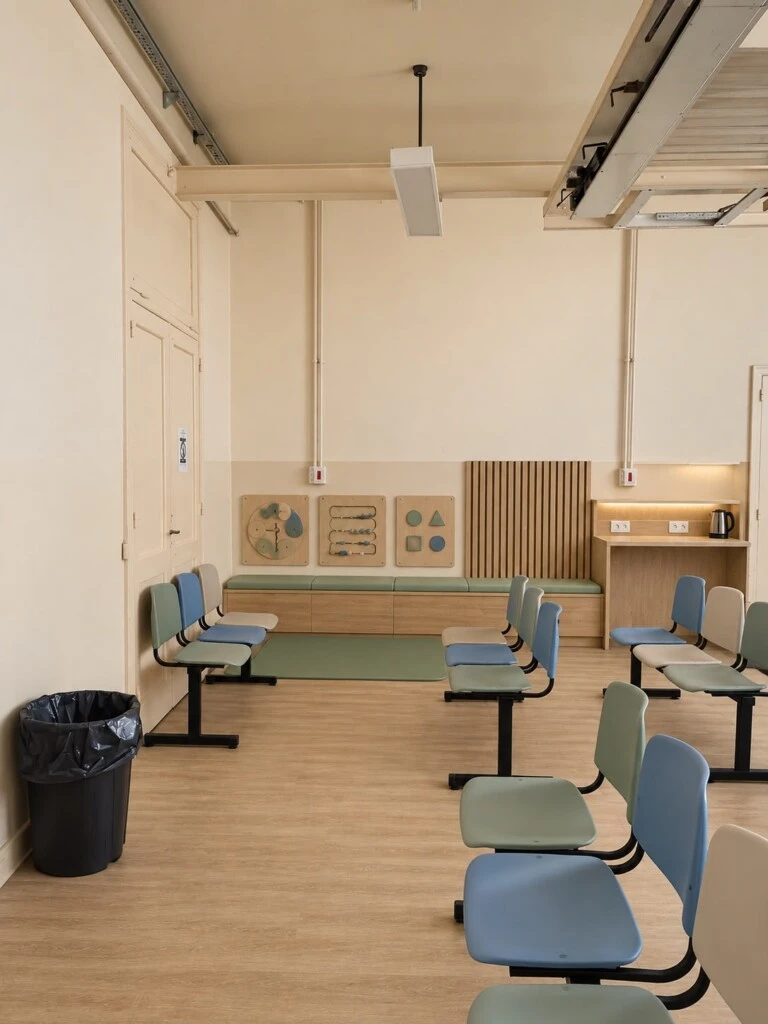
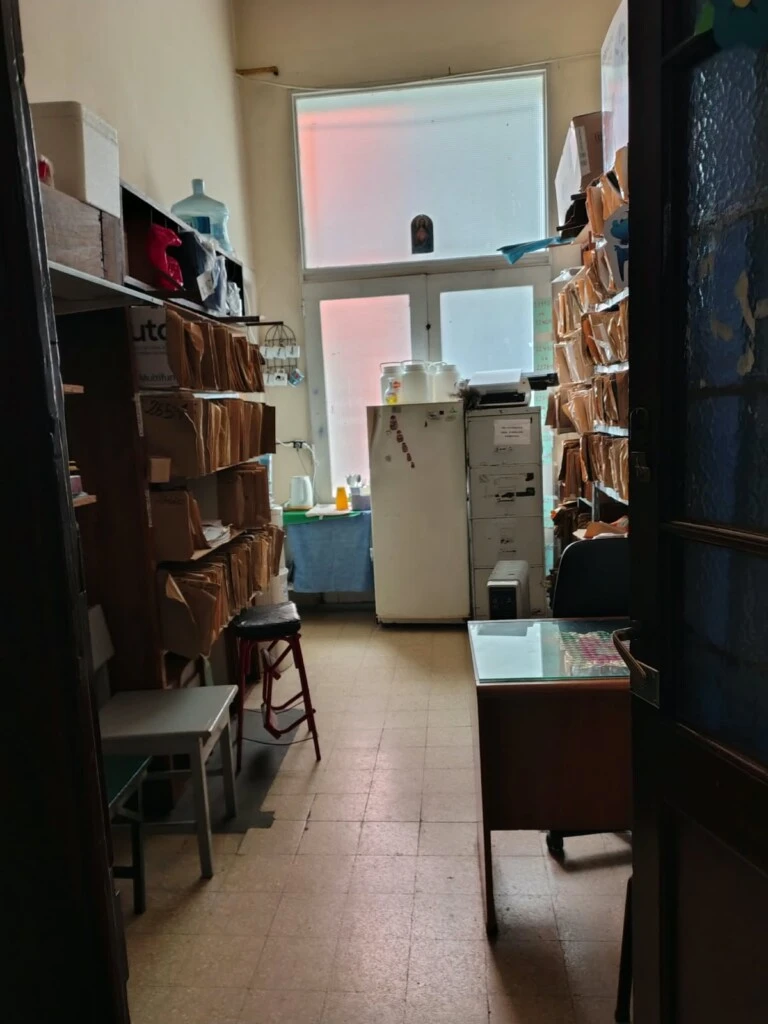
Today there are worn granite floors and we plan to install high-traffic vinyl flooring suitable for hospital use. We will paint ceramic tiles, incorporate wall panel-like coverings, work a lot with color, change the lighting, add Montessori boards and spaces designed for the kids to play. We also think of the parents: places to sit, to charge their phones, and wait with a bit more comfort.
We are rethinking even the layout and, above all, making use of what already exists. The reception, for example, has desks that we can paint and restore. There are other things that inevitably have to change, such as some furniture, chairs, doctors’ desks, sanitary fixtures, faucets, or the fluorescent lights, which we plan to replace with LEDs.
Everything that can be reused and recycled will be done. And what really must be changed, we will try to obtain through donations. Now, to be honest: the pain of a family when a child has a health problem is not eased by the best design in the world. That moment isn’t easy, and I can’t change that. The real difference-makers there are the doctors.
What we can do is give a gesture. Welcome them. Make them a little more comfortable. Let them feel that someone thought about that space for them.
And also do it for the professionals who work there for years and decades. That hospital, which has spent so many years receiving children and families, deserves that area to shine for all it gives and for all the people who pass through there.
– How will you carry out the no-construction intervention, which spaces will you renovate, and what are the main challenges of working inside a hospital?
– We will work on the pediatric cardiology area: consulting rooms, waiting rooms, reception, corridors, and bathrooms. The intervention will be with the concept of a no-construction remodel: floors, painting, new furniture, lighting, and new waiting spaces.
But I especially want there to be spaces thought out for the kids. Each environment should have a joke, a game, something that tells a story. Not a visually hostile place, but a warm space where they can feel a little more comfortable and safe.
That hug that we often can’t give in person, try to make it felt through the space. We are receiving donations of money and also brand donations to secure materials. There are teams and many people who have already volunteered to come paint and help us in person.
The plan is to carry out the intervention during the first two weeks of December. And the big challenge is precisely this: to achieve a huge transformation while interfering as little as possible with a hospital that must continue to operate.
The solidarity of a community: how to collaborate with Juli’s project
– You have a huge community that follows you for your decorating ideas. What response did you receive when you shared this personal project, and how can people collaborate to make it a reality?
– I have a huge community, but above all I feel we are very much a community. There are people who have followed me since I told them I wanted to have one more baby. Then came that eagerly desired little Augusto, with his challenges, and today they are also part of this story.
I always taught them that you don’t need everything solved to start transforming something. And that often, when there is pain, sadness, fear, or all those emotions you call “how heavy they are,” doing something with your hands, painting, fixing your house, transforming a space, can do you good. For me it has always been a form of therapy.
And I believe this project is bringing that same thing I did for years in homes to another place. Take all that pain, all that fear, everything lived, and turn it into something beautiful. Because taking what you have and trying to make something beautiful out of it will always be in the DNA of my account and in mine. It’s what I’ve always tried to share.
The response was impressive. From the very first moment there were people who wanted to help, people who offered to go paint and work, and major brands that wrote to donate materials and tell us: “We want to be there.”
We are also receiving monetary donations for all those things we cannot obtain through brands. There are many ways to collaborate: donating, bringing materials, offering labor, or simply sharing the project so it reaches more people. Because this can only be done this way: together with many.
The home as a refuge: what changed in Juli’s life after facing fear
– After everything you’ve lived, did the meaning of the word home change for you? How important is it to feel supported by a space when going through a difficult moment?
– Yes. And I think I also understood something that may seem contradictory coming from me. In the middle of all this, I had to move urgently and also had to give up the project of building my own home, which I had long desired for my children.
And there came a moment when my house was relegated to a secondary priority. Because I was like that too. When you’re going through something that overwhelms you, it’s hard even to think, make decisions, or have energy to take care of other things. There was a much bigger priority and everything else fell away.
Later we managed to move. I did it with almost my last bits of energy, at a very difficult moment. But little by little, it was also a way to start again. And today it feels wonderful to feel that I have my home again. To have my things my way, to have been able to create a beautiful space for my kids, to feel comfortable and supported there.
After everything that happened, that feels different. You savor it every day. And perhaps that’s why I also understand even more that a space does not solve what you are going through, but it can accompany you while you go through it.
And sometimes, when you are going through a difficult moment, feeling a little hugged by the place you’re in is no small thing.
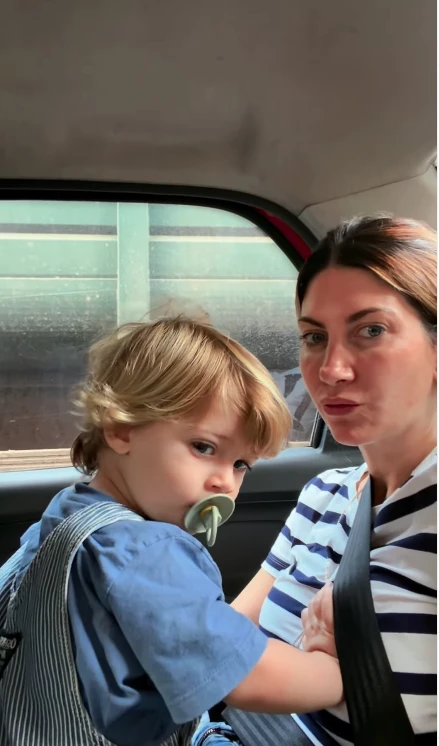
“This too shall pass”: the message Juli would give to that mother who was afraid
– If today you could hug that Juli who was going from hospital to hospital with her son, full of questions and fears, what would you tell her?
– “This, too, shall pass.” It’s a phrase I repeated to myself a lot. “Everything’s going to be okay.” In those moments you cling to phrases, to whatever allows you to go a little further. I also thought a lot: “Life knows I’m strong, but I’m not that strong. Not with my little one.”
And today I feel that a part of all that is starting to make sense. Would I have preferred not to go through it? Yes, of course. I would have preferred not to learn any of this. There are still battles ahead, several of them. But I hope that everything continues well, that we are well, and we will do what we always did: build the best version possible with what we have to deal with.
– And when December arrives and you see the transformed space, what would you like a mother who is there waiting for news about her child to feel? What would you like her to take away from that place?
– I do not intend for a mother to stop feeling afraid simply because the waiting room is more beautiful. I’ve been there and I know that doesn’t work that way. When you’re waiting for news about your child, there isn’t a color, a new floor, or a comfy chair that can take away that anxiety. But I would like that, amid all that, she feels that someone thought about her.
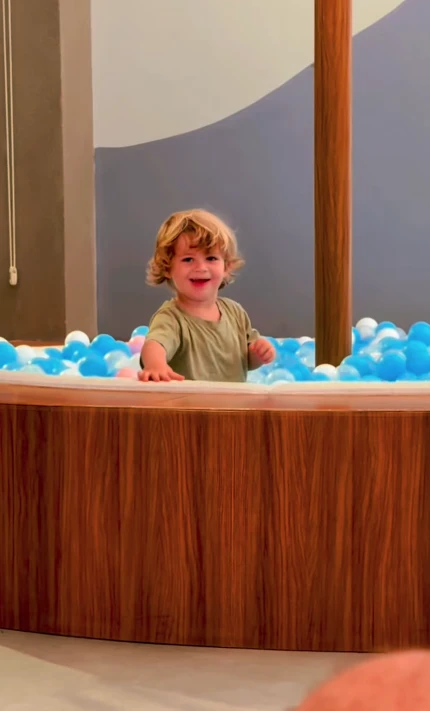
That space is prepared to receive her in one of those moments when she is most vulnerable. That her child has a space designed for him, where he can play for a little while, be distracted, feel a bit less in a hospital. That she can sit, charge her phone, and take a breath. Small things. Gestures.
And there is something that especially excites me: thinking that all of this was born because another mother once sat in a waiting room with her child, scared, full of questions, not knowing very well what came next.
That mother was me. And perhaps I can’t sit next to every mother who will pass through there and tell them “I know a little what you’re feeling.” But I can leave them this.
Transforming that space is, in a way, giving them a hug. And if from a story that had chapters I would never have chosen something can come out that makes another family’s story a little gentler, then I think we’ve found a very beautiful way to write the next chapter.
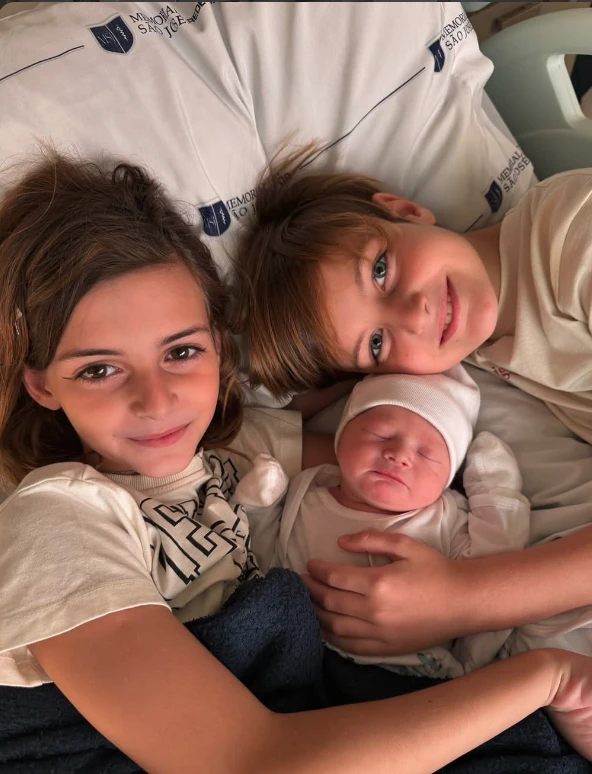
How to help transform Hospital Elizalde
The project led by Juli Vasile aims to renew the pediatric cardiology area of Pedro de Elizalde Hospital during the first half of December 2026.
The initiative receives financial contributions, donations of materials, corporate collaboration, and offers of labor to carry out the transformation.
Those who want to learn more about the project and the ways to collaborate can approach the Deco por dos mangos community and consult the post in which Juli shares this solidarity initiative.
Because, as she herself says, there are stories whose first chapters we cannot choose. But there is always the possibility of trying to write a new one.
And the one Juli is writing now has something deeply moving: born of a mother’s fear and aspiring to become a hug for many others.
