
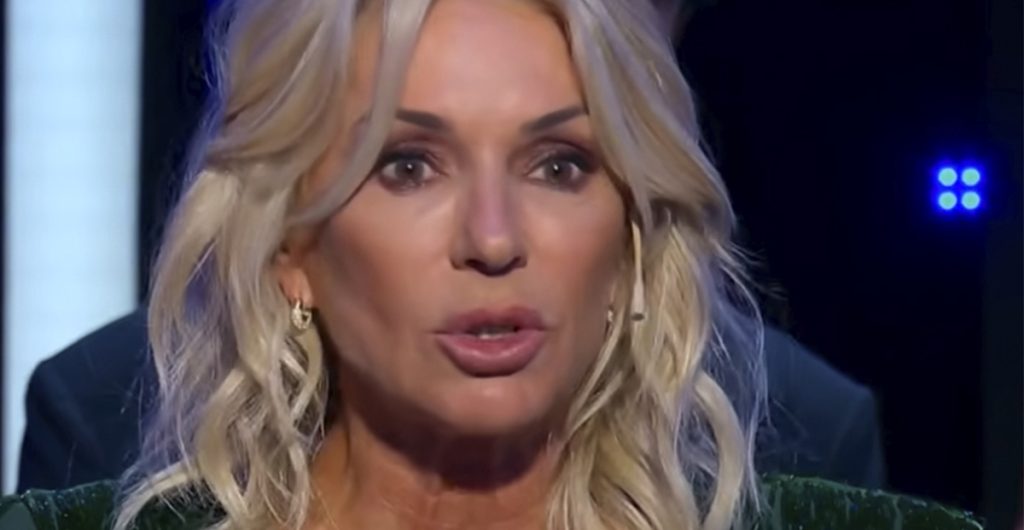
In her return to PH: Podemos hablar, Yanina Latorre set aside for a moment her usual spicy, media-savvy persona to talk about a part of her personal history she had rarely shared with such depth: the difficulties she faced to become a mother.
The conversation arose from a question by Carolina “Pampita” Ardohain, who wanted to know a different facet of the host and asked her to talk about the birth of her children.
“I want to know another Yanina and I’d like you to tell me about the birth of your children,” Pampita proposed.
The response led Latorre to recount a path marked by fertility treatments, pregnancies that did not come to term, and moments of deep pain, up to the arrival of her children, Lola and Dieguito.
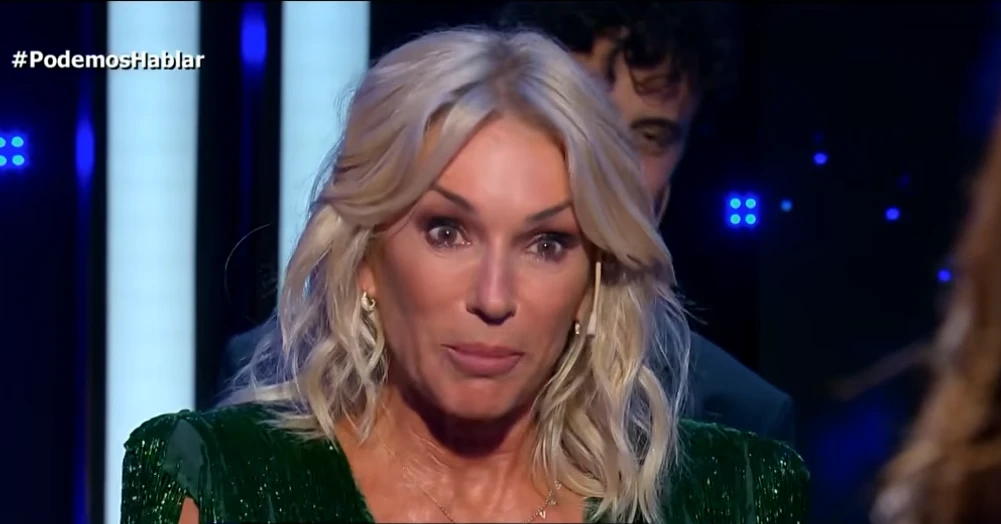
“I am first a mother and then a person.”
“Oh, how divine. I am first a mother and then a person,” began Yanina, making clear the central place her children occupy in her life.
“The only things that matter in life are Lola and Dieguito; they are my most matriarchal side. They completed me and made me who I am,” she added.
That was when she revealed that motherhood did not come easily.
“I went through difficult pregnancies because I could not have children. It took a long time to have Lola. Lola is the result of endless treatment. I have been married for 32 years; Lola is 25, we spent seven years unable to conceive and undergoing many treatments,” she recalled.
Yanina revealed that she lost four pregnancies
In response to Pampita’s question about whether she had experienced pregnancy losses, Latorre replied: “Four.”
And then she described one of the most painful episodes of those years.
“And one before a Boca-River match. I was four months pregnant, I delivered in bed by myself and I didn’t tell Diego until the match was over,” she recounted.
Pampita was stunned by the account and asked whether she had to face that moment alone.
“I had to pull myself together alone, call my mom, my dad, it was a nightmare,” Yanina remembered.

The host explained that the losses occurred during a period when she was also undergoing treatments to try to conceive.
“I lost many pregnancies. I underwent treatments, Lola is the child of fertility treatment. I spent nine months in bed waiting for Lola to be born and I was given 18 injections daily,” she revealed.
Lola’s pregnancy and the long fertility treatment
For Yanina, that entire process was driven by a single goal: becoming a mother.
“The only thing I wanted was to be a mother and for Lola to be born. After that, I didn’t want any more children. I suffered a lot to have her; it was a difficult delivery and a pregnancy that required meticulous care,” she explained.
She also recalled that fertility treatments at that time were very different from today.

“Today, fertility is more advanced; there are more tools. Back then it was dangerous, Diego didn’t want anyone to know,” she noted.
And she added: “She was a much sought-after and cherished daughter, which is why I can’t stand to see her cry and I protect her; she is the light of my eyes.”
“After Lola, I kept losing pregnancies, always alone.”
The host also revealed that the challenges did not end with Lola’s birth.
“After Lola, I kept losing pregnancies, always alone,” she stated.
At that time, she explained that her family life during those years was closely tied to Diego Latorre’s football career, who played professionally in different countries.
“Because, being married to a football player, my life wasn’t like Wanda Nara’s or La China Suárez’s, and all the nonsense you see on Instagram. My life was that of a woman devoted to a family and supporting a husband with talent, who when his career ended, we focused on mine and did our own things,” she recounted.
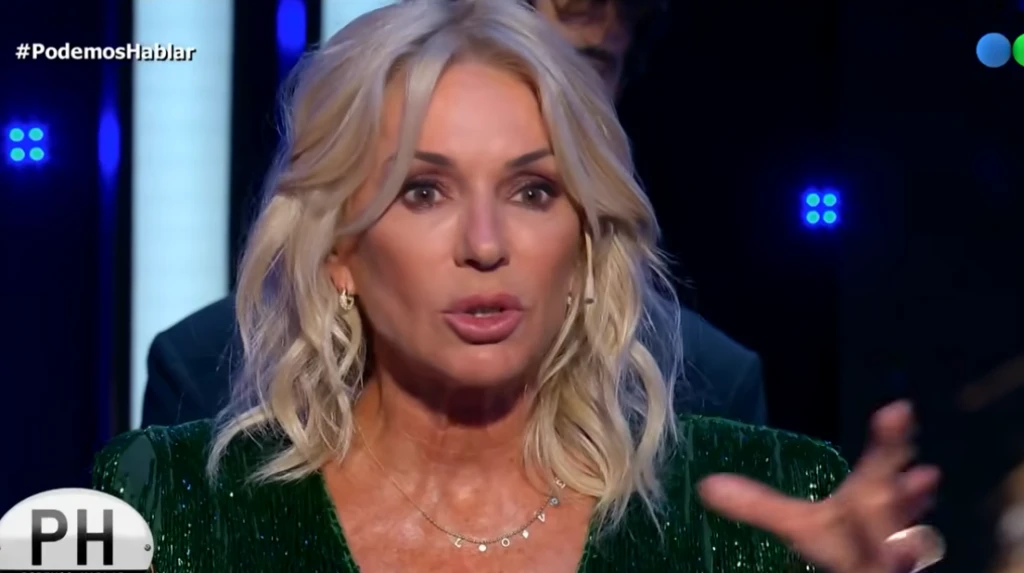
How Dieguito Arrived in Her Life
The story of her second child was also marked by uncertainty. Yanina recalled that when Diego was transferred from Mexico to Guatemala, she began to suspect she might be pregnant.
“No period, no signs, and time went by. Two months passed; I thought I would lose it… if I kept losing pregnancies, what was the point of telling him. We would get excited about a baby coming,” she remembered.
Five months passed before she finally confirmed the pregnancy.
“I was very thin, very small, and I didn’t have much a belly. I moved to Guatemala with my two-year-old daughter, I settled the house, the garden, and, at five months, I went to the doctor and they told me I was pregnant,” she explained.
And she surprised with a definitive statement: “It was the shortest pregnancy of my life, four months and Dieguito was born.”
According to her, the birth of her second son was different from Lola’s: “I had Lola through treatment, which was hard, and Dieguito was born from Diego’s dream.”
She even remembered exactly the moment they conceived him: “I know the night we conceived Dieguito, because it was the night we said goodbye to Mexico, on the couch in my house, before we left for Guatemala. And I know because after that I didn’t see him again and I had my delay.”
The memory of the losses: “It’s like surgery, having everything taken out of you.”
During the conversation, Yanina also spoke about the physical and emotional impact of experiencing a pregnancy loss.
“It’s like surgery, having everything inside you removed,” she explained.
Her account articulated an experience she endured multiple times and often in solitude.
In hindsight, Latorre acknowledged that she had developed a strong ability to endure difficult situations.
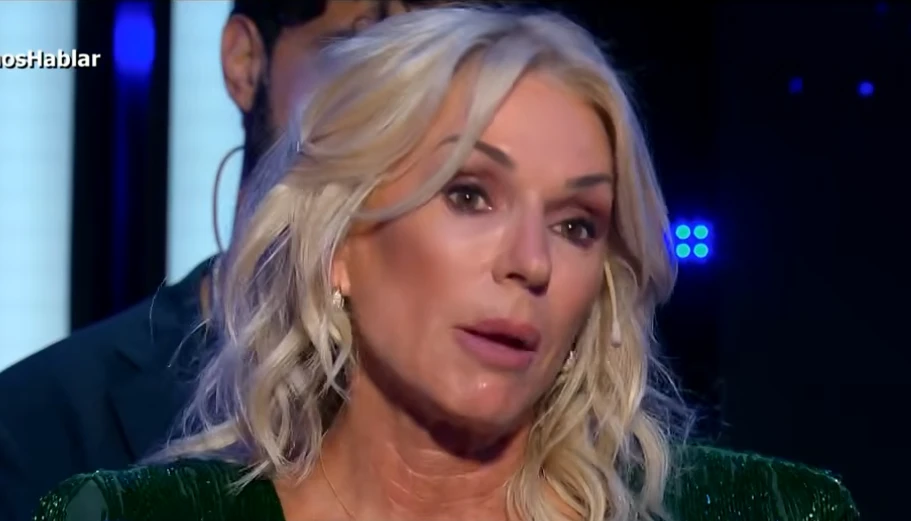
“I also gave birth to both of my children on my own.”
Towards the end of the conversation, Yanina also recalled how Lola and Dieguito were born.
“And I also gave birth to both of my children on my own,” she said.
She explained that, even though she spent those years abroad, she chose for her children to be born in Argentina.
“In the delivery room, my sister walked in, and both times Diego arrived the day after. I had a natural birth; they arrived early, and Maite came in. Diego had already met the kids, brand-new and adorable.”
And she closed with a line that summarizes much of that period of her life: “Two days would pass and I would stay alone for 45 days.”
Yanina’s account allowed readers to glimpse a different facet of a woman accustomed to talking about everything without filters: that of a mother who endured years of treatments, losses, and difficult pregnancies until she managed to form the family she had always dreamed of.