
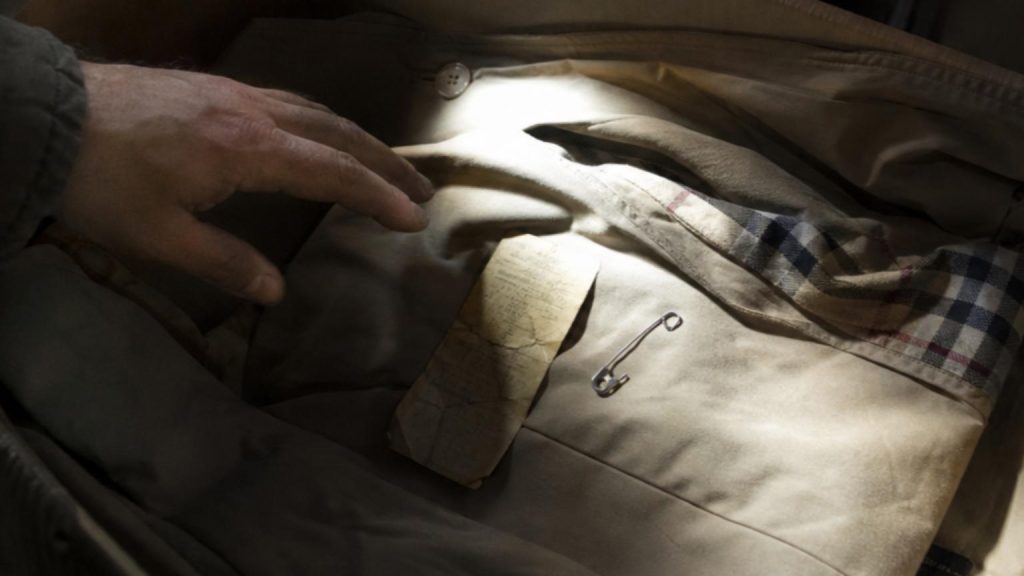
The box was unmarked, the tape brittle with age, and the dust rose like confetti when I tugged it open on a rainy afternoon. Inside, folded with surgical precision, lay a trench coat the colour of milky tea. The label read Burberrys, that pre-1999 spelling that triggers a Pavlovian thrill in the vintage crowd.
I stroked the gabardine, felt the weight of memories, and smelled the faint ghost of old perfume and winter streets. My mother had worn it on city commutes and seaside holidays, a quiet armour that made her walk a little taller. In a pocket, I found a train stub and a single safety pin, talismans of an ordinary life rendered suddenly luminous.
The offer I didn’t expect
Curiosity is a searchlight, and mine swept straight to a dealer who specialises in British heritage pieces. I sent a few photos, the lining turned out, the collar flipped to reveal its check, and the response came fast: “€400 if you can bring it today.”
I stared at the message, half exhilarated, half defensive, as though someone had placed a price tag on a family album. “It’s in great condition,” he added, “original buttons, clean hem, classic length.”
My fingers hovered over the keyboard, my mind shuttling between cash and connection, between the ease of letting go and the gravity of keeping.
What turns a coat into currency
A vintage trench earns its value through a handful of anchors: fabric, label, provenance, and the steady drumbeat of cultural relevance. Burberry’s cotton gabardine, invented in the late 19th century, is water-resistant but not plastic, structured but never stiff.
Collectors love certain tells: the “Burberrys” label with a prancing equestrian knight, horn-look buttons, sturdy underarm grommets, and the check that reads classic without screaming for attention. The 1980s delivered broad shoulders and clean lines, silhouettes that feel strangely current again.
Condition is the quiet multiplier: sharp stitching, a lining free of bad tears, and a belt that hasn’t gone missing into the ether. Provenance offers a tender bonus—a mother’s story, a city’s soft rain retold in a garment’s hang.
Authenticity in four touches
Before you take an offer, hold the coat up to the light, and let your hands do the thinking.
- Check the internal labels for “Burberrys,” the Equestrian Knight, and country of origin.
- Inspect the stitching: even, tight, no puckering along critical seams.
- Test the fabric: dense yet pliant, with a matte, rain-shedding hand.
- Confirm hardware: consistent buttons, buckle with leather or fabric cover, sturdy loops.
A good dealer will invite your questions, not brush them aside, and will suggest gentle cleaning rather than instant alterations.
Money, memory, and the modern wardrobe
€400 is both a tidy sum and a modest measure of what decades contain. I imagined a weekend away, a new lamp, a dinner somewhere dimly lit. Then I imagined a damp morning, shrugged into that coat’s embrace, and the way doors open a little smoother when you look composed.
Clothes carry our biographies in seams and faint creases. “Keep it if it still speaks,” a friend texted, “Sell it if it whispers.” I tried it on, and the mirror didn’t show a costume; it showed a slightly more serious version of me who knew where she was going.
Styling a classic without calcifying it
A heritage trench works like a verb, not a noun, setting other pieces into motion. Over denim and white trainers, it says bright morning. Over a silk dress and low heels, it reads late dinner. Belt it and tuck the collar, you’re brisk and buttoned; leave it open with rolled sleeves, you’re casual but considered.
I like a sliver of striped knit at the sleeve, a small necklace, a thin leather bag, the quiet kind of details that don’t argue with the coat.
Care, and the case for repair
Vintage thrives under patience. Spot clean with a damp cloth, then let air and time do some of the work. Press with a cool, steady iron, cloth between heat and fabric, and skip harsh chemicals unless a professional says it’s safe.
If the lining shows wear, a discreet patch or partial replacement preserves both character and structure. A missing button invites a proper match, not the nearest close enough. Repair is an act of affection, a promise that style can be circular, not disposable.
The answer I chose
I messaged the dealer back and asked for the weekend. He replied with a single thumbs-up, swift and neutral. I wore the trench to buy bread, to a late screening, to stand in a light drizzle outside a friend’s gallery.
“Nice coat,” a stranger said, not with awe but with that small, approving nod city people save for competent choices. It felt like a handshake with the past, not a museum piece, and in that moment the decision got quiet.
I didn’t take the €400, at least not yet, because some garments live as tools, not trophies, and this one still had work to do. If the day comes when it starts to whisper, I’ll let someone else hear its story. For now, it hangs by the door, a companion with pockets full of weather, ready every time the forecast says: go be yourself, but drier.