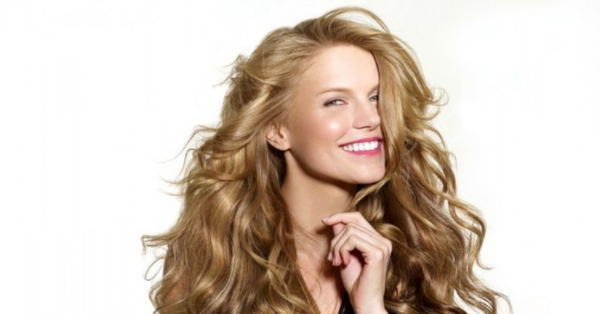
Cold isn’t the only culprit of hair damage in winter: frequent use of heat styling tools, very hot water, and heated indoor environments wear down the fiber. Learning to regulate temperature, choosing the right heat setting, and applying the correct heat protectant according to the tool are the essential steps to preserve flexibility and shine.
Going out in the morning with the cold on your face, taking refuge in spaces with maximum heating, and turning on the hair dryer in the bathroom every morning are classic scenes of the cooler months. In this season, the natural tendency is to seek refuge in warmth, but that constant search leaves visible marks on the scalp: the fiber loses moisture, becomes dull, and frizz seems to settle in for good.
It is often thought that cold air is the main culprit of deterioration, but the reality is different. The real wear is not caused by the ambient temperature, but by the tools we use to combat it. The good news is that you don’t need to eradicate the flat iron or the hair dryer; the key, both practical and journalistic, lies in learning to use them smartly.
More Airflow, Less Heat
One of the most common mistakes when drying is assuming that more heat yields a better result. The hair color and care specialist Georgina Buscaglia clarifies the picture: “A very common error is to believe that the hotter the dryer, the better it dries. In reality, what most helps reduce drying time is a strong airflow.”
Opting for a professional dryer with high air flow generates an intense stream that dries quickly without the need to work at extreme heat settings. By reducing the time of direct heat exposure, the hair preserves its natural moisture, avoiding breakage and accelerated loss of shine.
Regulate Heat by the Area of the Head
Not every strand of hair has the same resistance or history. Therefore, when passing the flat iron, the ability to regulate temperature becomes decisive to avoid compromising the hair’s health.
“For longer and mid-lengths that are healthy, you can work with intermediate temperatures using slightly wider sections, avoiding many passes over the same area”, says Buscaglia. Meanwhile, areas near the face and the ends tend to be the most sensitized, especially if they have had bleaching or highlights. In those specific sections, the expert’s guidance is to lower the tool’s temperature to minimize damage and protect fiber quality.
Direct Heat or Indirect Heat: the Secret of the Thermal Protectant
Incorporating a thermal protectant is as indispensable a habit as applying sunscreen on the skin before heading out. However, there is a technical distinction that almost no one takes into account when applying it: the type of heat the fiber will be exposed to.
Not all protectants act in the same way:
- For indirect heat: They are formulated for use with the dryer, where the air circulates and does not come into direct contact with the hair fiber.
- For direct heat: They are designed to withstand considerably higher temperatures, enduring the friction of flat iron plates, curling irons or wands.
Choosing the right formula according to the tool to be used creates the precise containment barrier that hair needs.
Final Seal to Combat Winter Dullness
Besides the prior protection, the finishing touch determines the texture with which the hair will respond to the environment. Low temperatures and heating tend to rob the hair’s surface of luminosity.
To counteract this effect, apply a few drops of oil or a shine spray at the end of styling helps restore smoothness, control static, and enhance the reflection of light. Adjusting the technique, choosing tools with appropriate regulation, and using the right product allows you to navigate winter with hair that is flexible, healthy, and flawless.