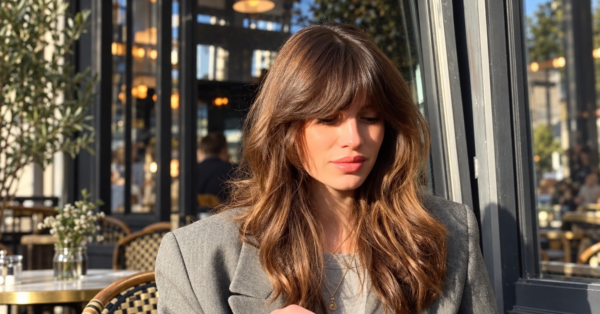
There are moments when we want a new look, but we aren’t willing to give up length or undergo a complete transformation of our cut. In those cases, the French fringe emerges as a subtle, chic, and easy-to-adapt alternative.
Unlike the straight, perfectly uniform fringe, this version embraces movement and a more relaxed finish. The result frames the face, softens the cut, and delivers an instant refresh without demanding a radical change.
Moreover, its timeless character makes it work across ages, with different textures and on nearly all lengths. From Jane Birkin, one of its great muses, to Pamela Anderson, Dakota Johnson and Alexa Chung, many celebrities have incorporated it into their style without losing their identity.
What the French fringe looks like
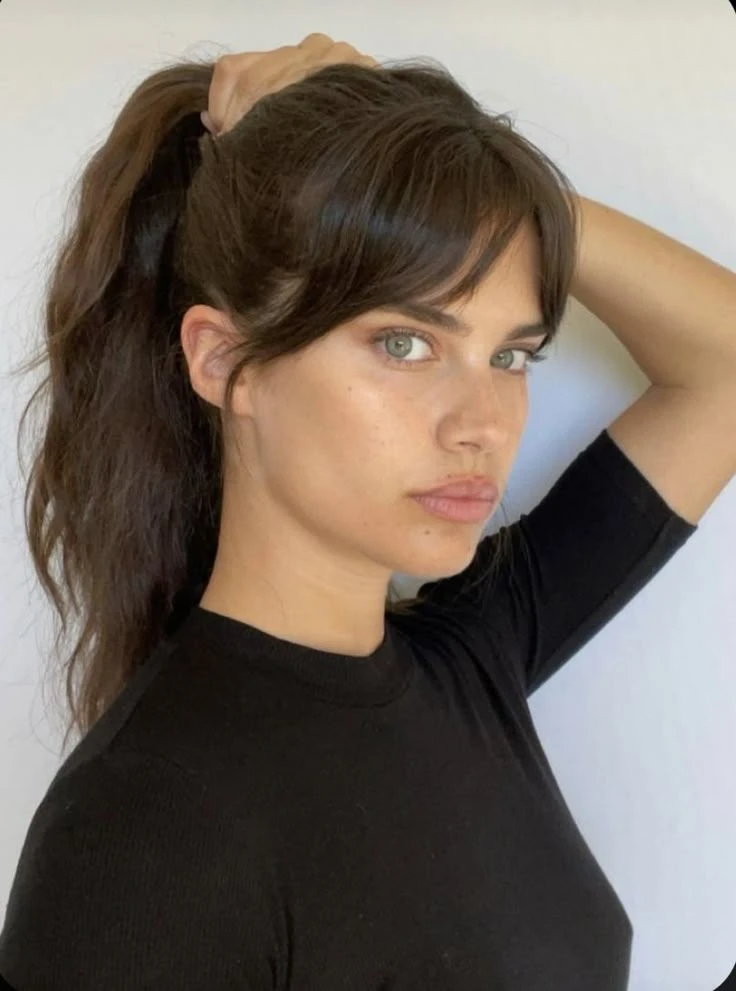
The French fringe typically reaches roughly to the level of the eyebrows. It’s slightly shorter at the center of the forehead and gradually lengthens toward the sides.
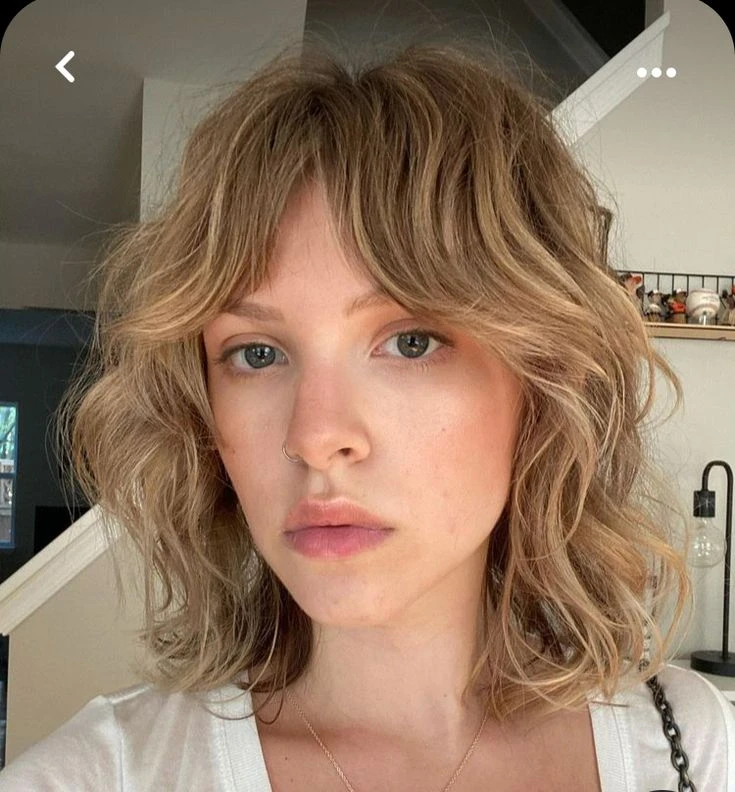
The side strands blend with the rest of the hair layers instead of staying separated by a distinct line. This transition is what allows the face to be framed and yields a softer look.
Its texture is achieved through a technique known as point cutting. The technician cuts the ends at an angle to remove weight, introduce lightness, and prevent the fringe from looking too rigid or compact.
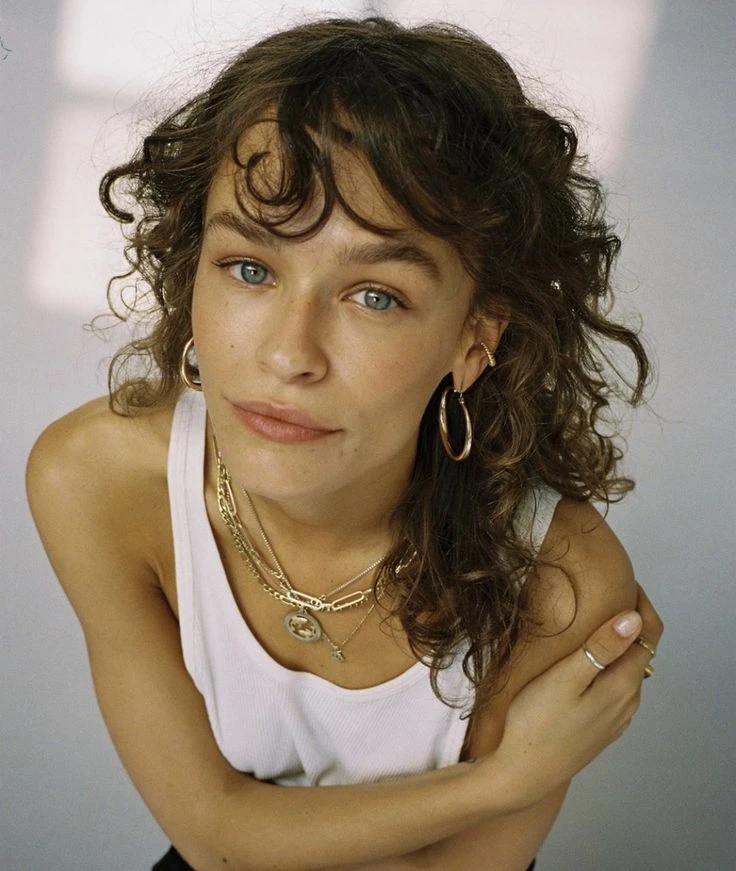
A timeless cut that brings a sense of freshness
Part of its charm lies in not chasing a single trend. The French fringe preserves the carefree spirit associated with the Parisian style, yet it can be reinterpreted in various ways.
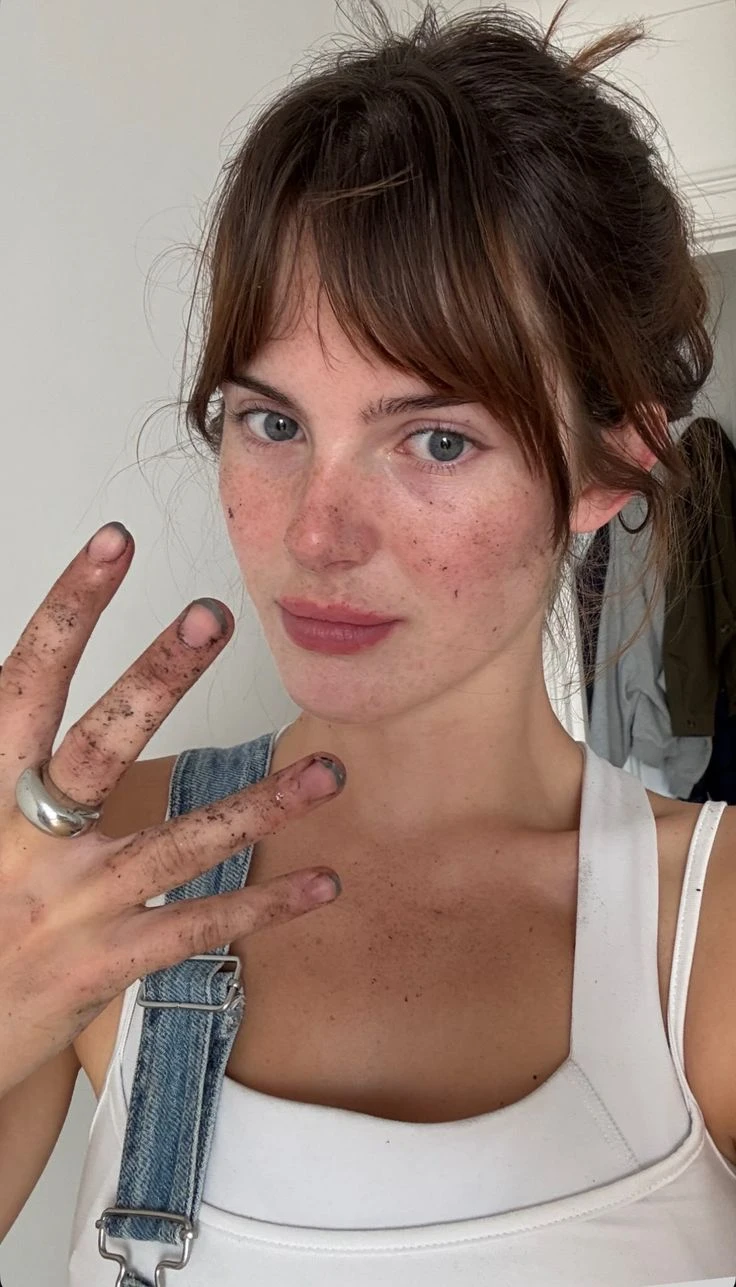
It can be worn open in the center, brushed forward, or slightly shifted to one side. It doesn’t need to be perfectly arranged either: a few loose strands and a natural finish are part of its identity.
That’s why it’s a good option for those looking to soften their look or add a distinctive detail without cutting too much hair.
Why it adapts to different lengths and textures
Versatility is one of its main advantages. The French fringe can accompany both straight hair and wavy hair because it does not demand a perfectly polished finish.
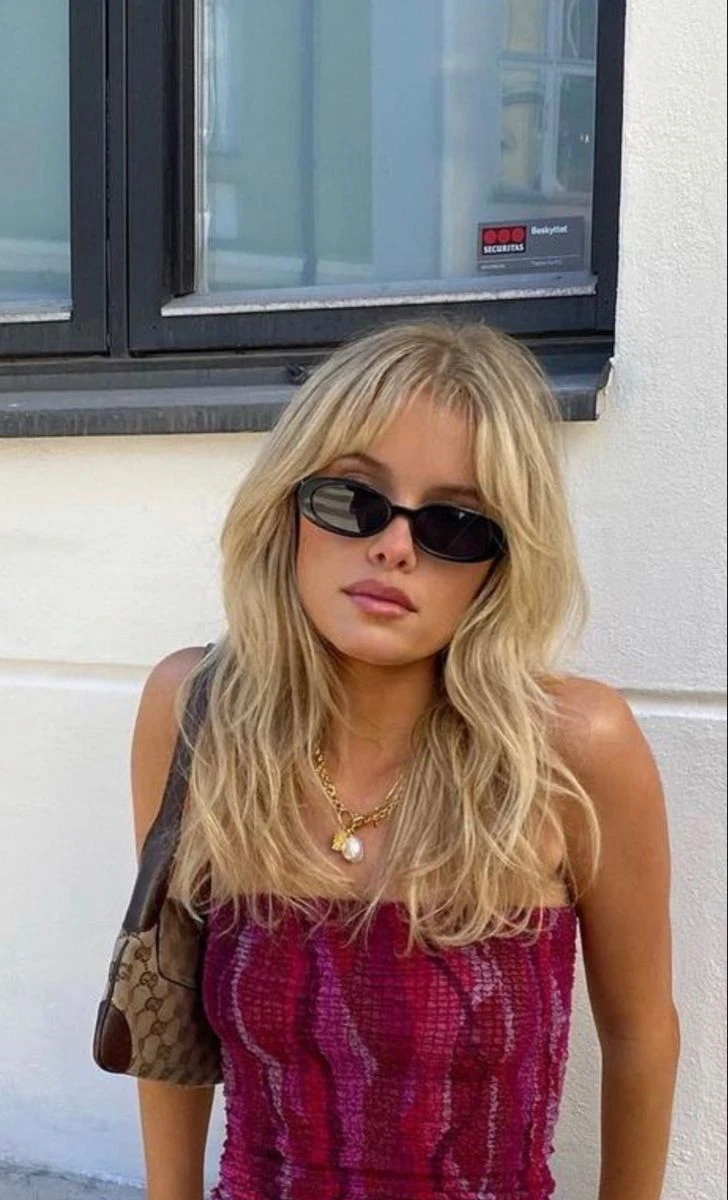
It also works with different lengths:
- With a bob, it enhances the chic aesthetic and adds movement around the face.
- With a midi cut, it creates a soft transition between the fringe and the layers.
- With long hair, it allows for a noticeable change without altering the overall length.
The secret lies in customizing density, the central length, and the openness of the sides to respect the hair’s natural texture.
Easier to style than a straight fringe
A straight fringe requires precision to maintain its shape. As it grows out or loses its style, the change becomes quickly noticeable.
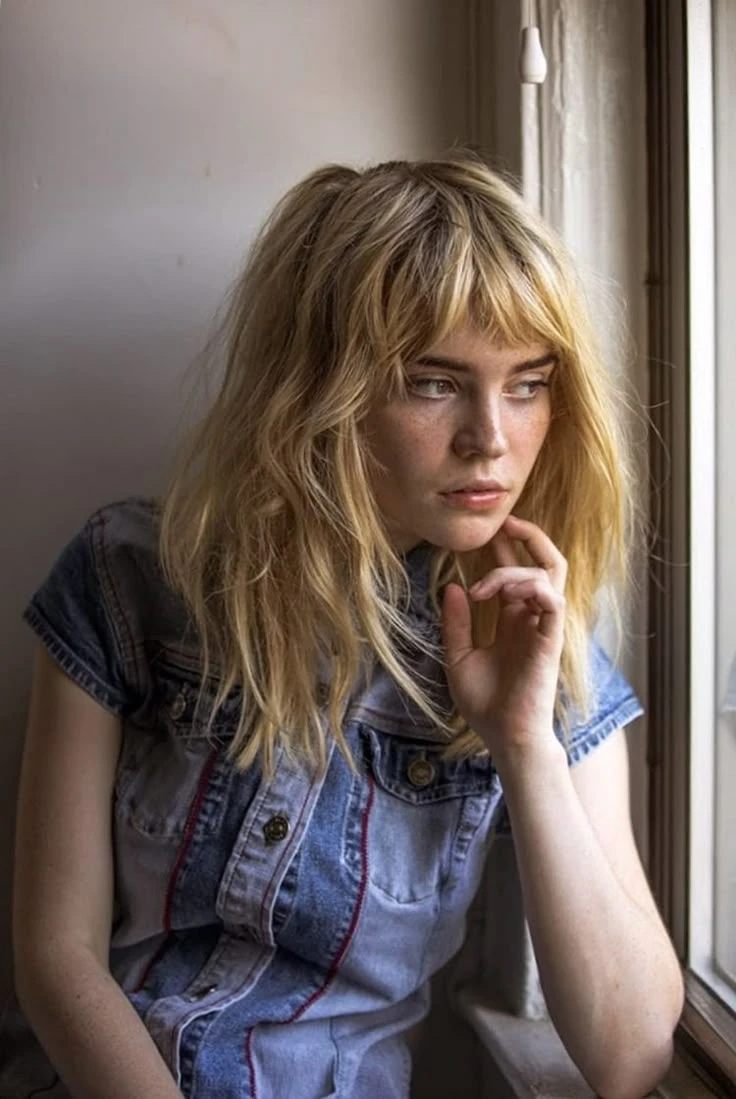
The French version, by contrast, accepts a looser finish. It can follow the natural movement of the hair and doesn’t need to be completely straight to look good.
To style it, you typically just direct it forward during drying and adjust the side strands. The goal isn’t a rigid shape, but to preserve its light, relaxed texture.
Requires less salon maintenance
Another advantage is that it grows in a more organic way. Since the sides are already longer and blend with the rest of the cut, the fringe maintains a flattering shape even as it loses its initial length.
Depending on the rate of hair growth and the desired effect, touch-ups can be spaced six to eight weeks apart. This makes it a practical option for those who want to try a fringe without being tied to overly frequent trips to the hair salon.
The ideal change to refresh your look without taking too big a risk
The French fringe transforms the area around the face, but it allows the rest of the cut to remain almost intact. That combination explains why it remains current and keeps coming back again and again.
It feels natural, adaptable, and carries that balance between polish and imperfection that makes a haircut look modern without losing its elegance. A small modification capable of giving the entire look a new intention.