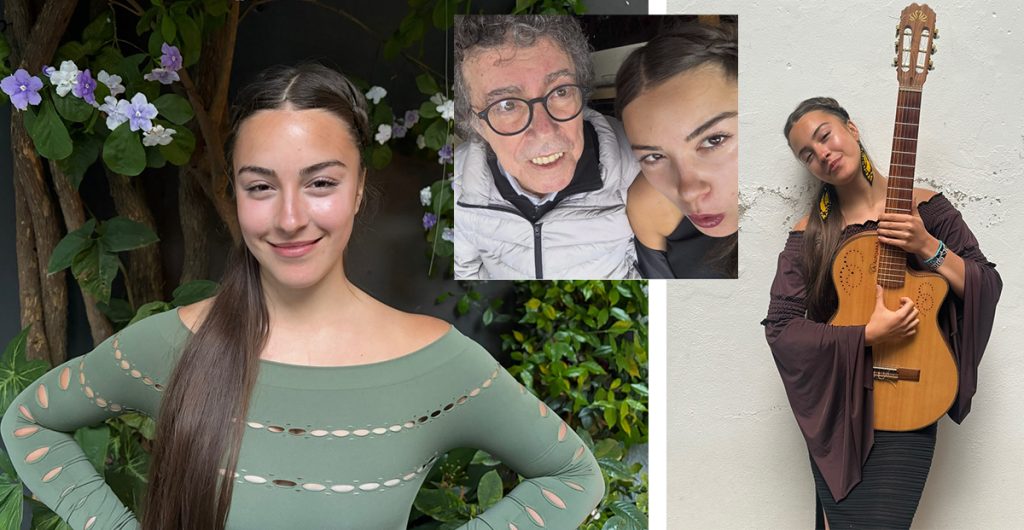
Being Piero’s daughter means carrying a surname linked to some of the most emblematic songs of Argentine popular music. For Fiorella De Benedictis, known professionally as Fiorel, it also entails the challenge of finding her own voice and forging a musical identity.
At 23, she is starting to shape that path after singing since childhood, eight years in the Coro de Niños del Teatro Colón, and exploring different genres until she found in the Argentine folklore a form of expression that connects with her emotions, her roots and her way of looking at the world.
Fiorella is daughter of the singer-songwriter and Mariana Schettini, his second wife, and has two siblings: Juan de Benedictis, 50, also a musician, and Giuliano, 24. Through Juan, she is aunt of Ámbar de Benedictis, Juana Viale’s daughter. In a family steeped in music, Fiorel seeks to build her own identity without renouncing that artistic and affective heritage.
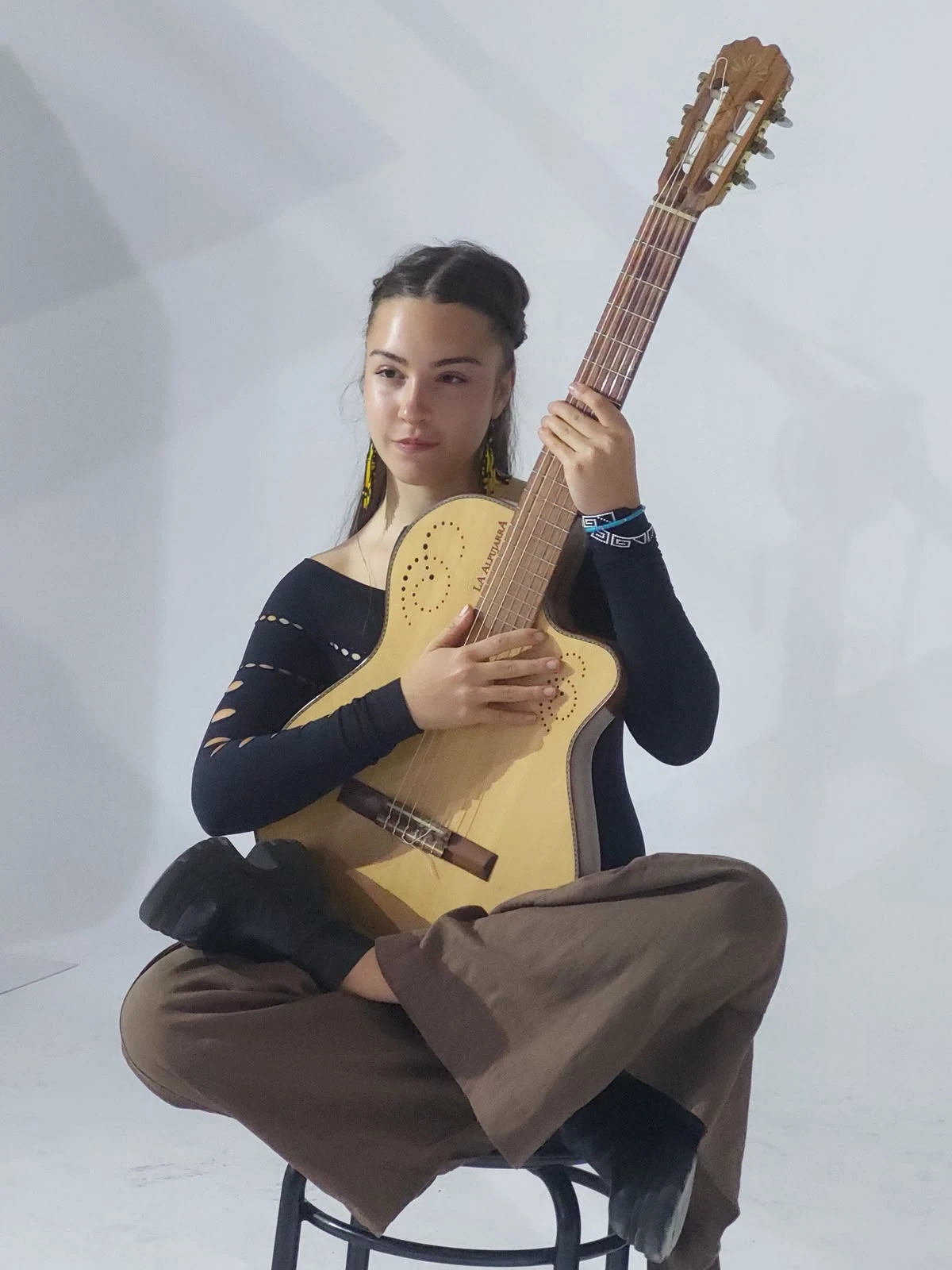
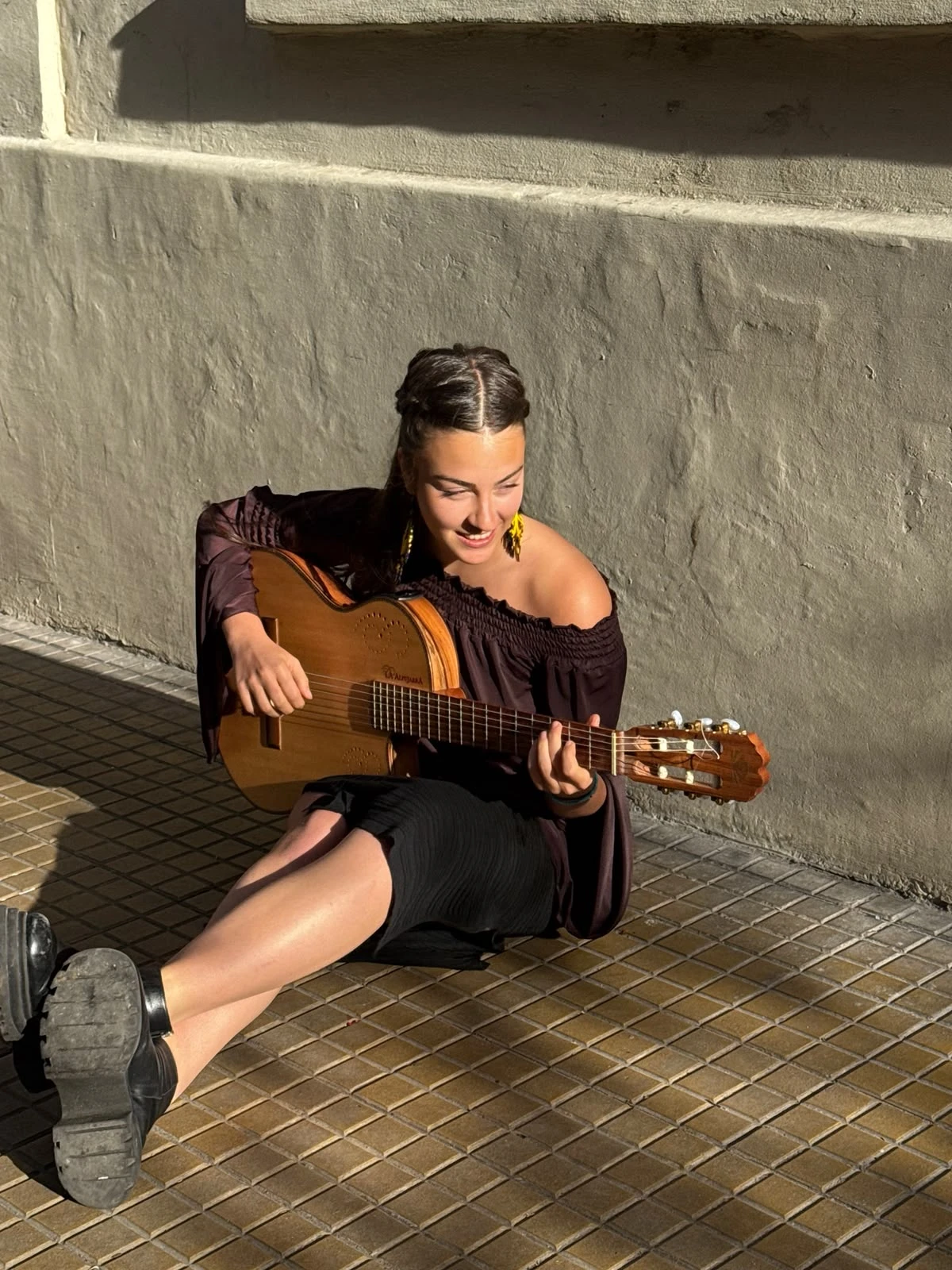
Today, that search takes shape in Crezco del viento, a project that blends folkloric tradition with poetry and improvisation. On Sunday, October 25, she will perform at La Carbonera, in San Telmo, alongside Sol Portillo, on winds, and Martín Quaglia, on guitar, under the production of Darío Arellano.
In a personal phase marked by the recent death of her father, the music also became a refuge and a way to feel him close. In conversation with Para Ti, Fiorel talks about her early steps as a singer, the teachings she received from Piero and the dreams she wants to fulfill with her own songs.
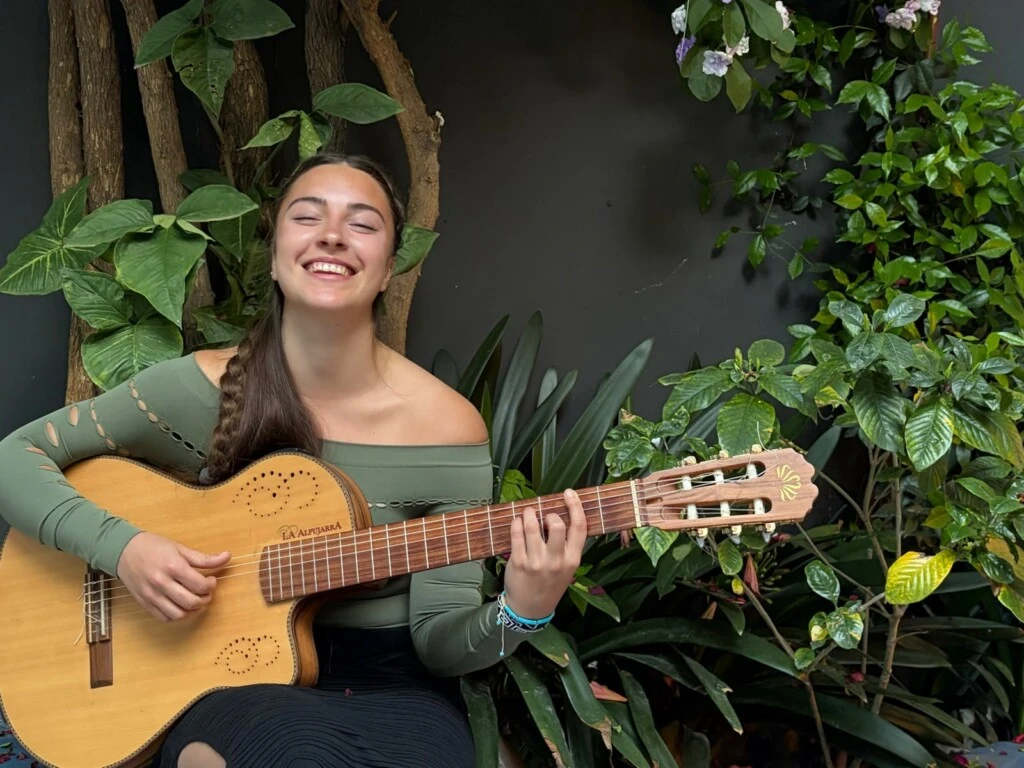
Fiorel and the path toward her own musical identity: “I Always Loved to Sing”
—You grew up in a family deeply connected to music and you are Piero’s daughter. At what moment did you feel you wanted to build your own artistic path and how did you find your identity as a singer?
—I have always loved singing. I recall that around eight years old I was up on the table all day with something I’d made into a microphone, singing. Thoughts like “it’s hard to make it in music” or “a musician will starve” already came to me. In a moment of clarity, one day I stopped one of those thoughts and told myself that if I didn’t dedicate myself to music, I would be a coward, because I loved singing with all my heart.
Soon after I joined the Coro de Niños del Teatro Colón, where I rehearsed almost every day for eight years and participated in operas, festivals and concerts. Later I began to steer toward popular music, which I had never stopped listening to, and enrolled in university to study it.
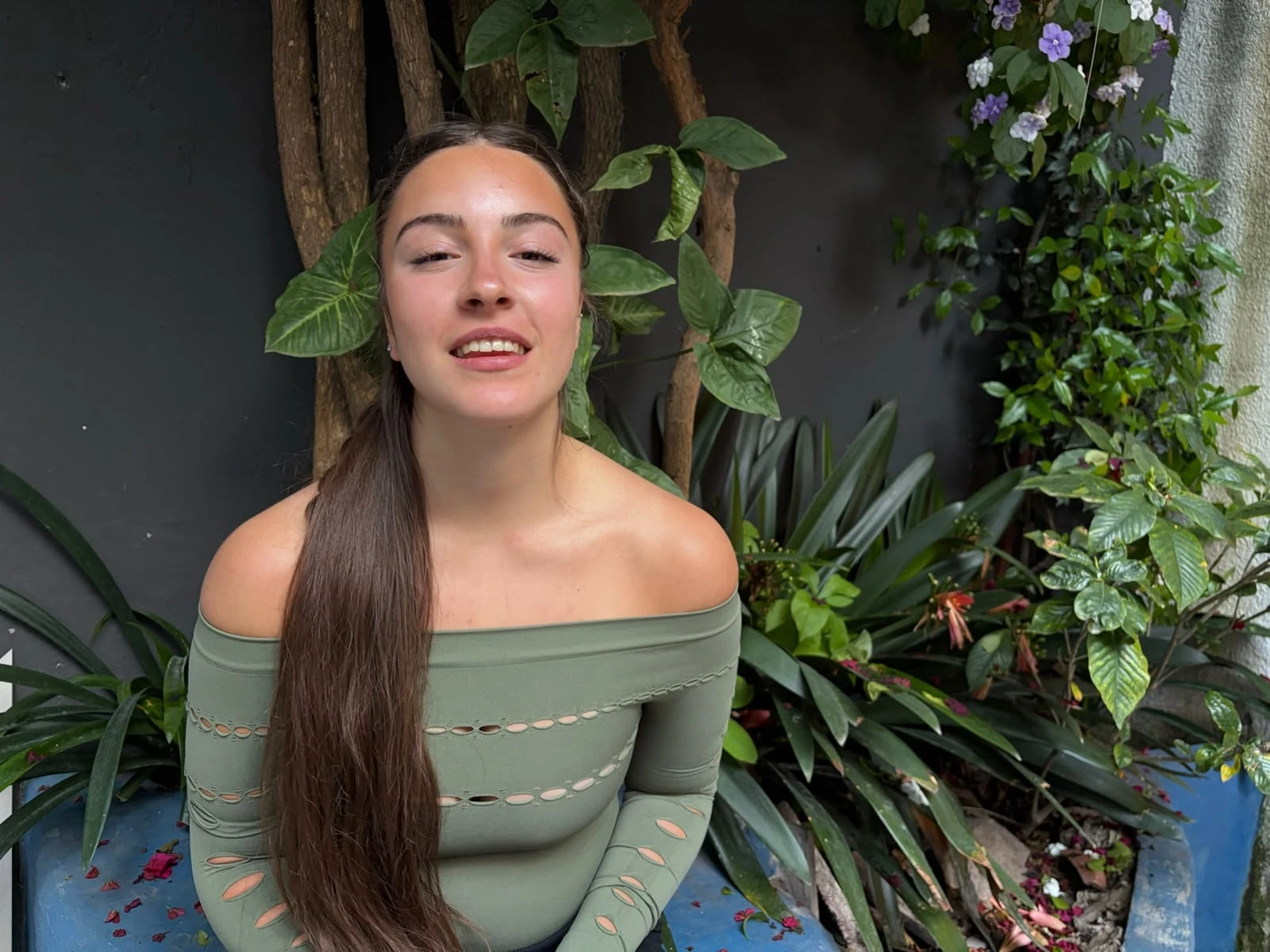
I always enjoyed many genres, but once I discovered the folklore it marked me definitively. One day I went to a tribute to the late Mercedes Sosa, which invited people to sing her songs, both to performers and to those who simply loved them and wanted to honor her with heart.
There I discovered something that went beyond form and aesthetics: a deep reason to sing and communicate with myself as well as with the surrounding environment. They are lyrics that have a lot to say about life, death, time, love, sorrow, distance, one’s homeland, the river and this whole thing of being alive.
“In folklore, this inseparable relationship we have with nature is noticeable”
—You went through different musical genres until you found a special connection with Argentine folklore. What did you discover in that music that made you feel it was your place?
—I derive a lot, a lot of pleasure when a feeling is named with the “right word”, as if it helps to channel it, to release it outward like spring. I also tend to be constantly listening to songs in search of the thought and reflection that emerge when listening.
In folklore this inseparable relationship with nature is notable, to which we owe existence and which is, at the same time, a poetic resource that allows touching the ineffable, making memory and inspiring a lot. Also, there is the guitarreada, which makes every gathering at a home an encounter with the other.
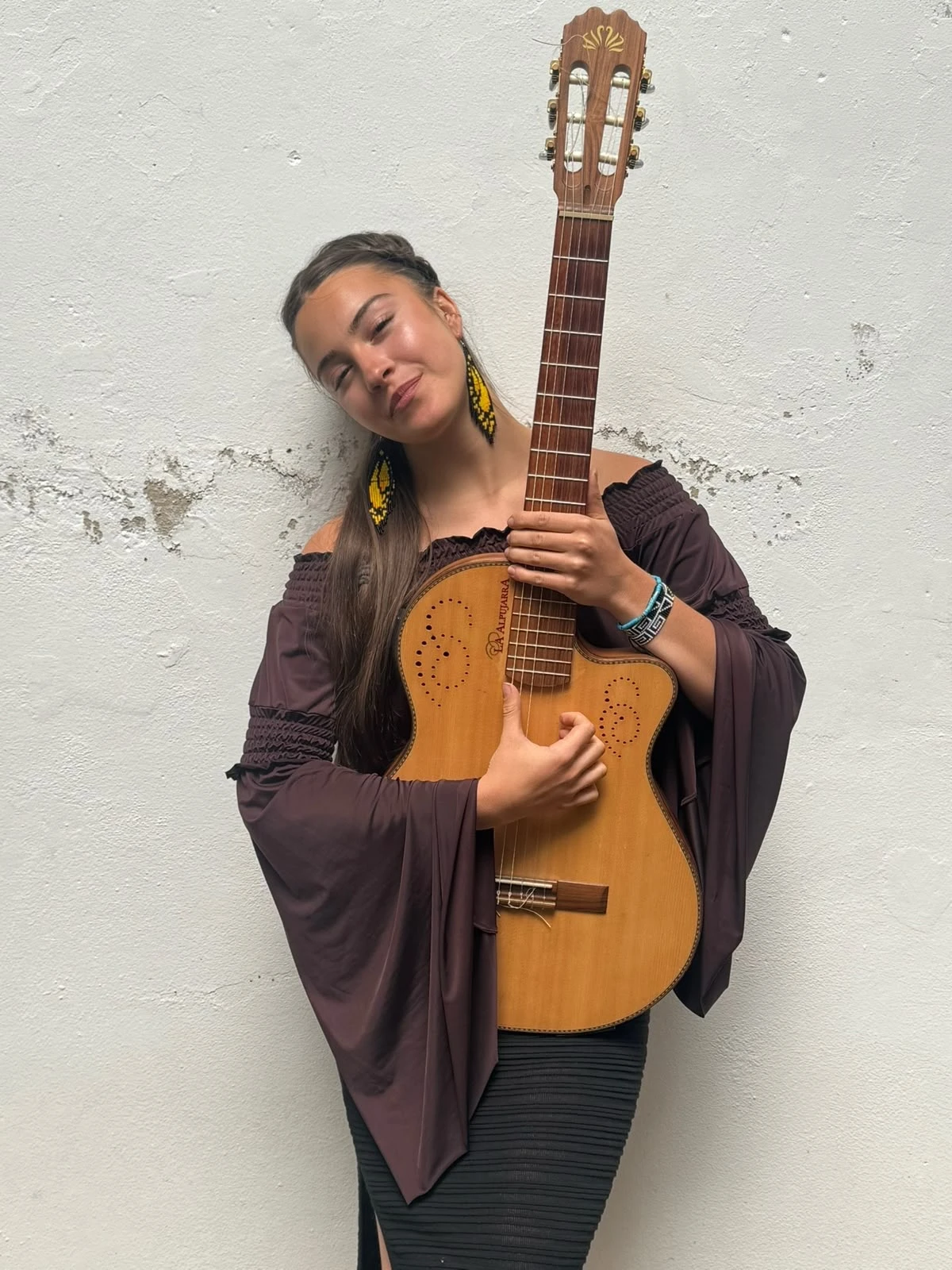
Crezco del viento, a project at the intersection of tradition and improvisation
—You are presenting Crezco del viento, a proposal that blends voice, winds, guitar and improvisation. How did this project arise and what would you like to convey to the audience?
—The project was born as my thesis. In June we did this same concert, but with many guests, conceived more as a showcase of Latin American folklore. While the concert I present now no longer has that format, it does aim to spark curiosity, invite us to reflection and let ourselves be carried by the beauty of this world.
The name surge from one of my songs, a kind of huayno, and seeks to name that sensation of adventure and risk that I feel when I push myself toward uncomfortable places in search of some desire or something that makes me grow. That same sensation I have when I sing these songs that, when played, already put you into that dynamic with a monte-like air and life, from the very place that nourishes and makes me grow.
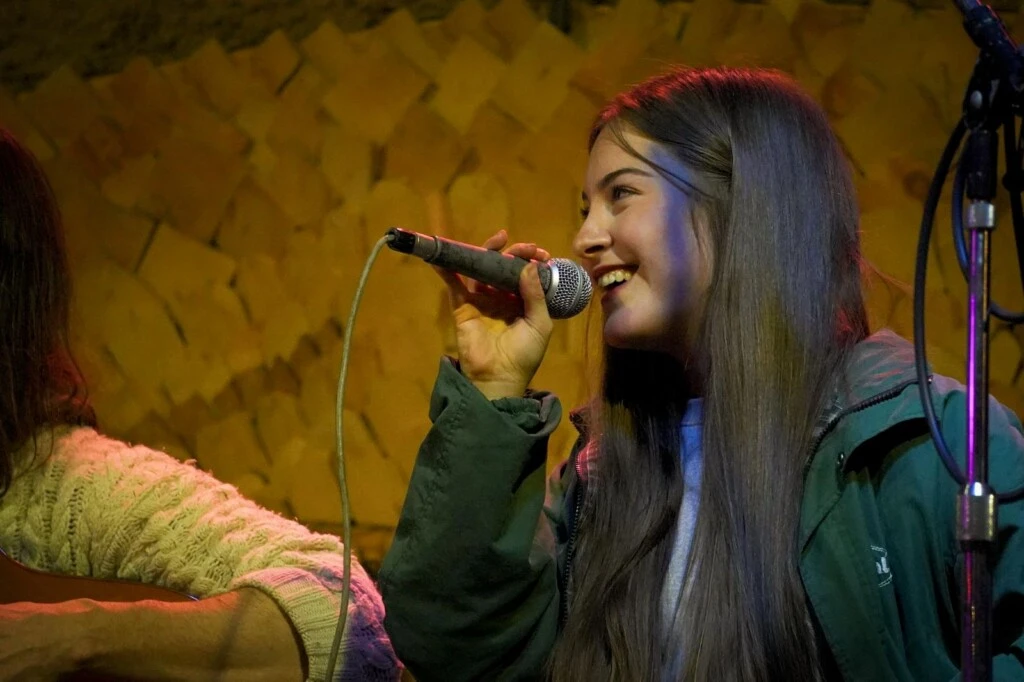
On October 25, at La Carbonera, we present ourselves as a trio of guitar, winds and voice, along with a surprise guest. Navigating through improvisation: although we rehearse the pieces a lot, there is a lot of difference between each performance, which gives us the freedom to make every interpretation unique. There, there is risk and there is wind, and we choose it deeply, because it allows us to have the necessary presence for that to live.
“The songs I seek to share are the ones that manage to connect us with our existence”
—Besides performing songs from the folklore repertoire, you are developing your own compositions. What stories or emotions are you interested in telling through your songs?
—The songs I seek to share are the ones that manage to connect us with our existence, that name things that happen to us so that thought, reflection and contemplation can surface.
Those songs that bring forth a sadness I didn’t know I had or to which I hadn’t given space; a feeling of gratitude, a new way of seeing something, a memory, an interesting image, a metaphor with which I feel identified or a laugh. Those are the kinds of things.
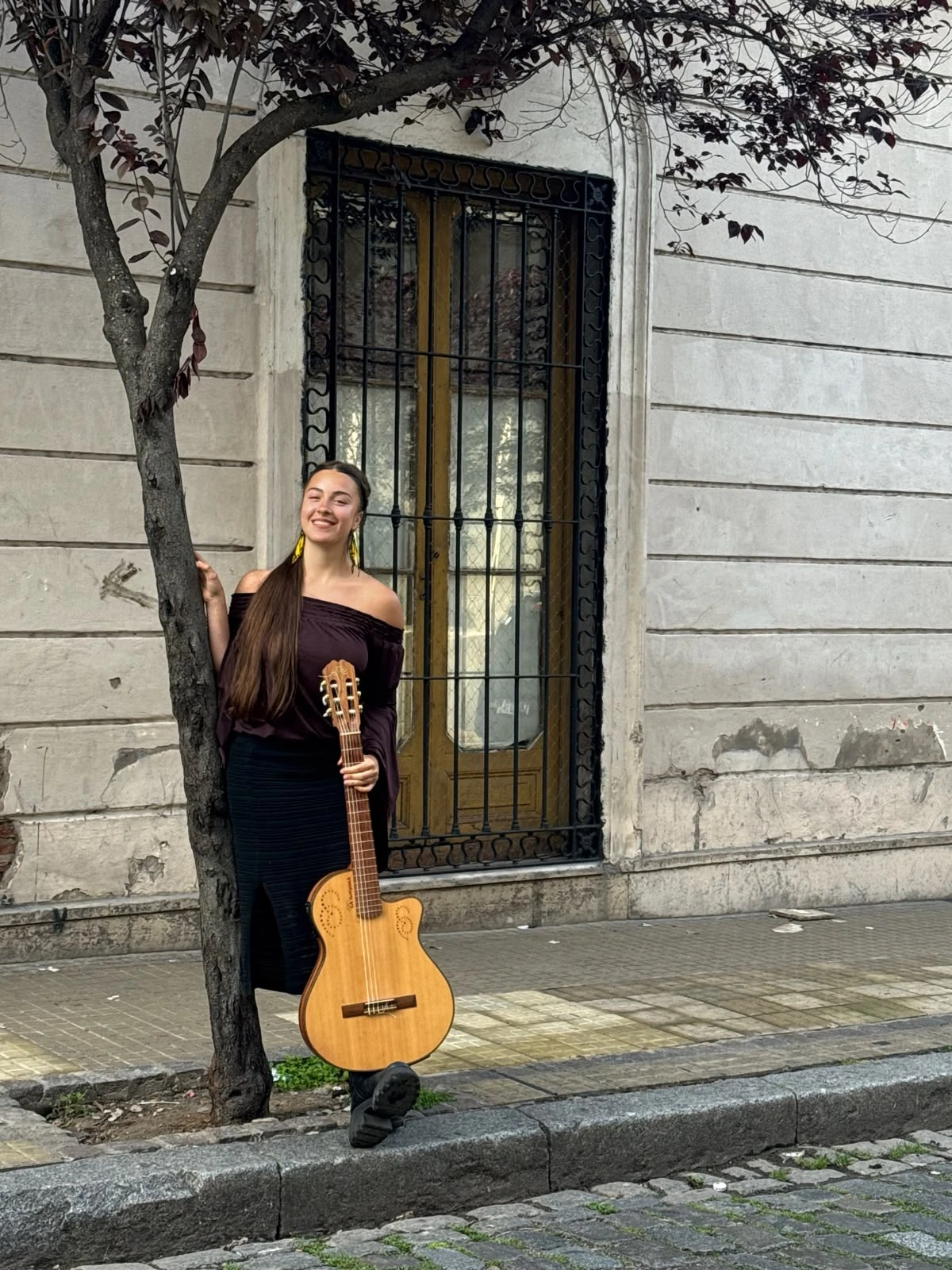
“Dad used to say that tenderness is the greatest thing, and I carry that in my heart too”
—Piero was a fundamental figure in Argentine popular music, but he was also your father. What memories or lessons from him do you feel accompany you today in your life and in your path as an artist?
—The old man taught me with his example, among other things, that you can put together beautiful things. His concerts were like a spiritual gathering to connect with the ordinary things that are life, family, loves, the desire to see one’s land grow and understand that starts with oneself and one’s actions.
The crowd was left completely moved by that encounter, so that seems very big to me and I plan to keep doing it: to take advantage of every encounter with others to communicate, to feel life amid so much numbness that’s circulating, to unite as a people and to grow with the other.
This desire to want to live life and do cool things, with how complex it is to channel that desire… I think he never stopped asking himself it and reproducing everything he saw that generated love and awareness. That is how he achieved a lot: he accompanied numerous contexts of war, of much violence, with his seed of peace; he bet on education and tenderness. Dad used to say that the greatest thing there is is tenderness, and I carry that in my heart as well.
“Music is a refuge, it is also an encounter with dad”
—In this moment that is so recent and painful, what place does music occupy for you? Do you feel it helps you navigate the mourning and that there are songs that today acquired a different meaning?
—Music is a refuge; it is also an encounter with dad. He left us so many songs that carry all of this I’ve mentioned; there is a song for every moment and, in his own way, with that simplicity of few words, it says everything. Through his songs I feel his company, his omnipresence, his wisdom.
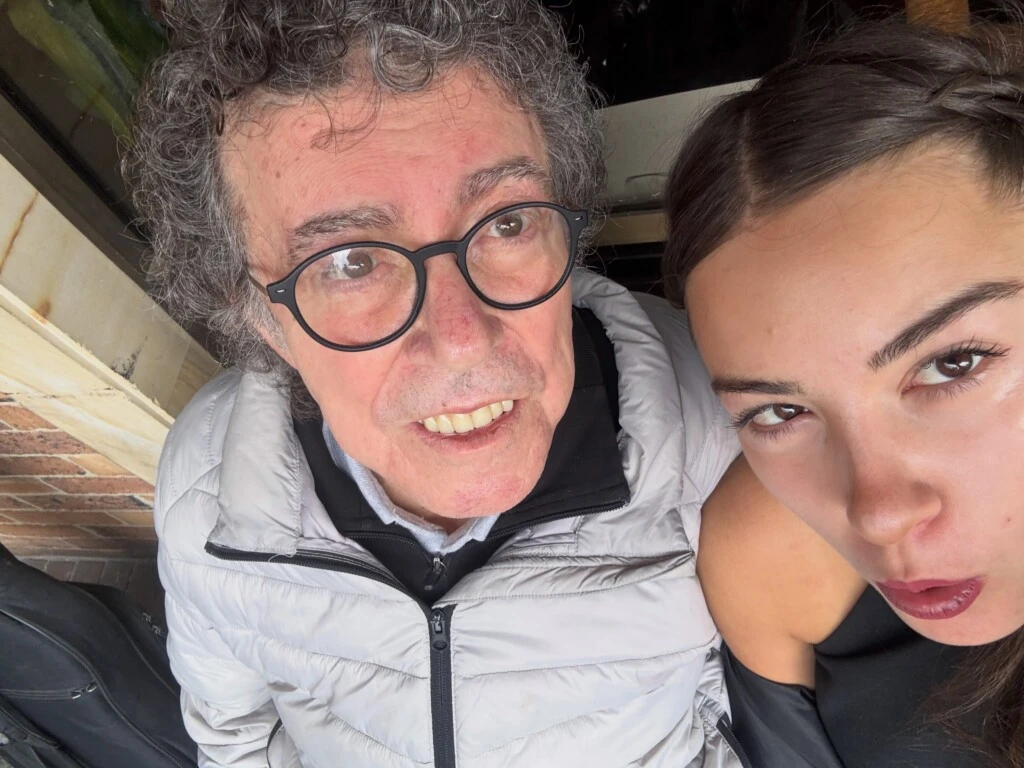
Songs like Otra vez cambio de casa, Y mi gente dónde va, Cómo somos, A mí me dieron el mar, Me declaro culpable and Que viva el gran amor become mantras. I sing them over and over. In addition, I will perform them both at this La Carbonera concert and at the tribute I will give on November 14 at the Teatro Santa María.
La familia y los sueños de Fiorel
—Your family history is also linked to Juan de Benedictis and Ámbar, one of his daughters, well known for being Juana Viale’s daughter. How do you live these ties and what place does family hold in your life, beyond music and public exposure?
—They are two essentials; both are people I adore and from whom I learn a lot by sharing. I feel a lot of harmony and every encounter becomes unforgettable, those conversations you exit knowing yourself a little more.
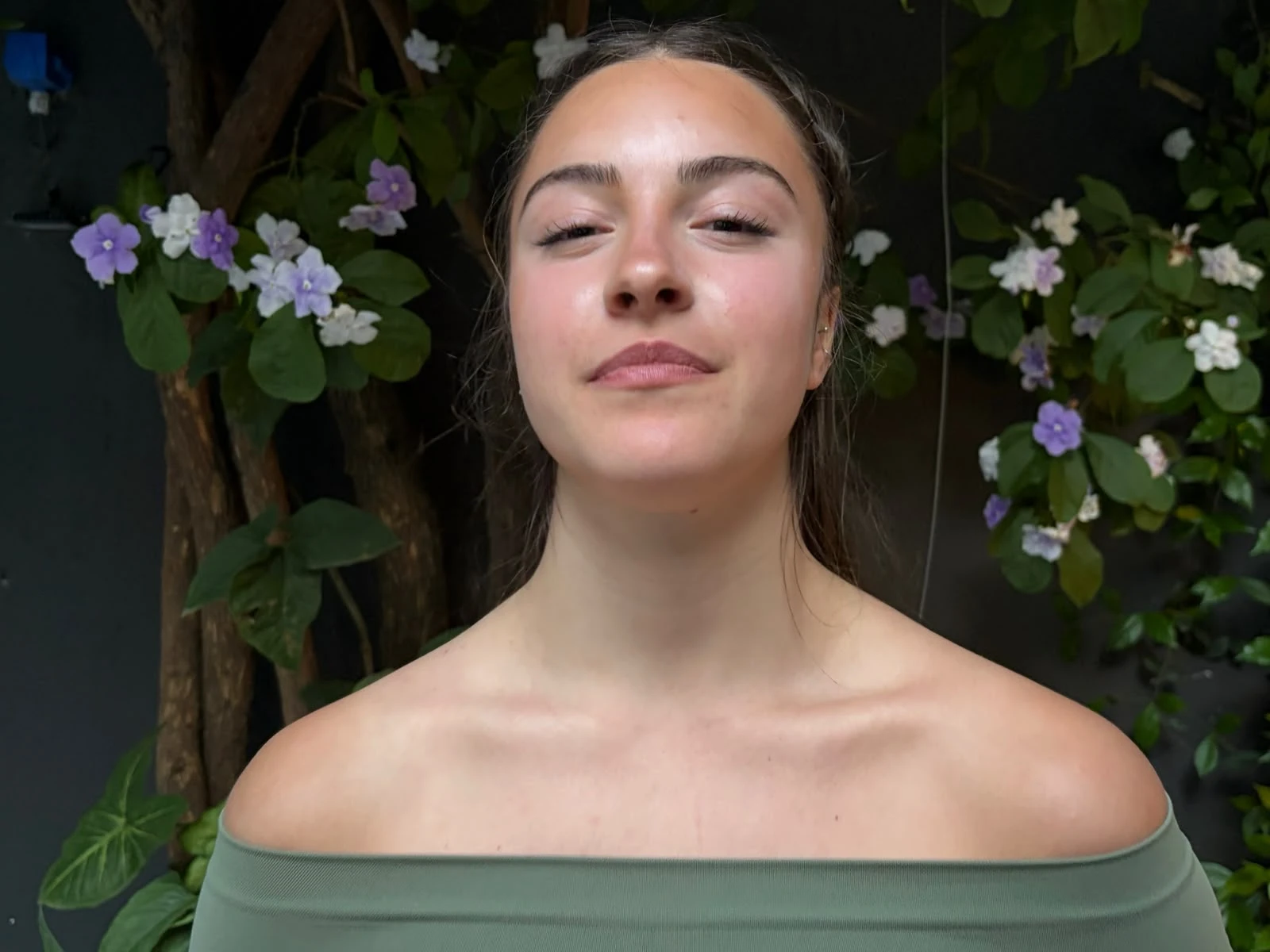
—In this new phase, with your project as Fiorel and your own songs, what dreams would you like to fulfill and how do you imagine the path that is beginning to open up for you?
—I want to travel to many places, get to know cultures to keep learning, generate reflection, love, enjoyment and a lot of music for the soul.