
In the framework of the International Day of Women Entrepreneurs, which is celebrated every November 19, the challenges of launching one’s own project return to the center stage. Starting a venture in Argentina involves much more than having a good idea: it requires planning, the ability to adapt to changes, and tools to sustain a business in a complex economic context.
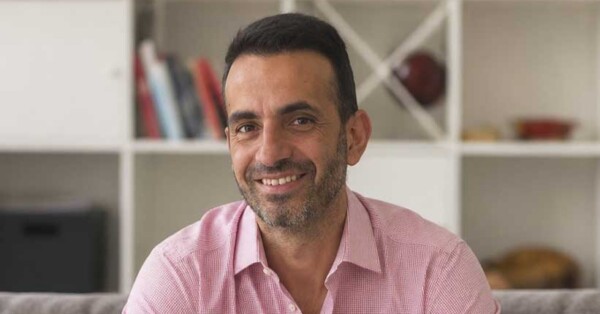
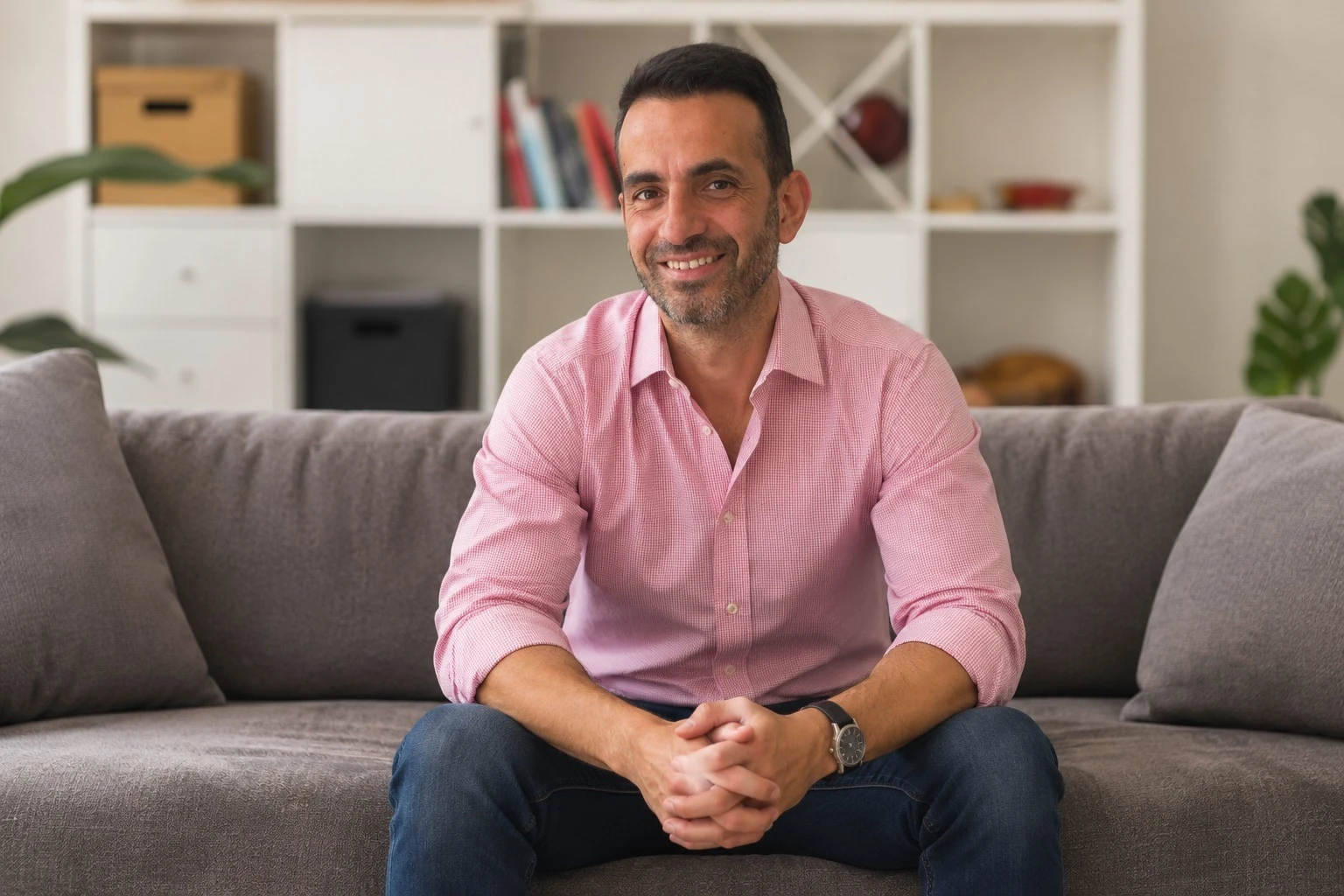
To understand what the main barriers facing women entrepreneurs are, which mistakes to avoid, and how to take the first steps without risking too much capital, Para Ti spoke with Fabián Canoni, a licensed administrator from UBA, an ontological coach and a specialist in economic and financial planning for SMEs. In this interview, he shares his perspective and offers advice to transform an idea into a sustainable project.
The challenges of entrepreneurship in Argentina
–What are the main challenges or barriers women face when starting a business?
-Starting a business in Argentina is an economic roller coaster. The tax burden is complex, there is high volatility, and access to formal credit is limited.
A this adds the so-called “invisible backpack”: the double burden and the disparity in the distribution of caregiving and domestic tasks, which still fall largely on women.
Therefore, the big challenge isn’t only technical or financial. It also involves learning to design flexible business structures and building support networks that prevent personal collapse. It’s about being able to sustain the project without neglecting well-being and surrounding yourself with a support network to avoid burning out in the effort.

“What matters is the willingness to learn and the courage to ask for help”
–Which competencies or skills are key to entrepreneurship?
-You need a virtuoso mix between hard management and soft development: a cool head and a resilient heart.
From the administration perspective, the fundamentals include strategic vision, the ability to interpret basic numbers —such as cash flow and costs—, process management and, above all, organization.
On the other hand, a great emotional resilience to navigate uncertainty, the ability to reinvent oneself when things change, and clarity to communicate what one does are required.
Also important are tolerance for frustration, adaptability to respond to changing scenarios, and the assertive communication to negotiate, lead, and sell.
None of these skills are born perfect. The secret lies in self-management and a constant openness to learning. The important thing is to want to learn and have the courage to ask for help when it is needed.
Biases and the most common mistakes
–How does gender influence presenting a project to investors or financial institutions?
-There are still many unconscious biases. Men are often pressed with questions about growth and expansion, while women are scrutinized for risks, how they will avoid losses, and which strategies they have to mitigate them.
This leads many women entrepreneurs to adopt defensive postures. The best way to face it is with concrete data: prepare a professional project, with clear numbers, real goals, and solid financial projections that allow one to set aside any stereotypes.
“This is how you fall into the trap of ‘selling a lot, but earning little'”
–What are the most recurring mistakes you see in women entrepreneurs in their early stages?
-The most common administrative error is not calculating costs properly or including one’s own salary. This leads to the trap of “selling a lot, but earning little”, or the sensation of “I work a ton, but I don’t see money.”
Another obstacle is perfectionism, which can paralyze us. We want the brand, the website, and the storefront to be perfect, with everything impeccable before going to market.
However, from a professional approach, the recommended path is to launch quickly with a Product Mínimo Viable (PMV): to launch a simple version of the product or service, make cheap mistakes, listen to the user, and improve based on real evidence.
How to start a business without risking all your savings
–What are the first steps to define a solid business model without risking too much capital?
-The journey requires less theory and more action. The first step is to be very clear about who we are talking to and what real problem we are solving: who is our client and what specific need can we address.
Next, we must verify whether that person truly wants our product or service and if they are willing to pay for it. It’s important to validate interest before investing all savings in an idea that hasn’t yet been tested in the market.
A good tool is to build a Minimum Viable Product: a simplified version of the product or service that allows testing demand at the lowest possible cost.
“The biggest brake is usually in the head”
–How does one prepare the ground to move from a one-person business to forming and delegating to a trusted team?
-The leap from self-employment to a company requires administrative order. The first step is to document processes: map each task and write a manual or step-by-step guide that explains how it’s done.
However, the biggest brake is often in the head. The main obstacle is mental: letting go of control and overcoming the myth of “if I don’t do it, it won’t come out well.”
Preparing involves clearly defining what roles are needed, finding people who share the project’s values and who have the necessary technical abilities, and establishing goals and performance metrics so that everyone knows where we’re headed.
How to overcome the fear of starting a business
–What three pieces of advice would you give to a woman who today feels fear or uncertainty about taking the first step?
-First, understand that fear cannot be hidden: it must be faced and can be used as fuel. Feeling afraid is normal, because it means you care about what you are doing. You must recognize it as part of the process and keep moving forward, even if only with small daily steps, stepping out of your comfort zone to pursue your own dreams.
Second, don’t wait for the ideal moment. Absolute security does not exist: those who embark create themselves by testing, measuring, making mistakes, and adjusting along the way. Each error is not a failure, but valuable information the market provides to do better next time.
And third, don’t walk alone: “join a tribe”. It’s important to connect with consultants, coaches and women’s communities that are in the same wavelength. Surround yourself with peers who push you and challenge you in a healthy way, and with role models who inspire and remind you why you started this journey.
Fabián Canoni is a Bachelor in Administration from UBA. Ontological Coach. Specialist in Economic and Financial Planning for SMEs. https://www.instagram.com/fabiancanoni/