
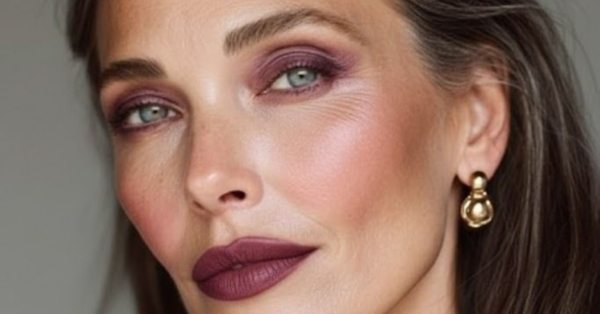
What if the secret to making your eyes look brighter isn’t a complicated technique, but simply choosing the right shade of eyeshadow? That’s what eye maxxing is about, a trend that went viral on TikTok and that suggests looking at the iris’s natural hue to find makeup colors that can make it stand out.
The name sounds fresh and very social-media-driven, but the concept isn’t new. Behind eye maxxing lies a tool makeup artists have known for years: color theory. The idea is to exploit the contrast between tones to make certain eye tones appear more intense.
And there’s an important point: it isn’t about there being a single “correct” color for everyone. It isn’t about always applying the shade opposite your iris either. The game is to discover which undertones you want to highlight and to choose shadows, liners, or mascara that help bring them to the foreground.
What is eye maxxing?
The term comes from social networks and borrows the concept of maxxing, used to discuss different ways of boosting a personal trait. In this case, the focus is on the gaze.
The method starts with a simple question: What colors make my iris look more defined, luminous, or intense?
To answer it, the color wheel comes into play. Complementary colors are those that are opposite each other and create a strong contrast when paired. In makeup, that contrast can help certain natural shades of the eye become more visible.
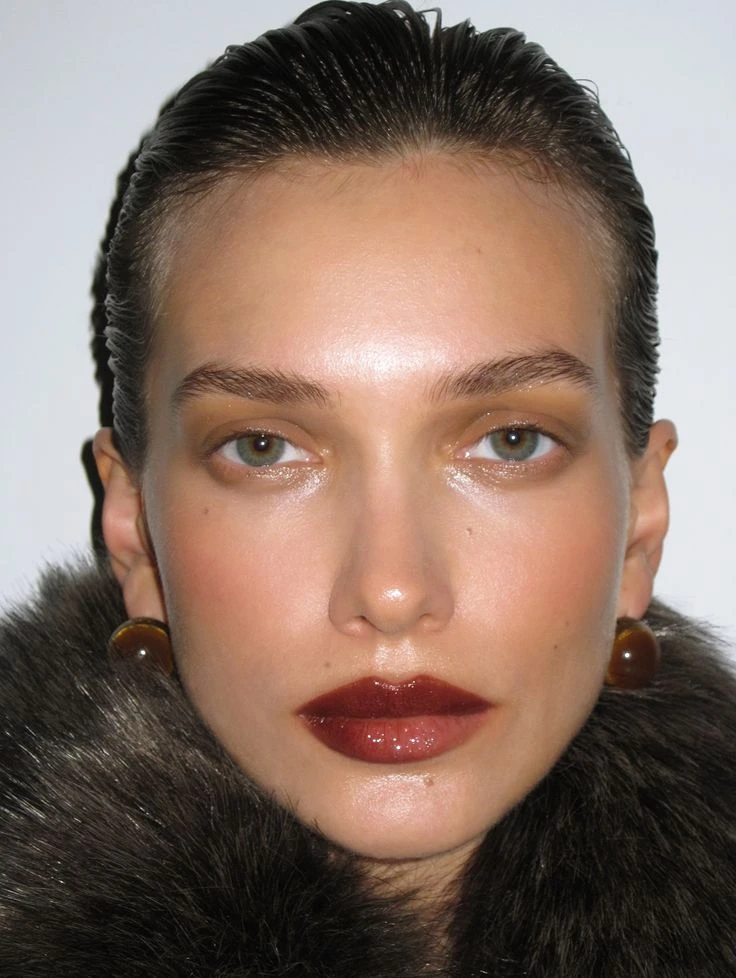
Therefore, if you have blue eyes, you don’t necessarily need an orange shadow to apply the technique. A copper, bronze, or warm brown can achieve a similar effect, but in a much easier-to-wear way.
Blue eyes: the moment for warm tones
Blue eyes tend to stand out particularly with copper, bronze, terracotta, caramel, and warm browns.
The explanation lies in contrast: orange and reddish tones sit opposite blues on the color wheel. You don’t need to wear them heavily. A copper-brown liner, a bronze eyeshadow on the lid, or just a touch of terracotta on the outer corner can be enough.
If you prefer a softer makeup look, you can also try a warm beige or a brown with an orange undertone.
Green eyes: plum, burgundy, and mauve
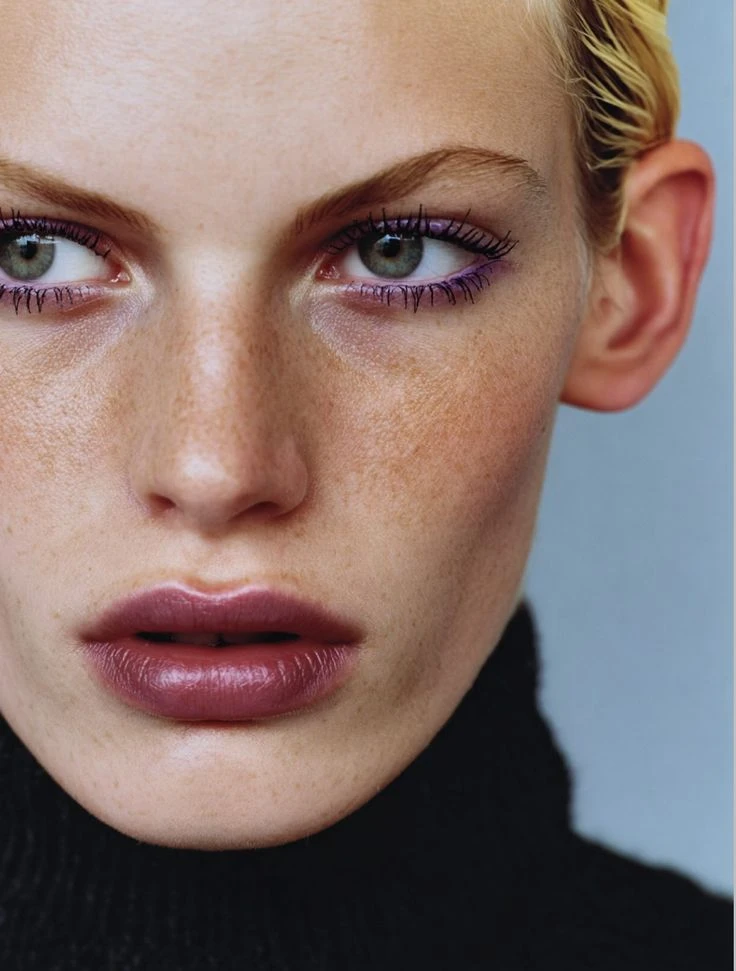
With green eyes, the palette tilts toward tones with reddish or purplish components.
Plum, burgundy, mauve, berry, old rose and some copper can create a lovely contrast and make the green of the iris appear more intense.
An easy option for everyday wear is to use a plum eyeliner instead of the classic black. The result keeps the eye definition but adds a touch of color that can make the eyes pop much more.
Brown eyes: an almost infinite palette
Here the game becomes even more interesting because brown can have different undertones: golden, honey, coppery, greens, or even subtle darker veins.
Therefore, brown eyes allow experimentation with violets, plums, greens, golds, bronzes, and copper tones.
If your eyes have golden flecks, a champagne or golden shadow can bring them to the forefront. If you want to create contrast, try a deep violet or an olive green.
And you don’t have to pick a single color. A combo of bronze on the lid and plum on the lash line can add depth without making the makeup too intense.
Hazel eyes: pick the undertone you want to highlight
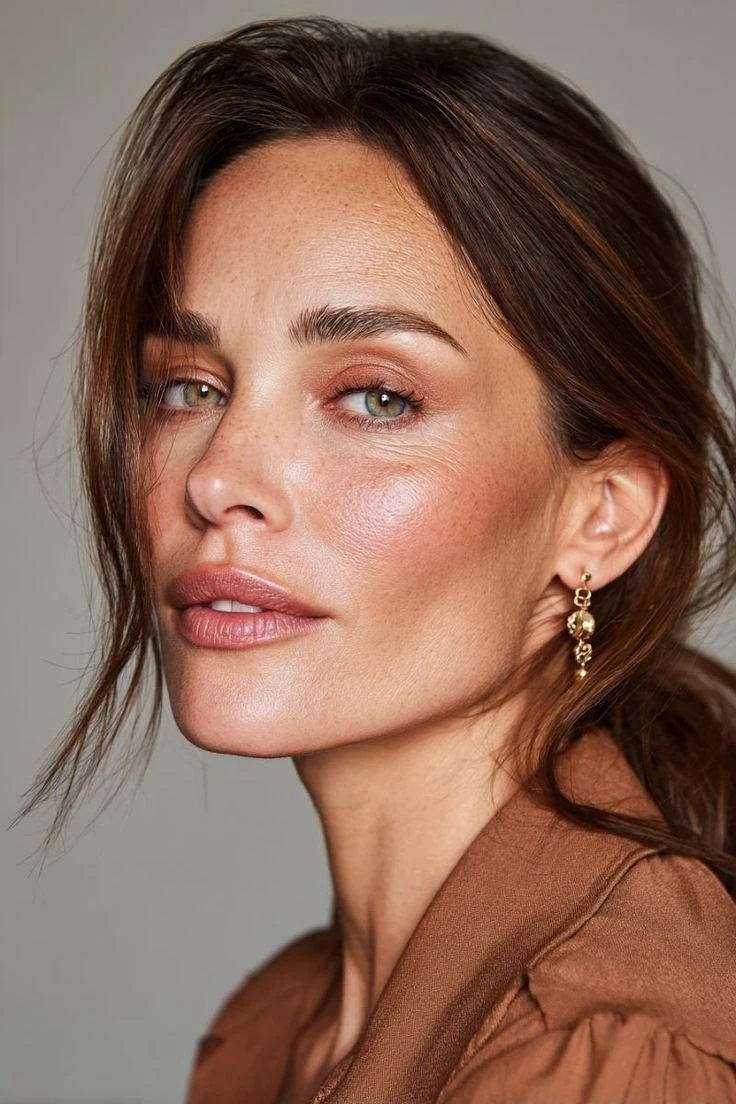
Hazel eyes are perhaps the clearest demonstration of what eye maxxing is really about: the same iris can look very different depending on the colors surrounding it.
If you want to emphasize green flecks, try mauves, plums, or burgundies. To bring out honey and gold tones, copper, bronzes, and golds work very well.
The key is to observe your own iris under natural light and notice which colors appear. From there, makeup can function almost like an amplifier.
Eye maxxing has also reached mascara
The trend isn’t limited to eyeshadows. One of the easiest ways to try it is, even if only occasionally, to swap the black mascara for a colored one.
Brown, burgundy, navy blue, plum, or green can add definition without hardening the gaze and, at the same time, complement the iris’s natural tone. The idea of choosing mascara according to color theory has also gained space in beauty conversations around eye maxxing.
A dark blue mascara, for example, can accompany blue eyes in a subtler way than an orange shadow. For green eyes, a burgundy mascara can be an interesting alternative to black.
The trick isn’t to change your eyes: it’s to make them the protagonists
Beyond the viral name, eye maxxing revisits a fairly simple idea: makeup can work with what you already have, rather than trying to transform it.
There isn’t a mandatory color for every iris nor a formula that works exactly the same for everyone. The beauty lies in trying different combinations, watching which hues appear, and choosing the ones you like the most.
Because in the end, the best shade isn’t necessarily the one dictated by a color chart: it’s the shade that makes your eyes the first thing you see when you look in the mirror.