
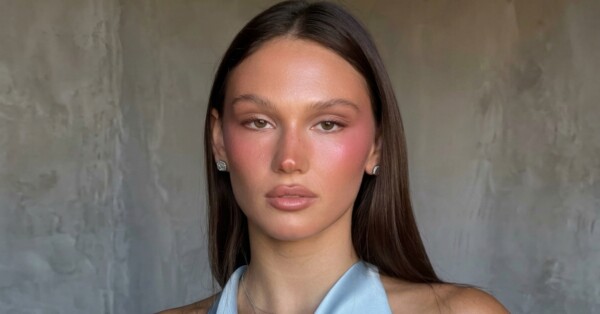
The world of makeup is undergoing a moment of transformation in which practicality and freshness guide every choice. Routines loaded with dense layers and rigid structures have been left behind to make way for concepts that celebrate the naturalness of the skin, strategic luminosity, and playful ease with color.
This season, the proposition balances between two major forces: on one side, ultra-hydrated faces with juicy finishes that convey vitality; on the other, a nostalgic revival of eye color that recaptures the bold spirit of past decades. The key to this new paradigm lies in the harmonious coexistence between a light canvas and well-defined pops of color.
1. The dewy skin as the main canvas: how is it achieved?
The skin is the starting point. After several eras dominated by heavy matte finishes, the trend decidedly leans toward a fresh, hydrated, and juicy-looking appearance (dewy). The current goal focuses on appreciating skin in its real state through lightweight textures. Although for nighttime looks you can subtly mattify a strategic area, the general rule points to ultra-hydrated skin, visible freckles, and a beachy vibe.
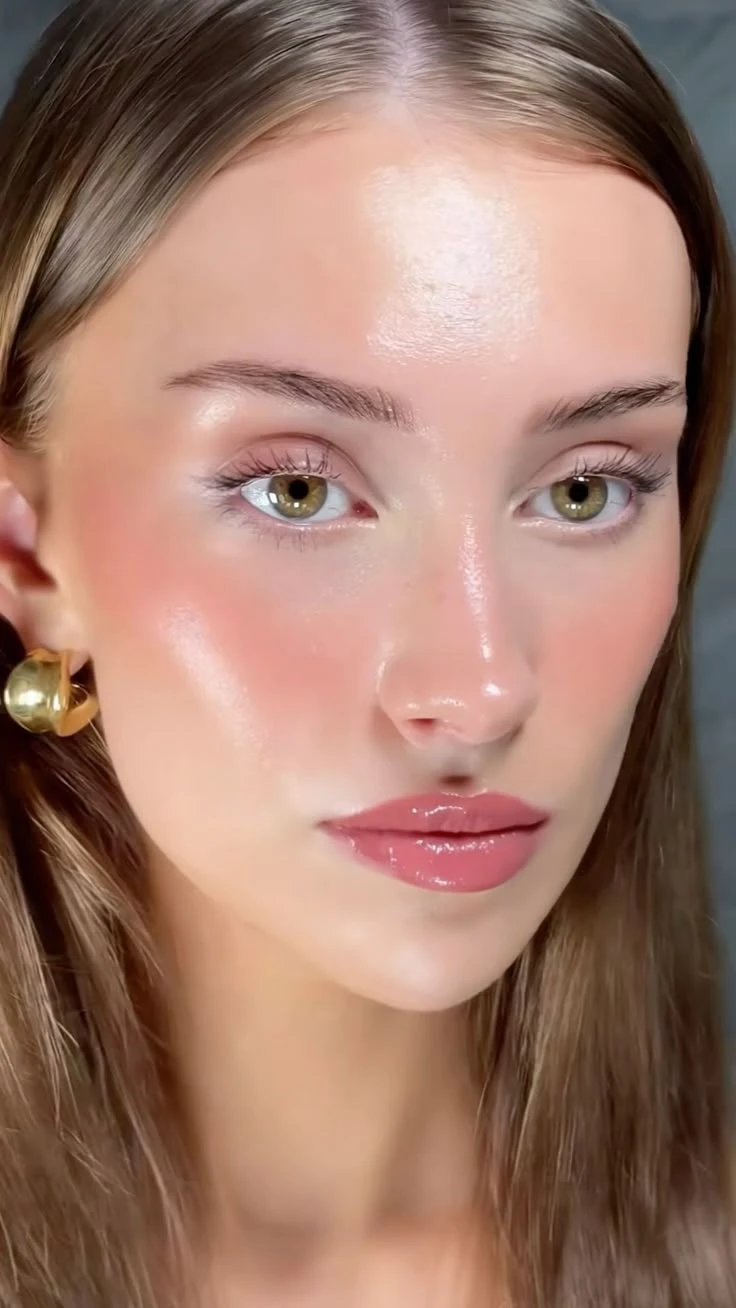
Step-by-step guide to achieve the dewy effect:
- Hydration-focused skincare: Preparation is the key to the result. It is essential to apply serums with hyaluronic acid and lightweight gel-textured moisturizers so the skin drinks water before makeup.
- Lightweight foundations or tinted moisturizers: Replace dense foundations with color-tinted products, skin tints, or color-tinted sunscreens. The aim is to even out the tone without concealing the skin’s natural texture.
- Strategic highlight points: Apply liquid or cream highlighters only on the high points of the face (cheekbones, bridge of the nose, and Cupid’s bow) to simulate natural light.
- Selective setting: Use finely milled translucent powder only in areas with unwanted shine (such as the T-zone) and seal the rest of the face with hydrating setting mists.
2. The blush as the star of the face
On that luminous, fresh base, blush takes the lead role in sculpting the features, shifting away from the traditional contouring of pronounced shadows.
On one hand, under-eye blush, a technique of Eastern origin that places pigment just beneath the eyes to achieve a natural, soft, rested rosy look.
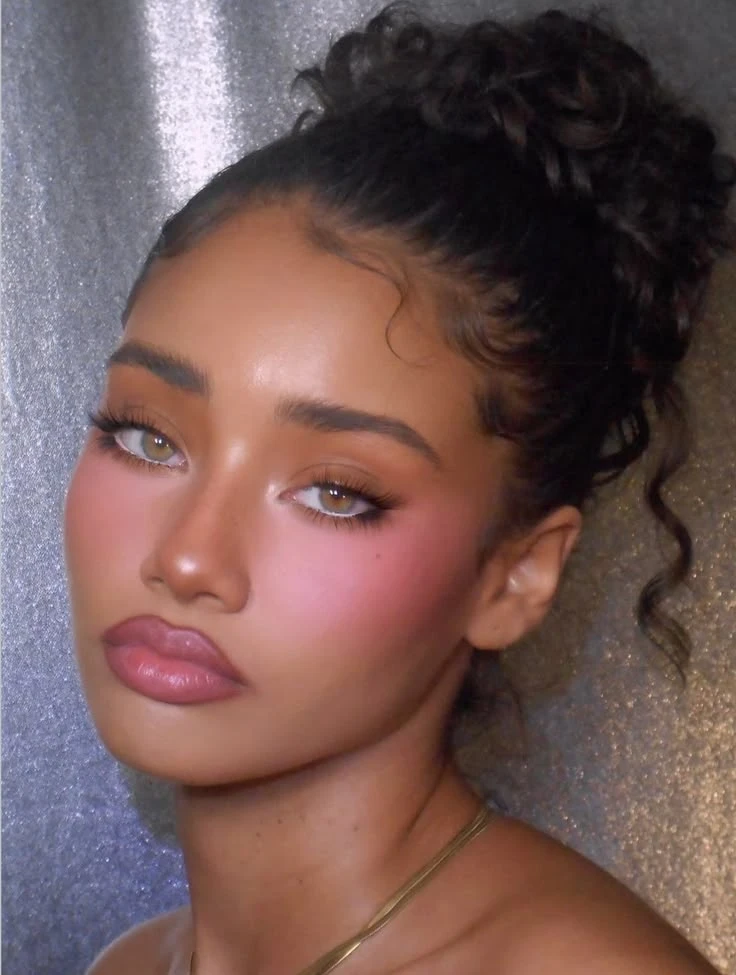
On the other hand, there is a pursuit of the “beach-ready” effect: an all-encompassing application where the pigment isn’t limited to the cheeks but softly extends toward the temples and crosses the bridge of the nose. In everyday use, this technique replaces heavy contouring, delivering instant warmth. The prevailing palette spans soft terracottas, toasted corals, and warm golds in cream, gloss, or stick formats.
3. The return of color: pastel shadows and a nod to the eighties
To break the face’s neutrality, the gaze returns to being loaded with color, with a clear nod to the aesthetics of the 1980s and late 1990s.
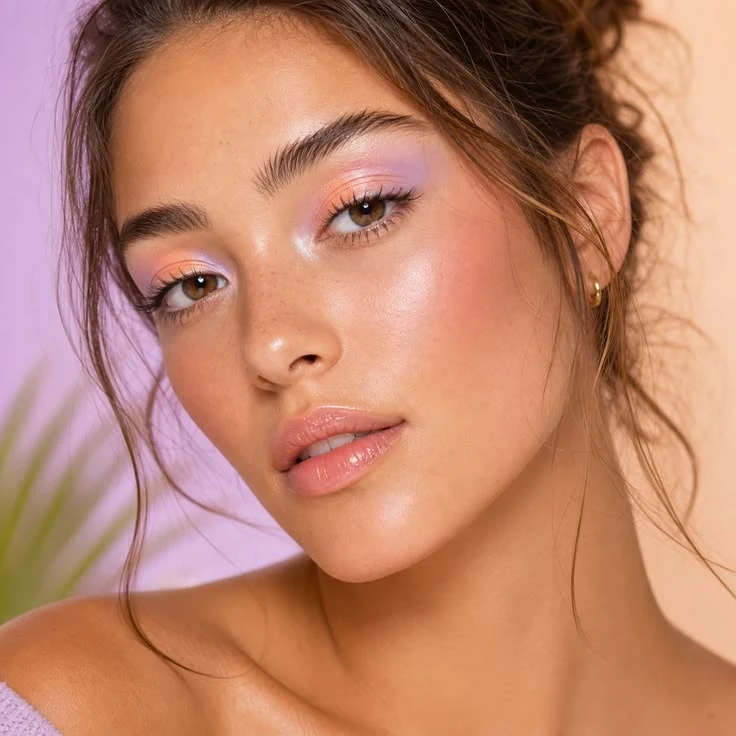
The most representative example of this trend came recently from Zendaya. At Prada’s presentation, the actress complemented her new pixie cut with makeup focused on a lilac-toned wisteria matte shadow on the lids, paired with brushed-up brows, a bright pink blush on the cheeks, and lips in mauve/brown.
This combination shows how pastel tones (lilac, fuchsias, and purples) in satin or matte textures can be incorporated over a fresh skin canvas without overloading the face, delivering an editorial, feminine, and very modern touch.
4. Versatile formats for everyday wear
The key to adopting these trends lies in the smart selection of formulas:
- For the face: Priority is given to creamy, liquid, or stick products, as they melt easily with the fingers and maintain the skin’s natural moisture throughout the day.
- For the eyes: Compact color-block eyeshadows or quick-setting cream alternatives allow you to build the desired intensity to transition from a day look to a night look without hassle.