
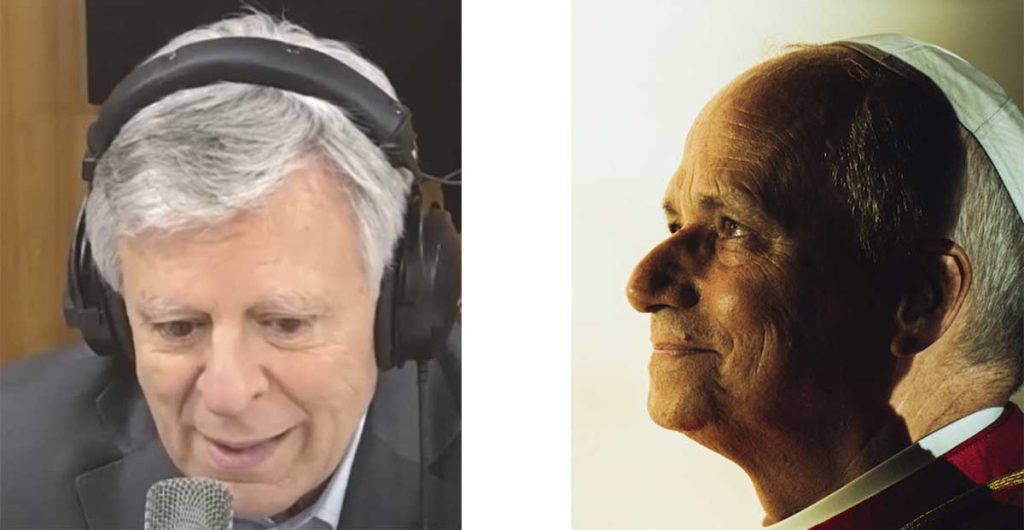
The physical condition of Pope Leo XIV during the four days of his visit to Argentina surprised many. At 71, and just weeks after undergoing a lung operation, the pontiff carried out an intense schedule, with activities and meetings, without pausing for a moment. How did he recover so quickly and face such a demanding display? Daniel López Rosetti addressed the topic on FM 100 and explained which physical conditions favored his progression.
The doctor highlighted three aspects: the Pope’s good pulmonary reserve, the fitness he had achieved thanks to sports, and a solid muscle mass. He also emphasized the patient’s attitude and the importance of morale during recovery.
Leo XIV was operated on October 13 at the Gemelli Polyclinic in Rome. During the procedure, surgeons removed the lower lobe of the right lung. The operation proceeded without complications and the Pope was discharged from hospital on October 17. Later studies confirmed that it was a localized pulmonary adenocarcinoma that did not require additional treatment.
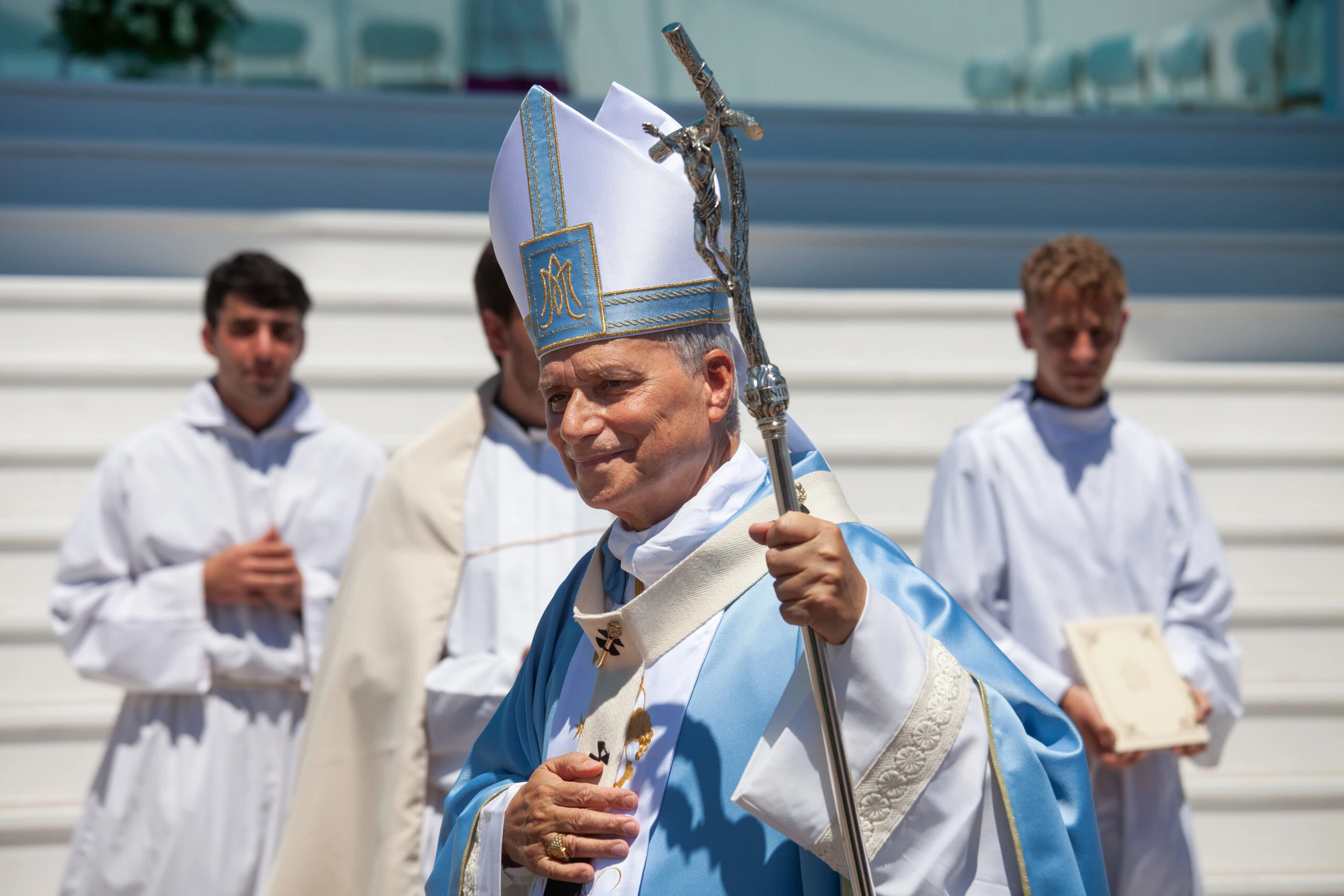
Pulmonary reserve, one of the keys to Pope Leo XIV’s recovery
López Rosetti explained that the pontiff had a good physical condition before surgery, something that proved important to face a procedure of that nature.
To illustrate what that means, he used a simple comparison: he explained that the right lung is divided into three lobes, as if it were a three-story building. In the Pope’s case, the doctors removed the lower lobe completely.
According to his account, initially, a small portion of lung tissue was being considered for removal, but ultimately, based on the studies and what they observed during the operation, the surgeons decided to remove a larger part. That resection, he estimated, represents a loss of respiratory capacity of no less than 14%.
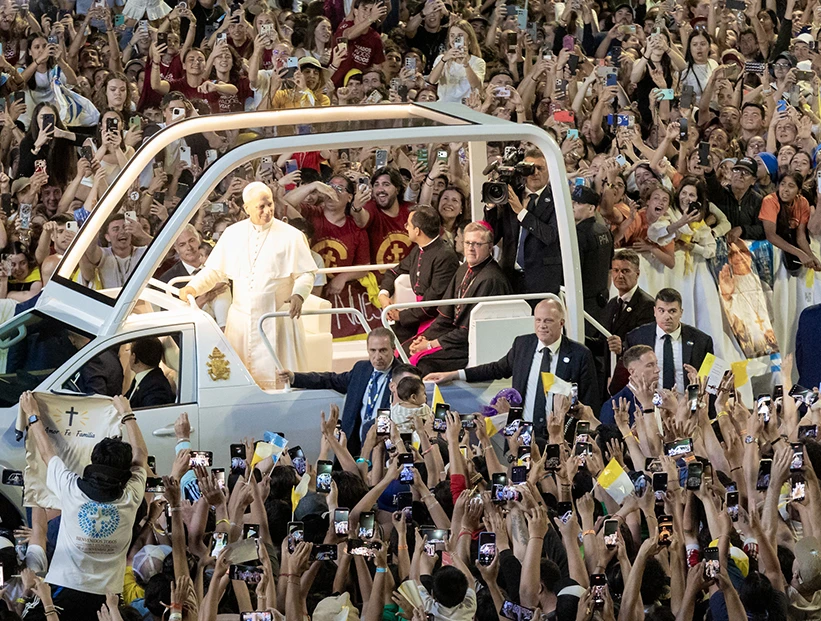
Nevertheless, Leo XIV’s prior physical state proved favorable. “He had good prior reserve,” the doctor noted, and explained that reserve is what enables the body to face extraordinary situations.
In that sense, he mentioned that patients with good pulmonary reserve —assessed through tests such as spirometry— have 55% fewer pulmonary complications after surgery. Additionally, their postoperative hospital stay is reduced, on average, by two and a half days.
“He stayed five days in hospital. If he had worse lung condition, he would have been between seven and eight,” López Rosetti explained.
Why physical activity and muscle mass were also important
The second aspect he highlighted was the physical activity the Pope engaged in before the operation. For the specialist, staying active helps reach surgery in better general condition and provides more resources to endure the recovery period.
Added to that was the muscle mass. López Rosetti recalled that, from the age of 40, people can lose between 3% and 8% of muscle mass per decade, while physical activity helps prevent or reduce that loss.
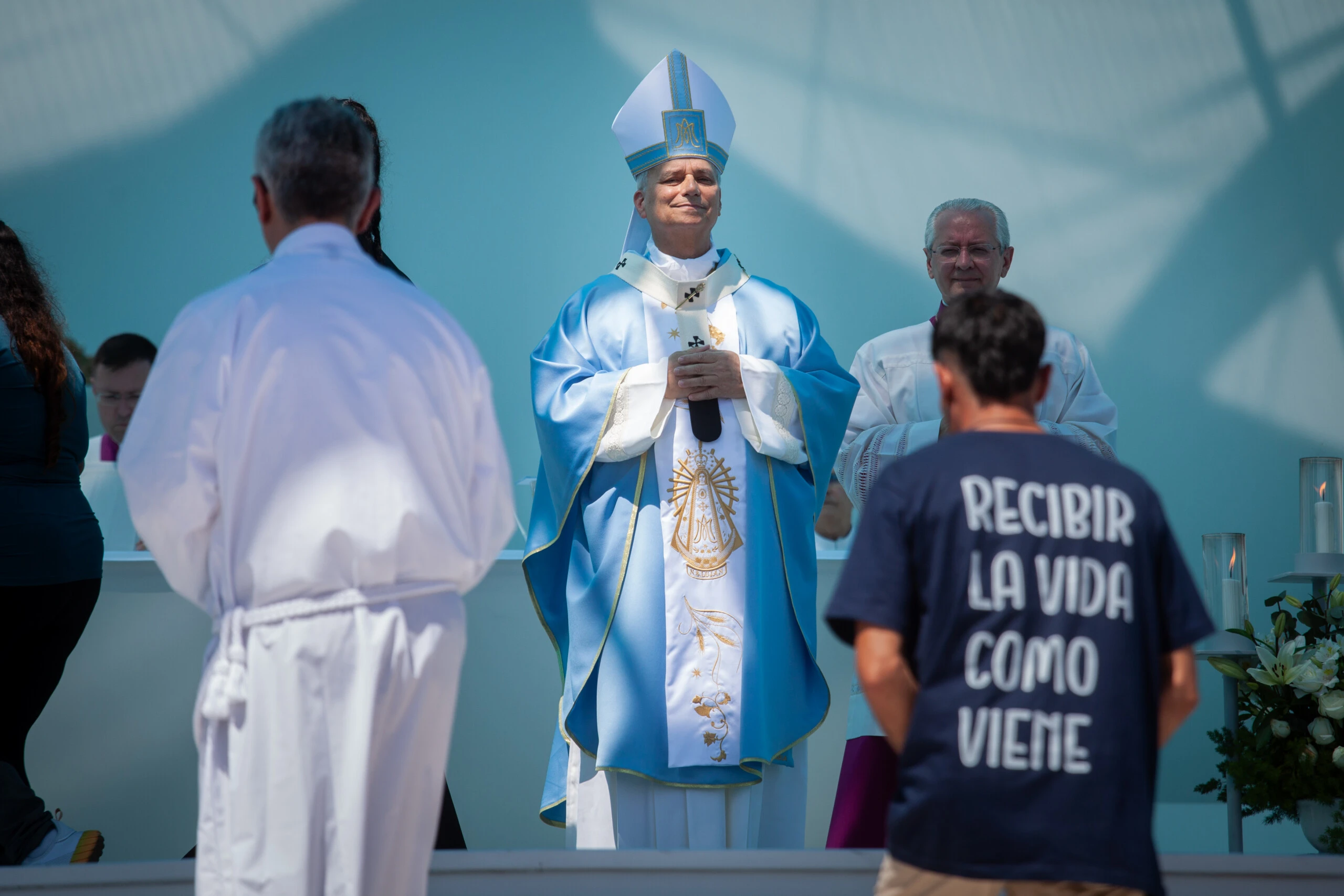
“Muscle is the organ of longevity,” he stated. And he added that having a good muscle mass is an advantage for health and for facing situations that demand extra physical effort.
According to his explanation, the combination of good pulmonary reserve, physical activity, and muscle mass helped Leo XIV to navigate the postoperative period and resume his activities in a relatively short timeframe.
The morale and attitude of the patient, another factor in recovery
López Rosetti also mentioned an aspect that goes beyond physical conditions: the patient’s mental disposition. Referring to the pontiff’s progression, he highlighted both his overall state and his attitude toward the operation and the recovery process.
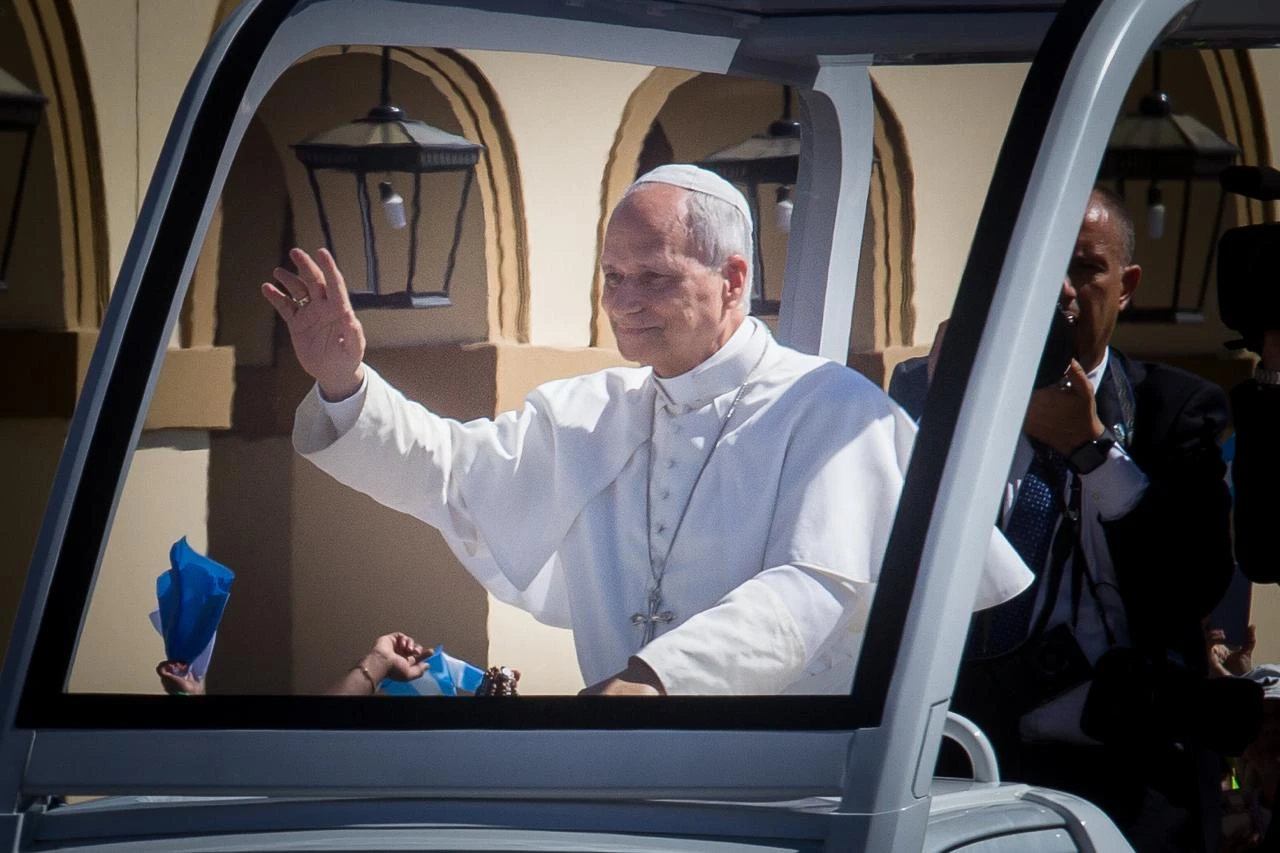
The doctor recalled that, just 24 days after the surgery, Leo XIV was already leaving Rome to go to Carrasco, Uruguay, to begin his journey across South America.
“A postoperative evolution. And a spirit, a morale as well,” he summarized. And he closed with a reflection on what it represents for a health professional to accompany a patient in those conditions: “The best thing a doctor can face: a patient with reserve and with faith.”