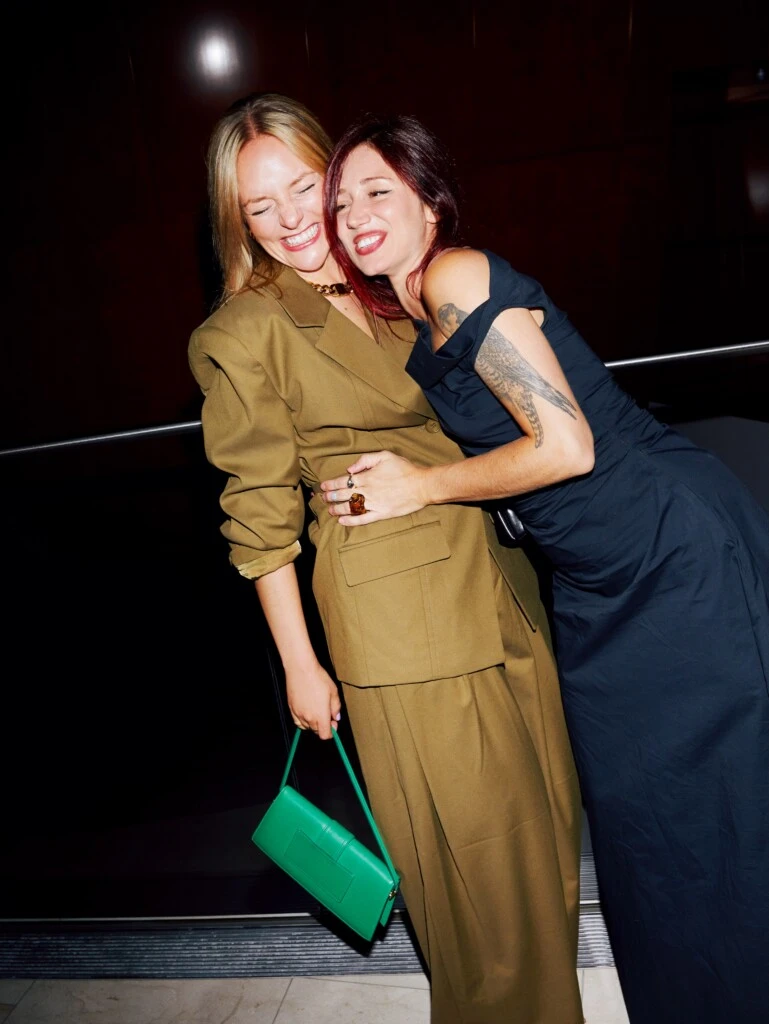
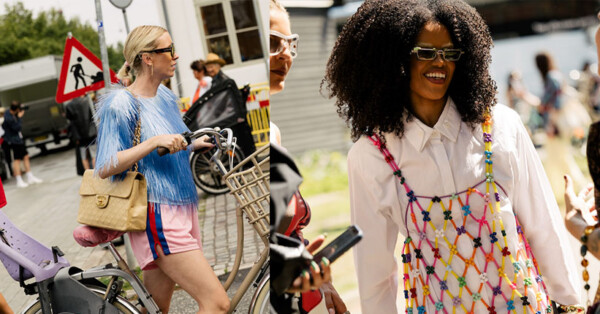
For a long time, talking about Scandinavian fashion meant thinking of minimalism, neutral tones, and functional garments. However, Copenhagen Fashion Week completely transformed that image: it added volume, unexpected combinations, prints, romance, humor, and a freedom to dress that today inspires the entire world.
Copenhagen Fashion Week marks its 20th anniversary with the presentation of the Spring-Summer 2027 collections. The edition runs from August 3 to 7, 2026 and features an official program of 34 runway shows and presentations.
Copenhagen Fashion Week: the fashion week that didn’t want to resemble the others
Unlike the traditional major capitals, Copenhagen did not build its prestige around luxury conglomerates, centuries-old houses, or monumental productions. Its influence was born elsewhere: an identity of its own, a strong creative community, and a fashion vision connected to everyday life.
Copenhagen Fashion Week: the fashion week that didn’t want to resemble the others
Unlike the traditional major capitals, Copenhagen did not build its prestige around luxury conglomerates, centuries-old houses, or monumental productions. Its influence originated elsewhere: an independent identity, a strong creative community, and a fashion vision closely tied to everyday life.
Brands such as Ganni, Cecilie Bahnsen, Stine Goya, Rotate, Baum und Pferdgarten and Saks Potts helped broaden the idea of Scandinavian design. Clean, functional lines began to coexist with statement sleeves, vibrant prints, romantic silhouettes, sheerness, and bold colors.
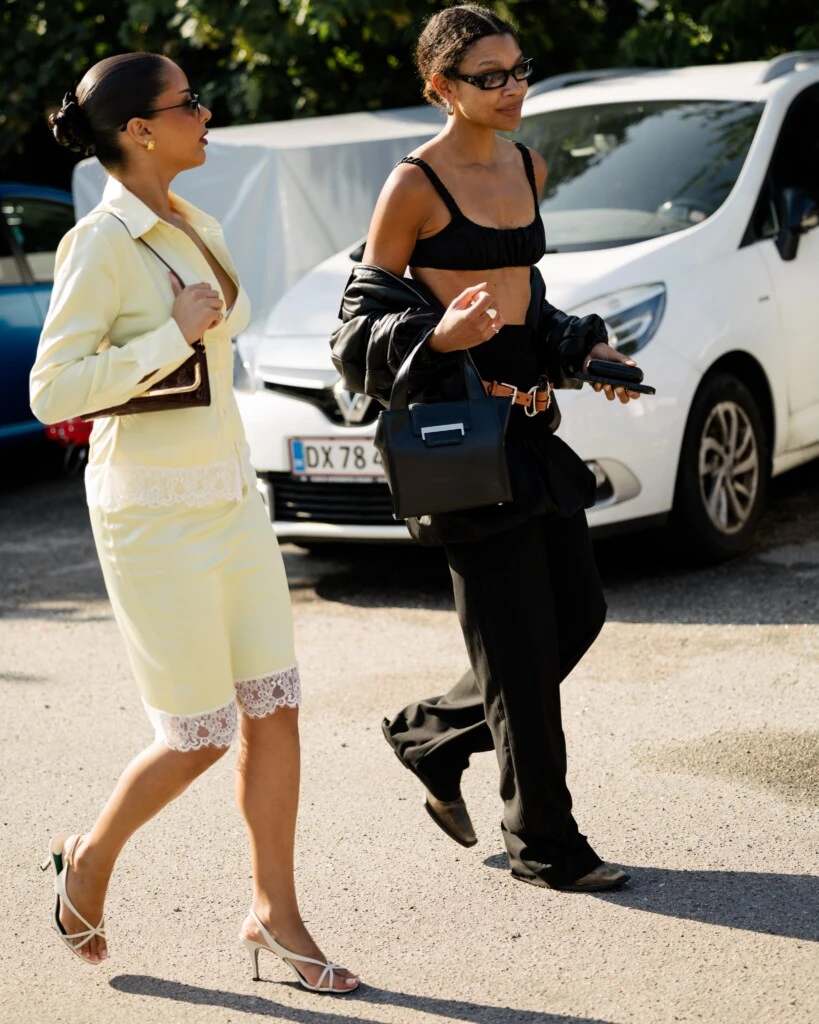
The key was not to become a smaller version of Paris or Milan. Copenhagen found its own voice and made that difference its greatest strength.
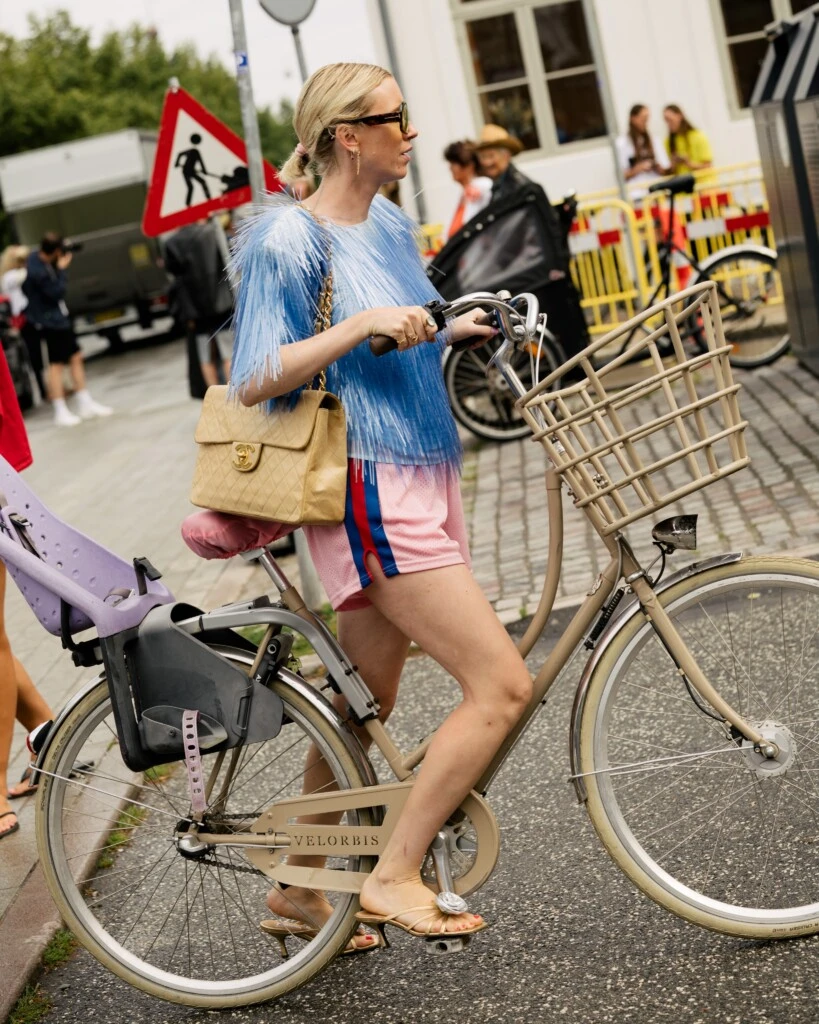
From Minimalism to “Scandi glam”
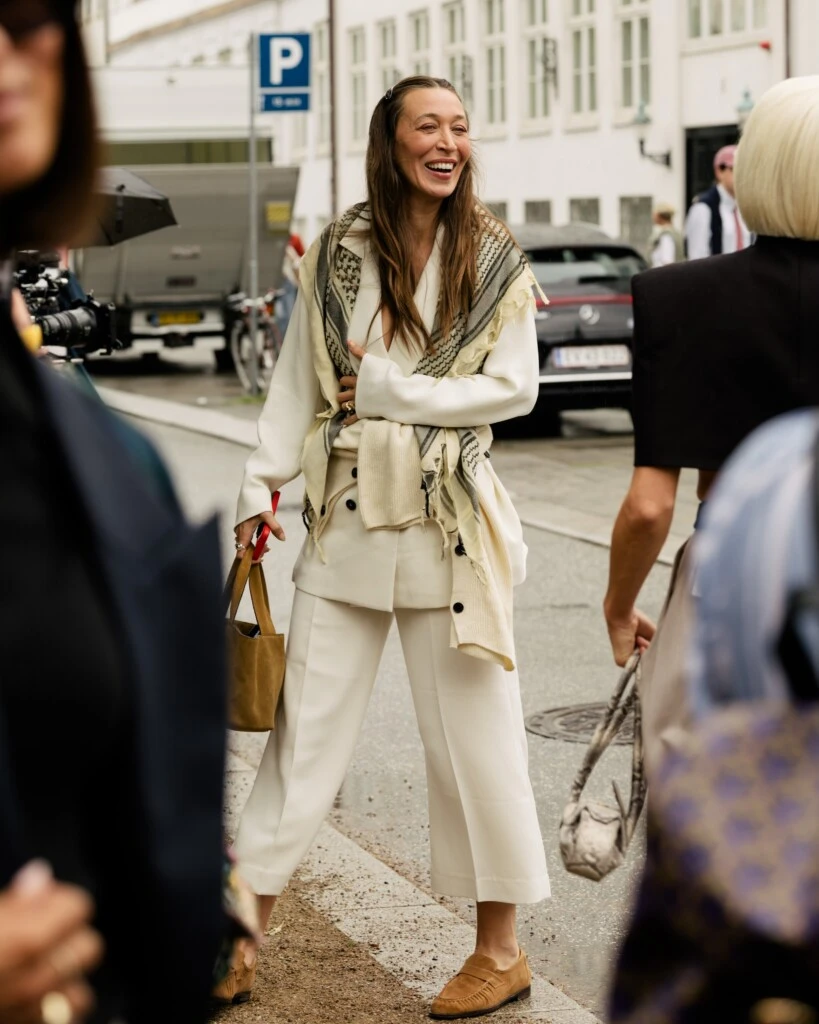
The so-called Scandi style can no longer be reduced to a sober wardrobe. The new Scandinavian aesthetic blends practical garments with extravagant details, artisanal pieces with sportswear, and delicate silhouettes with utilitarian elements.
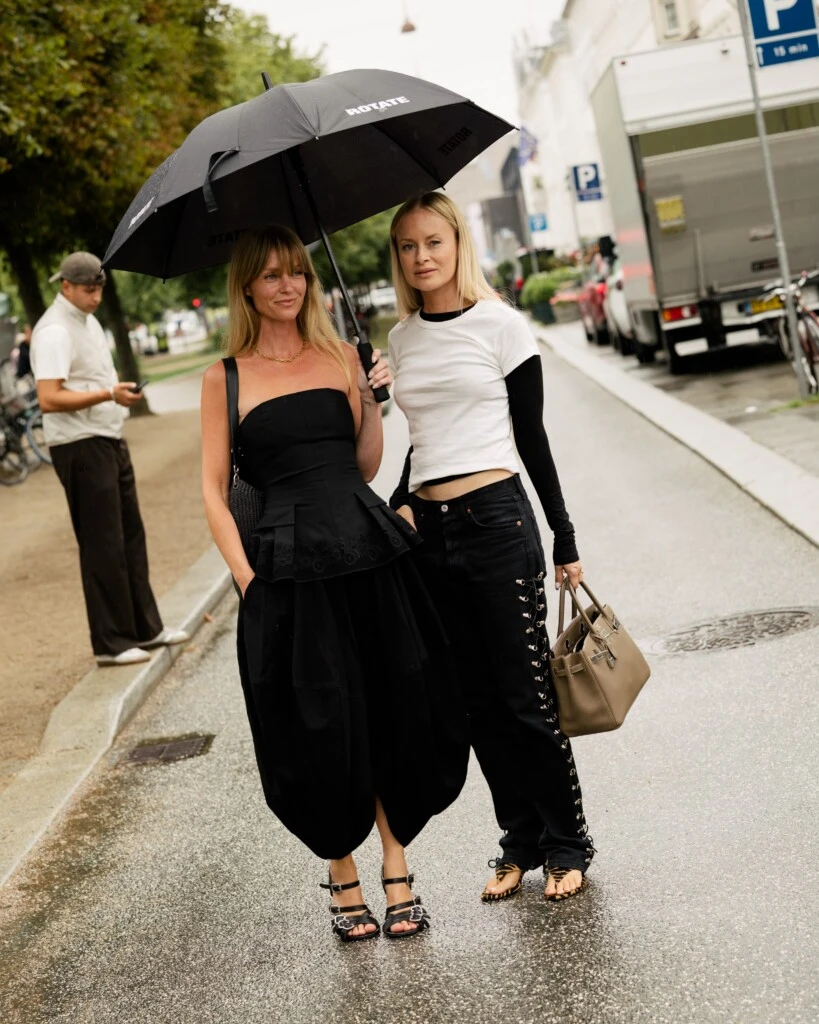
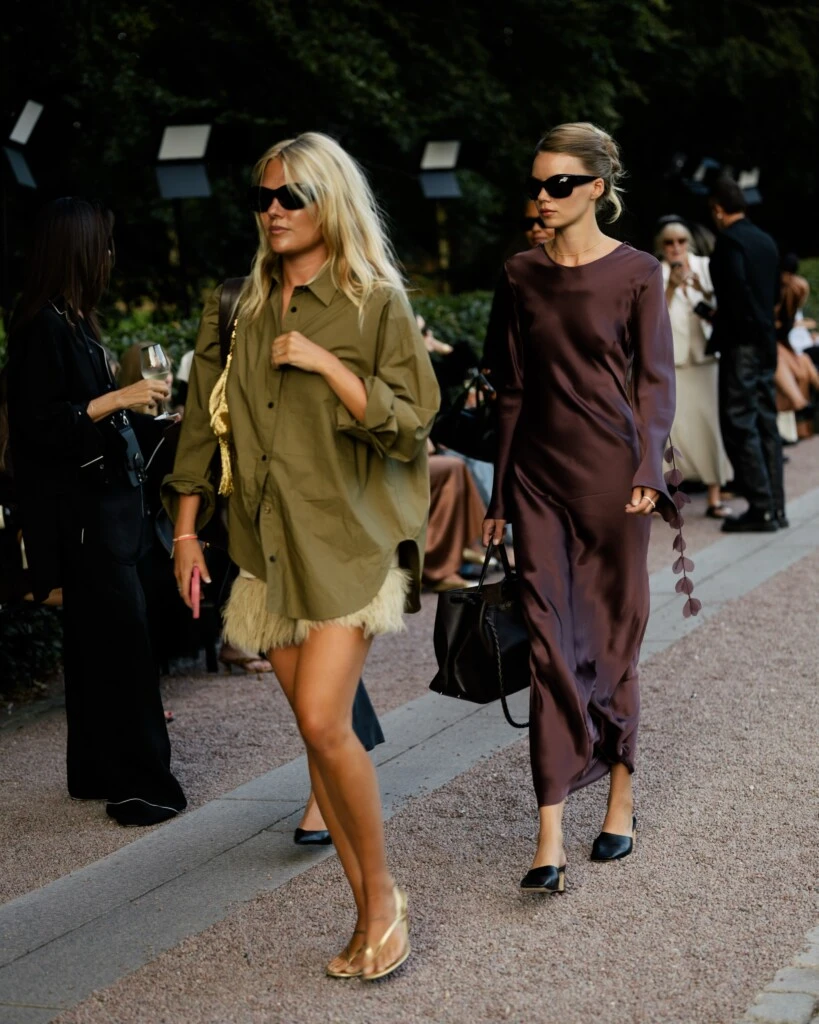
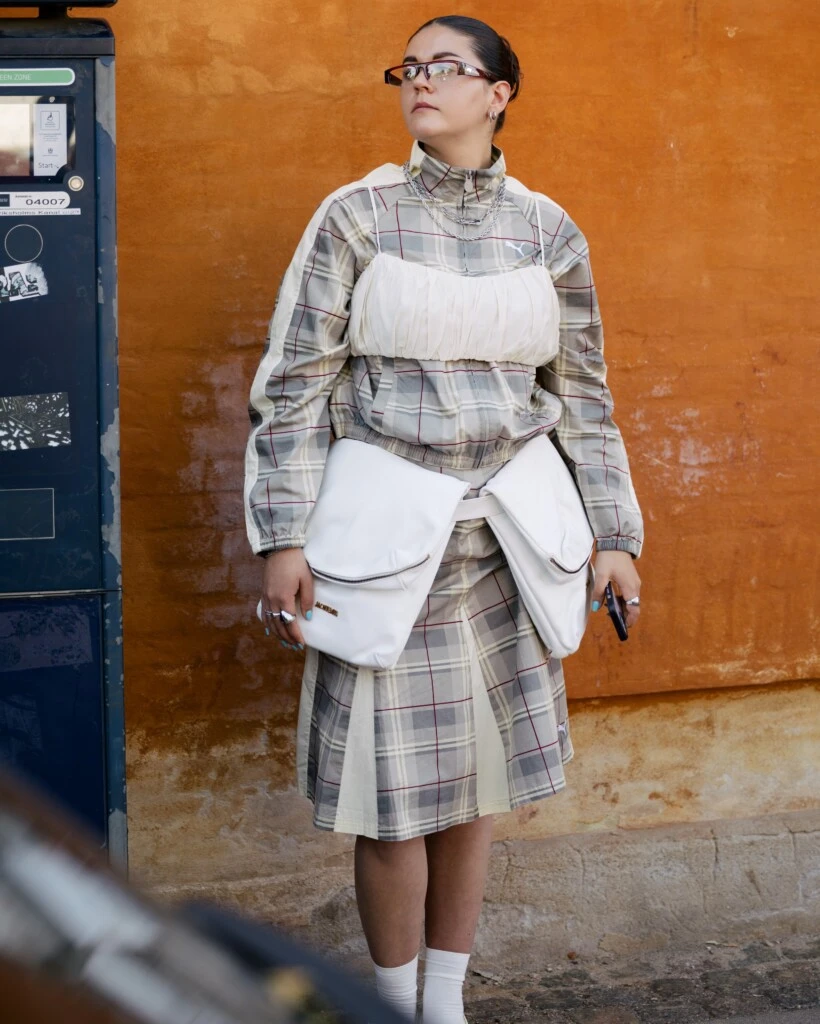
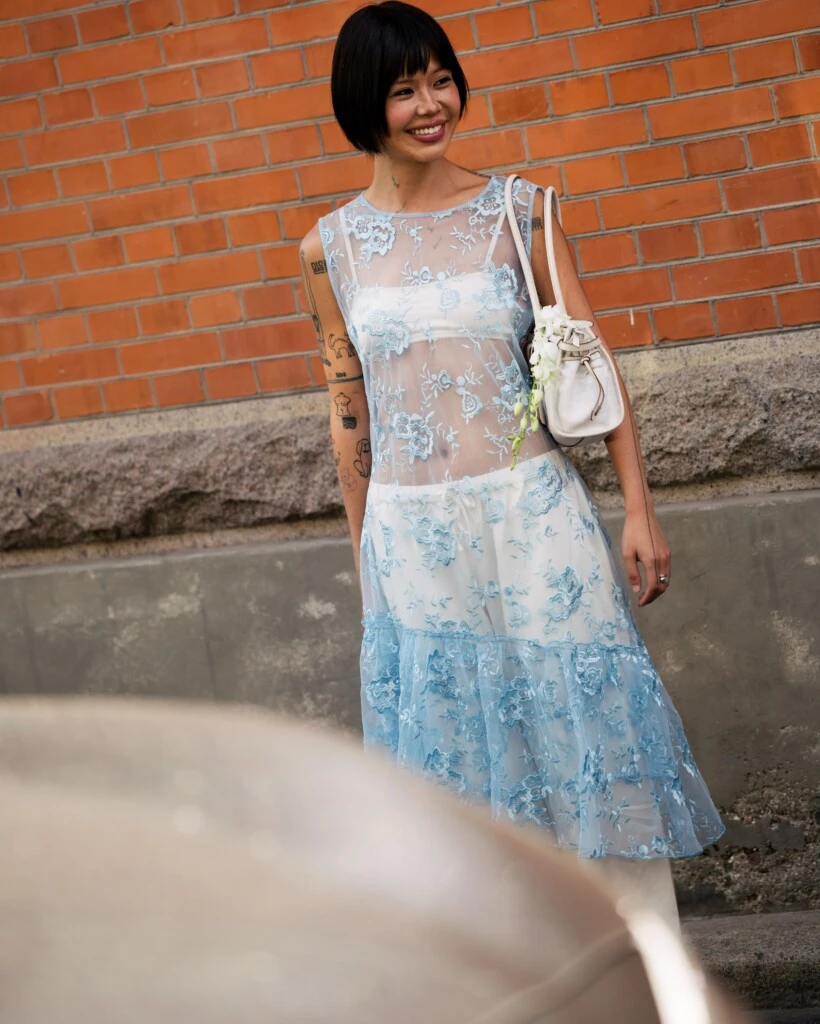
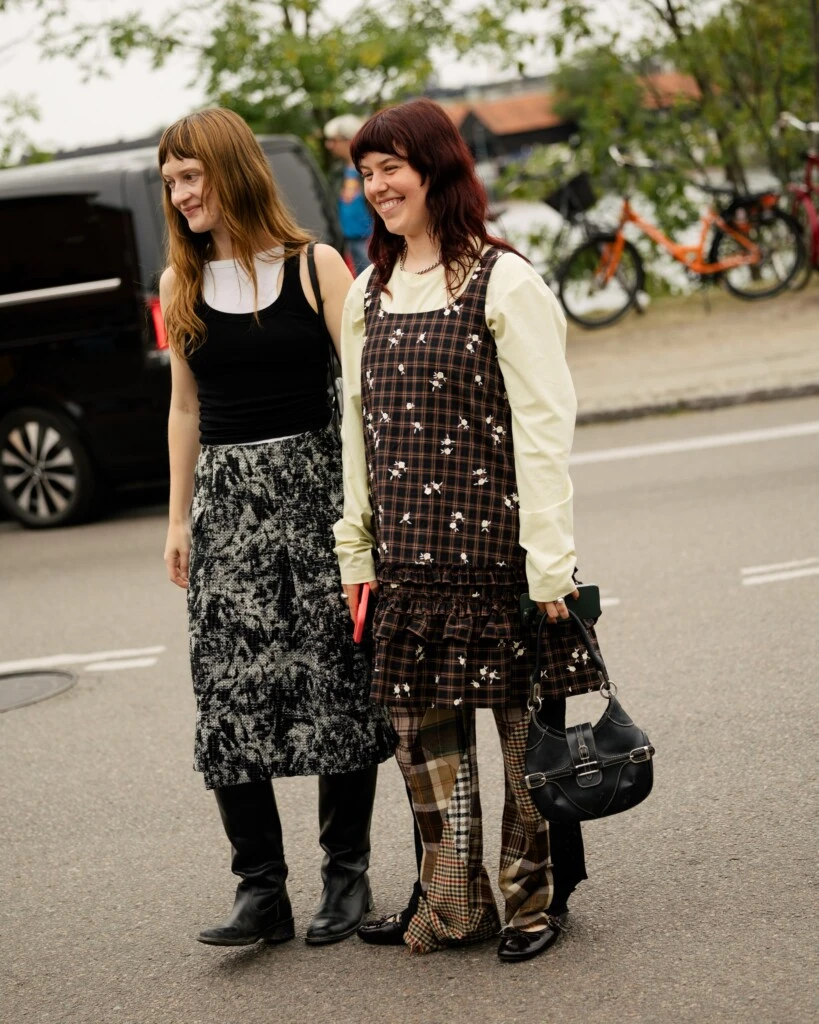
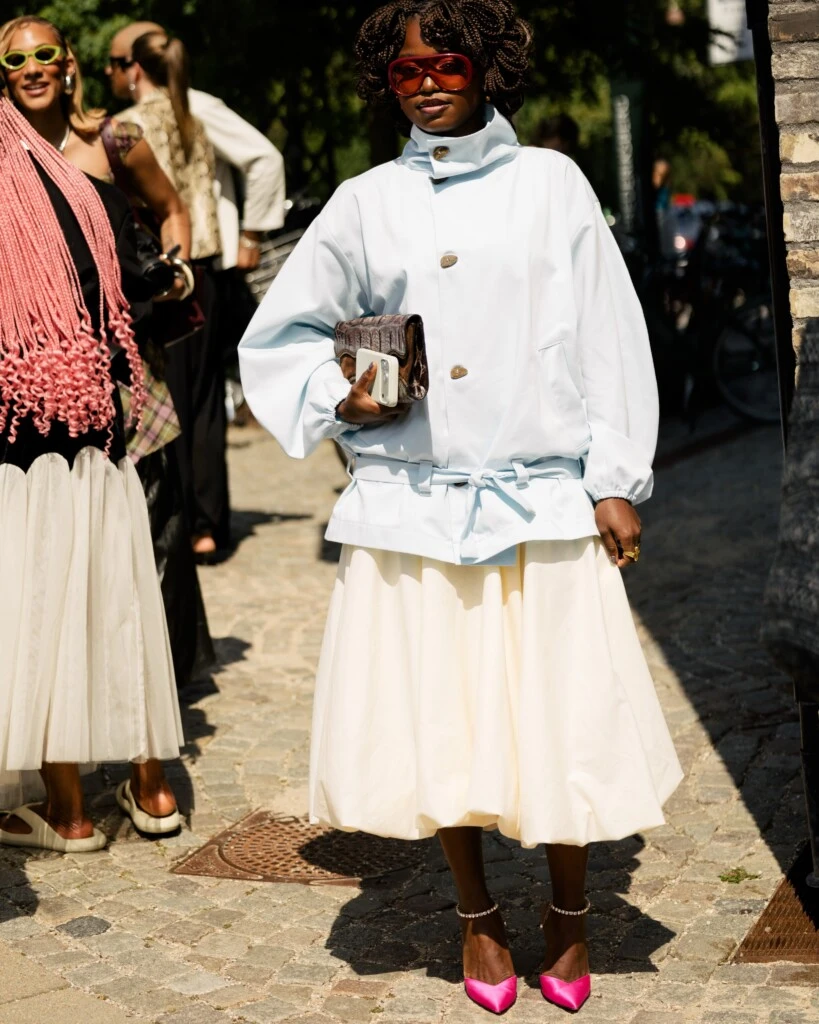
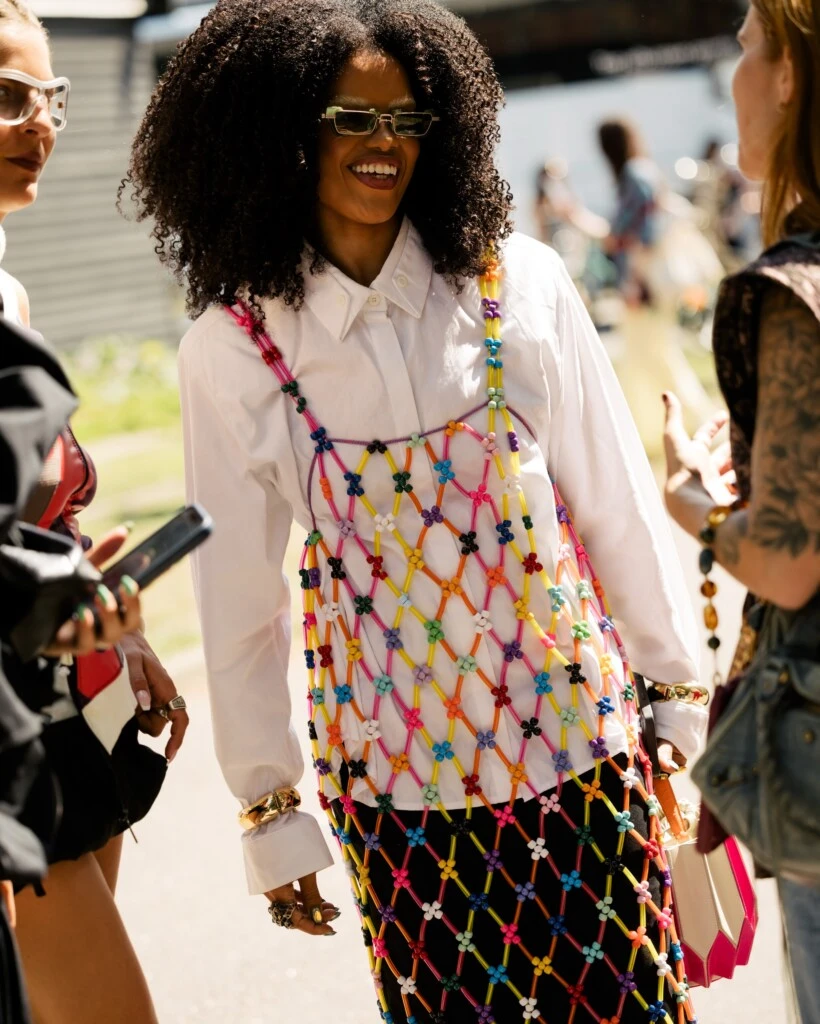
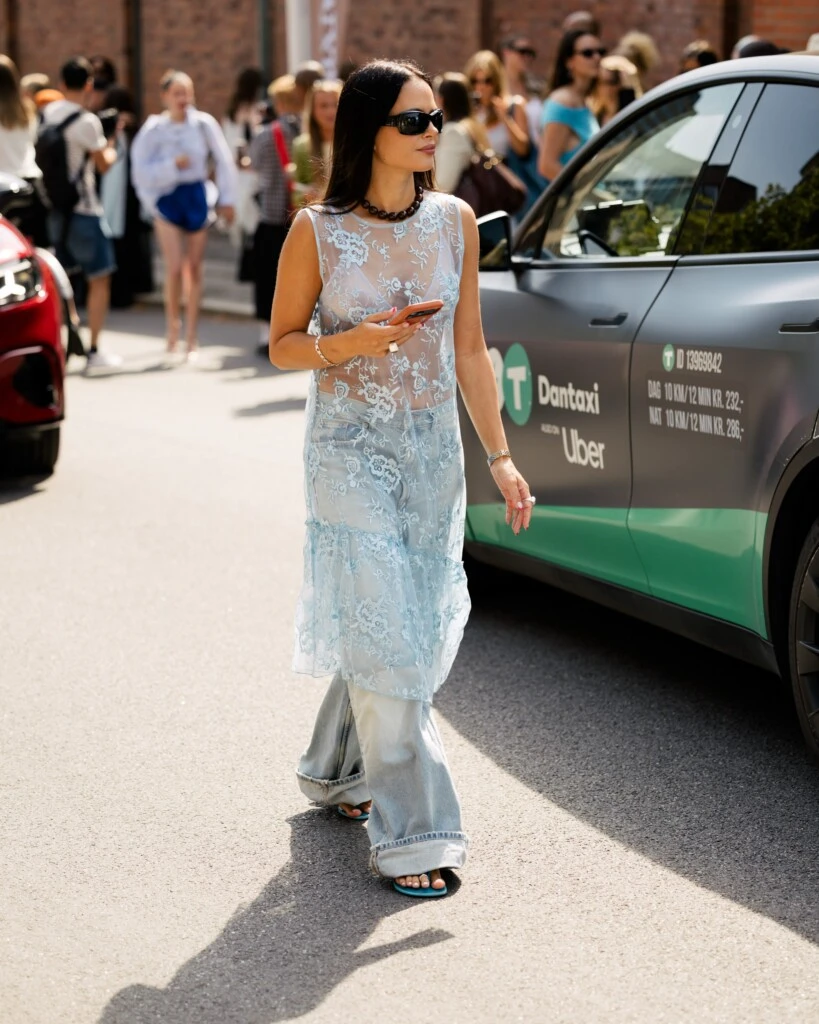
Copenhagen fashion is recognized for its ability to unite opposites: a lace dress with a technical jacket, a sheer skirt over wide trousers, a masculine blazer paired with unexpected accessories, or a romantic garment worn with sneakers.
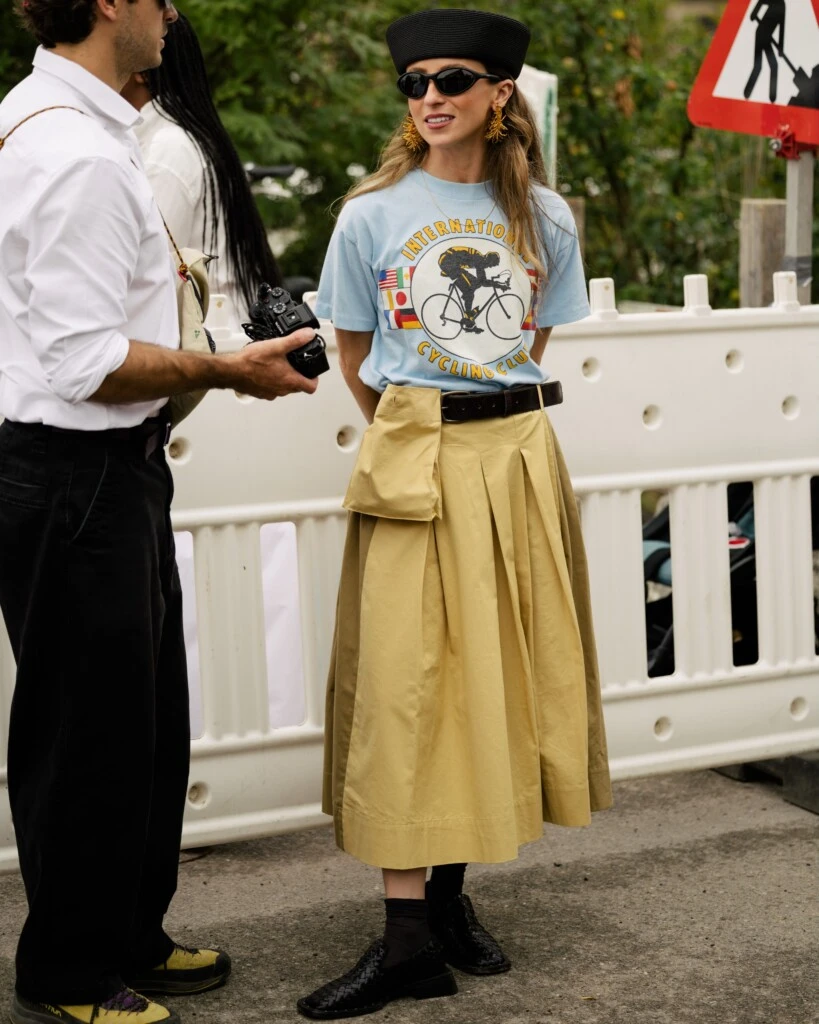
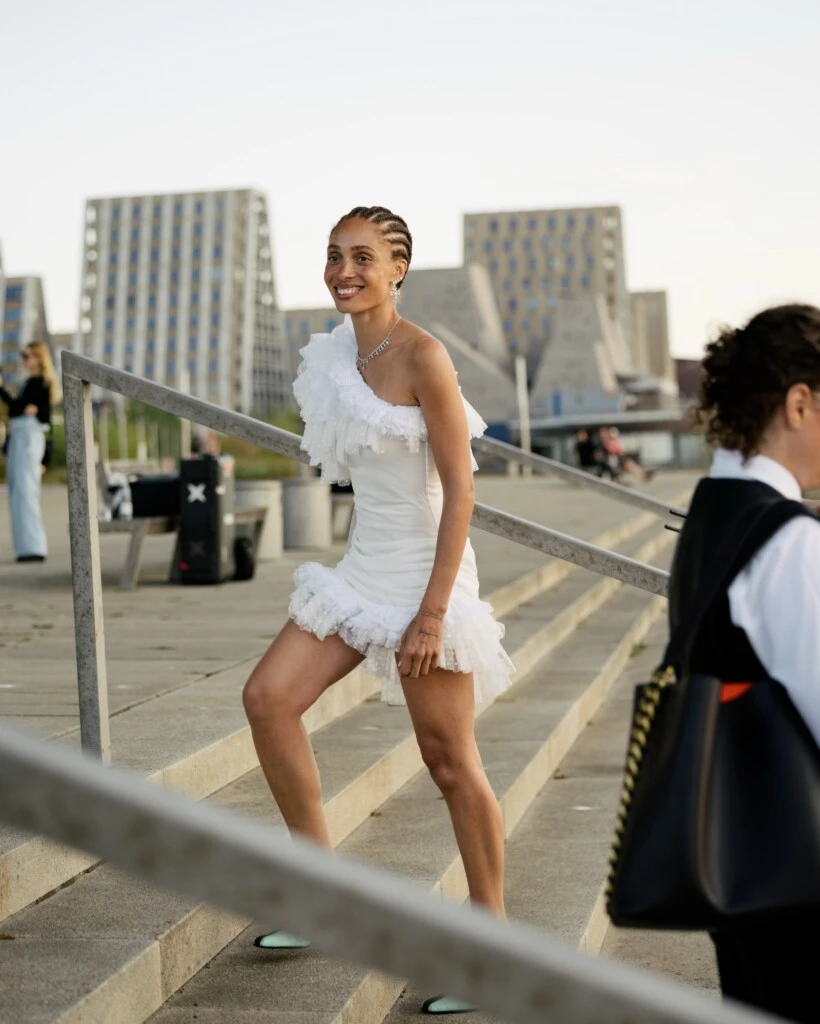
On the streets of the Spring-Summer 2027 edition, some trends began to emerge that could dominate the coming seasons: lace, crochet knits, sheer fabrics, visible colored underwear, and three-dimensional floral appliqués on the face.
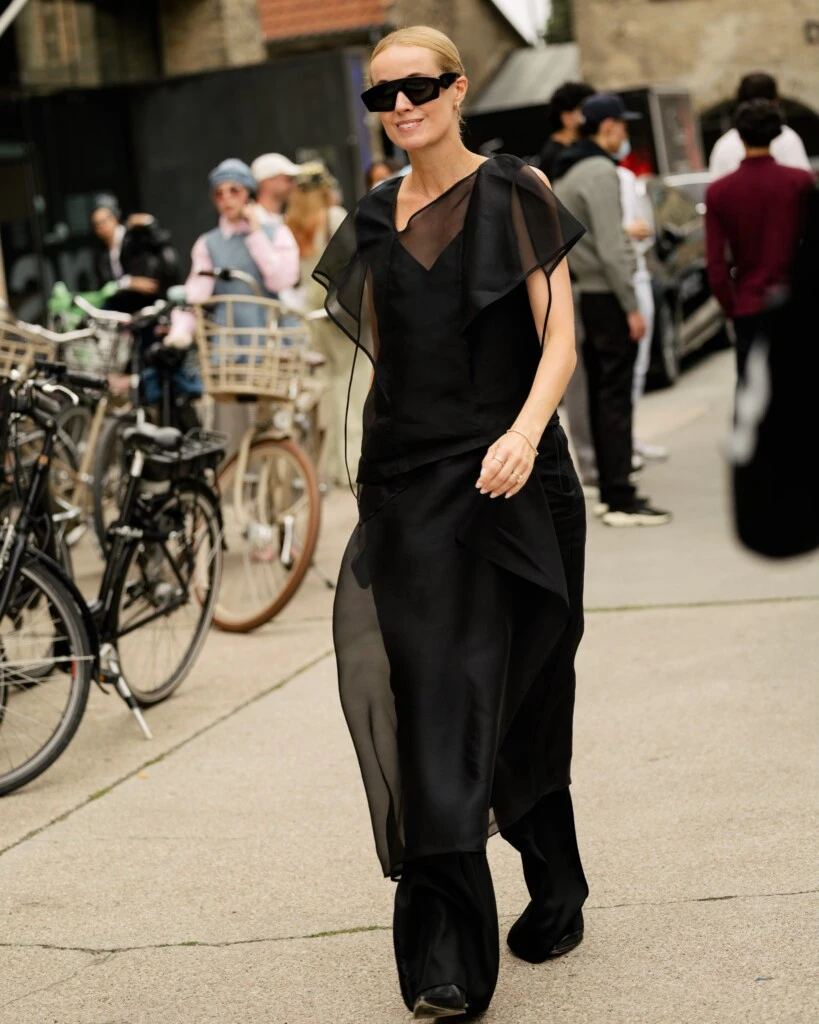
The street style that turned the streets into a runway
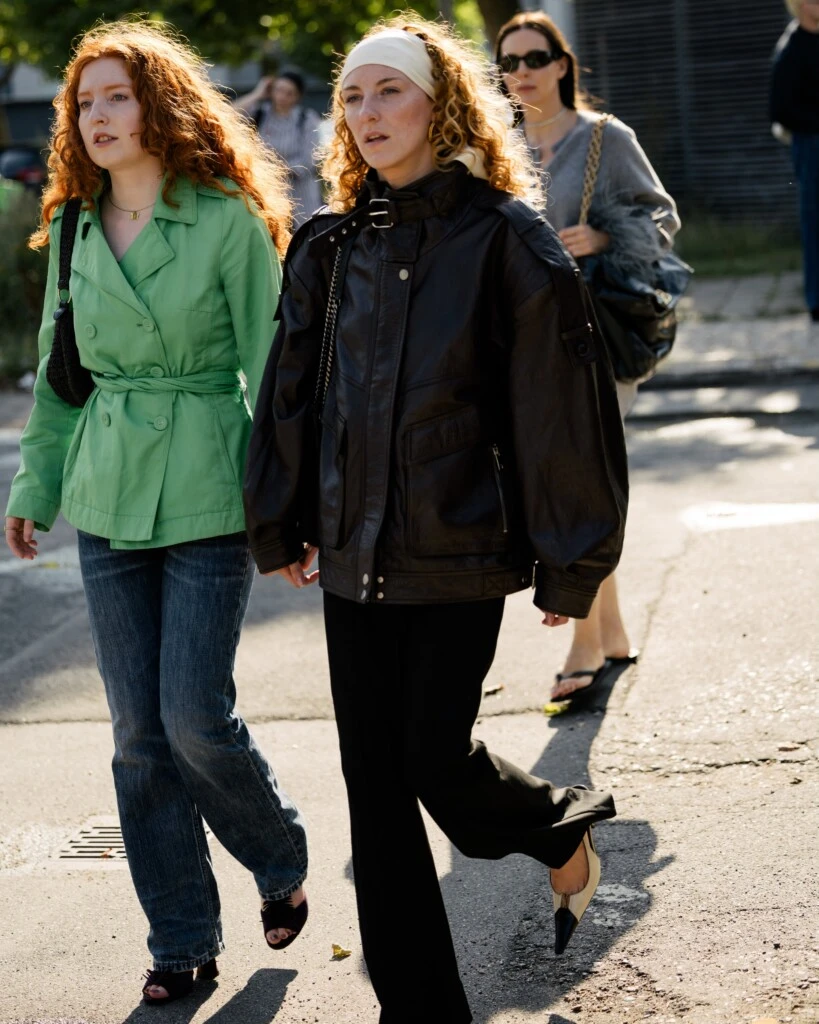
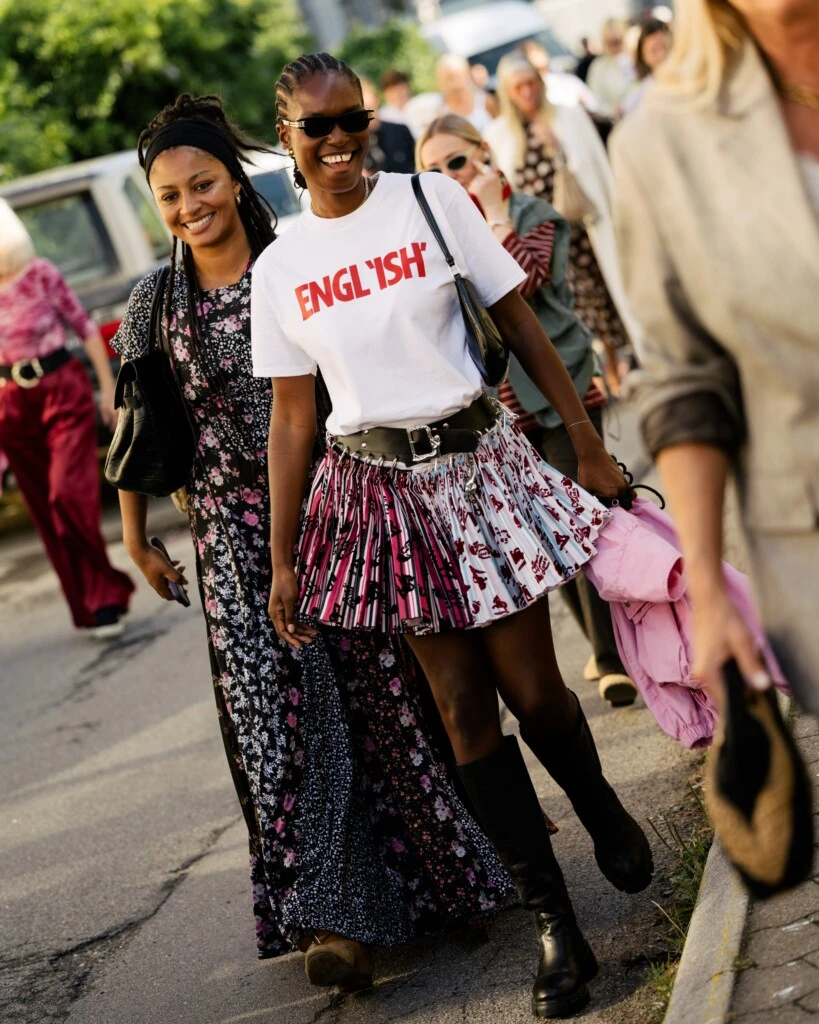
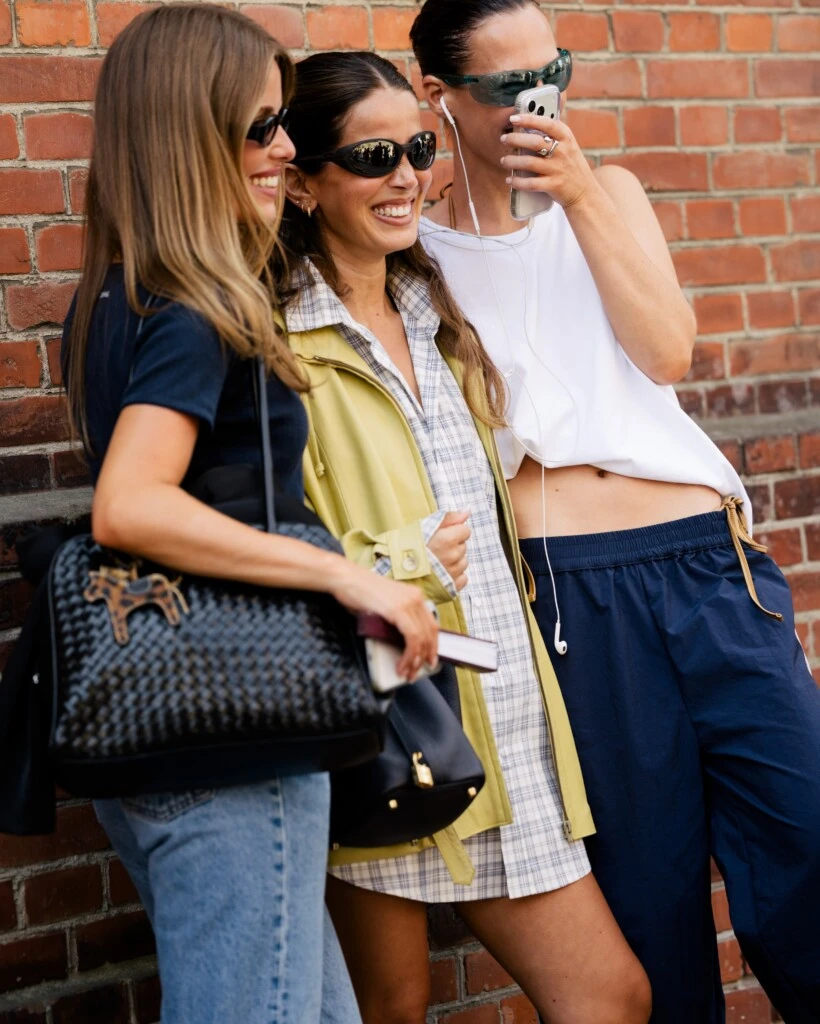
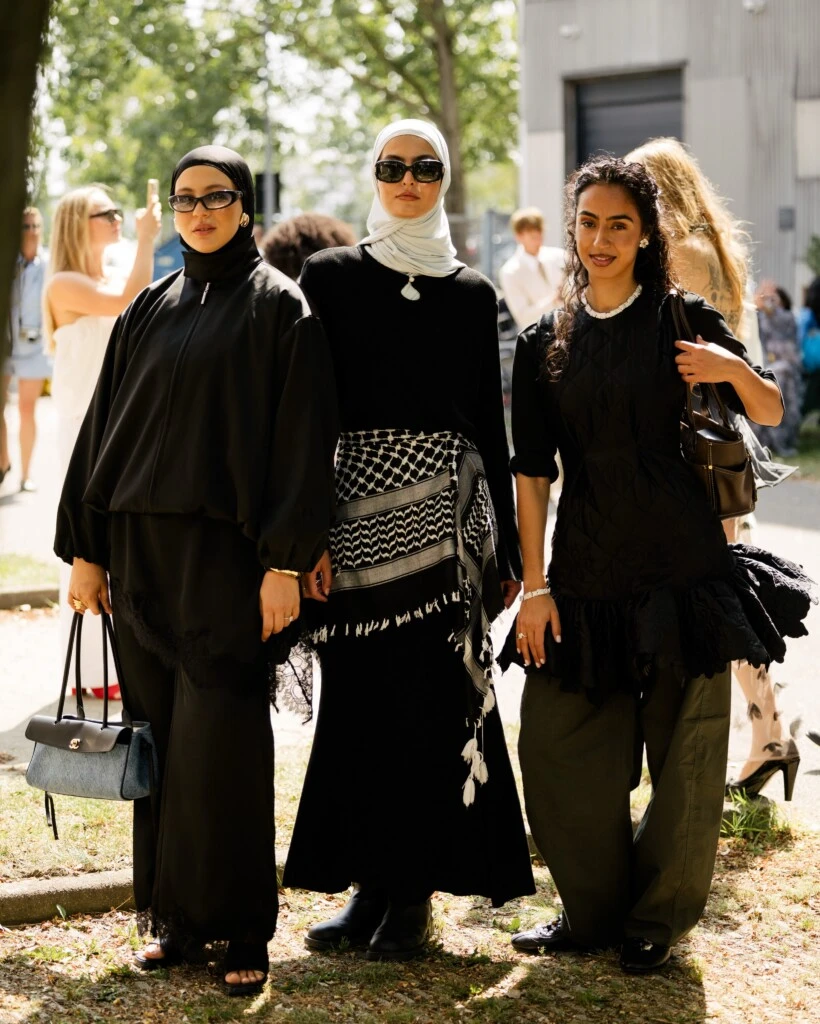
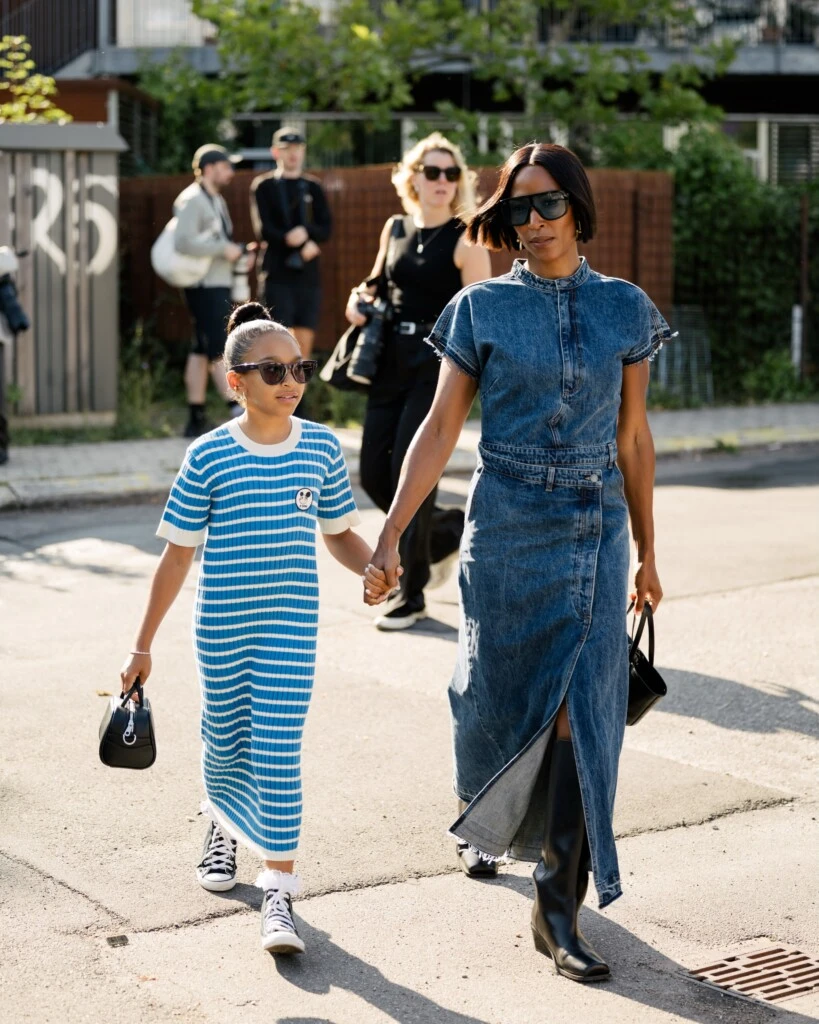
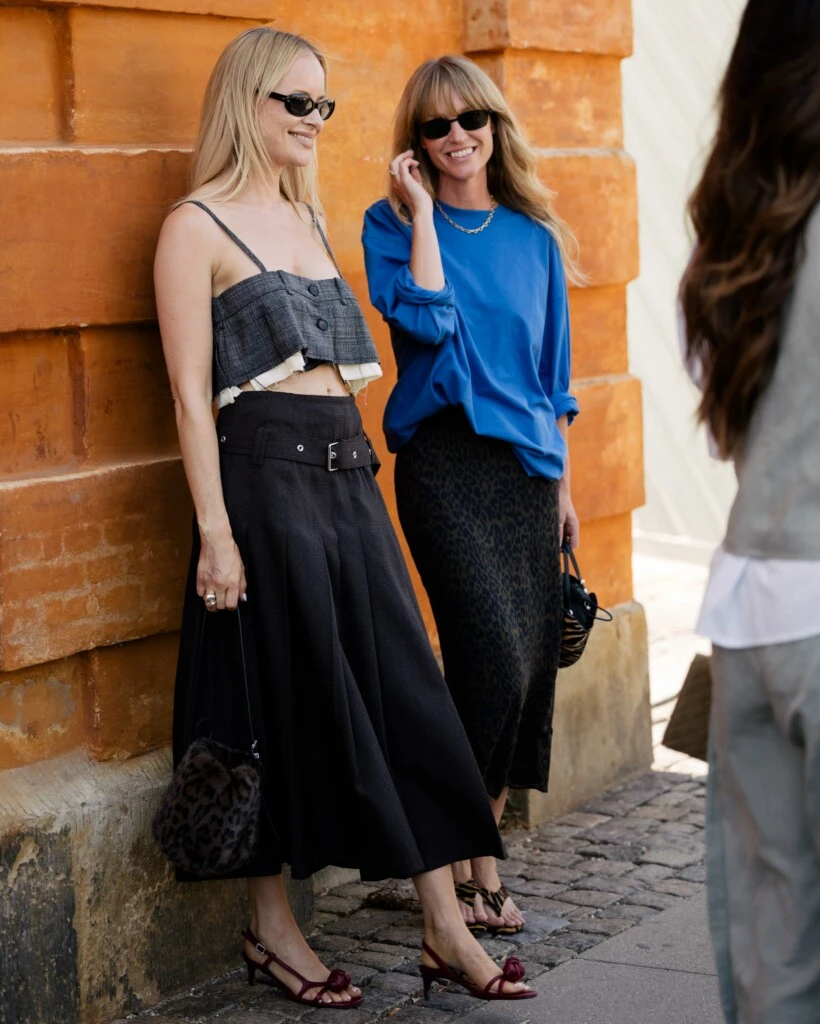
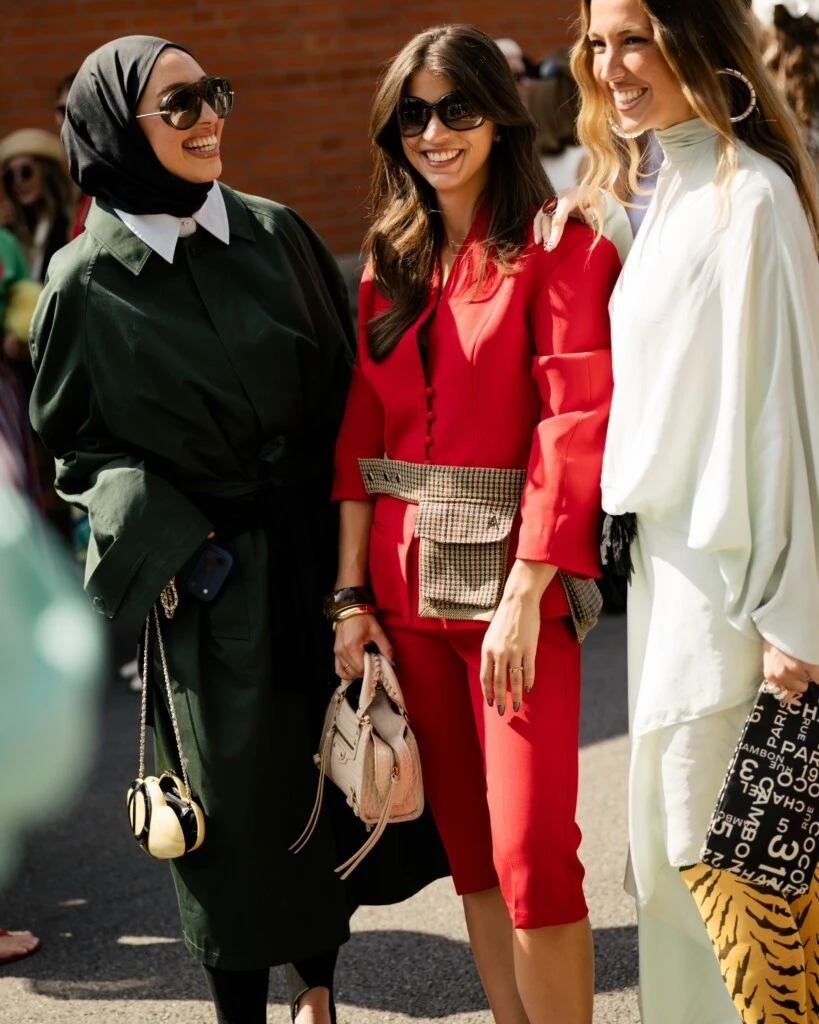
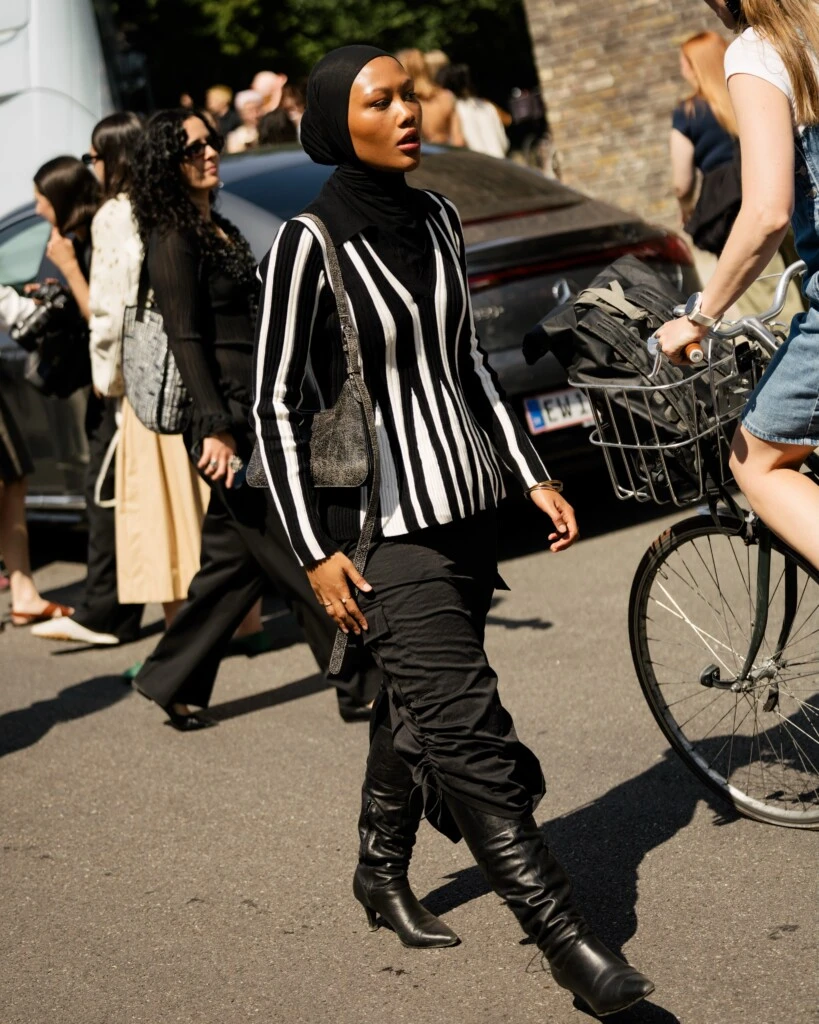
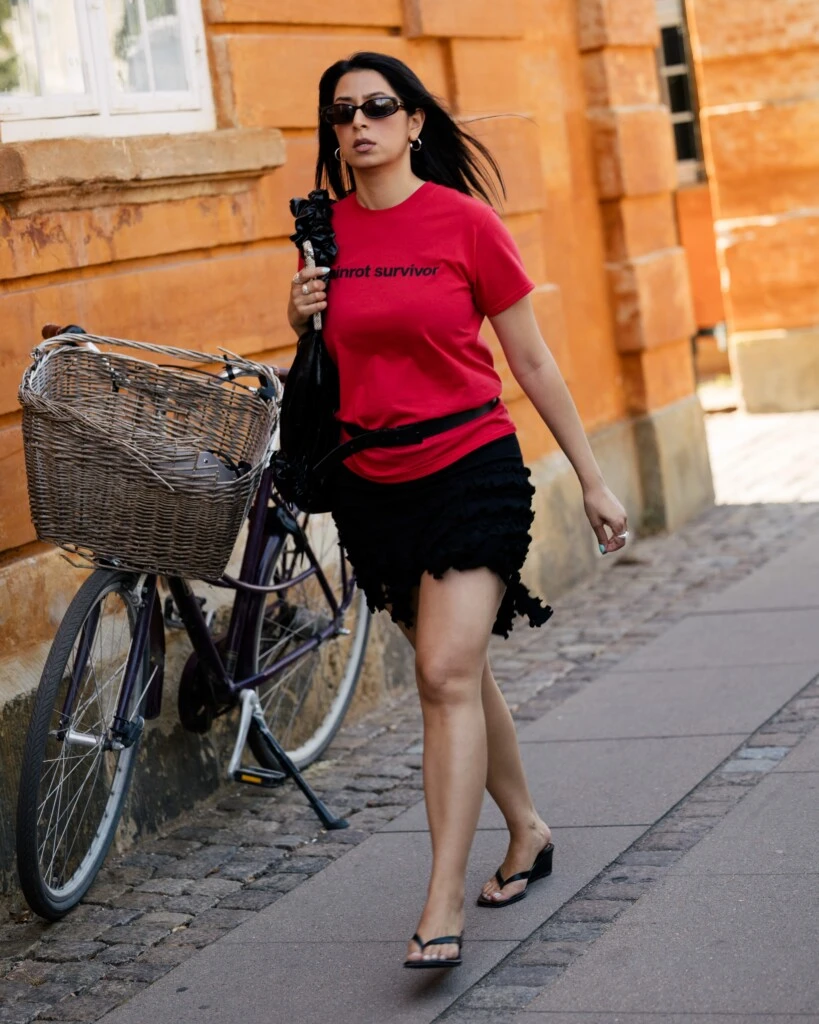
A fundamental part of the Copenhagen Fashion Week phenomenon happens off the runways. Editors, buyers, models, designers, and content creators transform the city’s sidewalks into an impromptu catwalk.
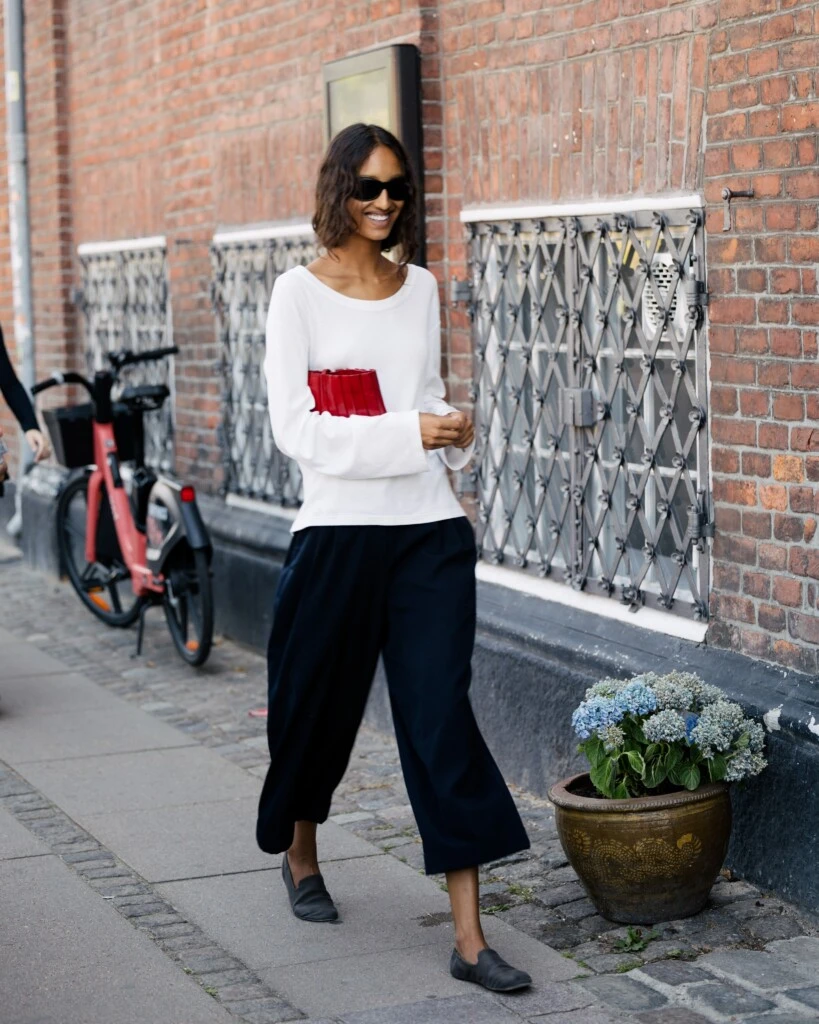
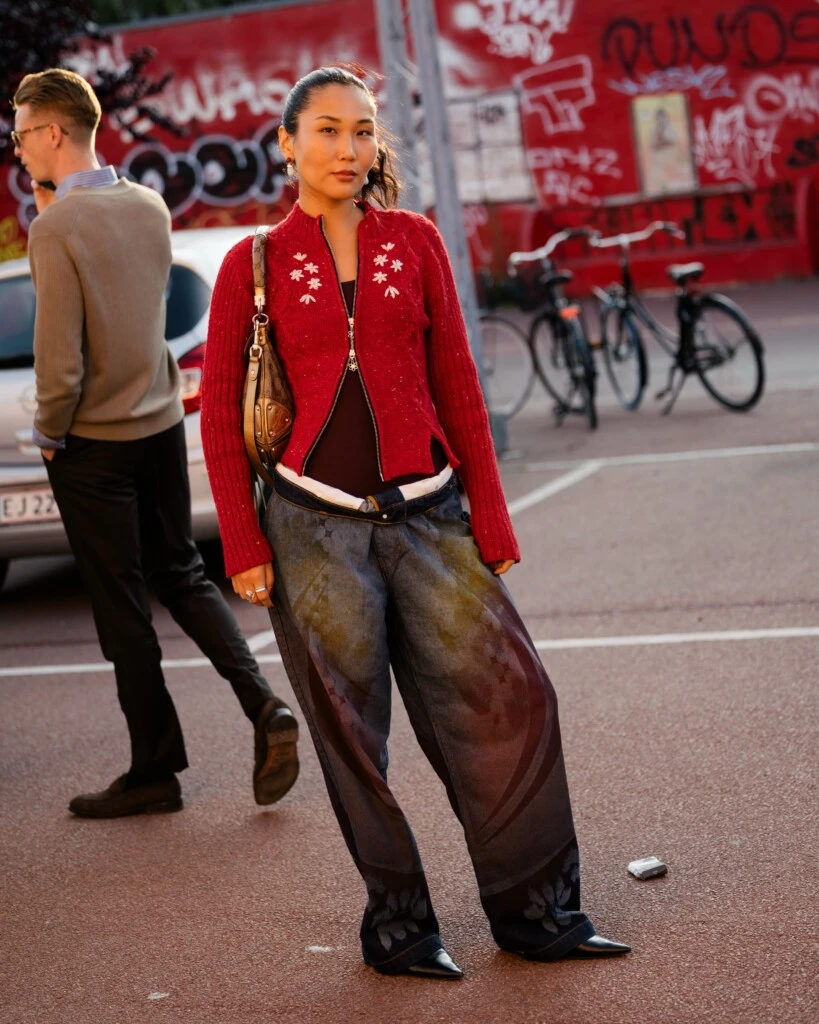
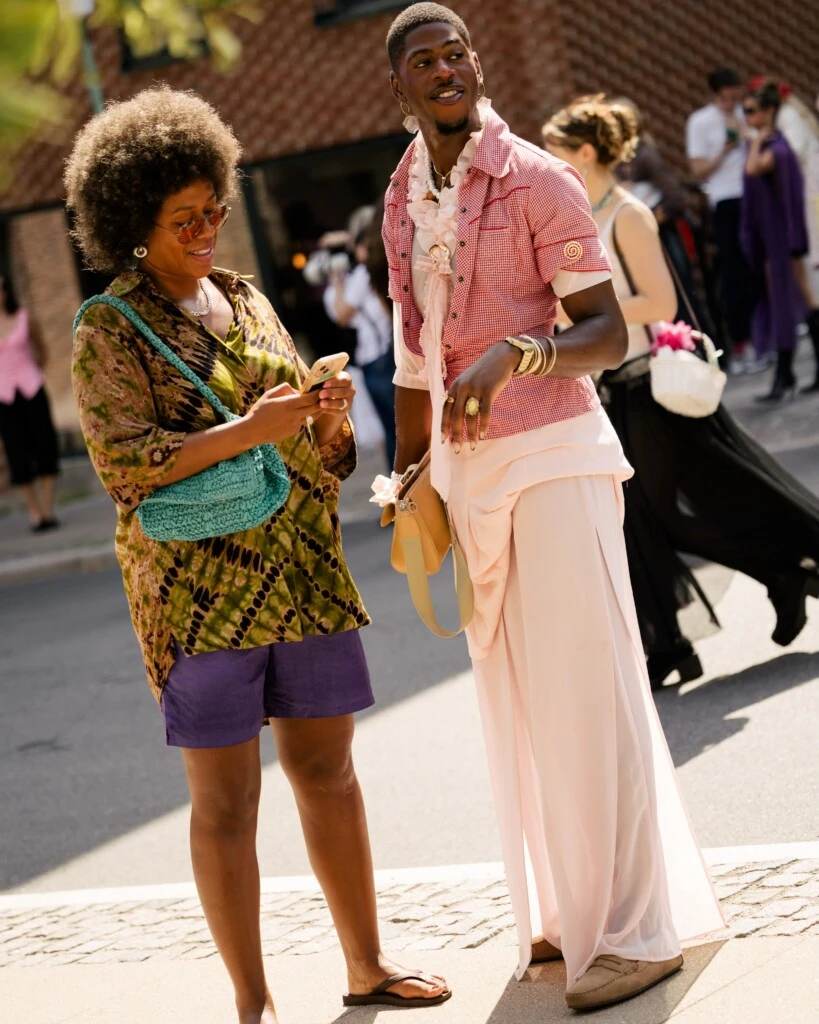
The looks are designed to attract attention, yet they retain a certain sense of freedom. There are oversized garments, layering, color combinations that seem impossible, and accessories with humor. All coexist with a very Copenhagen trait: the practicality needed to walk or bike around.
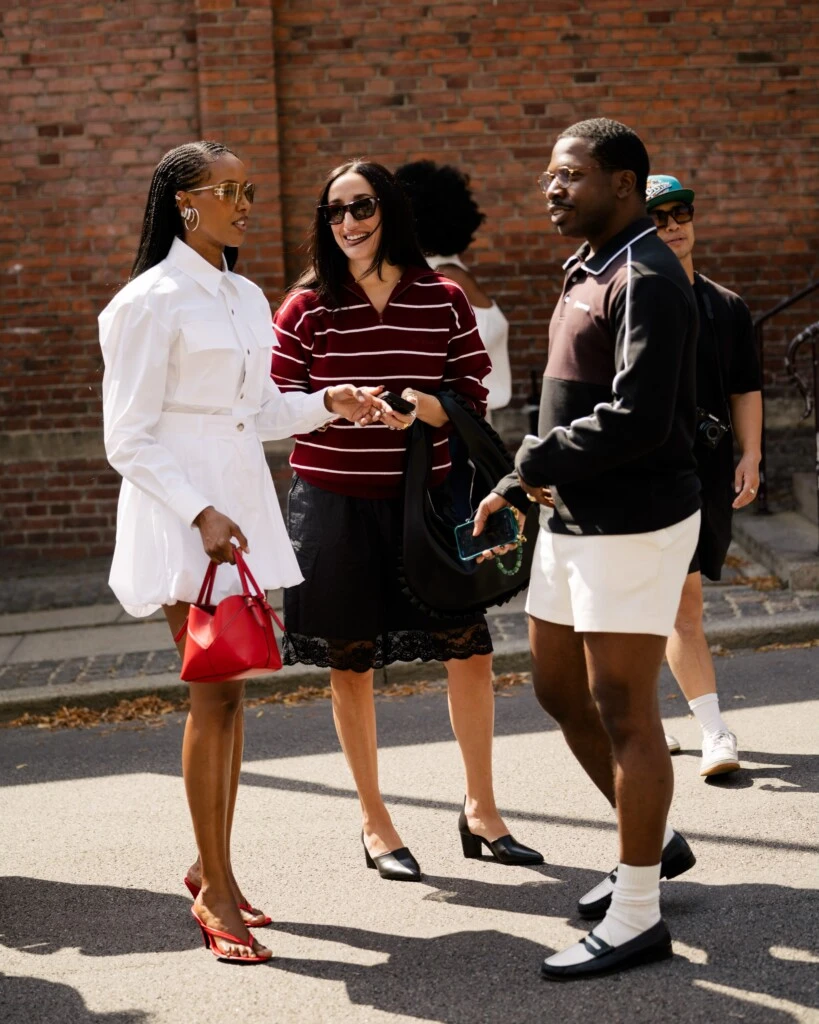
Over the years, street-style images helped Copenhagen become a true trend laboratory. Many phenomena that later reached international storefronts—from buttercream yellow to skirts worn over pants, knitted vests, and cowboy boots—first appeared on its streets.
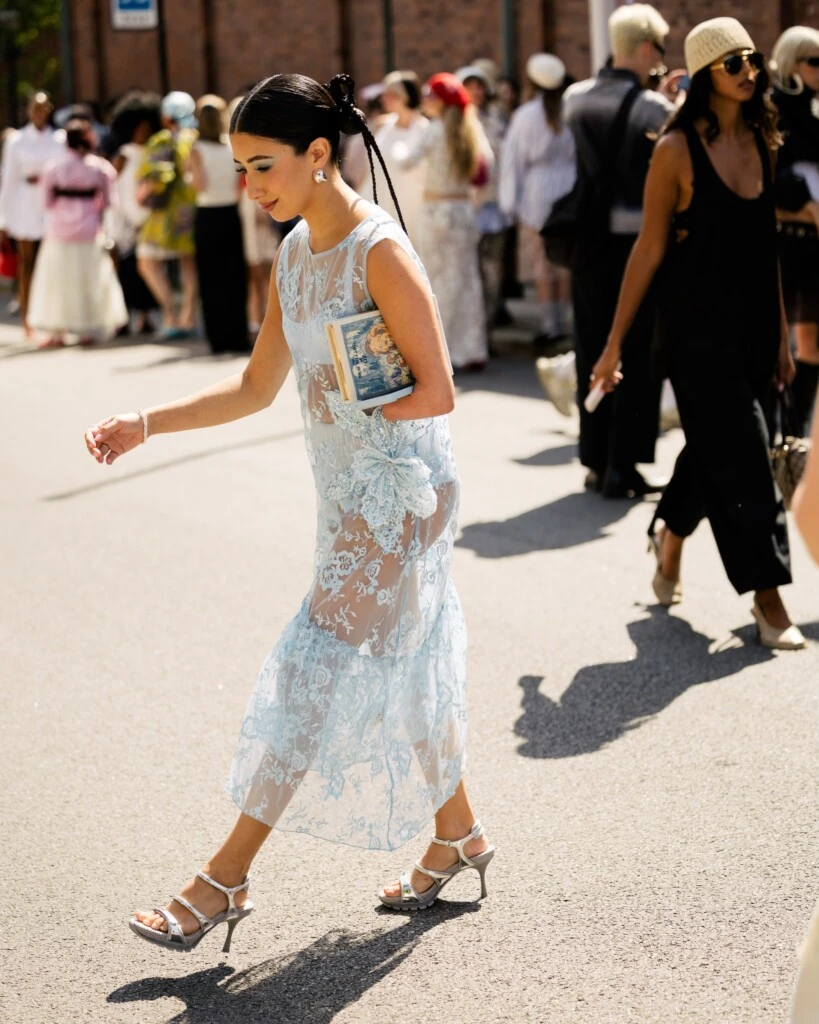
The anniversary also reopens a debate: how much of those looks reflect people’s real way of dressing, and how much respond to the need to capture photographers’ attention. British Vogue noted that the most extreme outfits do not always function as an exact gauge of everyday fashion, though they remind us of something essential: dressing can also be a game.
Sustainability as a condition to participate
The great revolution of Copenhagen Fashion Week did not occur solely in aesthetic terms. In 2020, the organization introduced a set of minimum sustainability requirements that changed the conditions for joining the official calendar.
Participating brands are evaluated based on 19 minimum standards related to their environmental and social practices. The aim is for commitments not to stay in rhetoric but to translate into changes within their production and work models.
This system also exerted influence beyond Denmark. Fashion weeks and organizations in Berlin, Oslo, and Amsterdam adopted similar models, while the British Fashion Council began incorporating some criteria into its new-talent program.
In this way, Copenhagen changed a historic rule of fashion weeks: it is no longer enough to simply have an attractive collection. It also matters how, with what materials, and under what conditions it was produced.
Why everyone keeps watching Copenhagen
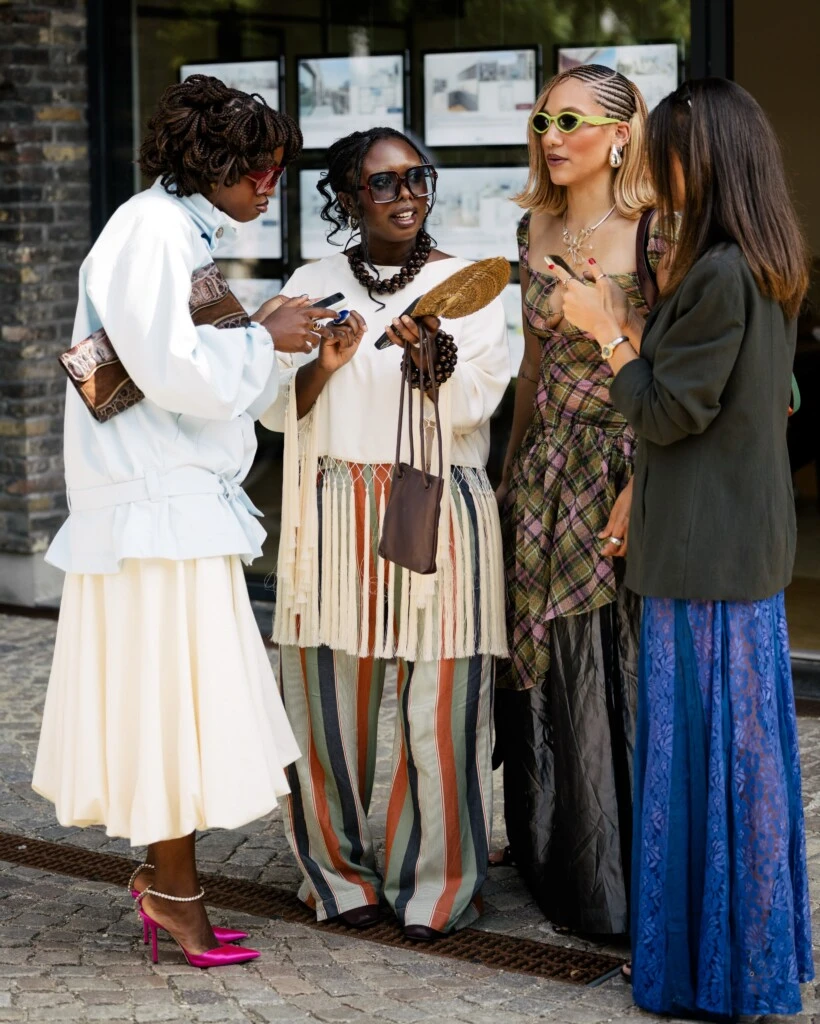
In just twenty years, Copenhagen Fashion Week achieved something few fashion weeks have managed: becoming a global reference without abandoning its local identity.
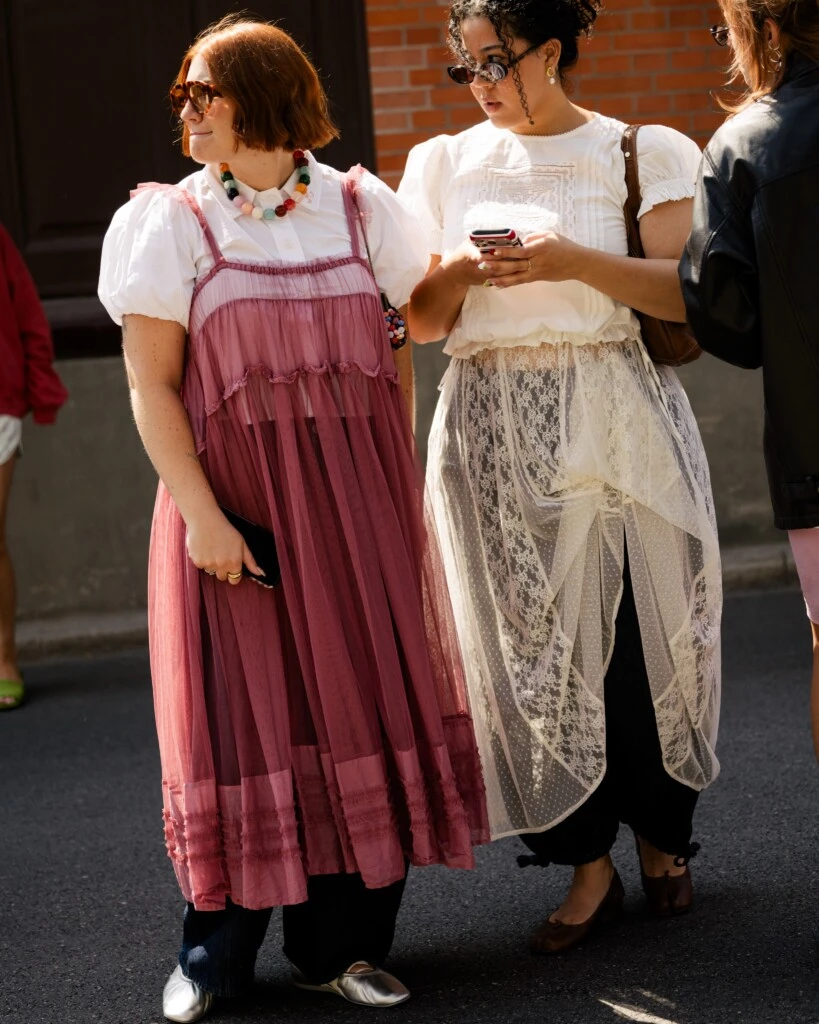
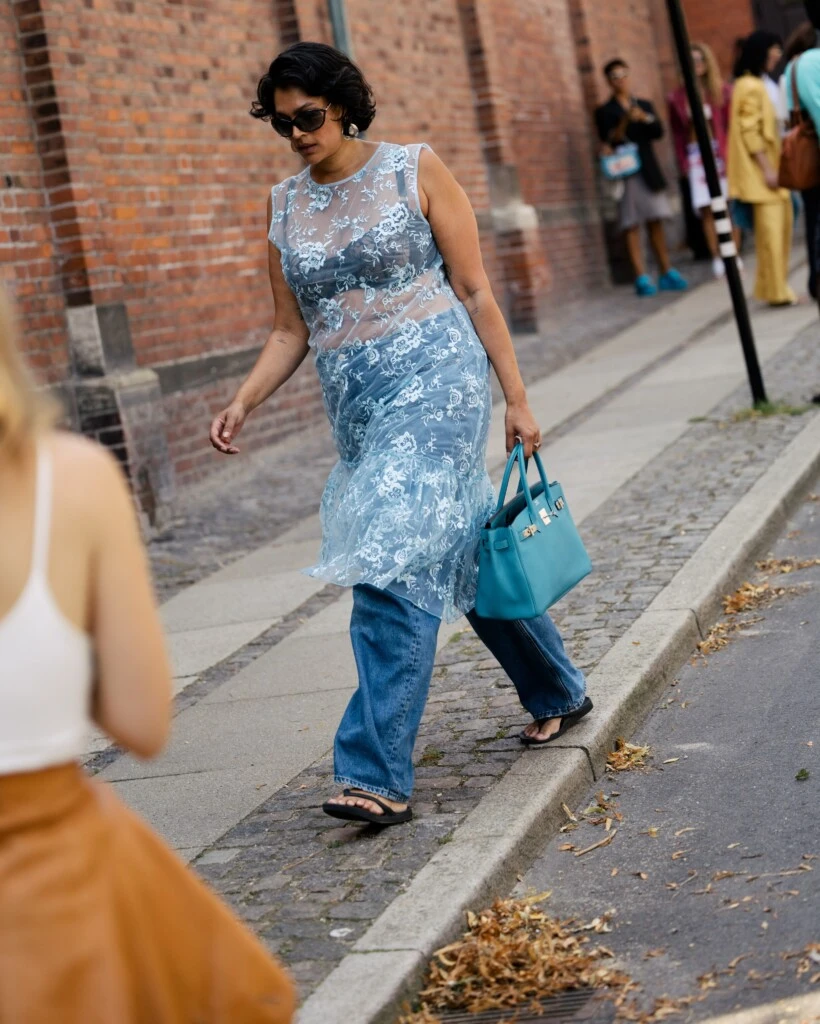
Its influence does not rely solely on the shows. It lies in the bikes parked outside every presentation, in the unexpected combinations strolling the streets, in independent brands finding a platform, and in the decision to demand greater responsibility from those who want to be part of the calendar.
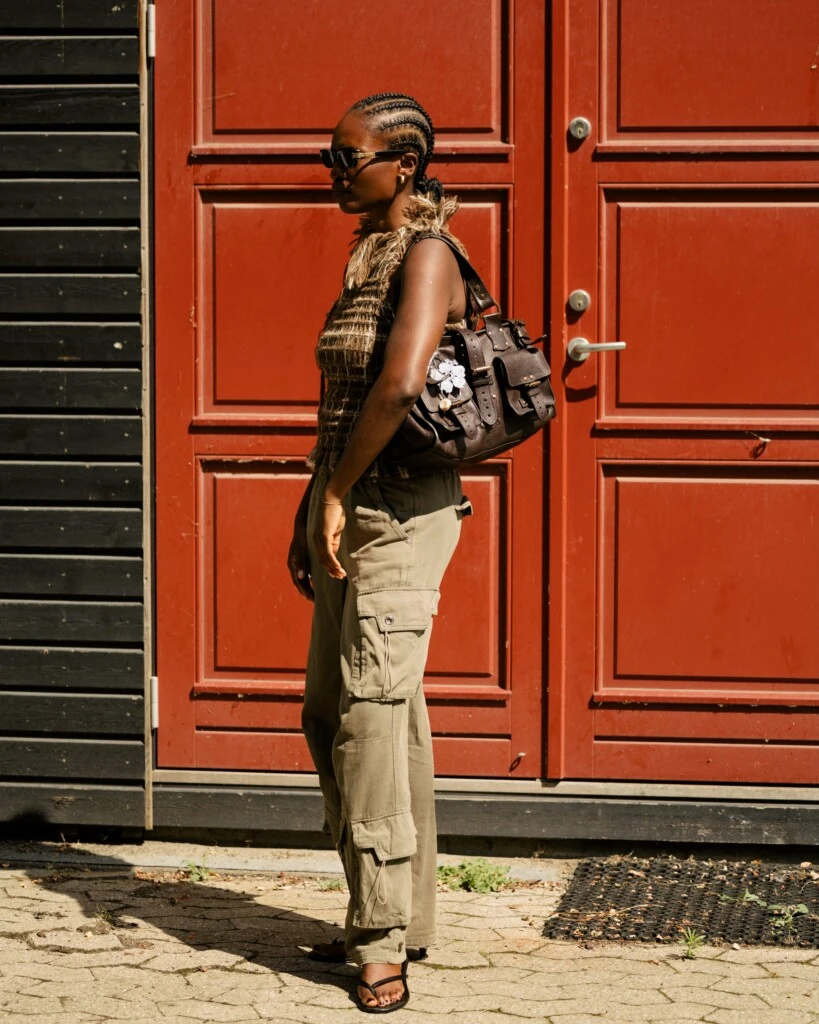
Copenhagen showed that fashion can be creative without losing functionality, conscious without becoming solemn, and sophisticated without depending on traditional luxury.
Two decades after its birth, its greatest achievement perhaps is this: having changed the rules without asking for permission and turning a different way of doing fashion into one of the most watched in the world.