
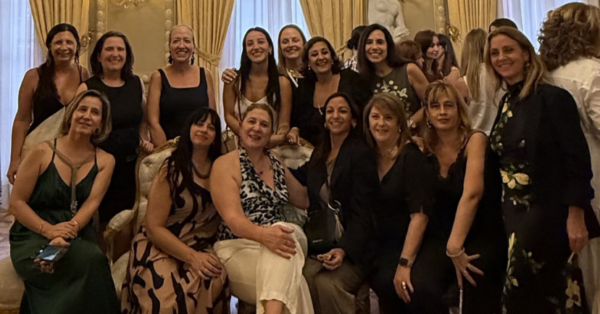
Madrid became the stage for a high-profile strategic gathering where female leadership and bilateral business set the agenda. Within the framework of the third edition of the Immersion Week for Women in Decision-Making (SIMED), organized by Fundación FLOR and the School of Industrial Organization (EOI), a delegation of more than twenty Argentine women leaders travelled to Spain. The week culminated in an institutional cocktail that brought together businesswomen, lawmakers, diplomatic representatives, and private-sector executives at the historic premises of the Real Academia de Ingeniería in Spain to discuss the strategic opportunities of the Mercosur–European Union agreement.
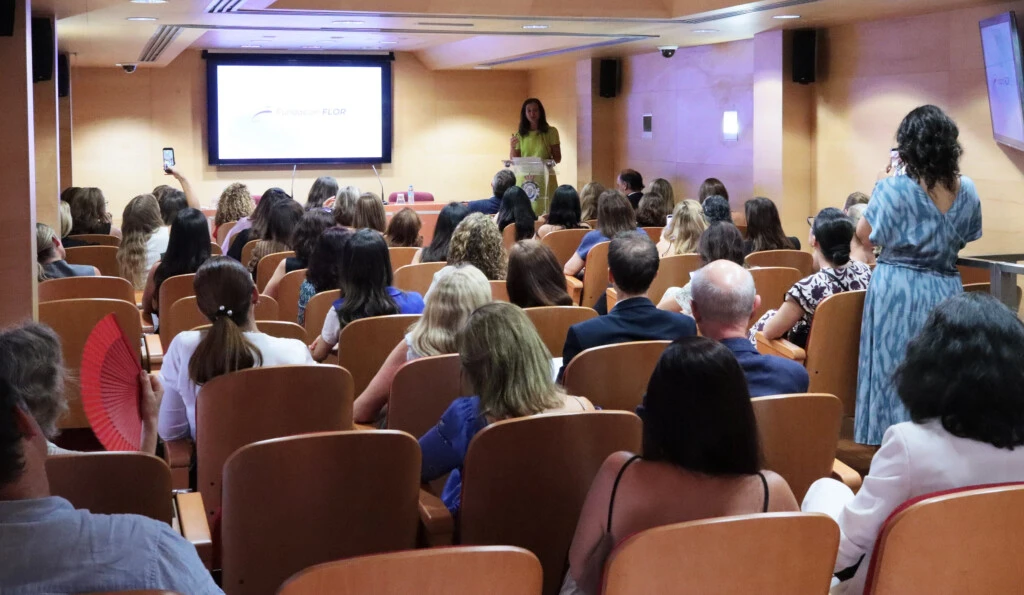
A Bi-Regional Panel Looking at a Key Opportunity
The central debate, titled “Europe and Mercosur: a new agenda of competitiveness, leadership and opportunities,” was moderated by economist and political scientist Ana Basco. The insights shared during the panel sparked deep reflections on how the agreement could open specific doors for women in international business. During the opening, Javier Pérez de Vargas, Managing Director of the Real Academia de Ingeniería de España, underscored the shared conviction with the FLOR Foundation to transform the world for the better, a spirit that guided the entire day alongside the opening remarks of Andrea Grobocopatel, President of Fundación FLOR, and Wenceslao Bunge Saravia, Ambassador of the Argentine Republic to the Kingdom of Spain.
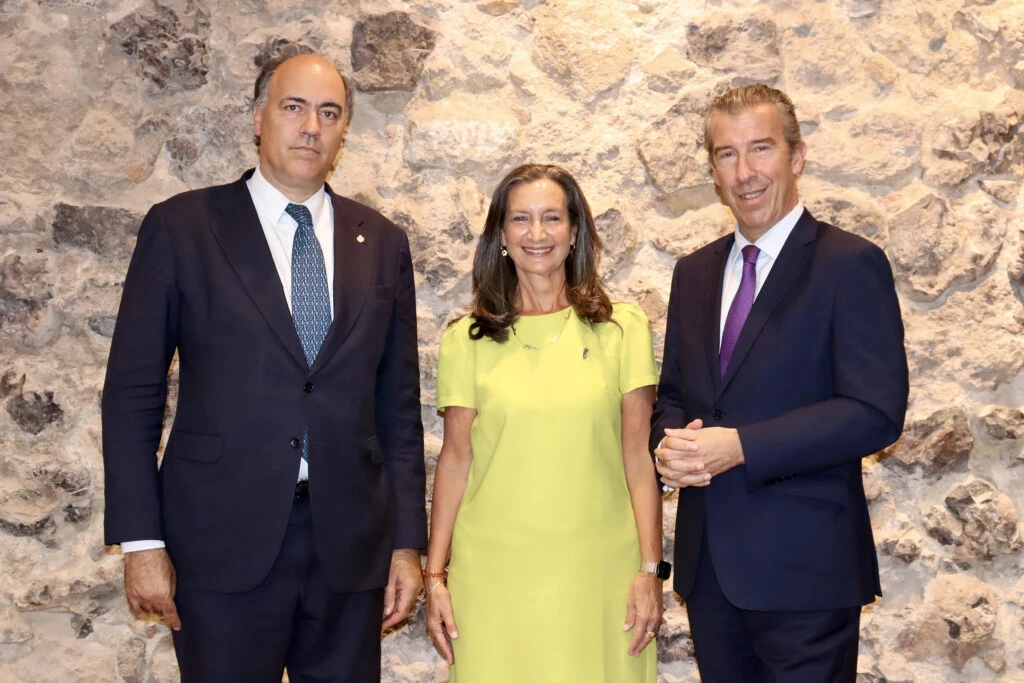
When analyzing the female presence in external markets, Marta Blanco, representative of the CEOE, highlighted the need to diagnose before acting: “If we do not know what the situation of women in the international arena is, we cannot know where we want to go,” she stated, underscoring the importance of increasing women’s participation in internationalization.
For her part, Teresa Mallada de Castro, Doctor Engineer of Mines and member of the Senate Committee on Relations with Ibero-America, emphasized that the objective is not to replace merit with gender considerations, but to ensure that no trained woman is excluded for lack of opportunities, proposing a three-pillar formula: education, networking, and mutual support. In alignment, Ambassador Bunge Saravia offered an honest view of the path travelled, stating that although there is much to do, it has been amazing to contribute over these last two years.
Elite Training and the Value of Building Bridges
The event reflected the conclusion of an intense week of executive training in which the Argentine delegation attended modules on geopolitics, digital transformation, artificial intelligence, business valuation, risk management, and corporate sustainability. The program included talks by prominent specialists such as Elena Pisonero, former President of Hispasat; Eva Balleste, Deputy Director General of the Secretariat of State of the Ministry of Housing and Urban Agenda of Spain; and Nieves Cifuentes, Corporate Environment and Sustainability Manager at Naturgy. In addition, participants undertook technical visits to facilities of major companies such as Airbus and Telefónica to closely observe global trends in competitiveness.
The national delegation was composed of leaders from the financial, technological, industrial, legal, public, construction, consulting, sustainability, human resources, and entrepreneurship sectors: Adriana Vivacqua, Alicia Verónica Gutiérrez, Ana Basco, Ana Carolina Mealla, Ana Lía Fontal, Ana Virginia Balestre, Andrea Lorena Galliano, Claudia Montes de Oca, Daniela Luque, Daniela Lojda, Evangelina Petrizza, Gabriela Martinic, Luciana Magnano, Lucila Andrea Patti, María Silvina Campagnola, Marina Roitman, Marina Dal Poggetto, Marisol Nicoletti, Natalia De Vita, Pía de la Torre, Rocío Soriano, Silvia Cardarelli, and Victoria Peninger.
Towards New Sustainable and Diverse Leadership
Now in its third consecutive edition, the SIMED initiative solidifies itself as an indispensable platform to strengthen leadership networks with an international perspective. The aim is not only economic growth but also the holistic development of corporate structures through equitable conditions.
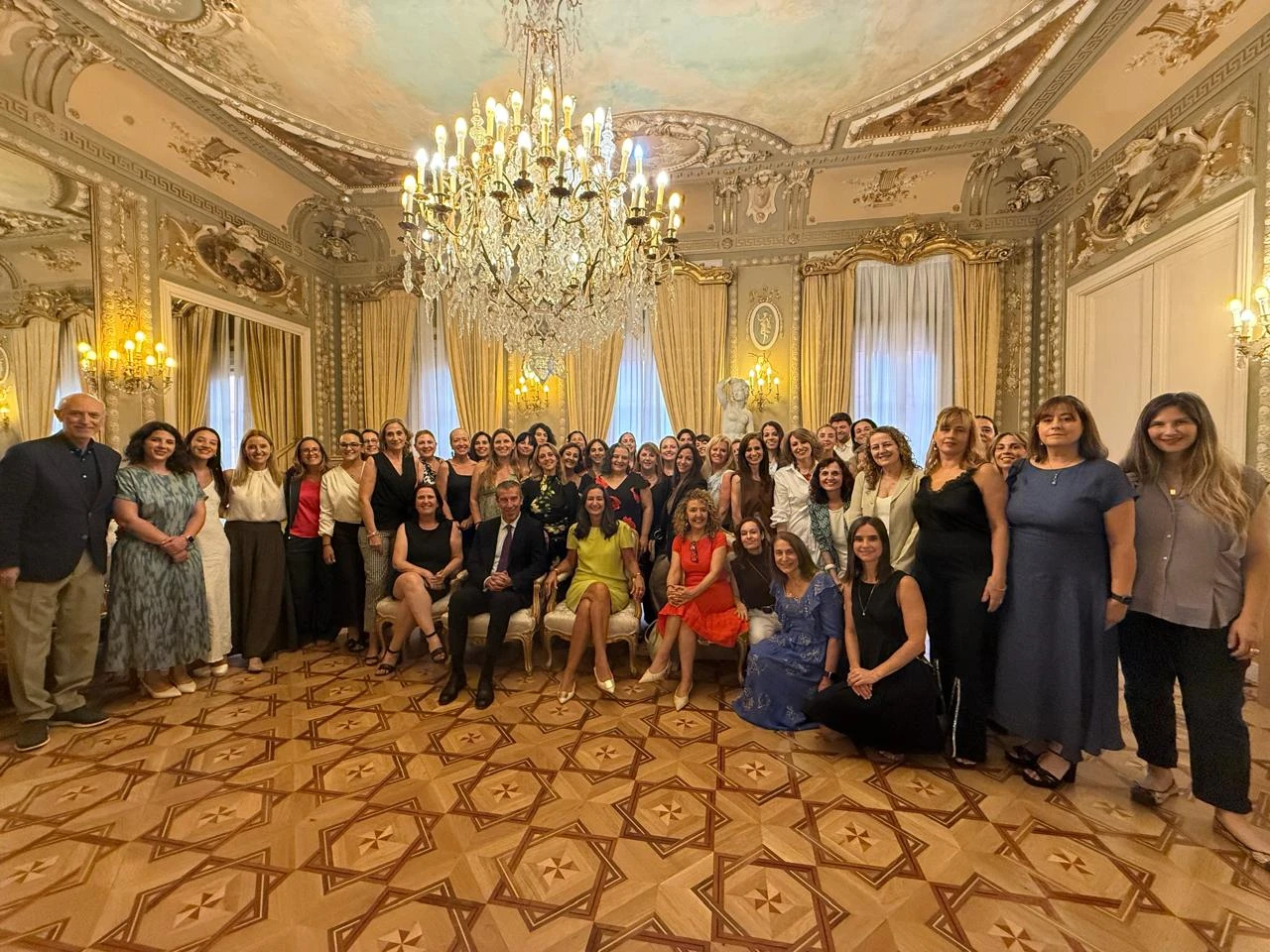
In this regard, Andrea Grobocopatel concluded with a reflection on the impact of these actions: “Equal opportunities are not only a matter of justice; they are also a condition for our organizations, our economies, and our countries to be more competitive, innovative, and sustainable. Educating women to lead these processes is an investment in the development of society as a whole.”
Looking ahead, the president of Fundación FLOR expressed enthusiasm for tackling the next frontier: preparing leadership that is more humane, diverse, and responsible for a landscape shaped by demographic shifts, new forms of work, and artificial intelligence.