
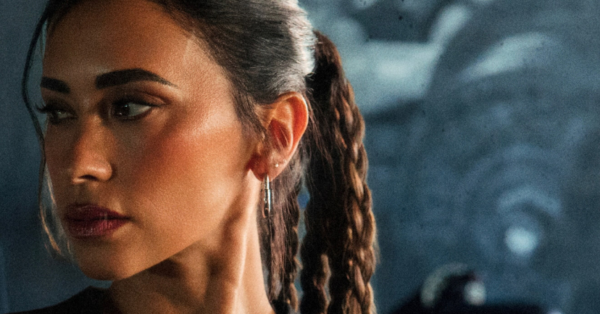
Antonela Roccuzzo showed three strength exercises for the lower body. Which muscles are involved and why this activity is recommended.
A loaded barbell, a hip thrust machine, and a sled are part of the training Antonela Roccuzzo shared on her social networks. The images come from different sessions focused on the lower body and allow us to recognize different strength exercises.
Although the photos do not reveal how her plan is organized, how many repetitions she performs, or what loads she uses, they do provide an opportunity to observe which movements she chose and which muscle groups are mainly involved.
Hip thrust: the exercise focused on the glutes
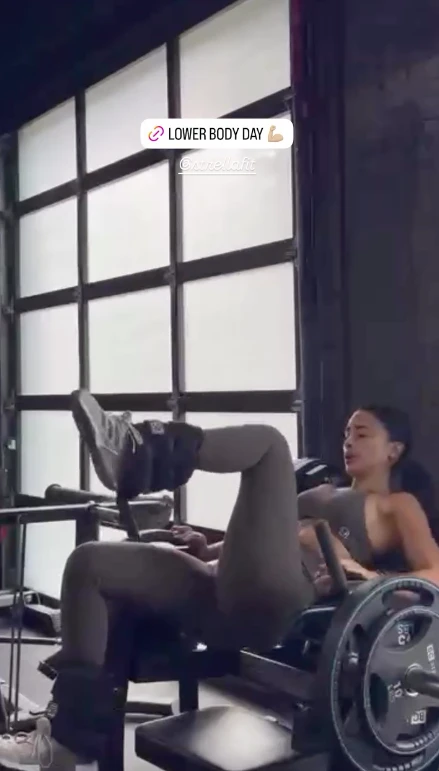
In the first images, Antonela appears performing a hip thrust on a machine. The movement consists of lifting the pelvis against resistance while the upper back remains supported.
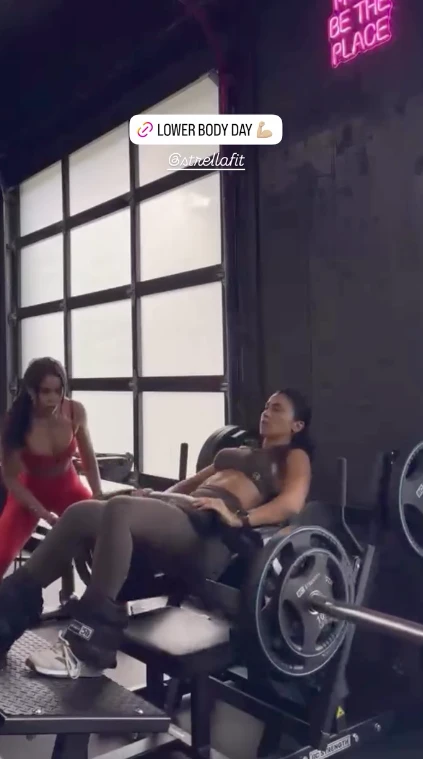
The exercise primarily works the glutes, though the hamstrings—located at the back of the thighs—also participate, along with the core, which helps to maintain posture throughout the movement.
In one frame, a leg is raised, so it could be a unilateral variation or a moment of transition between repetitions. Since it is a single image, it is not possible to confirm this or evaluate the full execution of the movement.
Barbell lunge: strength and stability
Another photo shows her in the bottom phase of a backward barbell lunge. One leg remains planted forward while the opposite knee moves toward the floor.
Lunges primarily engage the glutes, quadriceps, and hamstrings. When performed with one leg forward and the other back, they also demand stability and engagement of the core.
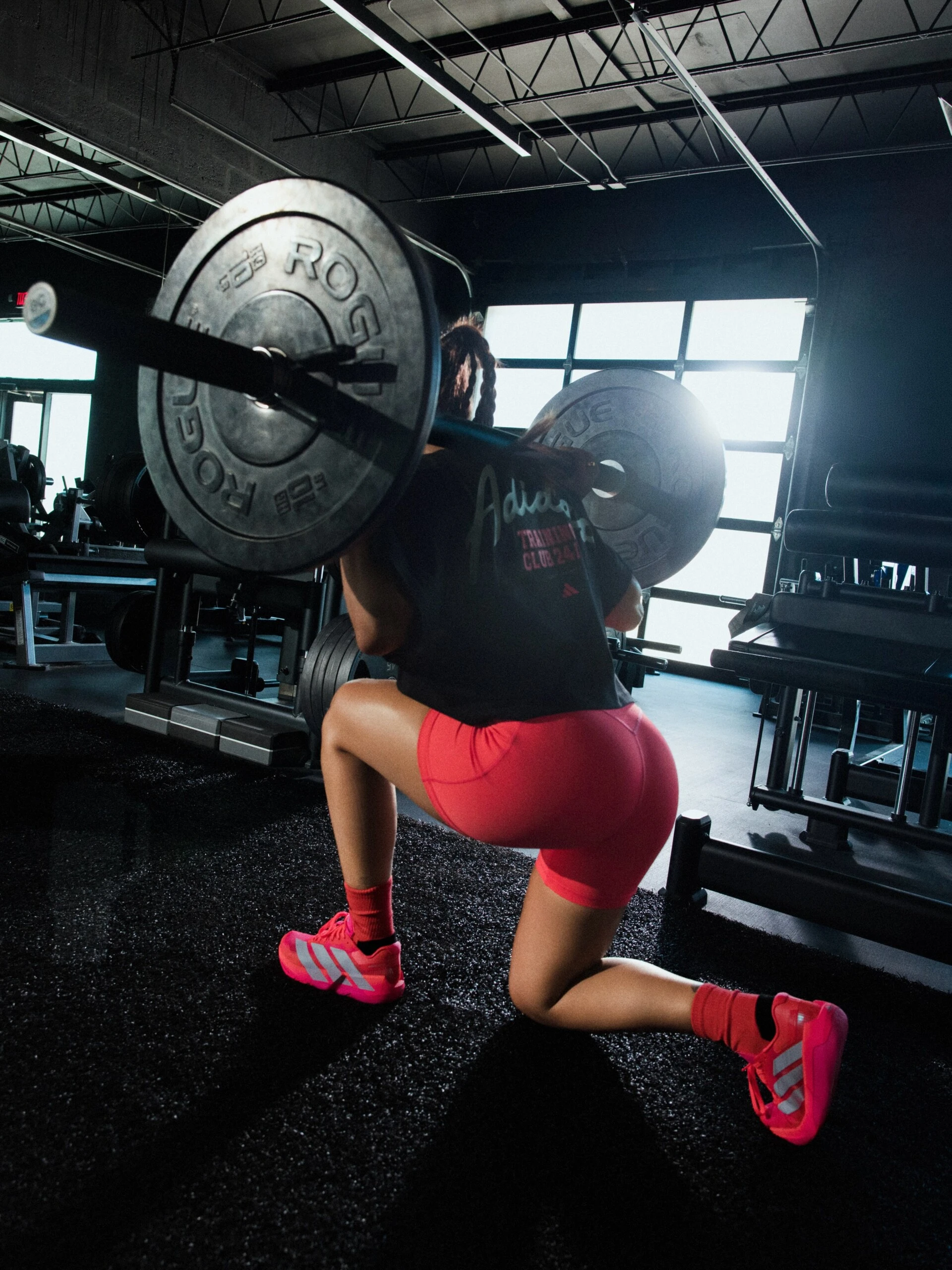
The bar adds extra resistance, but the appropriate load depends on the individual’s experience, technique, and conditions. Before increasing weight, it is important to learn the movement and to have professional supervision.
The sled push, a movement that engages the whole body
In another scene, Antonela pushes a loaded sled while her body remains inclined forward. The legs and glutes are the primary drivers, but they do not work alone.
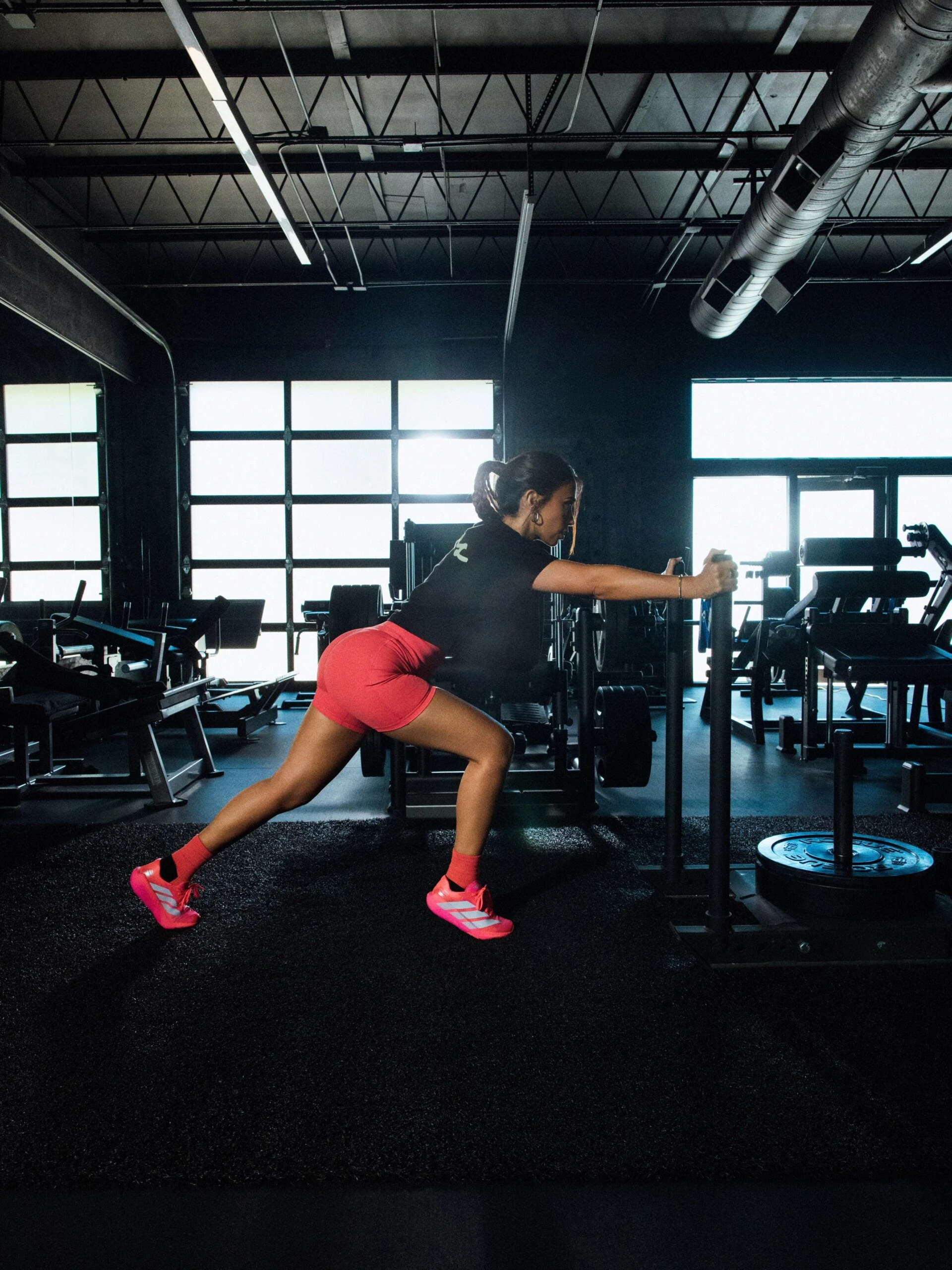
The arms, shoulders, and core also engage to maintain the position and transfer force to the frame. Therefore, even though it appears in a session labeled as “lower body day,” the exercise requires coordination across different regions of the body.
Why doctors recommend performing strength exercises
The strength training is no longer associated only with increasing muscle mass or athletic performance. It is now part of the general physical activity recommendations for adults.
The World Health Organization advises carrying out strengthening activities that involve the major muscle groups at least two days per week. These practices complement aerobic activity, for which it recommends 150 to 300 minutes per week of moderate intensity.
The United States Centers for Disease Control and Prevention also include two weekly strength sessions and note that physical activity helps protect bones and muscles and support daily activities.
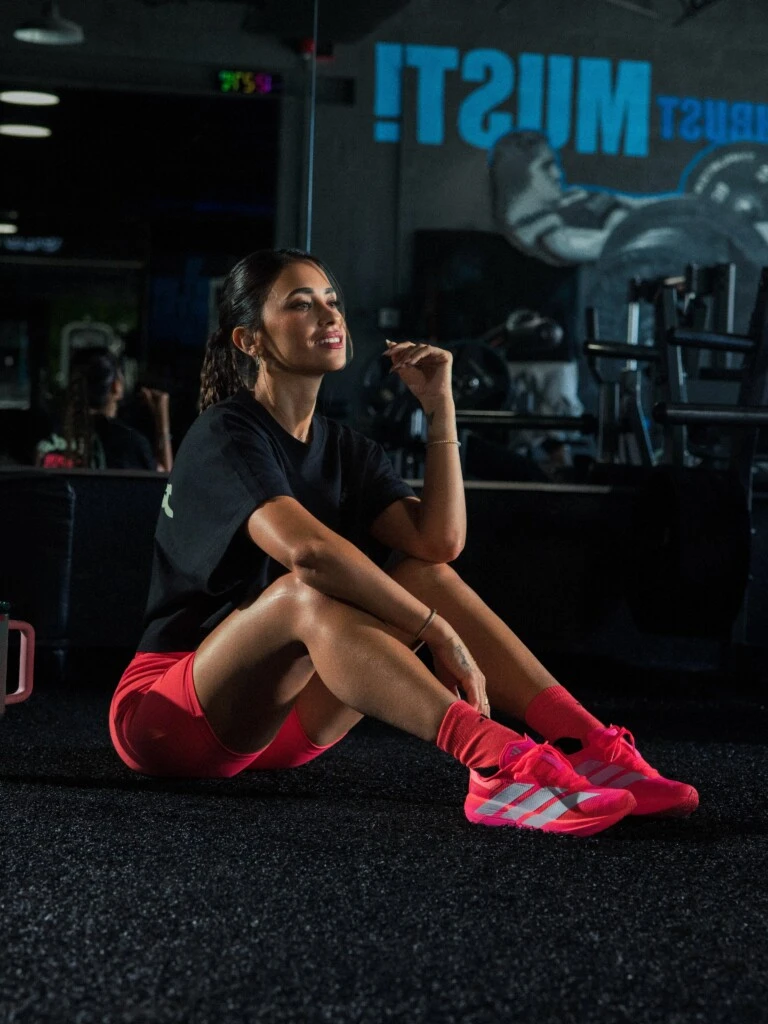
Strength training does not necessarily require lifting a heavily loaded bar. It can also be performed with machines, dumbbells, resistance bands, or body weight. The choice of exercises, intensity, and progression should be tailored to each person.
The images of Antonela allow recognition of some movements, but they do not constitute a routine to reproduce verbatim. Technique, load, rests, and frequency need to be adjusted with professional guidance, especially when starting.