Cancer. A word that scares even before it touches us closely. Andrea Ciraolo had already felt that fear when one of her best friends received the diagnosis. She stood by her friend, trying to stay positive, even as inside she wrestled with anguish and fear for what could happen to her friend.
Sometime later, the word stopped feeling foreign. In July 2020, while showering, Andrea found a small lump in one of her breasts. She had no symptoms and there were no signs in her previous checkups. Her annual exams were scheduled for March, but the onset of Covid lockdown had interrupted that routine.
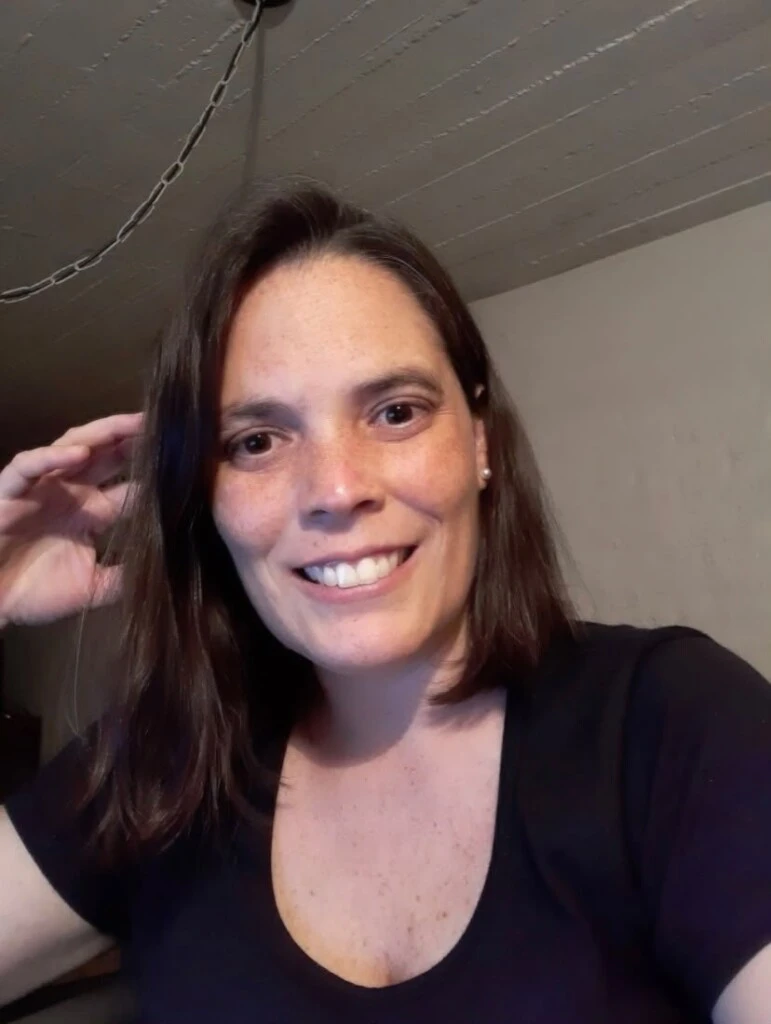
Andrea is 48 years old, a Mathematics teacher and works at a center specialized in visual health. She has always lived in Quilmes, and it was there that she faced the diagnosis and treatment, supported by her parents, sisters, friends, coworkers, cousins and aunts.
As the closing of Breast Cancer Awareness Month, the month dedicated to raising awareness about breast cancer, she shares in first person the fear, pain and strength she found in those who accompanied her.
From Others’ Fear to Receiving Her Own Diagnosis
—What did the word cancer mean to you before you had it?
—For me, the word cancer evoked fear and anxiety. When I learned that one of my best friends had fallen ill, I felt deep worry about what could happen to her. Although I always showed positivity for her, I believe she is now understanding what I truly felt.
—How did you find out that you had cancer?
—Then came the day when it happened to me. I will never forget it. I was in the shower and felt a small lump, one that I could grasp with my fingers. I got scared. I happened to be at a friend’s house, and she promptly sent me to the clinic.
I remember it was cold. I was attended to quickly and, even though we were in a pandemic, they scheduled all the tests from one week to the next.
—Do you remember what you felt when you were told the diagnosis?
—The day arrived when I went to pick up the result. My sisters were with me, as always. When the doctor told me I had cancer, and that it was one of the more aggressive forms, I only asked how the treatment would be like.
To one side, one of my sisters cried. The other was in shock. Then we went home and talked about how we would tell our parents.
The Moment to Talk with Her Family
—How was it to tell your parents what was happening?
—The day came. It was Saturday and it was raining. The three of us went to tell them. My mom cried. My dad got up and walked to the kitchen. I know at that moment he couldn’t understand how I could be sick.
—What happened when you told your friends and the rest of your circle?
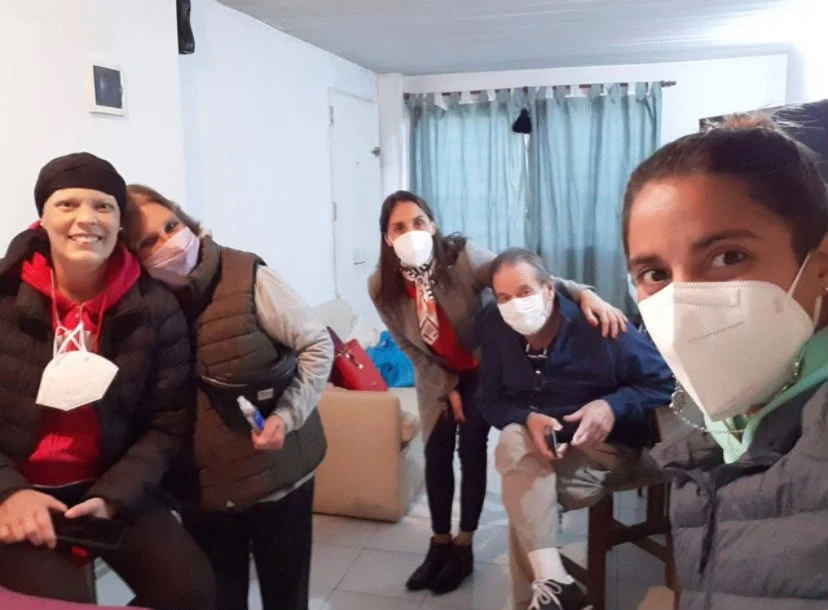
—Then I told my friends. They were all there: my group, the Mosqueteras; my coworkers, who came and gave me a beautiful haircut; and my cousins and aunts.
Everyone stood by me together with my parents and my sisters. During most of the chemotherapy sessions, they waited for me at the corner bar.
The Support of Doctors and Loved Ones
—How was the treatment by the medical staff that accompanied you?
—The doctors who treated me, including the gynecologist, the oncologist, and the breast surgeon, were the best. They always answered every question I had. And not to mention the nurses in the chemotherapy ward.
—What was it like to go through the treatment?
—The treatment was tough. The truth is that there were very hard moments, when I couldn’t move. My legs and hands hurt a lot, and I had a lot of stomach pain.
All I wanted was for it to pass quickly, for the discomfort to end and for that little lump to disappear. It was a very hard process. I kept thinking that I wanted to return to my normal life.
—Where did you find your emotional refuge?
—I felt supported by all the people I love. They were always there, accompanying me.
“I Wondered Why It Had Happen to Me”
—Did you ever get angry?
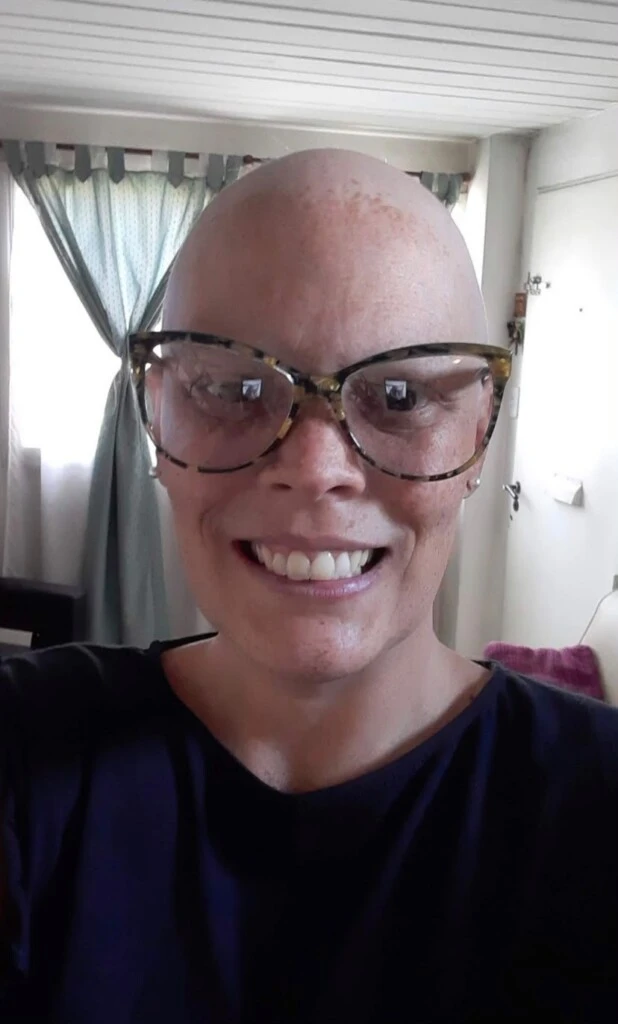
—I got angry and asked: “Why did it have to happen to me?” I cried a lot that day. But then I told myself: “This will not defeat me.” And so it happened: I conquered it.
—Do you feel the illness taught you any lessons?
—I think it taught me to realize that I have to slow down and put myself first.
—What is cancer to you today?
—It is something I have overcome and that still scares me, despite everything. I also learned that the most important thing is being with people who make you feel good and who love you.
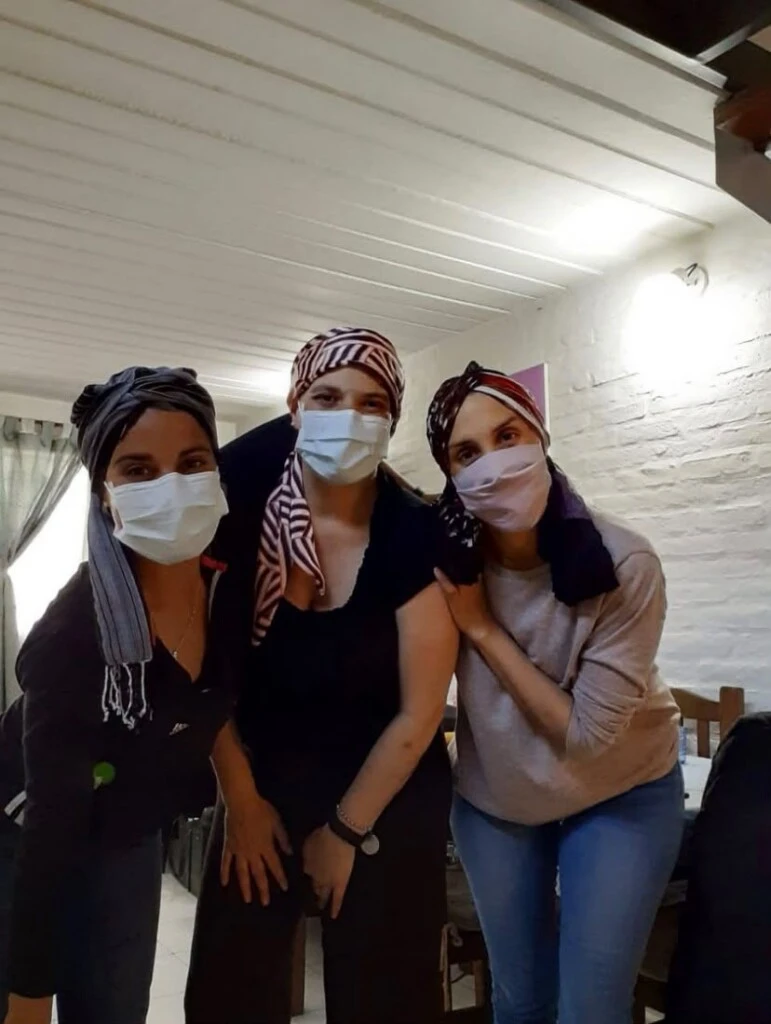
Gracias a mi familia y a mis amigos.