
As medicine advances with increasingly targeted treatments to improve the physical health of older adults, specialists from different disciplines insist that there is another aspect worthy of equal attention: emotional well-being. In this context, animal-assisted interventions are gaining increasing scientific support.
A study published in 2019 in the journal Anthrozoös, for example, documented that animal-assisted therapy significantly reduced agitation episodes in people with dementia. However, when talking about these programs, people almost always think of dogs. What about cats?
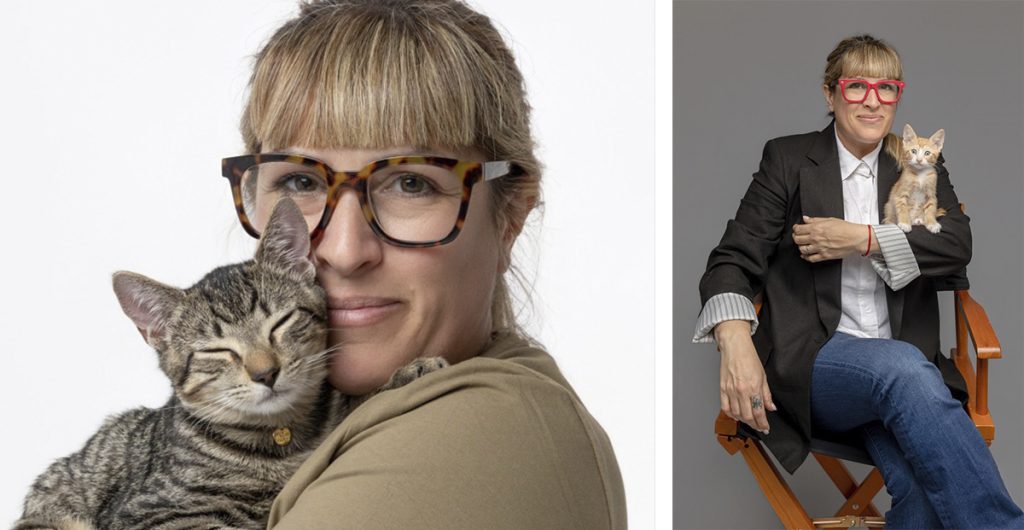
To learn what benefits they could bring in nursing homes for older adults and why they are still an underexplored tool, Para Ti spoke with Alejandra López Irala, a certified feline behavior consultant.
“Cats have characteristics that make them especially interesting for these kinds of settings”
—A study published in Anthrozoös showed that animal-assisted therapy can significantly reduce agitation episodes in people with dementia. What evidence exists specifically regarding the benefits of cats in older adults?
—The scientific evidence on animal-assisted therapy in older adults is increasingly robust, especially in programs that have used dogs, where improvements in emotional well-being, social interaction, and, in some cases, a reduction in agitation in people with dementia have been observed.
In the specific case of cats, research remains limited. However, we know that living with animals can help reduce the sense of loneliness, provide companionship, stimulate social interaction, and bring a sense of calm and purpose in the daily lives of many older people.
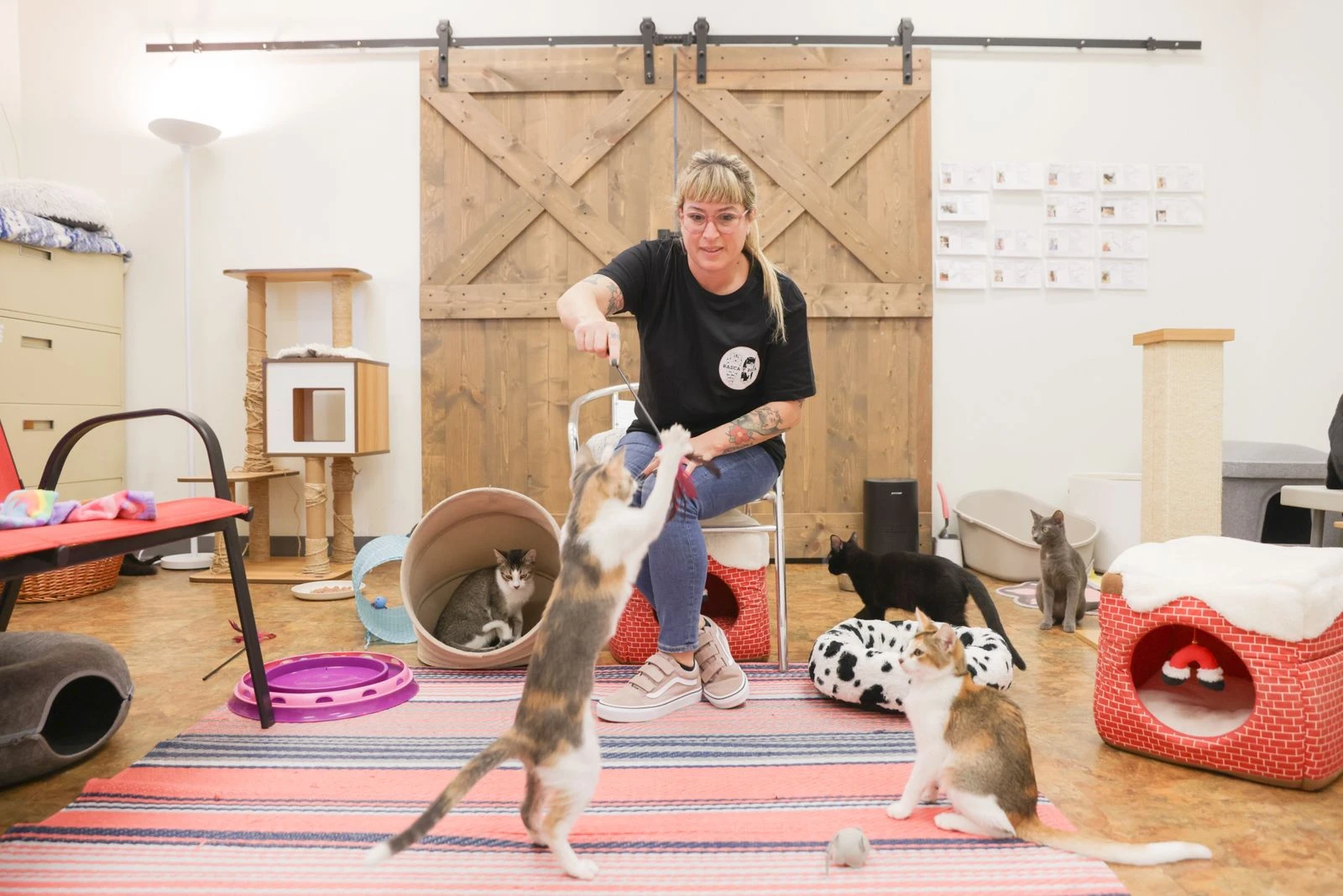
Moreover, cats have traits that make them particularly interesting for this type of environments: they tend to adapt well to indoor spaces, require less infrastructure than a dog and many people find in their way of interacting a calm and non-intrusive companionship. This opens up a huge opportunity to develop more research and well-designed programs that allow evaluating their specific impact.
“Many myths about cats still persist”
—You suggest that feline therapy still does not form part of geriatric protocols. What is the reason for that?
—I think several factors influence this. For many years, most research and intervention programs involving animal-assisted therapies were developed with dogs, so the existing models were built around that species. Cats were practically left out of that scientific agenda.
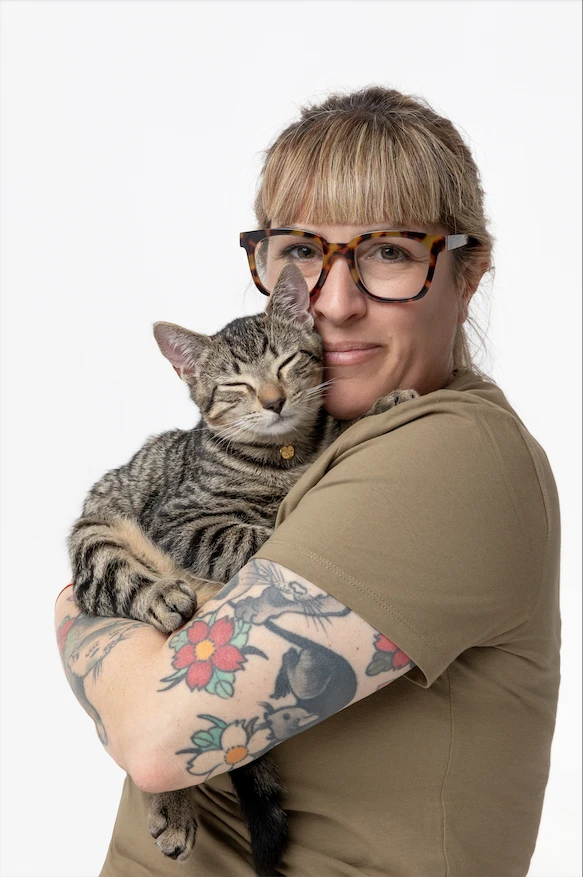
There are also cultural barriers. Many myths about cats persist: that they are aloof, independent, or incapable of forming deep bonds with people. Today we know, thanks to research in feline behavior, that this is not the case. Cats form attachment bonds with their caregivers, recognize routines, seek social contact, and can develop very close relationships with people.
Additionally, institutional issues come into play. Incorporating an animal into a residence requires clear protocols, staff training, animal selection criteria, veterinary follow-up and ongoing assessment of the welfare of both residents and the cat. It is not simply a matter of “having a pet,” but of implementing an evidence-based, responsible program.
“Cats decide when to approach, with whom to stay or on which lap to sleep”
—We read this statement: “For an elderly person who lost autonomy, being chosen by an animal is something no institutional schedule can replace.” What happens in that bond between a cat and an older adult that can be so restorative?
—That sentence sums up something very deep. In a residence, a large part of the routine is organized around schedules and decisions made by others. Many people feel they have lost part of their autonomy and their ability to choose.
With cats, something different tends to occur: they also choose. They decide when to approach, with whom to stay, or on which lap to sleep. When a cat spontaneously seeks out a person, that gesture is often experienced as a form of genuine acceptance, not because someone programmed it, but because the animal decided to establish that contact.
That experience can strengthen self-esteem, generate positive emotions and foster a very meaningful emotional connection. It is a bond that is built from authenticity and mutual respect, not from obligation.
“The environment must be designed with the cat in mind as well”
—How should a coexistence or cat-assisted therapy program be implemented in a geriatric home to guarantee the welfare of both residents and the animals themselves?
—The first step is to understand that the cat’s welfare is as important as that of the people. Not all cats enjoy these environments, so animal selection should be made considering temperament, history, health status and the ability to function comfortably in a social setting.
The program should include clearly defined sanitary, environmental and handling protocols: regular veterinary checks, preventive medicine, hygiene, cleaning and proper management of litter trays, evaluation of allergies or immunocompromise in some residents, fall prevention and training of staff on feline behavior and respectful handling.
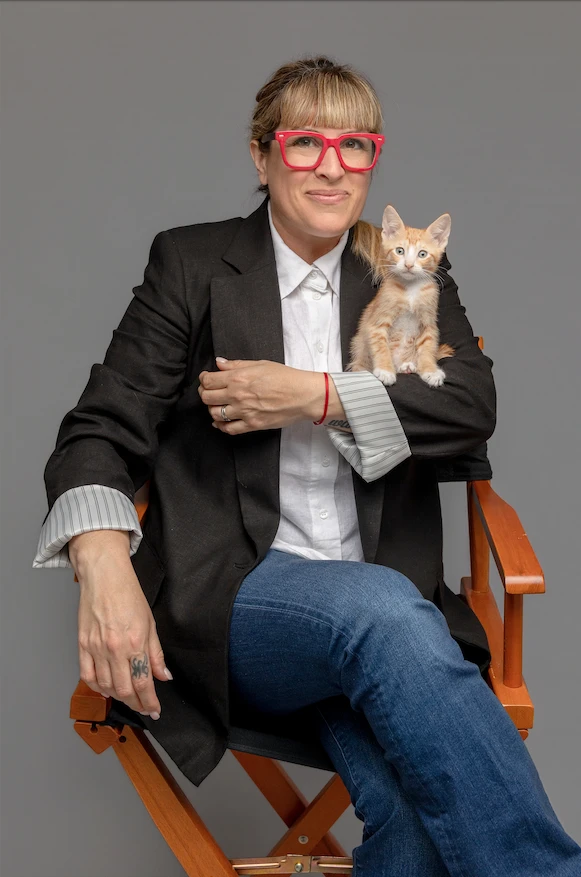
Additionally, the environment should be designed with the cat in mind as well. It needs to provide refuges, elevated spaces, exclusive resting areas, continuous access to water, food and a litter box, as well as the possibility to withdraw from interaction whenever desired. The cat’s participation must never be forced, and its behavior should be monitored continuously to detect any signs of stress.
When there is proper planning and the needs of both parties are respected, coexistence can develop safely and be highly beneficial.
“When that balance is achieved, the benefit is for everyone”
—If you had to persuade the administrators of a senior residence to incorporate cats into their wellness programs, what would be the main benefits you would point out?
—I would tell them that it is not merely about adding a cat, but about incorporating a tool to promote quality of life.
A well-implemented program can foster the residents’ emotional well-being, reduce feelings of loneliness, stimulate social interaction, generate conversations and strengthen the sense of belonging within the community. It can also provide opportunities to maintain small care routines, always adapted to each person’s possibilities, reinforcing a sense of purpose and participation.
At the same time, such a program signals a strong institutional commitment to a person-centered care model, where emotional well-being occupies a place as important as physical care.
That said, success never depends solely on the presence of the cat. It depends on professional implementation, with clear protocols, ongoing follow-up and an absolute priority: protecting the welfare of both residents and the animal itself. When that balance is achieved, the benefit is for everyone.
Alejandra López Irala is a Certified Cat Behavior Consultant (CCBC), Fear Free®️ Certified-Cat Friendly Practice professional, Director of Americas – International Association of Animal Behavior Consultants (IAABC), Founder of Rasca y Pica.