
Neither dyeing all the hair nor letting the grays stand out completely. There is an intermediate point that is increasingly taking center stage in the world of beauty: integrating white hairs through a multidimensional color that respects the natural base.
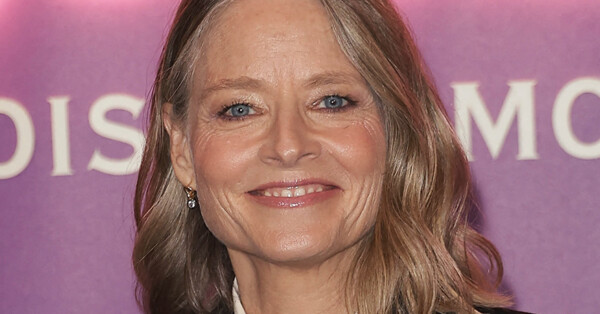
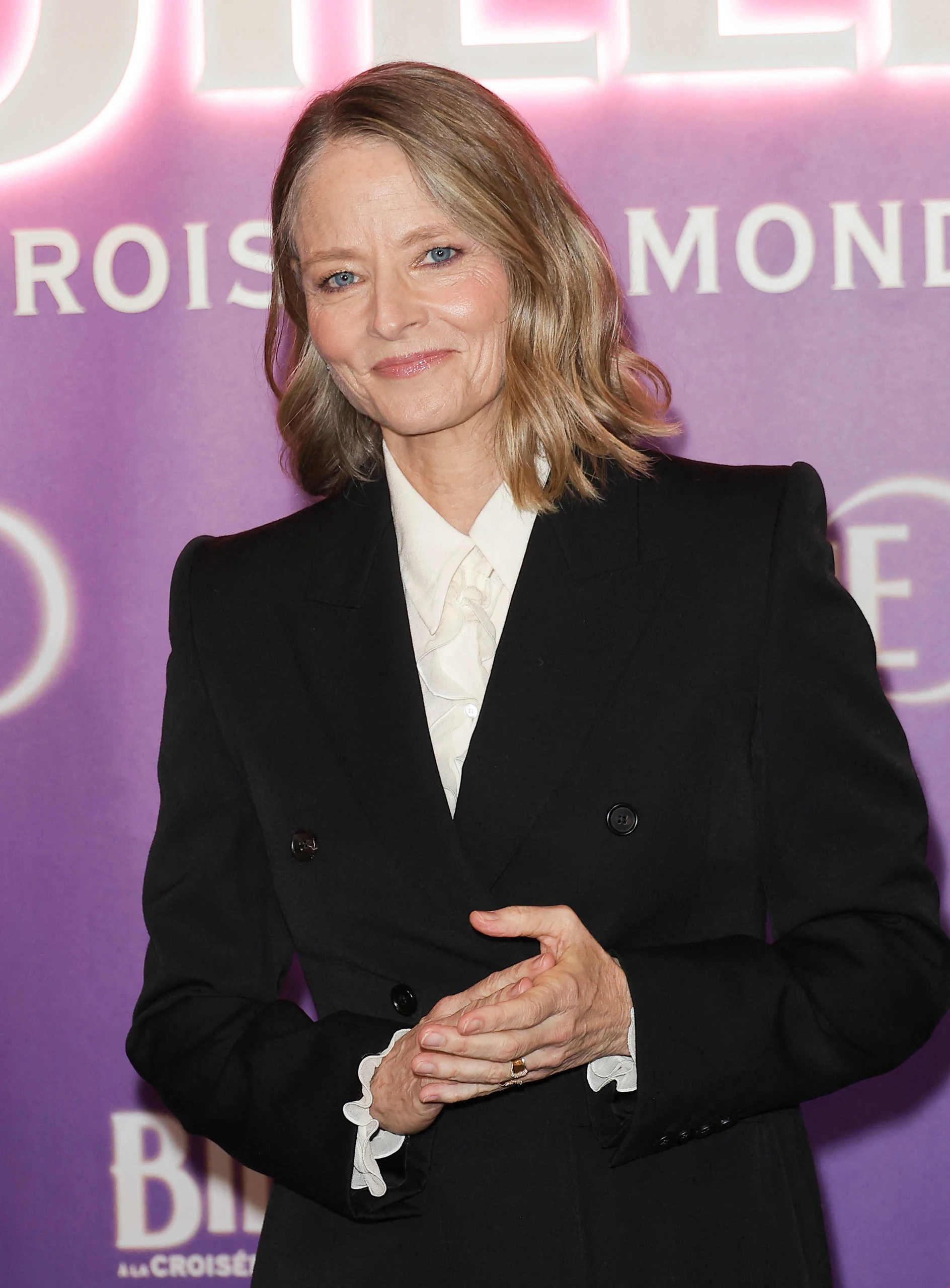
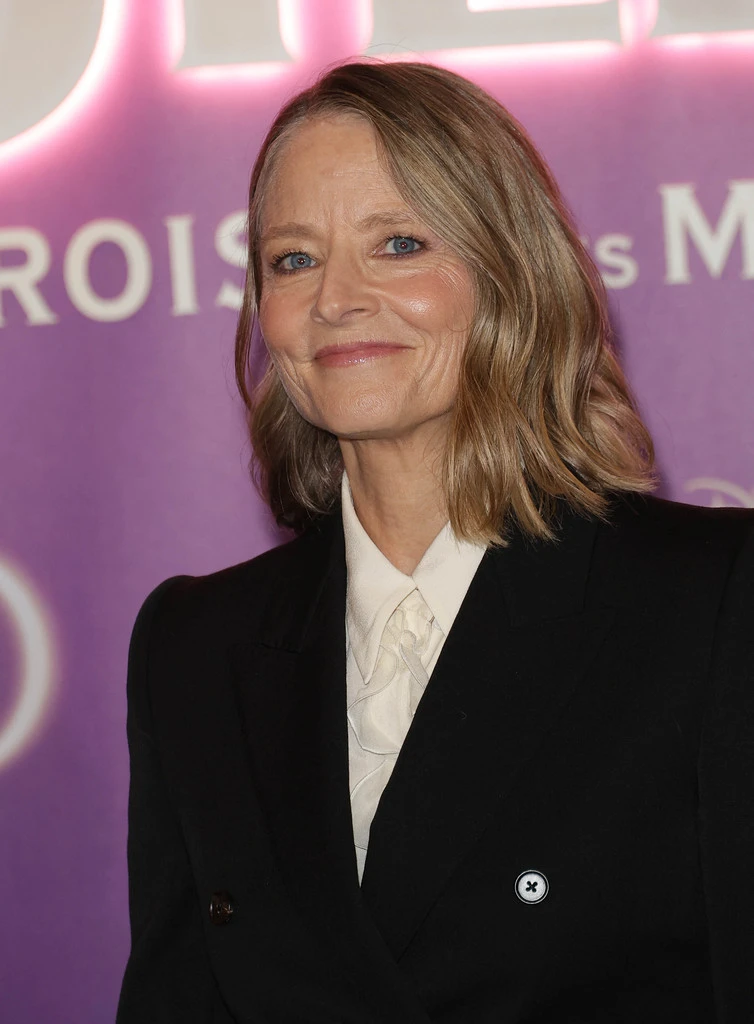
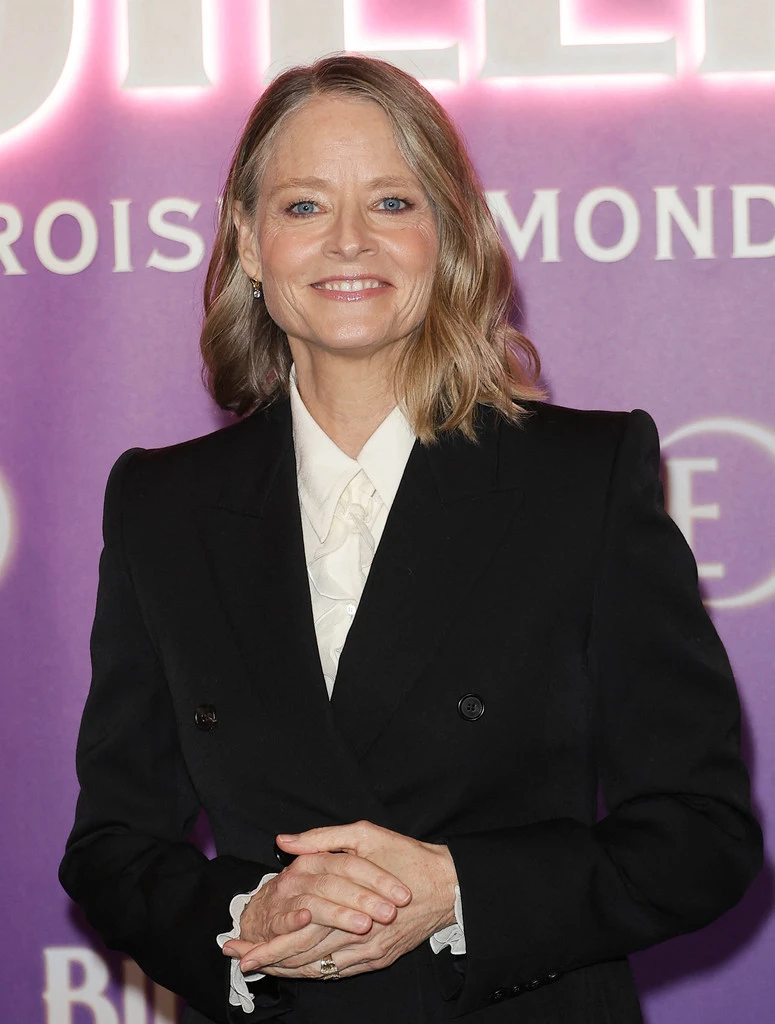
Jodie Foster is a major inspiration for understanding this trend. In one of her recent public appearances, the actress wore a dark blond mane with beige undertones, cool highlights, and lighter strands around the face. The result is a natural, luminous, and sophisticated coloring that helps soften the contrast between the grays and the rest of the hair.
The technique is known as grey blending and has become an alternative for those seeking a smoother transition toward gray hair, without necessarily relying on a uniform dye.
The Hair Color of Jodie Foster: Natural Blonde with Highlights That Integrate the Grays
The secret of Jodie Foster’s look lies in the combination of tones. Instead of opting for a very light and uniform blonde, her mane features a base of dark blonde or light brown, with beige tones and cool strands that blend with the silver hairs. This mix of shades creates depth and prevents the grays from standing out as isolated lines on too dark a base.
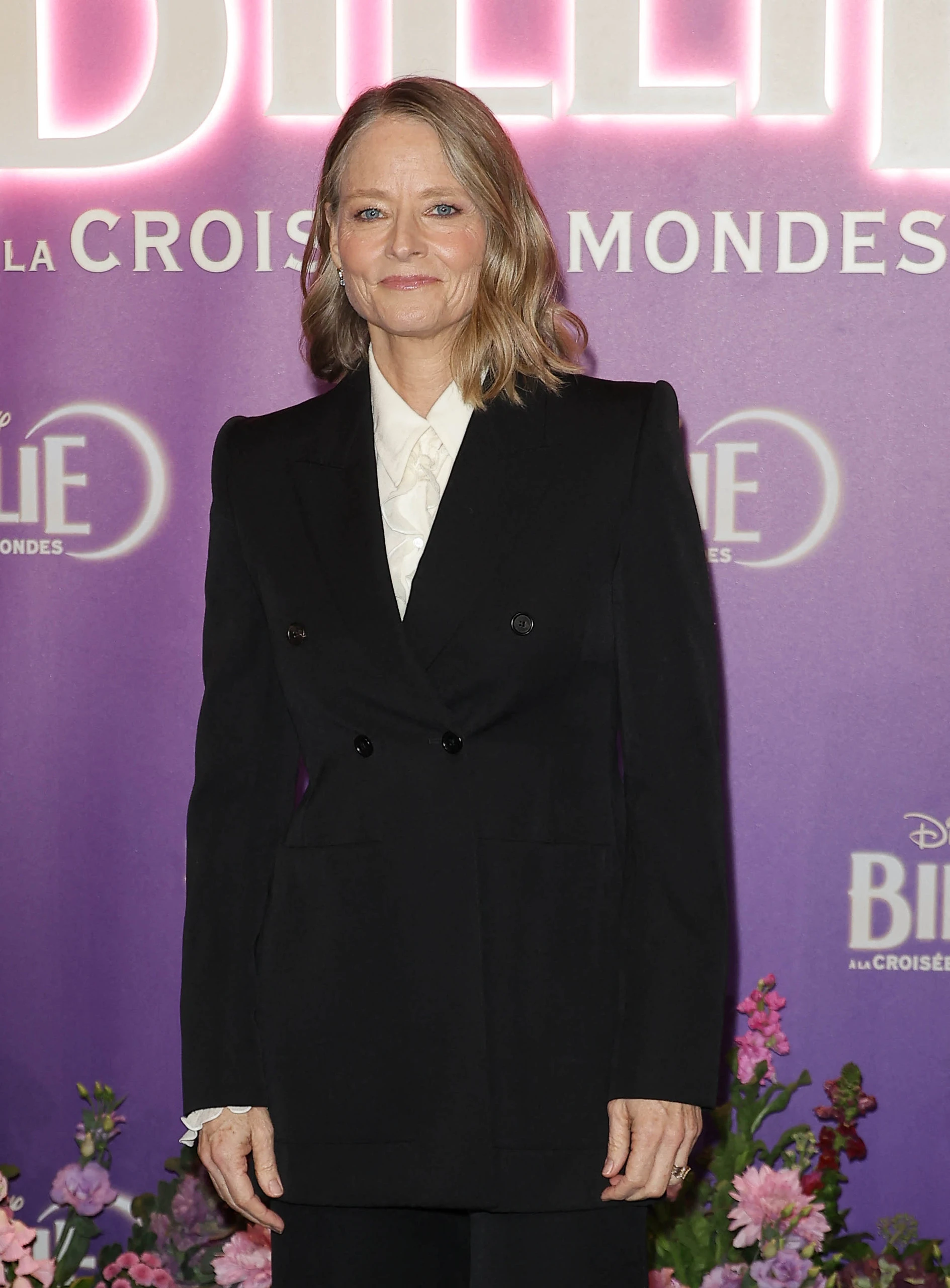
The technique aims to make natural regrowth less evident, since there isn’t a sharp separation between the dyed hair and the new growth.
In addition, it allows maintaining a fresh and current image, without giving up the personality that gray hair brings.
The secret lies in the strands that frame and illuminate the face
One of the most interesting details of Jodie Foster’s look is the presence of lighter strands on the sides of the face. This resource, known as face framing, consists of working the color around the face to bring brightness and highlight the features.
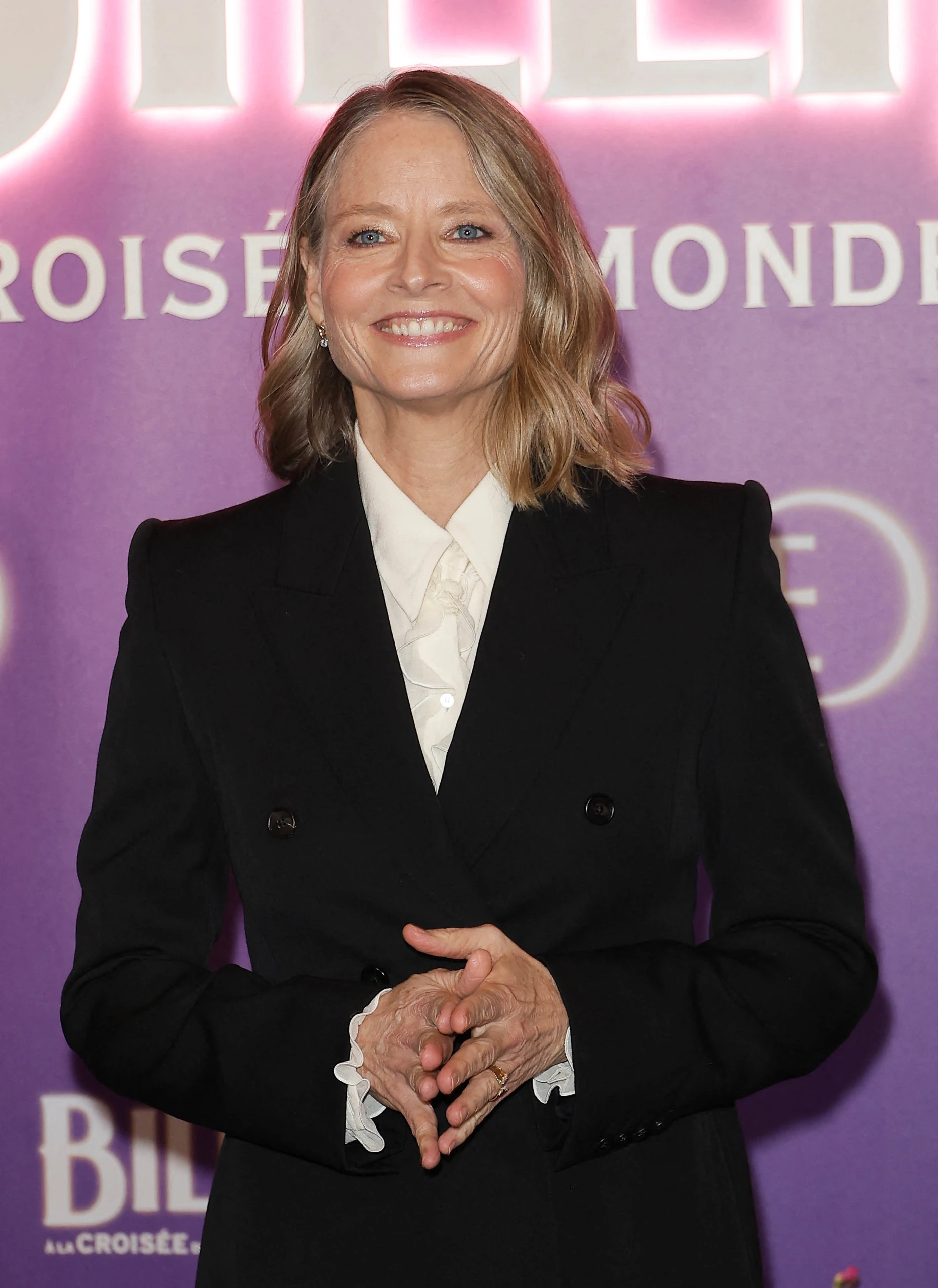
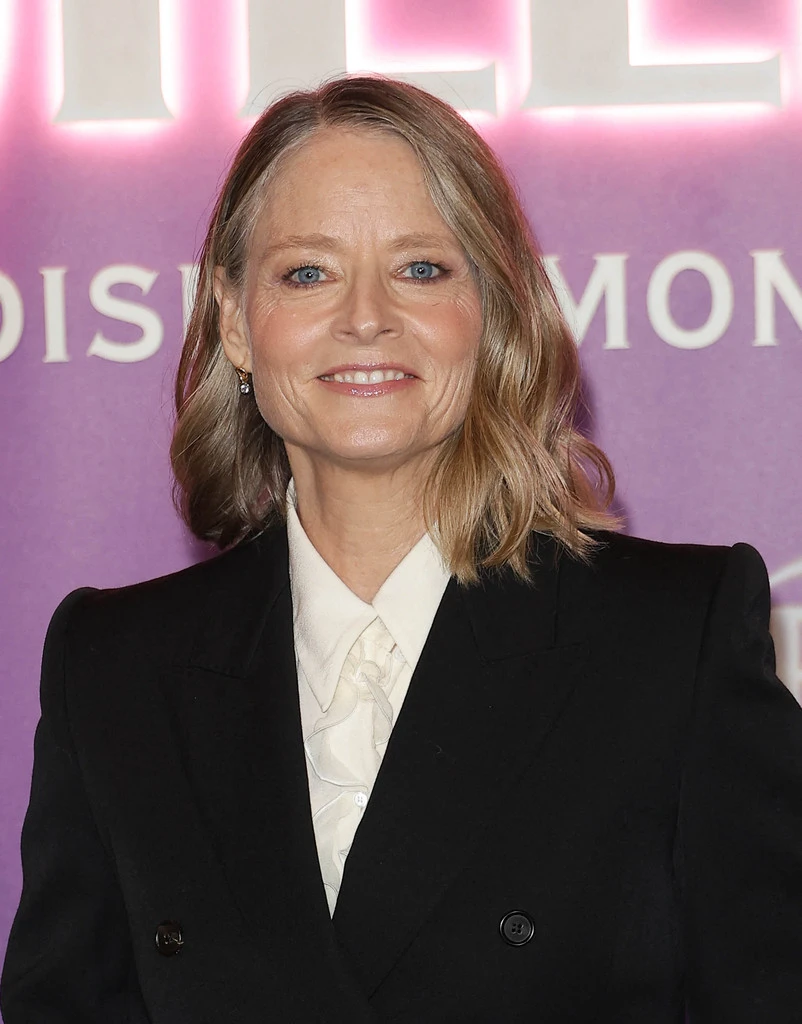
In the case of the actress, the silver and cool blond strands blend with the rest of the mane, creating a soft and natural frame. The technique has two advantages: it visually integrates the grays that often appear at the temples and it adds light near the face.
In fact, coloring specialists emphasize that strategically placed highlights around the face and at the hairline can soften the differences between the natural color and the first white hairs.
Marco Bustamante explains why this coloring is ideal for disguising gray hairs
To understand what makes this technique so flattering, we consulted on the coloring approach proposed by Jodie Foster’s look. The key is to choose tones that accompany the natural base of the hair and allow the grays to integrate, rather than trying to cover them all with a uniform color.
In this type of work, the stylist can combine fine highlights, different blonde intensities, and strategic lighting around the face. Thus, the hair maintains depth, and the growth of the grays can appear more discreet.
“The key isn’t to cover all the grays, but to integrate them into the natural color of the hair. When we work with soft highlights and strategically brighten the contour of the face, we achieve a more luminous mane, with movement and a much more harmonious growth,” said Marco Bustamante.
Who does the color inspired by Jodie Foster flatter
One of the greatest advantages of grey blending is that it can adapt to different ages, hair types, and amounts of gray. It is especially interesting for women who are starting to notice white hairs and do not want to commit to a permanent dye on the entire head.
It can also work for those who have been dyeing their hair for years and want to begin a gradual transition to their natural color.
In dark bases or light brown bases, beige and ash highlights tend to blend more easily. On darker hair, it may be necessary to work with other tones to avoid excessive contrasts. The choice will depend on the amount of gray, the base color, the hair’s condition, and the desired result.
How to request this color at the salon
If you want to draw inspiration from Jodie Foster’s look, the ideal approach is to bring a reference photo and discuss with your colorist the possibilities for your hair.
Here are the key points you can keep in mind:
- Preserve a natural base: it isn’t necessary to lighten the entire mane to achieve a luminous effect.
- Add fine highlights: they allow blending different tones without creating overly marked strips.
- Lighten the face-framing area: strands near the face can add brightness and help blend the grays at the temples.
- Avoid excessive contrasts: a smooth transition between roots, mid-lengths, and ends tends to look more natural.
- Choose a personalized maintenance: touch-ups will depend on the amount of gray, regrowth, and the chosen tone.
A trend that proposes a new way of wearing grays
For a long time, coloring was associated with the need to hide every white hair. Today, integration techniques offer a different perspective. The goal no longer has to be to cover all the grays, but to incorporate them into a mane with nuance, depth, and movement.
Jodie Foster demonstrates that silver highlights can coexist with blonde tones and become part of an elegant and current look.
The key is to find a color that accompanies the natural hair and does not force you to constantly fight against its growth.