
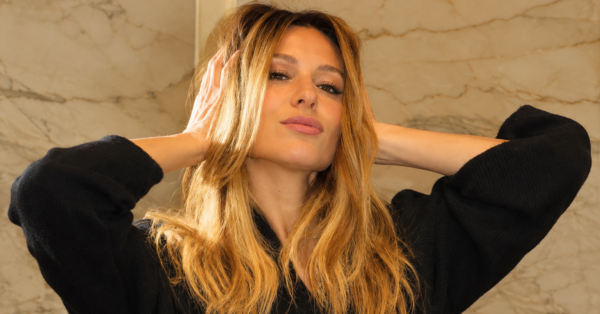
With the arrival of warmer weather, the desire to brighten the hair tends to arise, add highlights or try a lighter shade. However, when starting from a dark base, one of the main questions is how to achieve the change without subjecting the hair fiber to a too aggressive transformation.
The new look of Pampita offers a possible answer. The model left behind her characteristic brown mane and debuted a luminous, warm blonde with different depths. The change was overseen by Zacarías Guedes, who explained in an exclusive interview with Para Ti the procedure he used.
Rather than trying to reach a uniform, very light blonde in a single session, the specialist chose to build the color progressively and preserve certain contrasts. The result is more natural, adds light to the face, and avoids the overly pale or ashy effect that dominated for several seasons.
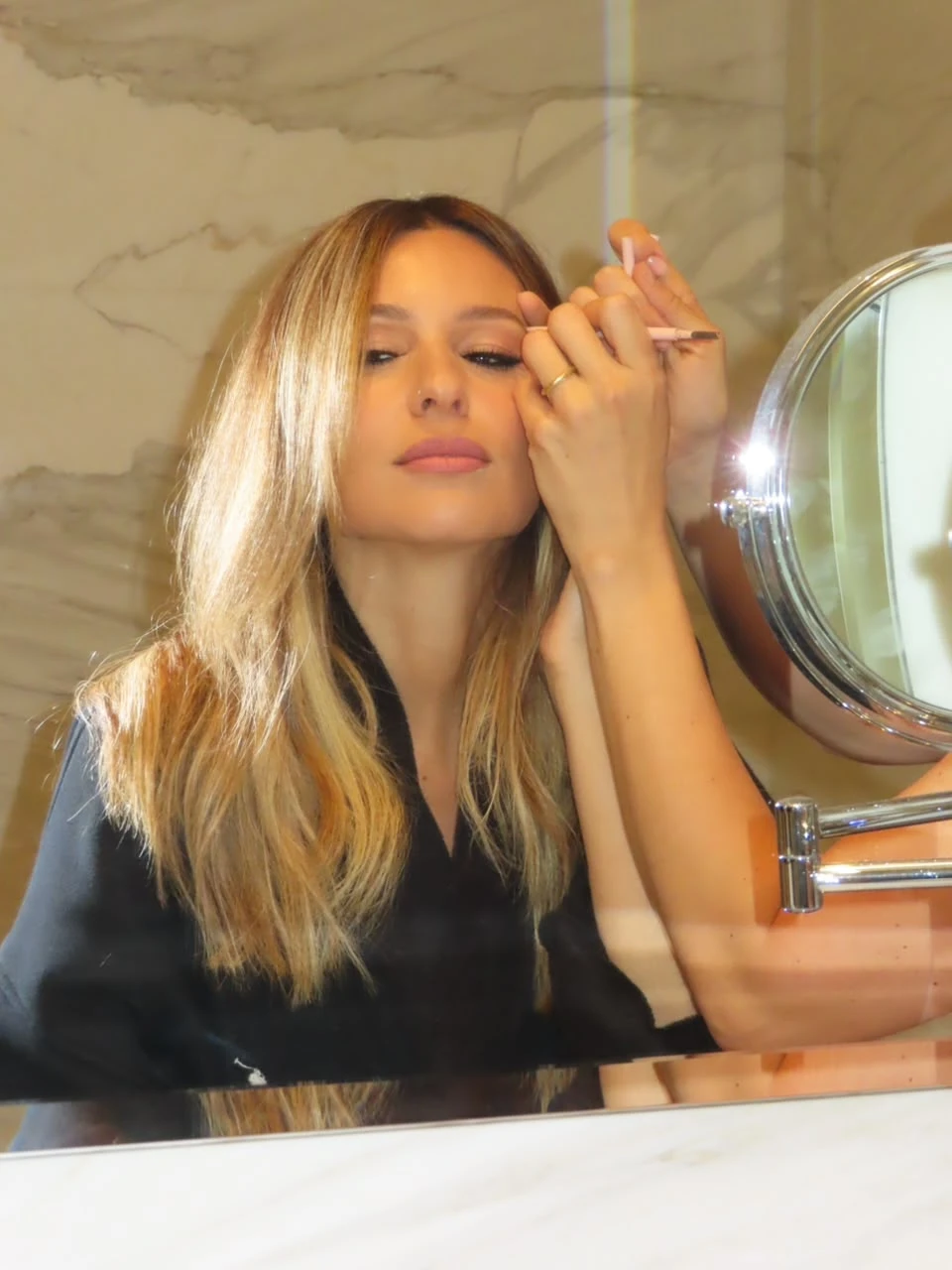
Pampita’s change was carried out in two stages
“This time we opted to do it in two parts and head more toward the gold side, which is a trend that’s out there,” Guedes explained.
The decision to split the work allowed a gradual progression from the dark base. This point is especially important for those who want to lighten their hair: the greater the difference between the starting color and the desired shade, the more careful the process must be.
The first part consisted of very fine highlights, spread out to illuminate the mane without completely erasing the depth of the brown.
“First we used a technique of very fine highlights. Once we lifted these strands, we applied an intermediate color between white and gold,” the stylist detailed.
In this way, the blonde did not turn flat or uniform. The different tonalities created dimension and allowed for a more natural look.
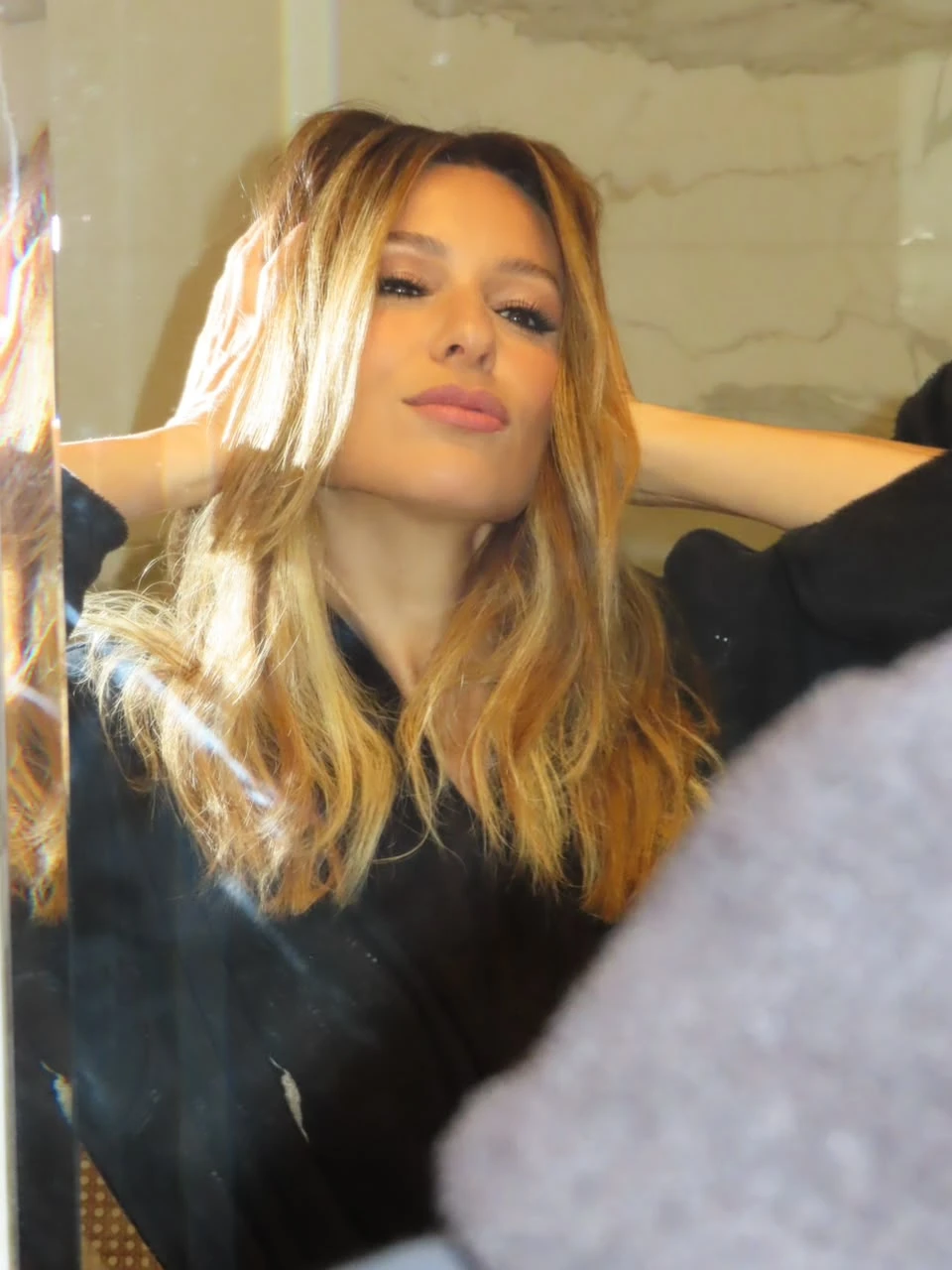
Why they chose a golden blonde and not ash
One of the keys to the new look lies in the color temperature. Guedes deliberately moved away from white and ash blondes that had dominated in recent years.
The choice was a mid-tone golden, bright but not overly yellow. This type of highlight can work particularly well when aiming to soften a brown base, because the transition is less abrupt and retains a certain warmth.
“We leaned more toward golds. Not hair that white, ash, or as it had been done, but closer to the golds range,” he noted.
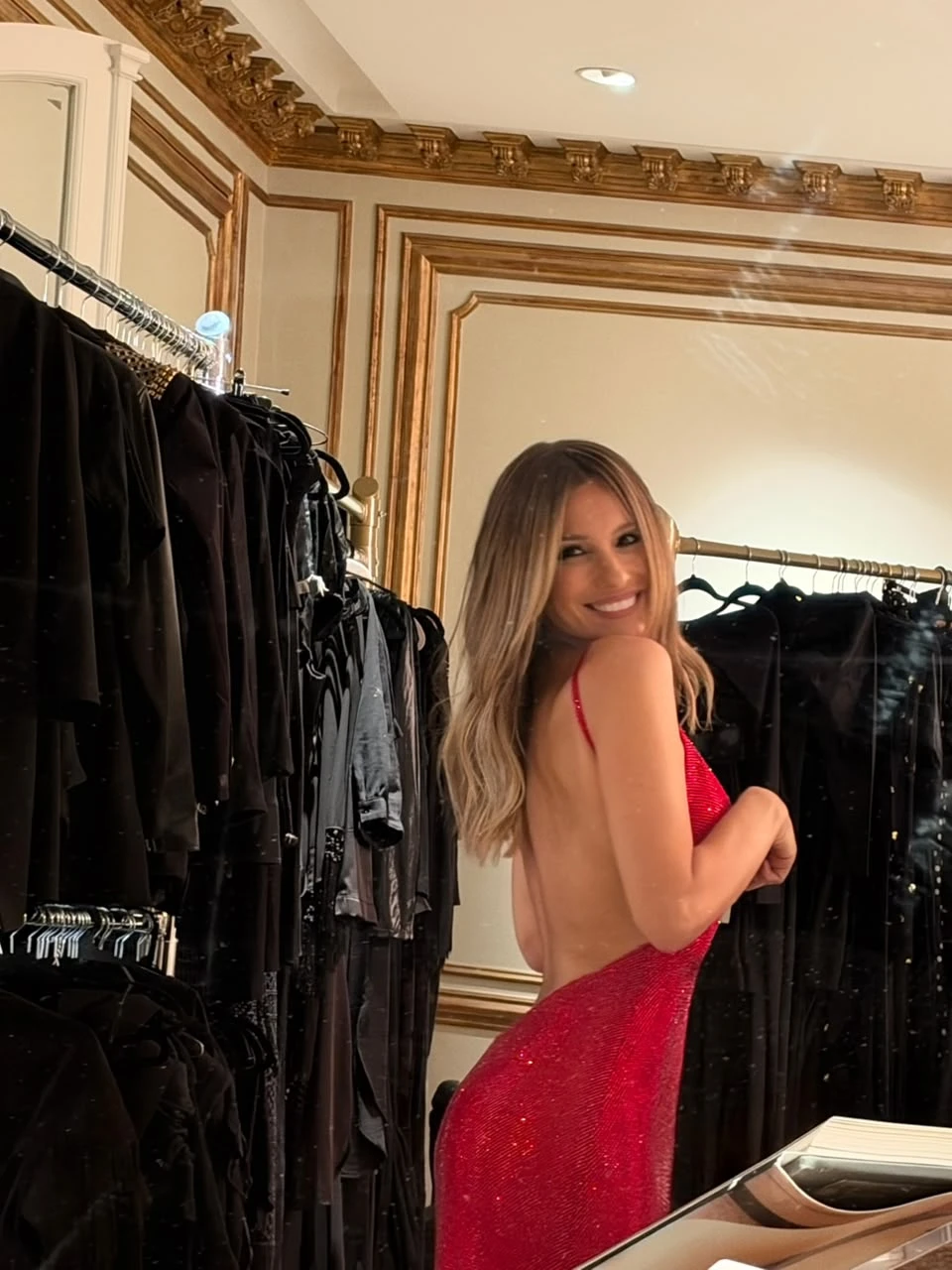
Additionally, the warm tones impart a sense of brightness and can illuminate the face without requiring the entire hair to reach the same level of lightening.
The work on the ends
After creating the fine highlights and applying the intermediate tone, Guedes intensified the effect on the ends.
“Then we did a more pronounced wear on the ends,” he said.
Thus he achieved lighter lengths while the roots and some mid-sections retained depth. That combination helps future growth blend more naturally and avoids a too-obvious root line.
The strategy also allows adapting the change to each person. It isn’t always necessary to become blonde from the roots: lightening the face-framing areas, adding fine highlights, and gradually lightening the ends can generate a significant transformation without completely losing the original base.
How to lighten a dark base without stressing the hair
Pampita’s case leaves a few key points for those considering lightening their mane:
- Avoid aiming for an extreme blonde in a single session if starting from a very dark base.
- Work with fine highlights to preserve depth zones.
- Choose an intermediate tone that connects the natural color with the lighter parts.
- Concentrate greater brightness on the ends and strategic areas.
- Consider golden blondes if you want a warm and natural finish.
- Evaluate the hair’s prior condition before deciding how much to lighten.
- Pair the coloring with a haircut that removes the most sensitized ends.
There is no one-size-fits-all formula for every mane. The result depends on the base color, previous chemical processes, and the condition of the hair fiber. Therefore, when a major transformation is desired, it is wise to plan it in stages.
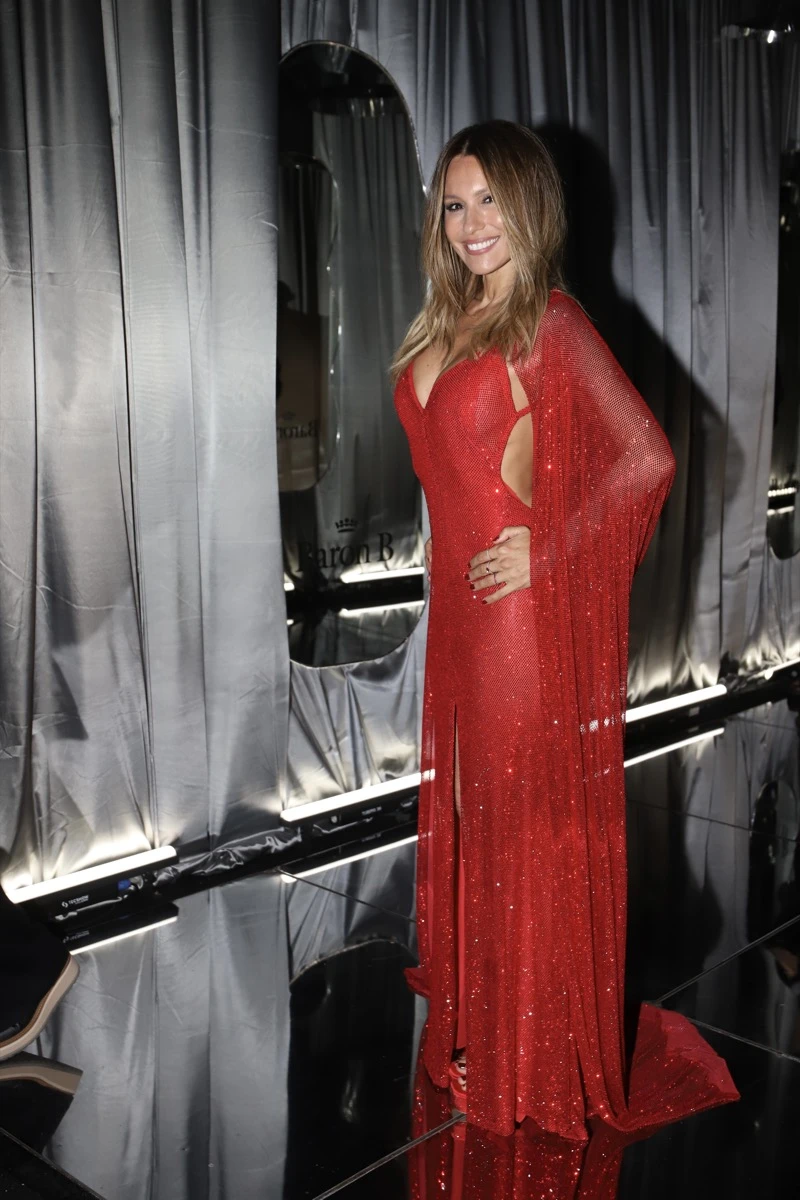
The cut that finished transforming the look
The change wasn’t limited to color. After a long period with very long hair, Pampita also decided to refresh the cut.
Caro had very long hair. We decided to cut it straight and properly thinned, Guedes explained.
The straight base added body, while the thinning created movement and prevented the mane from looking heavy. The cut also allowed the different blonde tones to be better appreciated.
Kate Moss, the reference behind Pampita’s new hair
To define the final style, Guedes drew on Kate Moss, known for wearing hair with a relaxed, textured, and seemingly imperfect aesthetic.
“The references were Kate Moss, who always wears her hair a bit more undone, looser, and with volume,” he revealed.
The proposal represented a change for Pampita, who usually favors very straight, flat hairstyles or tight ponytails. This time, the goal was to give it a freer and more rock-inspired edge.
“We said: ‘A bit of volume and a bit more rock.’ People say: ‘It’s tousled,’ but that’s exactly the style: a neatly undone look that’s also trending abroad,” he clarified.
This finish connects with the trend of undone waves and hairstyles that avoid rigid perfection. The secret lies in making the movement seem spontaneous, even though it has been carefully worked: voluminous roots, irregular strands, and a flexible texture.
Pampita’s new look demonstrates that a color change can be built without completely erasing the original tone. The fine highlights, the gradual process, the golden reflections, and a cut with movement were the keys to moving from brown to a luminous, modern blonde with personality.